Turkey
Sumela Monastery
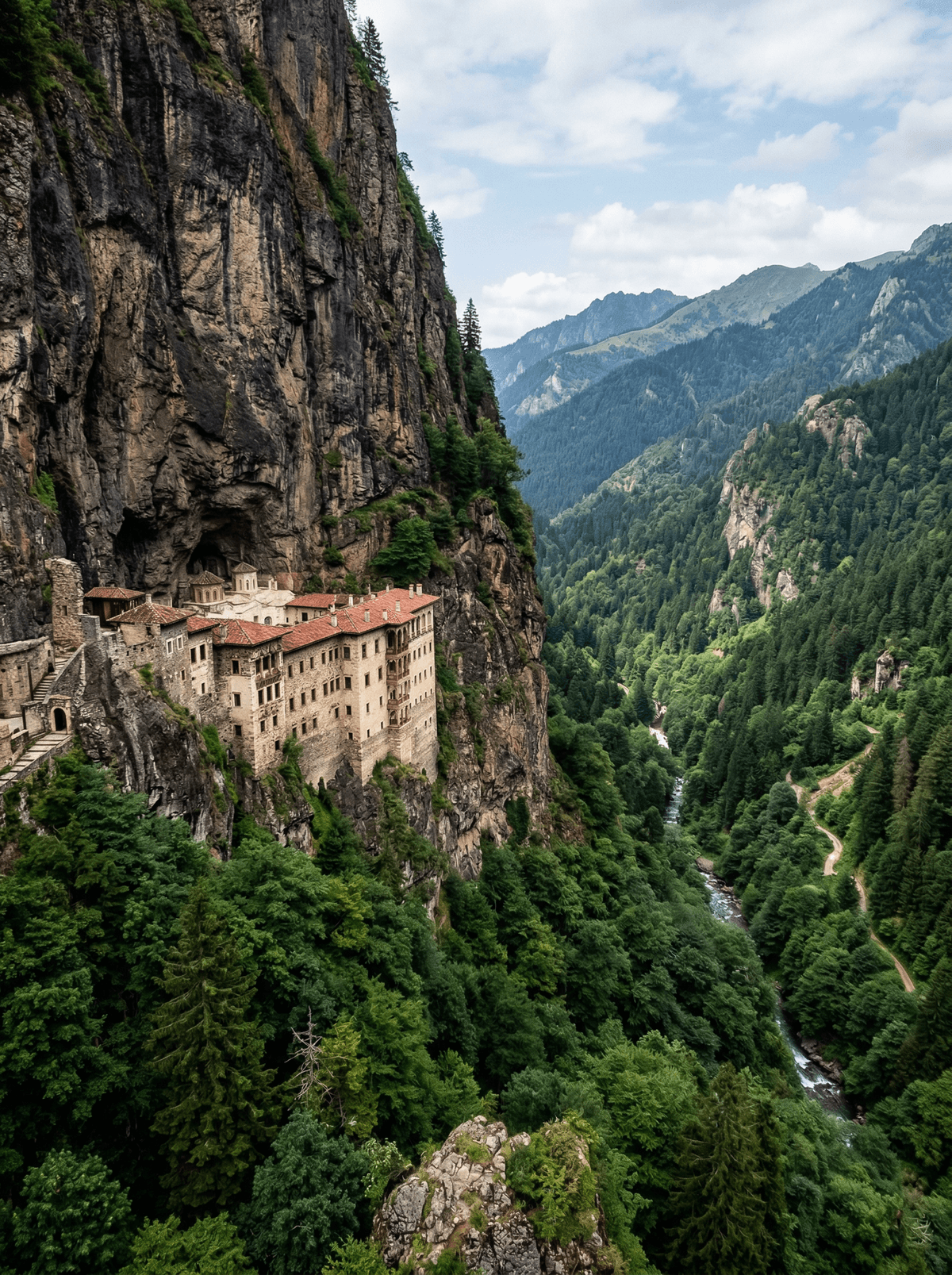
A monastery clinging to a cliff 300 metres above a misty Black Sea valley.
Mist moves through the valley in slow curtains, revealing and concealing the monastery clamped to the cliff face 300 metres above the forest floor. The stone seems to grow from the rock itself, its frescoed walls darkened by centuries of damp Black Sea air. The final walk up through dripping firs makes the first sighting feel earned.
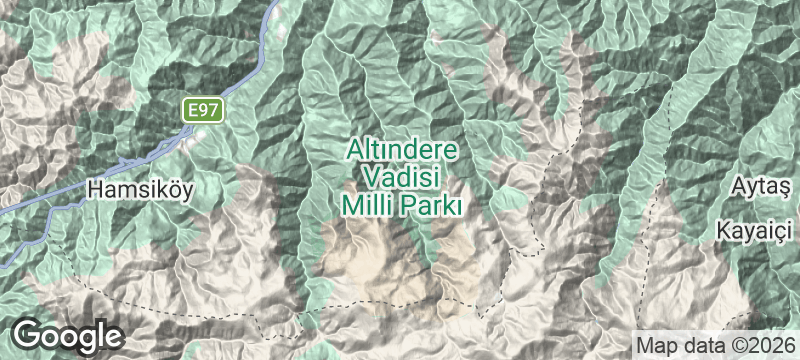
Sumela, formally the Monastery of the Virgin Mary, was founded by tradition in 386 CE on the cliffs of Karadağ in Trabzon province, and served for over 1,500 years as one of the major Greek Orthodox monasteries of the Pontic mountains until the 1923 population exchange emptied it. The complex terraces a rock church, chapels, kitchens, a library and a sacred spring into the cliff at around 1,200 metres, its frescoes spanning centuries of repainting from the 14th-century layers to the vivid 18th-century scenes. It stands in the Altındere valley national park, approached through spruce and rhododendron forest with a final climb on foot to the gate.
Solo
The forest approach is meditative, and the monastery rewards slow exploration; each fresco and carved niche tells a different century's story.
Couple
The mist, the forest, the dramatic reveal: Sumela is inherently cinematic. Combine it with Trabzon's waterfront for kuymak and çay, and the day balances awe with comfort.
Family
The monastery's improbable position captivates children instantly, and the short final walk keeps the climb manageable.
- Founded by tradition in 386 AD, the monastery clings to a sheer cliff at around 1,200 metres.
- The rock church holds frescoes painted in layers across centuries, the earliest surviving work from the 14th century.
- The Altındere valley below is a national park of streams and dense forest; the last stretch to the gate is walked.
- The monastery was abandoned in the 1923 population exchange and reopened after years of cliff-stabilising restoration.
Hamsiköy sütlacı, rice pudding from raw cow's milk, made on the road below the cliff.
Akçaabat köftesi, beef worked with stale bread, garlic and fresh fat, then grilled.
Monte Albán
Mexico
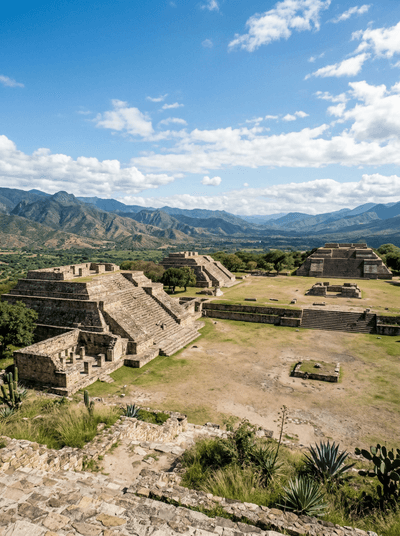
A Zapotec acropolis floats above the clouds on a mountaintop the ancients levelled by hand.
Vézelay
France
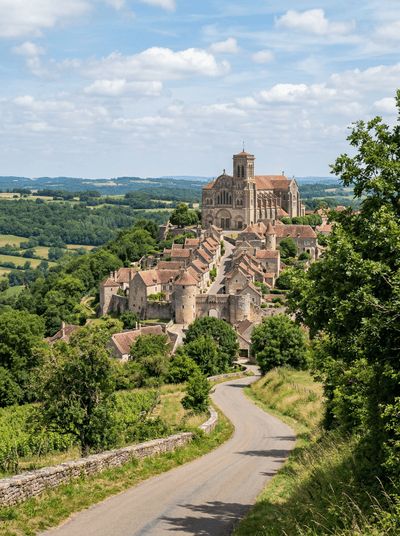
A hilltop basilica of light and carved stone where two crusades were preached into being.
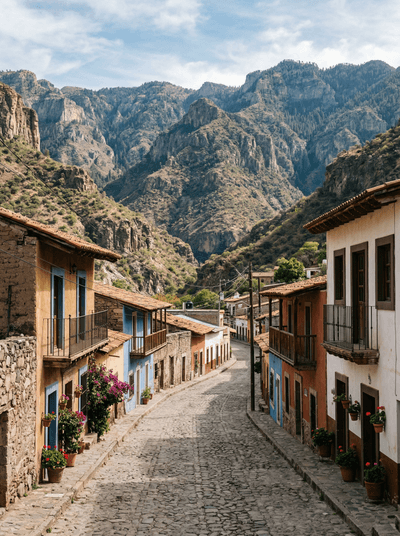
Batopilas
Mexico
A plunging canyon road ends among palms, aqueducts and silver-era stonework.
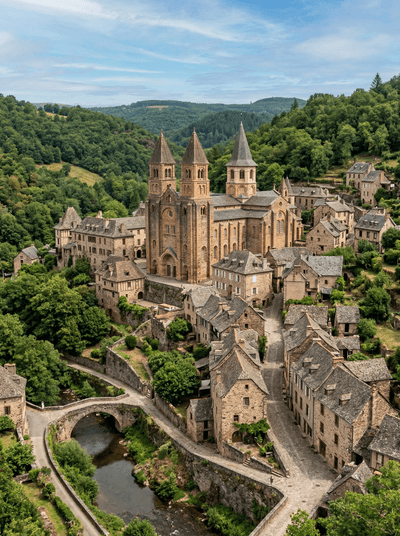
Conques
France
A Romanesque abbey glowing gold in a gorge where medieval pilgrims wept at the tympanum.
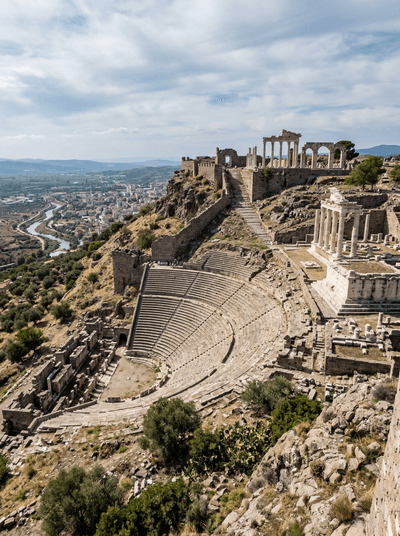
Pergamon
Turkey
The ancient world's steepest theatre drops at a vertigo angle from a windswept hilltop acropolis.
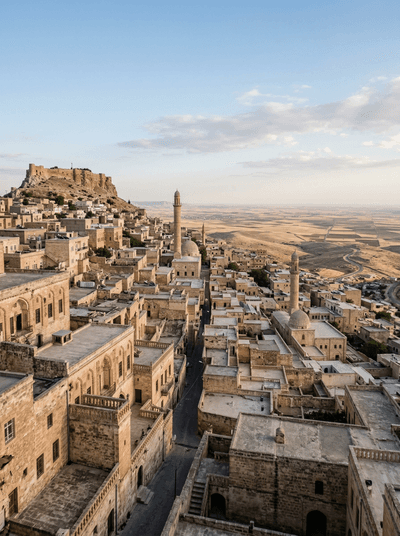
Mardin
Turkey
Honey-coloured stone houses cascade down a hill overlooking the flat Mesopotamian plain stretching to Syria.
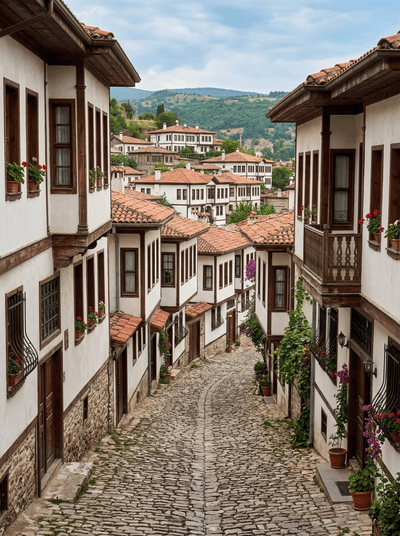
Safranbolu
Turkey
Timber-framed Ottoman mansions built on saffron wealth, their carved ceilings untouched since the 1700s.
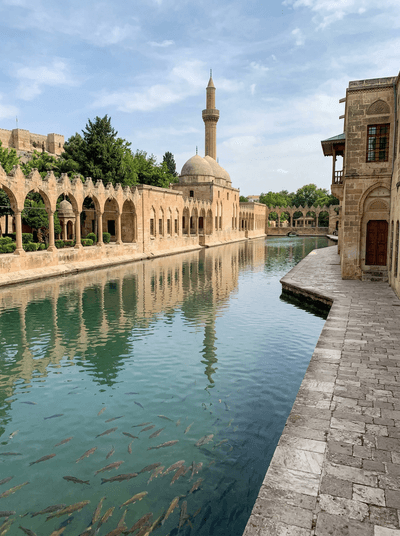
Şanlıurfa
Turkey
Abraham's cave meets the pool of sacred fish in a city haunted by Mesopotamia's oldest memories.