
Chile
Chiloé's Wooden Churches (UNESCO Circuit)
Sixteen timber churches turn Chiloé's islands into a road-and-ferry pilgrimage.
Wood grain, painted stars and shingled towers change from village to village. Outside, fishing boats and farm roads keep the churches within everyday island life.
UNESCO lists sixteen churches shaped by local timber craft and the meeting of European and Chilote traditions. They remain active community buildings, so interior hours vary and worship takes priority. Linking several by road and ferry reveals differences that a single famous facade cannot.

Solo
A car and ferry timetable allow an independent cluster of churches when local opening hours are checked.
Family
Three contrasting churches and their villages give enough variety while the sixteen-stop chase stays unattempted.
- UNESCO lists sixteen Chiloé churches for their distinctive timber architecture and fusion of European and local traditions.
- They remain community religious buildings, so opening hours and interior access vary.
- A road-and-ferry circuit through Achao, Dalcahue, Tenaún and other settlements gives the group proper depth.
The minga work tradition still ends with the host thanking neighbours with a curanto and a dance until dawn.
Chapaleles and milcaos appear at island fiestas costumbristas all along the route.
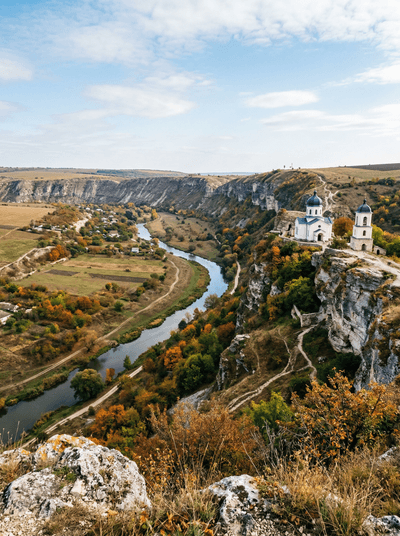
Orheiul Vechi
Moldova
Candles burn in a cliff-dug monastery cell; a Golden Horde city lies buried around the bend.
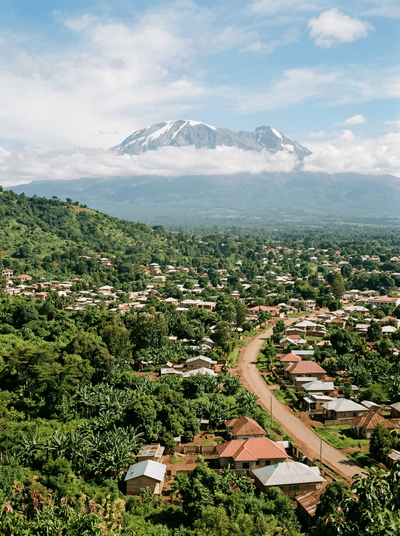
Moshi
Tanzania
Coffee ripens on Kilimanjaro's flank above a town the Chagga farmed first.
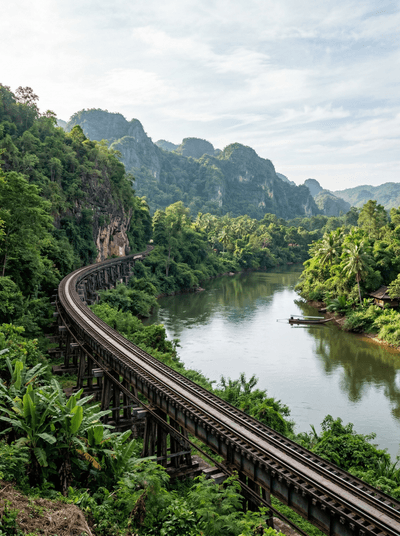
Kanchanaburi
Thailand
A wartime railway bridge over the River Kwai that still carries the weight of its dead.
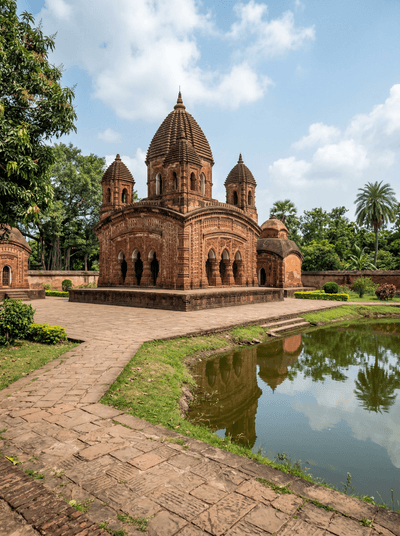
Bishnupur
India
Burnt-red terracotta temples carved with Hindu epics, their clay panels outliving four centuries of monsoon.
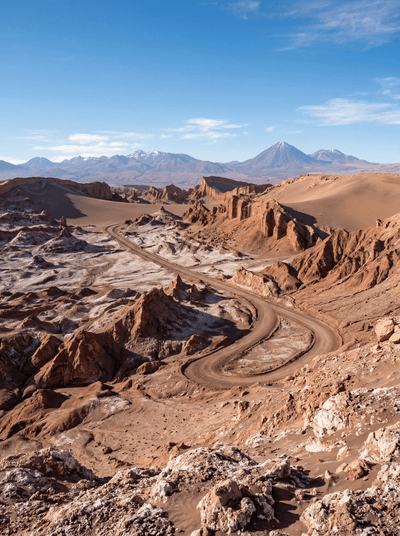
Valle de la Luna
Chile
Copper light skims salt ridges and sculpted clay at the edge of the Atacama.
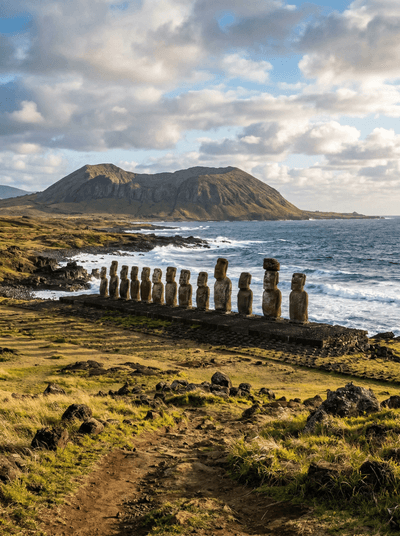
Rapa Nui (Easter Island)
Chile
Moai, grassed craters and a living Polynesian culture meet in the open Pacific.
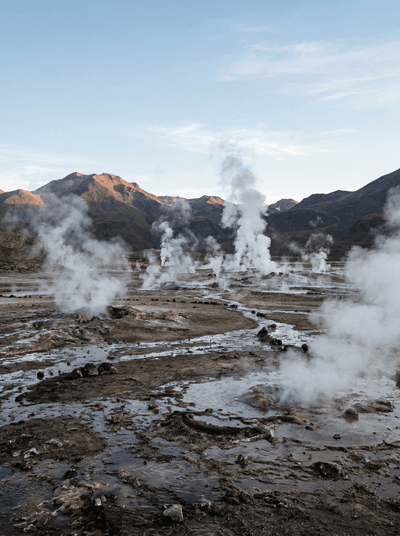
El Tatio Geysers
Chile
Steam columns rise into freezing dawn air at 4,300 metres in the Andes.
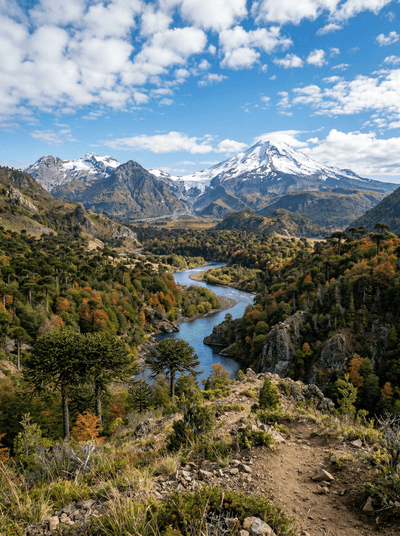
Alto Biobío
Chile
The young Biobío runs beneath araucaria heights through living Pewenche high country.