Pakistan
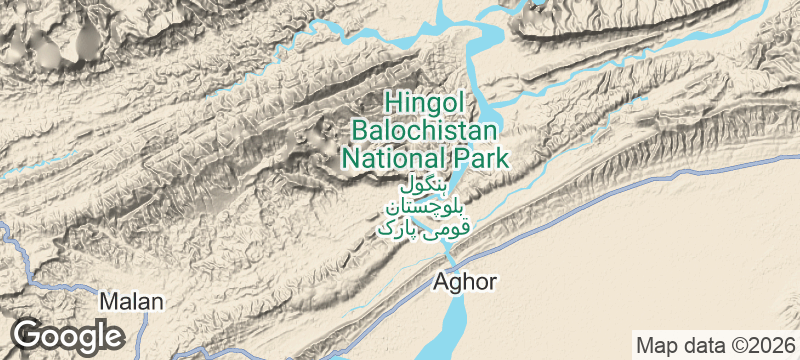
Hingol National Park
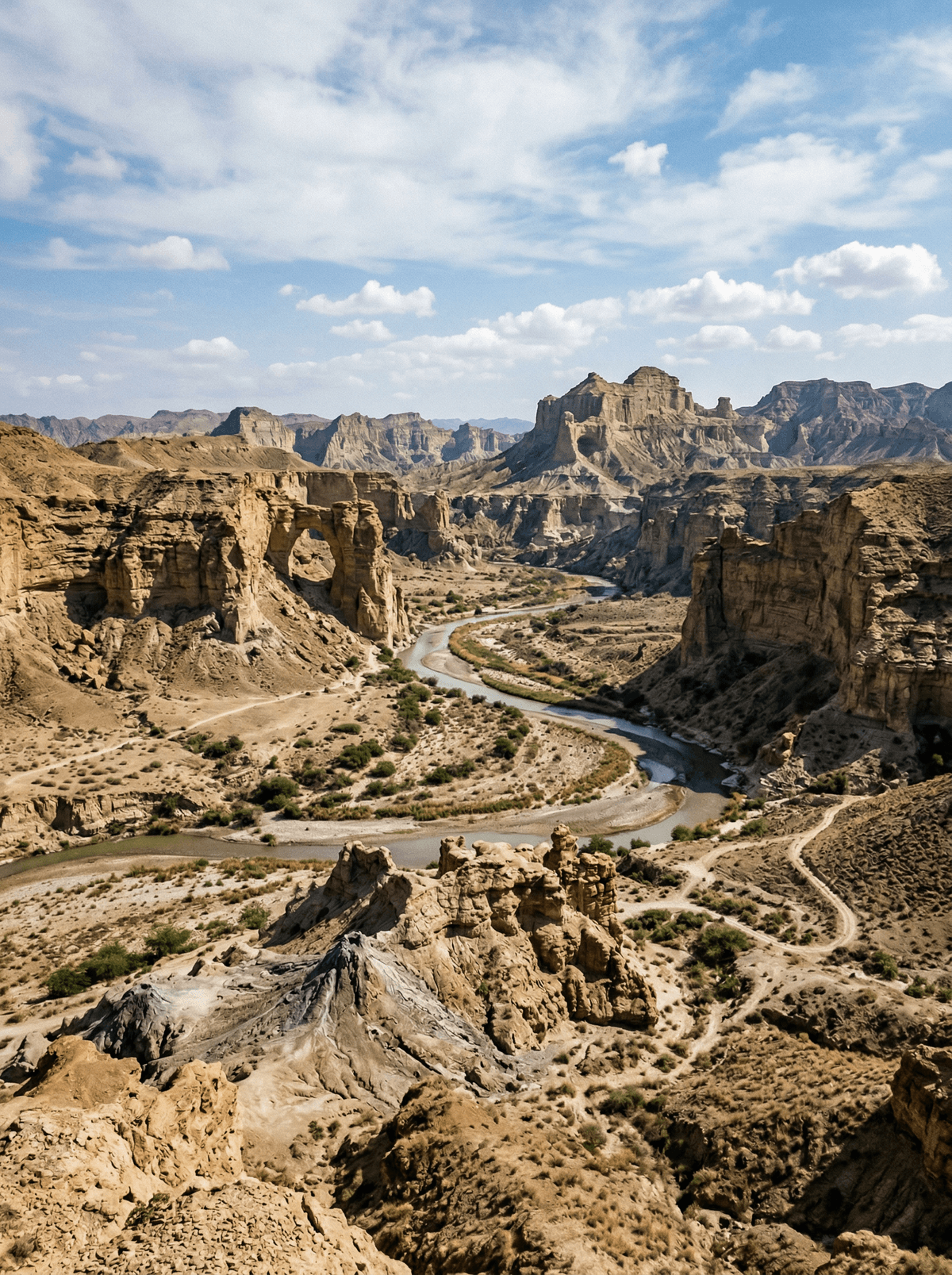
Wind-carved rock pillars resembling alien temples standing guard over Pakistan's most surreal coastline.
Wind has sculpted this coastline into something hallucinatory. Stone pillars rise from cracked desert floor like the ruins of a civilisation that never existed, and the Makran coast breaks through the southern edge in cliffs of red and ochre crumbling into the Arabian Sea. Hingol is where Pakistan stops looking like itself and starts looking like another planet.
Hingol National Park covers over 6,100 square kilometres of Balochistan's Lasbela district, making it Pakistan's largest national park. The landscape shifts between mud volcanoes, wind-eroded rock formations, desert canyons, and a wild stretch of Makran coastline. The rock formations at the Princess of Hope — a naturally carved pillar that resembles a standing figure — draw photographers, while Kund Malir beach sits within the park's southern boundary. The Hingol River carves through the interior, creating gorges that shelter ibex and Sindh leopard. The Hinglaj Mata temple, one of Hinduism's holiest Shakti Peethas, sits deep inside the park and draws thousands of pilgrims annually. No paved roads penetrate the interior. This is frontier territory that demands self-sufficiency.
Friends
A convoy of friends in 4x4s, camping on empty beaches and exploring mud volcanoes by torchlight — Hingol is the kind of expedition that bonds a group permanently.
- The Hingol River cuts through 6,100 square kilometres of eroded badlands to reach the Arabian Sea — the park contains three distinct ecosystems in one continuous stretch.
- The Princess of Hope and Sphinx of Balochistan — natural rock formations shaped by wind erosion — rise 30 metres from the desert floor near the coastal highway.
- Marsh crocodiles survive in the Hingol River — one of the few populations in Pakistan outside the Indus floodplain.
- The coastal strip within the park contains the only brown fur seal population in Pakistan, hauled out on rocks at the river mouth.
Pack your own — no facilities exist in the park.
Dried fish and roti from Baloch fishermen if fortune smiles.
Water and supplies from Bela or Ormara — this is true frontier territory.
Great Sand Sea
Egypt
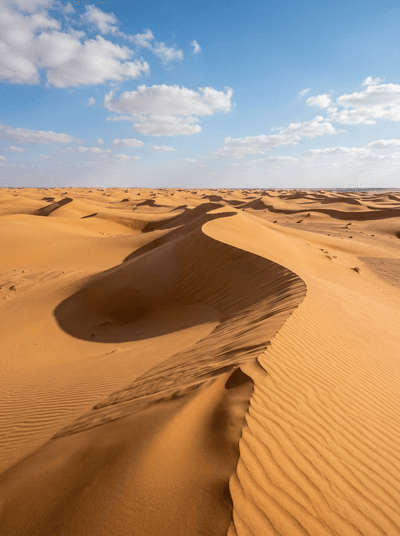
Sand ridges higher than buildings stretching to the Libyan border, hiding shards of cosmic glass.
Ain Umm al-Dabadib
Egypt
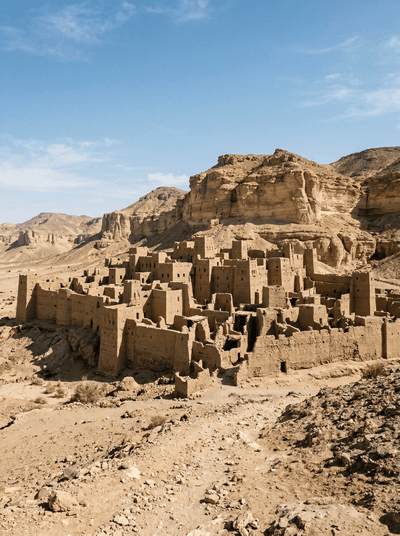
Roman-era underground aqueducts tunnelling beneath deep desert, supplying a fortress that guarded nothing but sand.
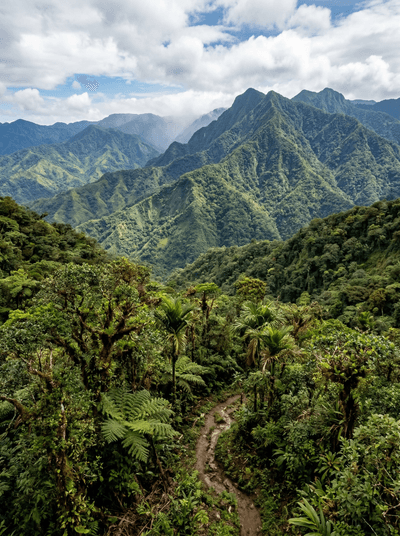
La Amistad International Park
Panama
A binational cloud forest so dense and remote that vast sections remain unmapped.
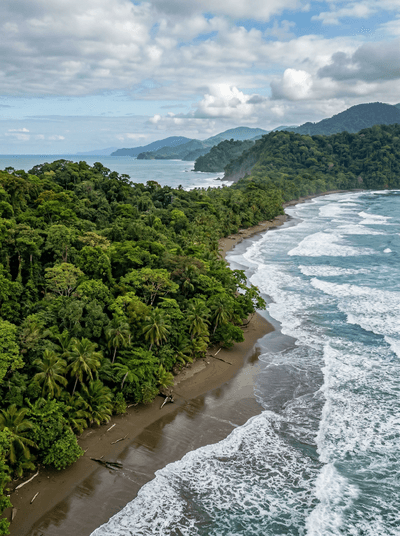
Corcovado National Park
Costa Rica
National Geographic called it the most biologically intense place on Earth. They undersold it.
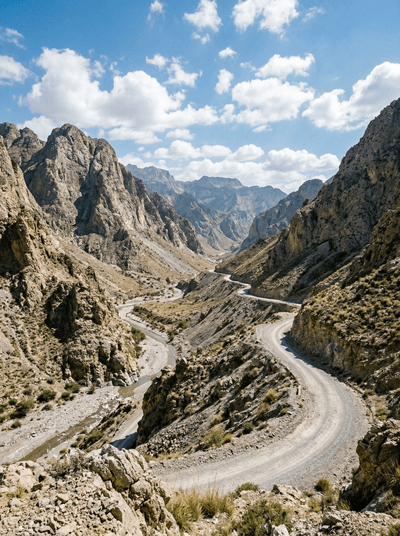
Bolan Pass
Pakistan
A ninety-kilometre gorge carved through bare stone — the corridor every invading army since Alexander chose.
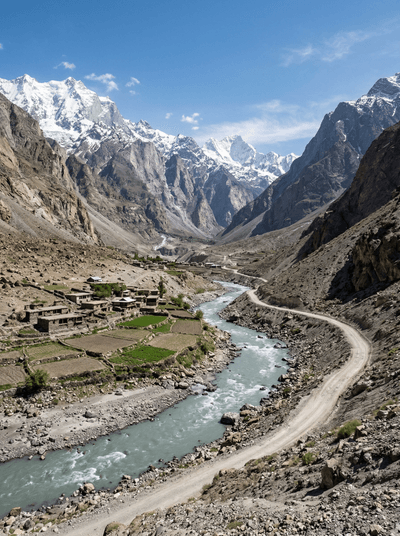
Chapursan Valley
Pakistan
Yaks grazing below apricot blossoms at 3,500 metres in a valley wedged between Afghanistan and China.
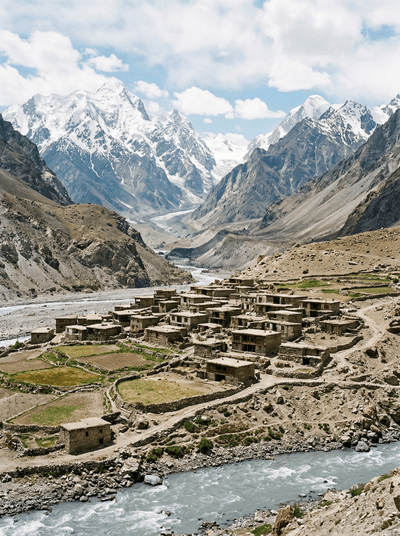
Askole
Pakistan
Civilisation's last outpost before the glaciers where porters load supplies for the walk to K2.
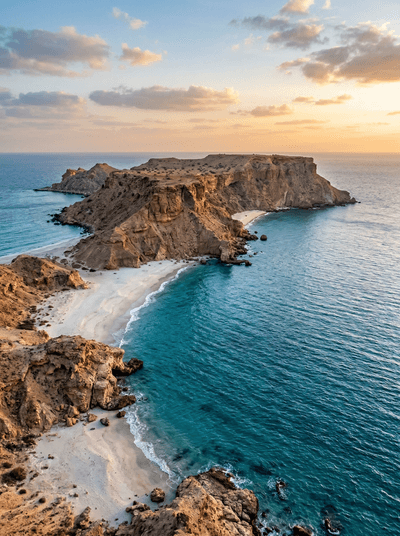
Astola Island
Pakistan
Pakistan's largest island — uninhabited, unreachable half the year, ringed by water so clear it aches.