Costa Rica
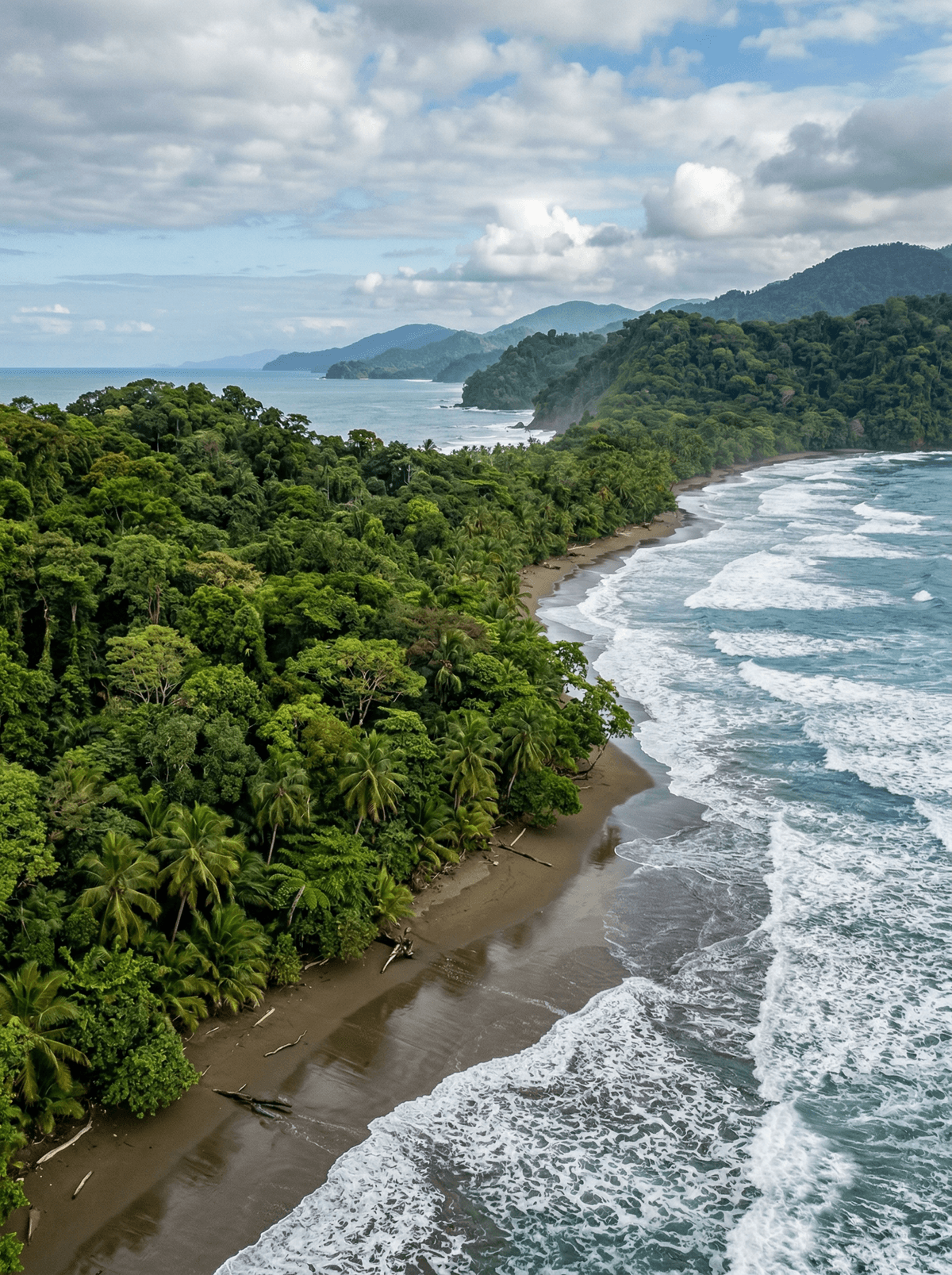
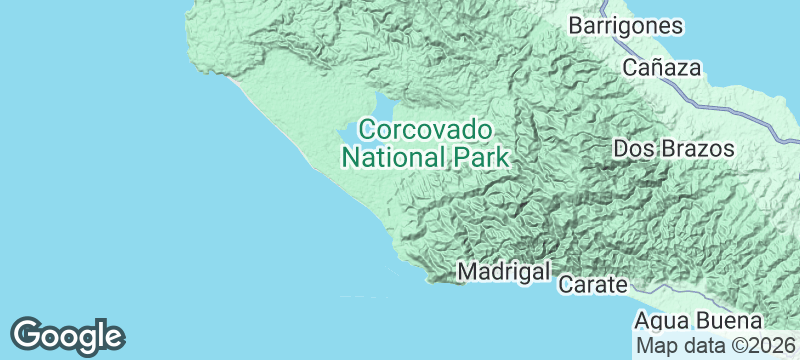
Corcovado National Park
National Geographic called it the most biologically intense place on Earth. They undersold it.
The trail is ankle-deep in mud, the air thick enough to chew, and something large just crashed through the undergrowth ahead. Your guide stops, listens, continues. Corcovado does not soften itself for visitors — this is Costa Rica's Osa Peninsula operating on its own terms.
Corcovado holds 2.5% of the entire world's biodiversity inside one park — from endemic squirrel monkeys to Baird's tapirs crossing the beaches and bull sharks pushing up the Río Sirena on the tide. A registered guide is mandatory, and the walks between ranger sectors — La Leona, Sirena, San Pedrillo, El Tigre — cross rivers whose passability depends on rain and tide. There are no roads inside, no shops, no signal. This is the Costa Rica that existed before tourism, preserved because the Osa was too remote and too wet to develop, and nothing is promised: the park gives what the weather, the moons and the seasons allow.
Solo
Multi-day guided treks draw a self-selecting company of serious nature travellers — river crossings and ranger-station evenings bond strangers fast.
Friends
A group trek to Sirena becomes the story you retell for years; shared mud builds memories faster than shared comfort.
- The park holds 2.5% of the world's biodiversity — one number that explains everything else about the Osa.
- National Geographic's verdict, 'the most biologically intense place on Earth', has stuck for good reason.
- Tapirs cross the beaches and bull sharks ride the tide up the Río Sirena — encounters here are wild, never staged.
- A registered guide is required, and the sector treks cross tidal rivers — this is expedition walking, not a stroll.
Whole fried fish, Osa style — the day's Pacific catch under a squeeze of lime.
Sopa de mariscos thick with the morning's shellfish — the south coast's restorative bowl after the trails.
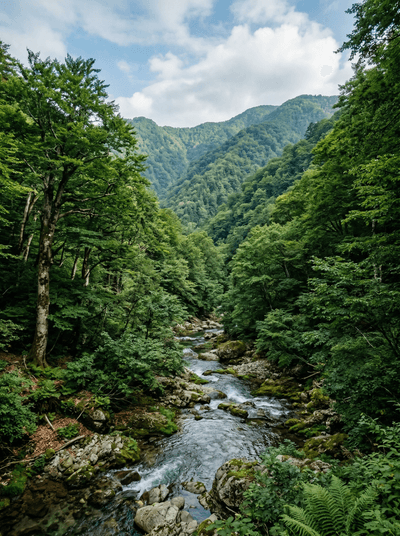
Shirakami-Sanchi
Japan
The last virgin beech forest in Japan, where the floor lives in permanent twilight.
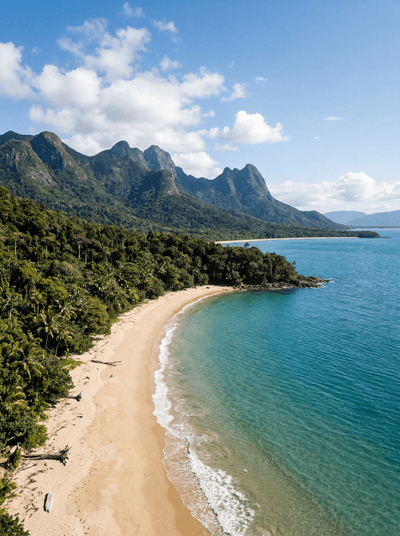
Hinchinbrook Island
Australia
Tidal creeks, rainforest and granite ridges turn one island trail into a self-sufficient expedition.
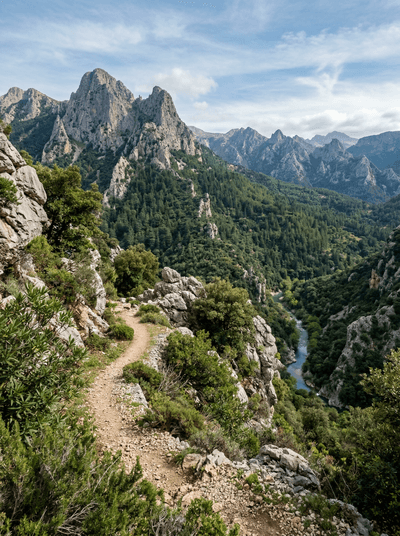
Talassemtane National Park
Morocco
Endangered fir darkens the Rif until pale limestone cliffs break through the canopy.
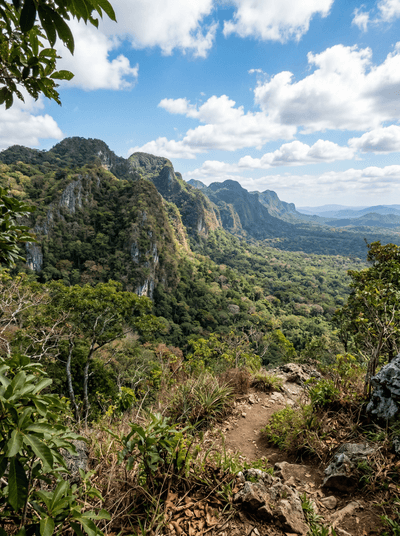
Barra Honda National Park
Costa Rica
Descend by ladder and harness beneath a hill of ancient coral to stalactites gleaming by headlamp.
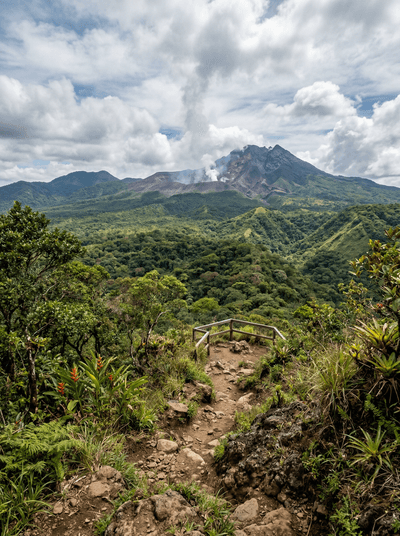
Rincón de la Vieja
Costa Rica
Volcanic mud pots belch and bubble through dry tropical forest like the earth digesting itself.
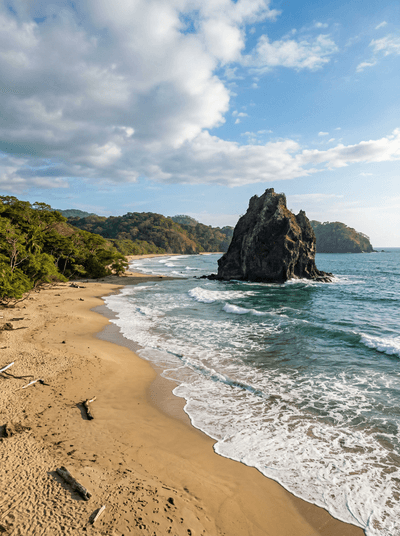
Witch's Rock (Playa Naranjo)
Costa Rica
A volcanic rock rising from Pacific surf at a break so remote you arrive by boat.
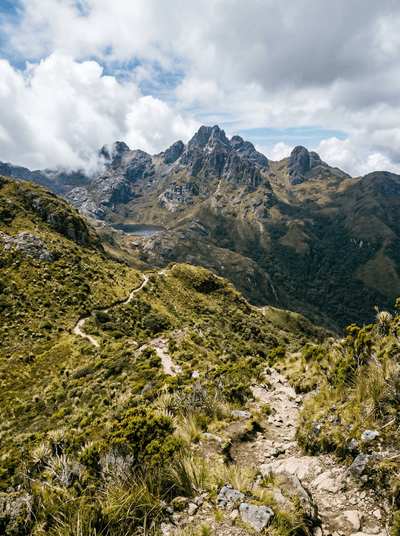
Chirripó National Park
Costa Rica
From Costa Rica's rooftop on a clear morning, the Pacific and Caribbean both lie below.