Panama
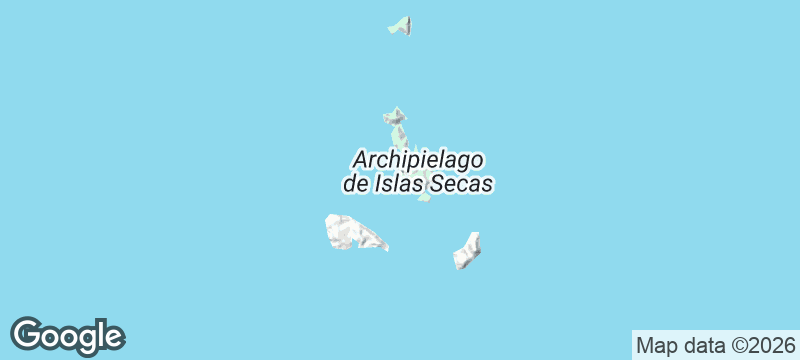
Islas Secas
Fourteen volcanic islands, thirteen still wild, twenty miles out in whale-crossed Pacific water.
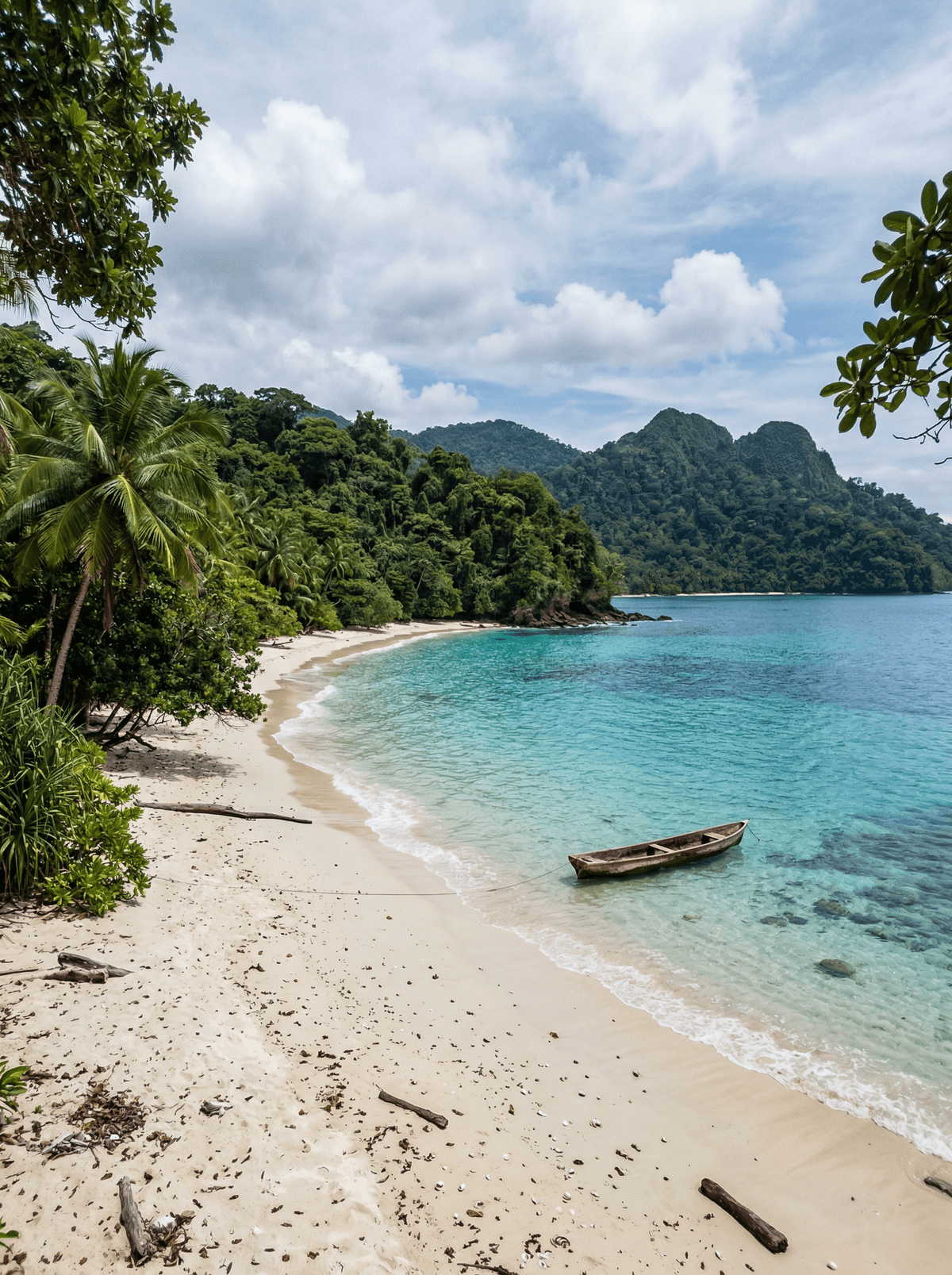
The boat noses toward a gold-sand beach with no footprints on it. Islas Secas is a private archipelago of fourteen volcanic islands twenty miles off Panama's Pacific coast, thirteen of them still wild and untouched.
The numbers around these islands read like an inventory of abundance: 750 fish species, 124 kinds of bird, 128 plants, and among the largest coral reef systems in the Eastern Tropical Pacific, with UNESCO-listed Coiba National Park just over an hour away by boat. These waters host two separate populations of migrating humpback whales, and marine safaris run from inshore reefs to seamounts where manta rays and dolphins gather. Ashore, trails cross the main island to a blowhole that throws spray sixty feet, a 300-year-old cedar at Cedro Grande, and casitas built high in the foliage. The operation runs on its own terms: one hundred per cent solar electricity, all wastewater reclaimed for irrigation, food waste composted, and a privately funded foundation feeding data to conservation partners including the Smithsonian's tropical-research institute in Panama.
Couple
Thirteen untouched islands and reef in every direction make seclusion the archipelago's default, with humpbacks breaching between them in season.
Family
Snorkelling shallows, beach days and whale seasons hand children a wild archipelago as their playground, reef gardens included.
- Fourteen protected islands hold 750 fish species, 124 birds and one of the largest coral systems in the Eastern Tropical Pacific.
- Electricity is one hundred per cent solar, wastewater is fully reclaimed and island food waste is composted.
- Trails cross the main island to a blowhole that throws spray sixty feet and a 300-year-old cedar at Cedro Grande.
- The surrounding waters host two separate populations of migrating humpback whales, with UNESCO-listed Coiba an hour away by boat.
Start with the ceviche, cut from just-caught Pacific seafood and the kitchen's freshest habit.
Then order the day's fish steamed in a banana leaf; on other nights it goes to the Panamanian barbecue.
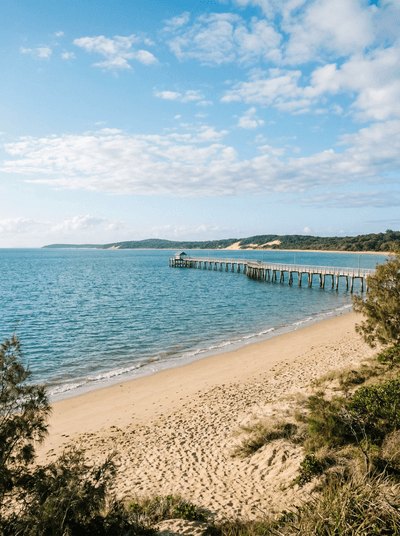
Hervey Bay
Australia
Humpback mothers rest with calves inside the sheltered bend of their winter migration.
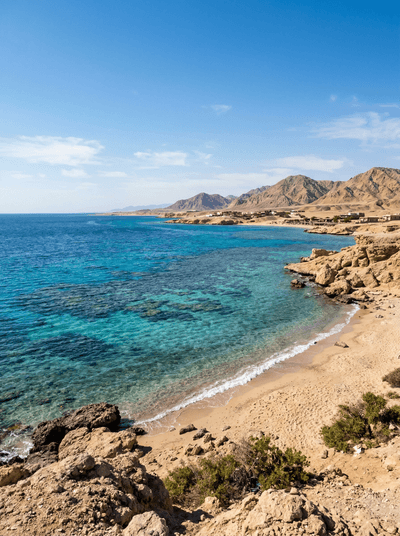
Marsa Alam
Egypt
Dugongs grazing on seagrass in shallows so clear you watch from the surface, desert silent behind.
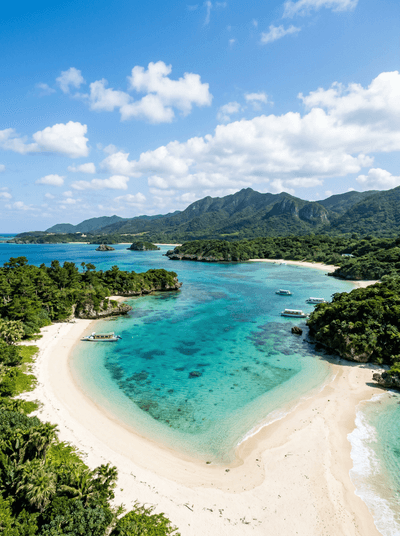
Ishigaki
Japan
Mangrove kayaks at dawn, manta cleaning stations by noon, Yaeyama soba by sunset.
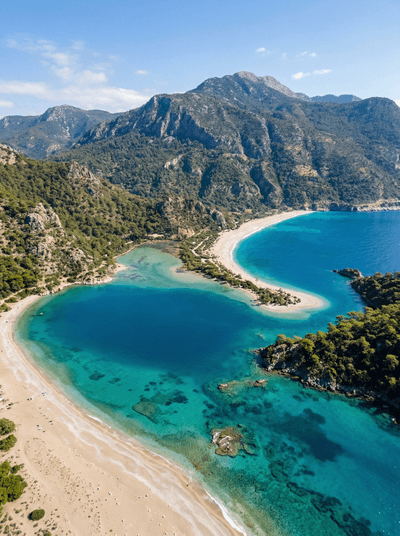
Ölüdeniz
Turkey
Paragliders spiral down from 1,969 metres to land on a lagoon so blue it looks retouched.
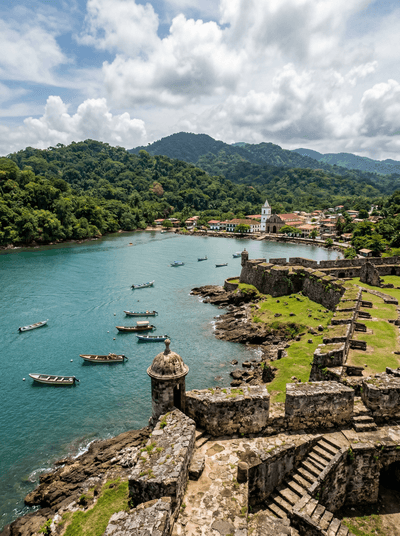
Portobelo
Panama
Rusting cannons guard the harbour where Spanish galleons loaded Potosí's silver for Spain.
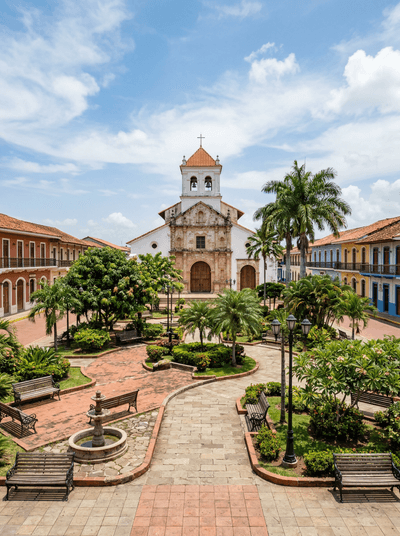
Las Tablas
Panama
One town, two streets, and a two-century Carnival war fought with music, queens and fireworks.
Gamboa
Panama
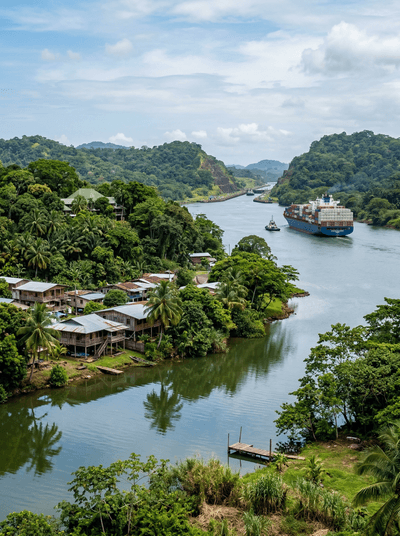
A rainforest town where ocean-going ships glide silently between the trees.
El Valle de Antón
Panama
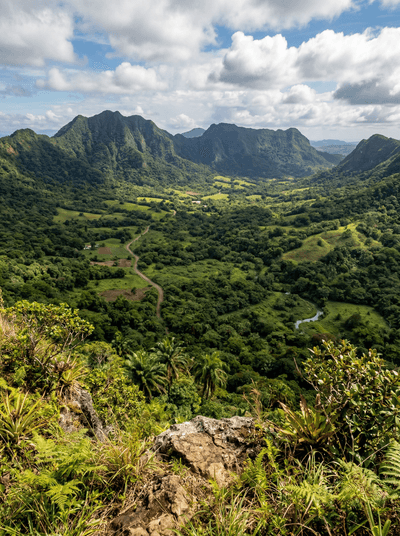
A whole town spreads across the floor of an extinct volcano's crater.