Egypt
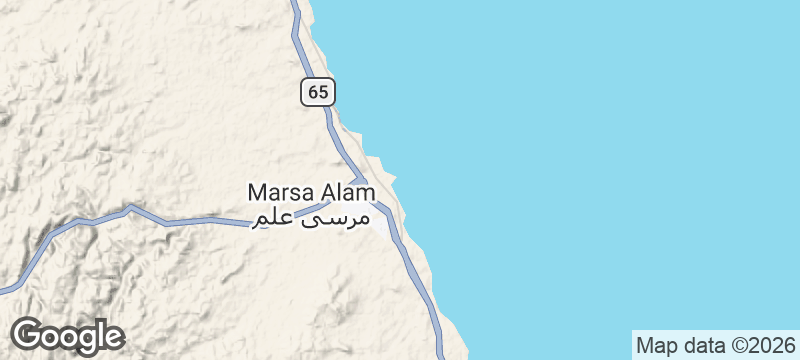
Marsa Alam
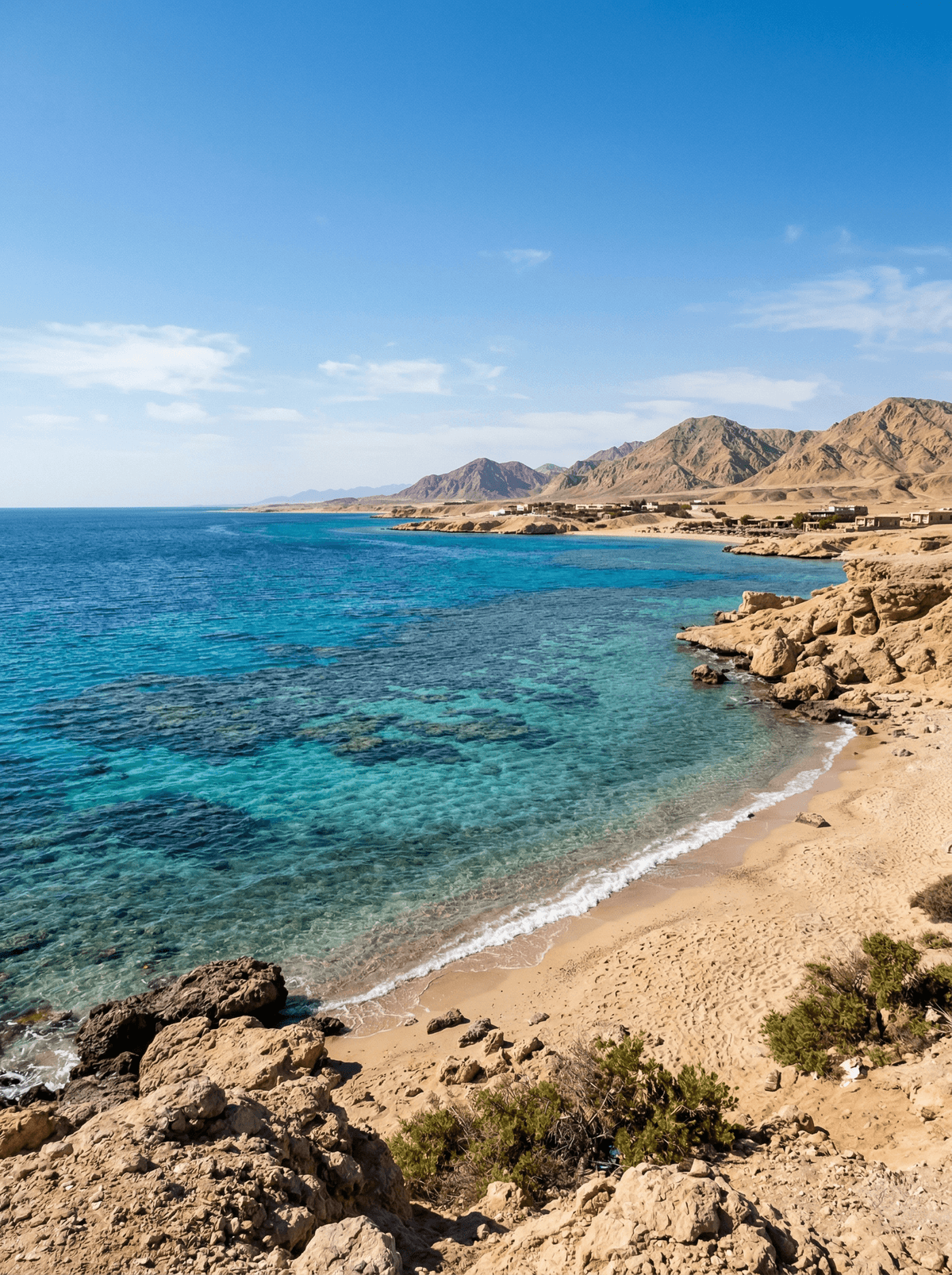
Dugongs grazing on seagrass in shallows so clear you watch from the surface, desert silent behind.
The dugong surfaces slowly, a grey bulk trailing seagrass, and you watch through water so clear it barely seems to exist. Behind the reef the Eastern Desert rises in rust-coloured ridges without a single tree. This is Egypt's Red Sea at its emptiest — and its marine life at its richest.
Marsa Alam sits on the southern Red Sea coast, some 270 kilometres below Hurghada, where the shelf drops steeply and the offshore reefs have escaped mass tourism. Abu Dabbab bay is one of the few places in the world where you can swim with an endangered dugong grazing its seagrass beds. Elphinstone Reef, a 45-minute boat run offshore, ranks with the Red Sea's finest walls, oceanic whitetips patrolling its ends in season. Behind it all the Eastern Desert runs to the horizon, treeless and silent.
Family
Base at an Abu Dabbab lodge — the children snorkel seagrass shallows where turtles graze, and dugong day is a lottery worth playing.
- Abu Dabbab is one of the few places on Earth to share water with a wild dugong.
- Elphinstone's sheer walls and drifting sharks put it on most Red Sea divers' shortlists.
- The town keeps a working fishing port — its morning market runs with no reference to tourism.
- Eco-camps south of town do full-board desert-meets-sea stays with no Wi-Fi and no crowds.
The catch lands in the morning and the beachside grills have it by evening — fish and prawns straight off the boat.
Porto Ghalib's marina strip runs from Egyptian grills to quayside seafood — order the prawns and watch the boats.
Ölüdeniz
Turkey
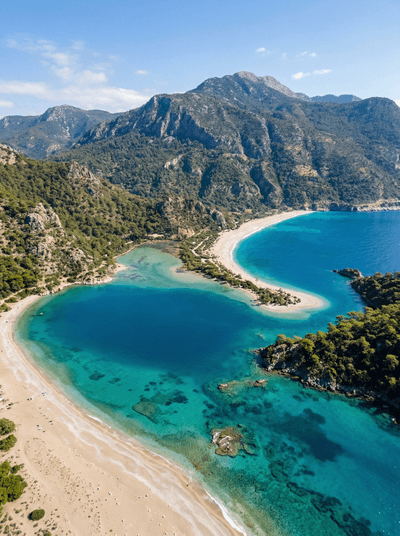
Paragliders spiral down from 1,969 metres to land on a lagoon so blue it looks retouched.
Archipiélago de las Perlas
Panama
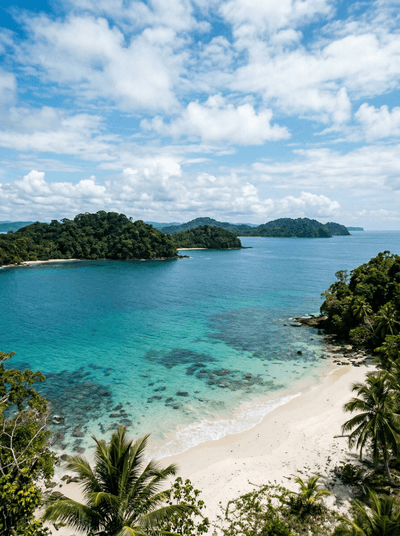
The pearl that dazzled a Tudor queen and Elizabeth Taylor was pulled from these waters.
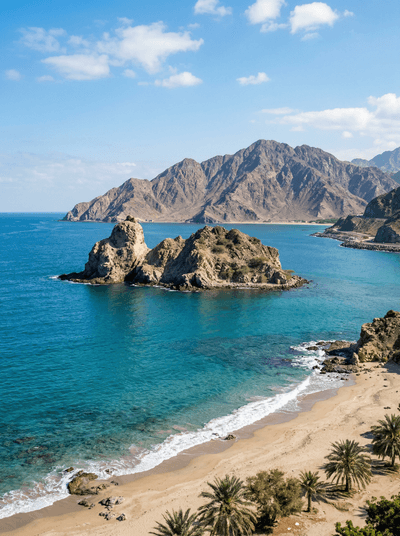
Snoopy Island
United Arab Emirates
A rock shaped like a sleeping beagle, ringed by coral where reef sharks patrol.
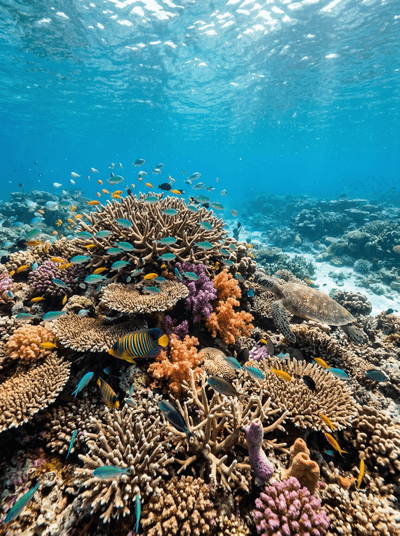
Great Barrier Reef
Australia
Turtles thread through a coral world stretching 2,300 kilometres along Queensland.
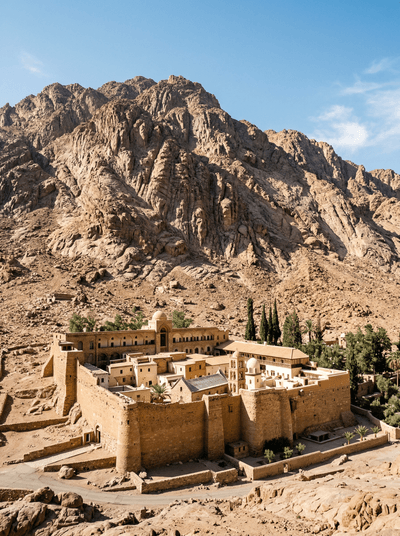
St. Catherine
Egypt
Granite peaks where Moses may have stood, a burning bush still growing behind monastery walls.
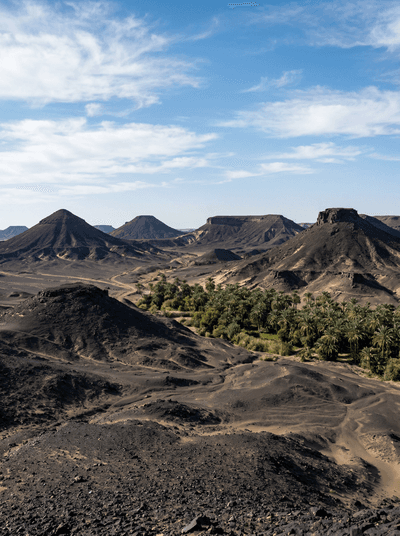
Bahariya Oasis
Egypt
Hot springs steaming in palm groves where golden mummies were unearthed beneath a donkey path.
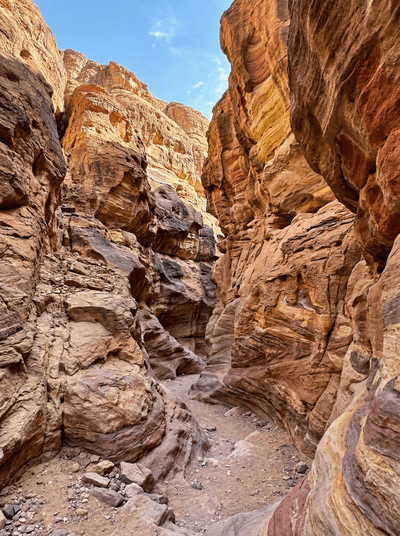
Coloured Canyon
Egypt
Sandstone walls rippling in rust, ochre, and violet, narrow enough to touch both sides.
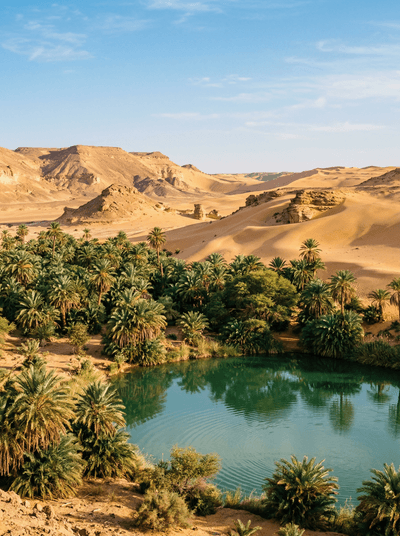
Dakhla Oasis
Egypt
Medieval mud-brick lanes and carved lintels marooned in the deep desert for eight centuries.