Panama
Las Tablas
One town, two streets, and a two-century Carnival war fought with music, queens and fireworks.
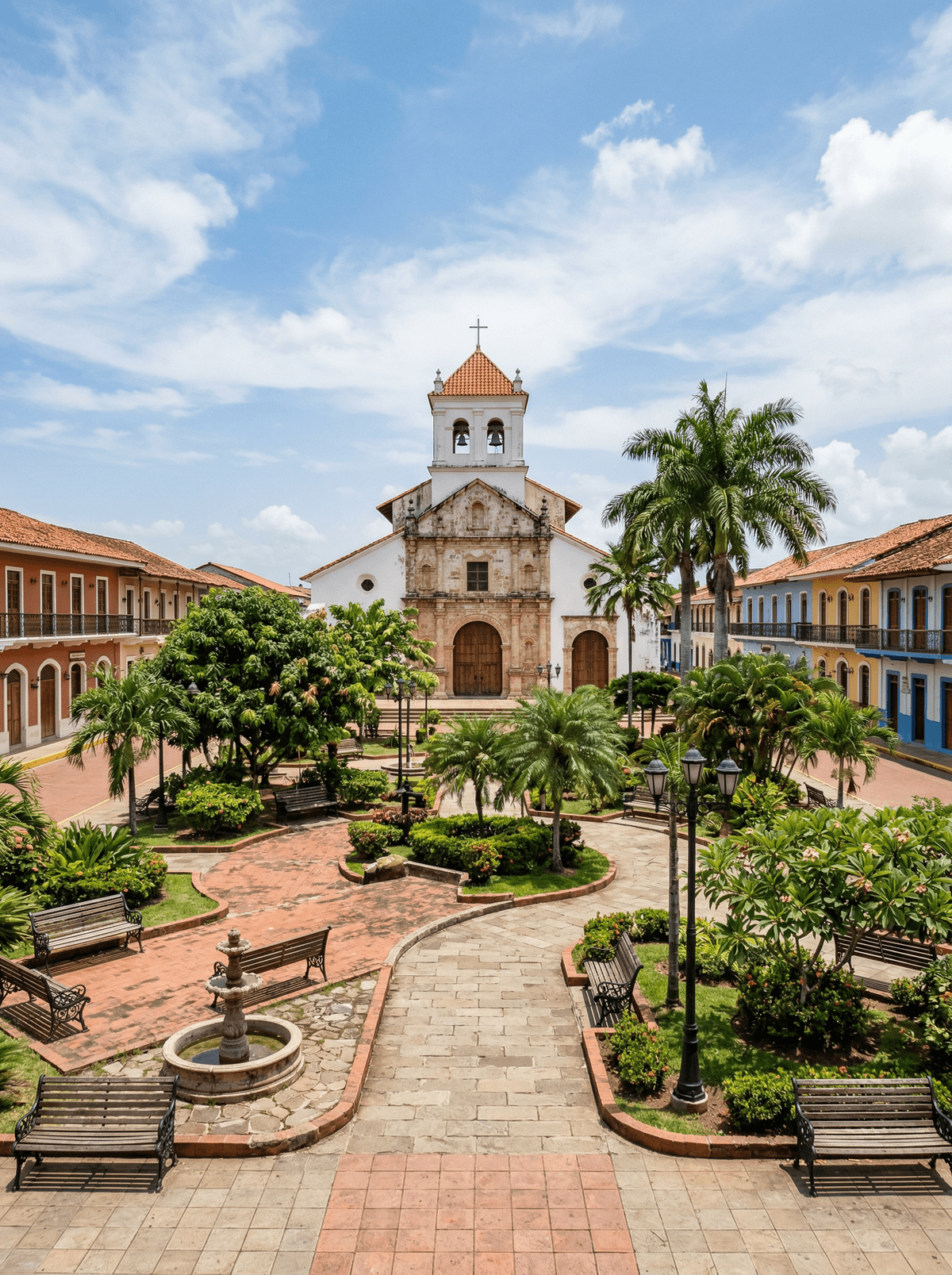
The first soaking arrives by mid-morning and you understand at once: Las Tablas does not observe Carnival, it wages it. Calle Arriba and Calle Abajo split this Azuero town down the middle, each street with its own queen, its own murga, its own answer to everything the other does.
The rivalry between the two streets carries more than two centuries of history, and the four days before Ash Wednesday are its annual campaign: daytime culecos drenching the crowds, night parades, duelling tonadas, and finally the Topón, when the tunas advance from opposite ends of town, Calle Abajo through Punta Fogón and Calle Arriba down Bolívar Street, to meet face to face in a blaze of music, gala polleras and fireworks. Tableños insist the feud is love in costume, a healthy rivalry handed down as cultural inheritance. The town earns its finery honestly: this district hand-sews the pollera, Panama's national dress, and outside Carnival the rhythm turns to slow Azuero afternoons and the Santa Librada pilgrimage that has drawn the region's faithful for over three centuries.
Friends
Pick a street, get drenched together at the culecos, and hold your side's corner until the Topón settles nothing at maximum volume.
Solo
The town absorbs solo visitors into whichever street claims them first; this is a small town's Carnival, intimate enough to earn a place in.
Couple
Choose an allegiance together, dance the plaza at midnight, and walk away with a Carnival story that belongs to nobody else.
Family
Daytime parades, queens in polleras and festival snacks suit children; the densest night crowds can simply be skipped.
- The Calle Arriba and Calle Abajo rivalry carries more than two centuries of history, and the whole town takes a side.
- The four days before Ash Wednesday end in the Topón, the streets advancing from opposite ends to meet face to face in music and fireworks.
- Queens parade in gala polleras, and this district hand-sews the pollera, Panama's national dress.
- Beyond Carnival, the Santa Librada pilgrimage has drawn the Azuero's faithful for over three centuries.
Sancocho de gallina done the tableño way: ñame, yuca, otoe and a heavy hand of culantro.
Pastelitos of new corn, called torrejitas or buñuelos here, are the town's own festival snack.
Oudtshoorn
South Africa
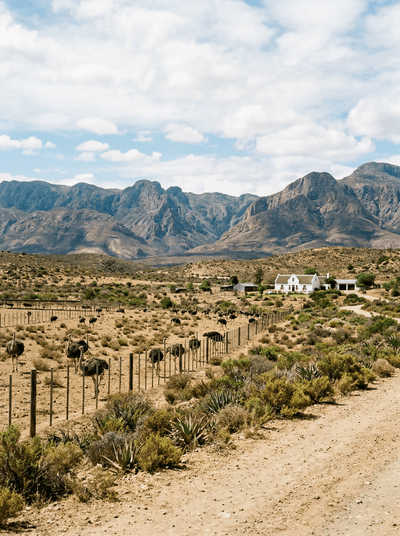
Ostrich-feather palaces line the streets while Cango Caves drip in cathedral silence.
Liverpool
England
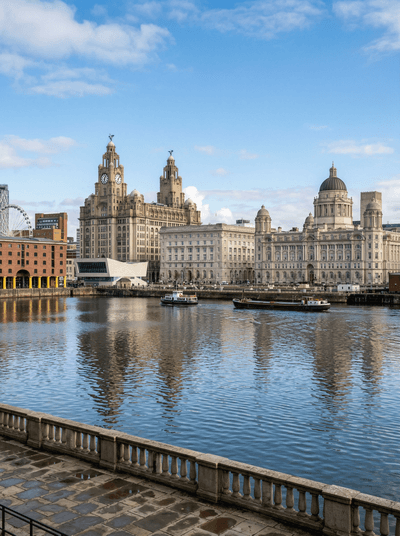
Dock warehouses turned galleries where the Beatles' echo never quite fades.
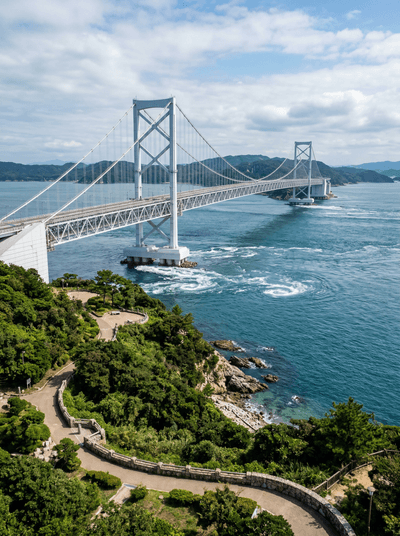
Tokushima
Japan
An entire city dancing through the streets for four August nights, feet pounding together.
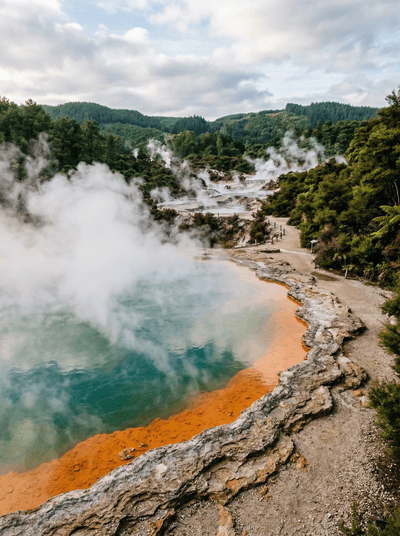
Rotorua
New Zealand
A city built on geothermal fury, where steam rises through suburban streets.
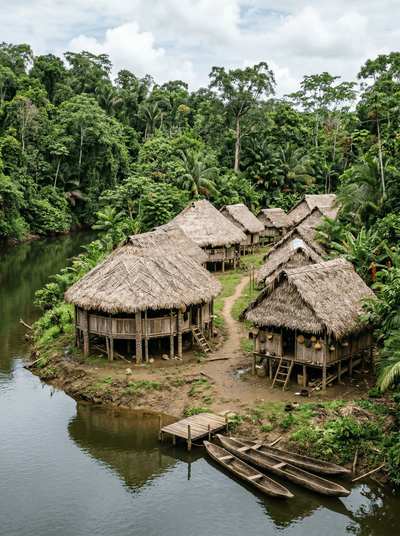
Emberá Communities of the Chagres
Panama
Upriver by dugout canoe to a village where tattoos are drawn from a rainforest fruit.
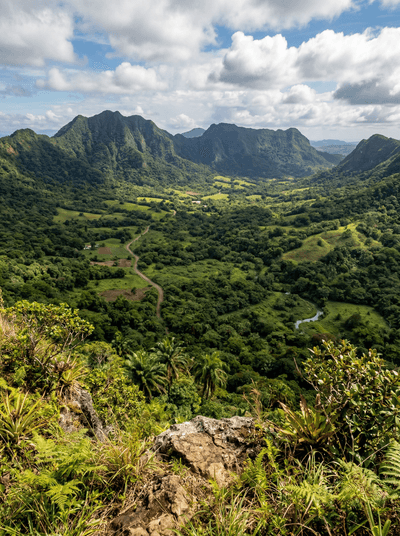
El Valle de Antón
Panama
A whole town spreads across the floor of an extinct volcano's crater.
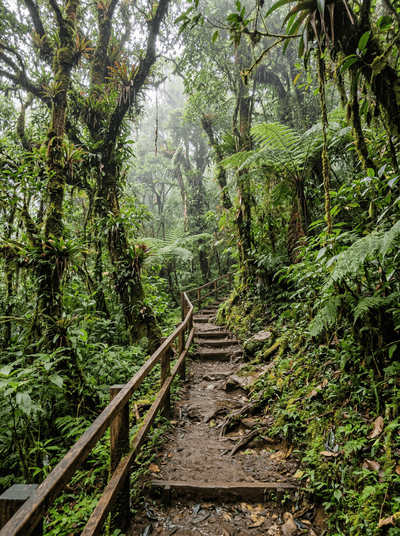
Sendero Los Quetzales
Panama
A cloud forest trail between two highland towns where resplendent quetzals flash through the mist.
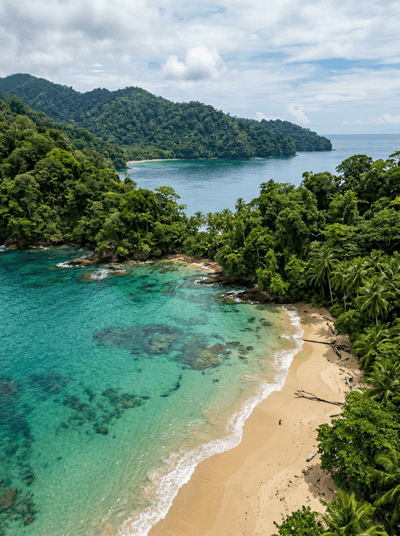
Isla Coiba
Panama
Fishing was banned to stop prisoners escaping; the reef has been thriving ever since.