Brazil
Chapada das Mesas
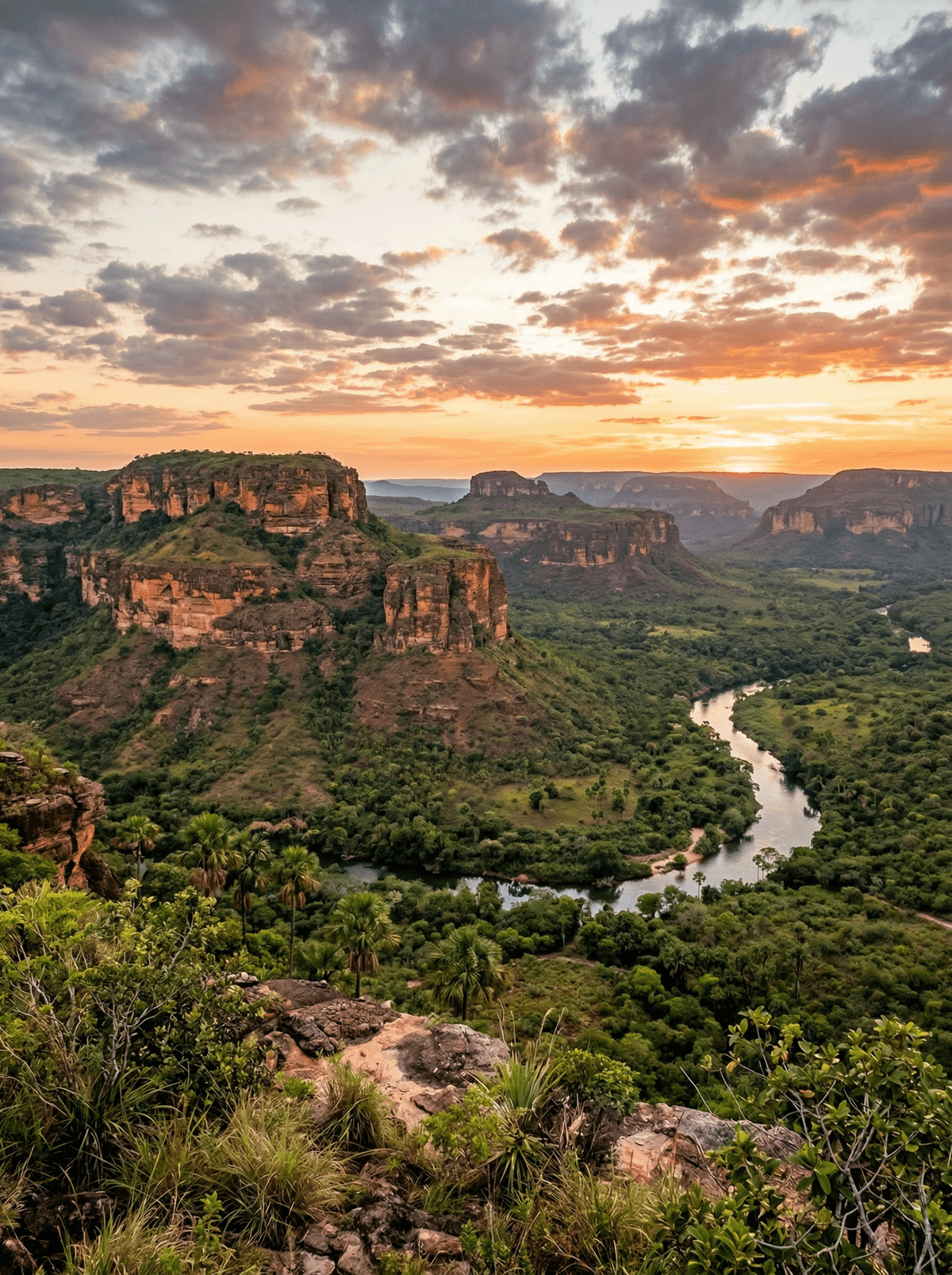
Mesas to the horizon, and a seventy-metre fall past a rock they read as the saint.
They come up on the horizon flat-topped and sheer-sided, one after another, and they are still being made: the wind and the rain are working on them now. The Parque Nacional da Chapada das Mesas covers 159,953 hectares of southern Maranhão on the Tocantins, and Carolina, on its edge, is one of the ways in. Four days is the minimum the tourism ministry suggests for it.
The waterfalls are the reason people come, and each one earns its own day. São Romão carries more water than any other fall in Maranhão, Santa Bárbara drops more than seventy metres past a rock formation people read as the saint herself, and the Santuário runs fifty. Swimming happens at the Poço Azul, sunsets at the Portal da Chapada, and rock paintings run along the walls at the Morro das Figuras. Because the park is large and the ground is what it is, the ministry's line is that visits go with a specialised agency and a guide. The unit's threatened-species list at ICMBio repays reading before you walk it: giant anteater, puma, oncilla, margay, the bare-faced curassow and the crowned solitary eagle.
Solo
The Torre da Lua at Carolina gives the whole thing at once, the tables running away across the horizon, and a drive gets you to it. Everything after that is agency work: rappel, canyoning down through the water, and the walk in to the Morro das Figuras to see the paintings on the wall. Roads in are the BR-010 and the BR-230, from Estreito, Riachão, Carolina or Imperatriz.
Friends
Split the four days by water. One for São Romão, which moves more water than any other fall in the state, one for Santa Bárbara and its seventy-metre drop, one for the Poço Azul and the swimming, and hold an evening back for the Portal da Chapada at sunset. On the trails between them there are monkeys, macaws, owls and, in the rivers, anacondas.
- The national park protects 159,953 hectares of cerrado in southern Maranhão, created by federal decree on 12 December 2005, with its office in Carolina.
- The Cachoeira de São Romão carries more water than any other waterfall in Maranhão, and the Cachoeira de Santa Bárbara drops more than seventy metres.
- Rappel and canyoning run in the water here, and the walls at the Morro das Figuras carry rock paintings.
- Six threatened species are listed as protected in the unit, among them the giant anteater, the crowned solitary eagle and the bare-faced curassow.
River fish out of the Tocantins with fried macaxeira beside it is what Carolina puts in front of you between one waterfall day and the next.
The sweet shops are the other half of the town: doces caseiros made from orange, jackfruit, buriti and banana, and the Mocotozin doing sertaneja cooking with a wider hand.
Ulleungdo
South Korea
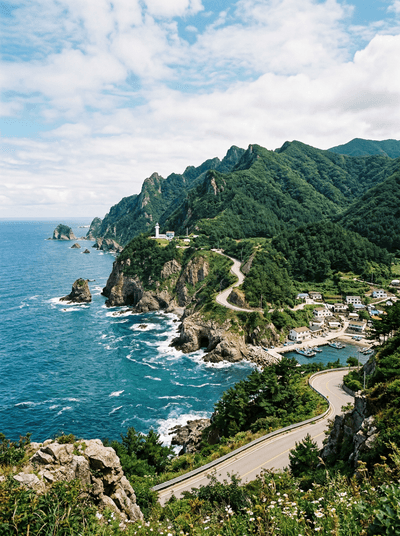
Squid-boat lights burn at night around an island that is nearly all cliff.
Assynt
Scotland
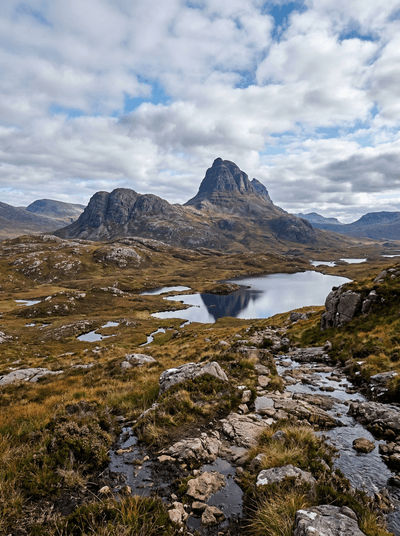
Solitary mountains erupt from a moonscape of lochs and bog like cathedrals without congregations.
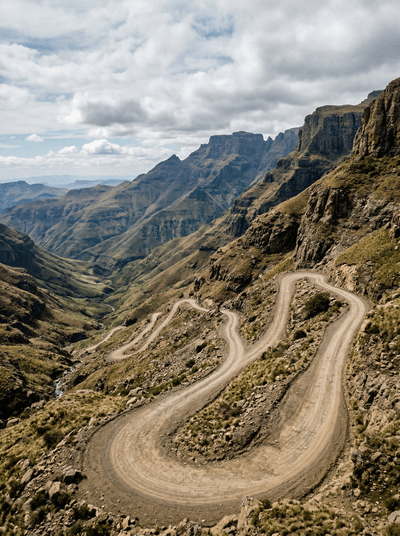
Sani Pass
South Africa
A switchback road climbs from green foothills to a high border above the clouds.
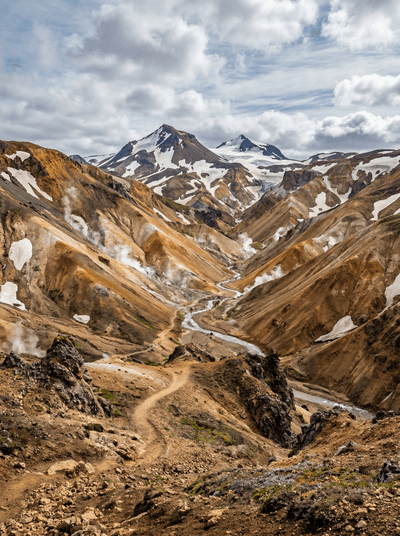
Kerlingarfjöll
Iceland
Steaming orange rhyolite mountains and hissing vents in a high-altitude geothermal desert.
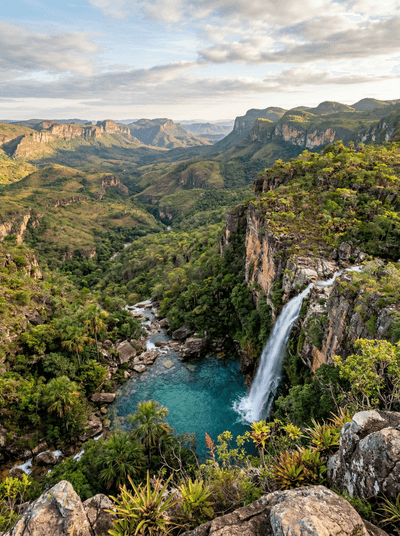
Chapada dos Veadeiros
Brazil
One trail crosses rock older than Pangaea, through abandoned crystal diggings, to a 120-metre fall.
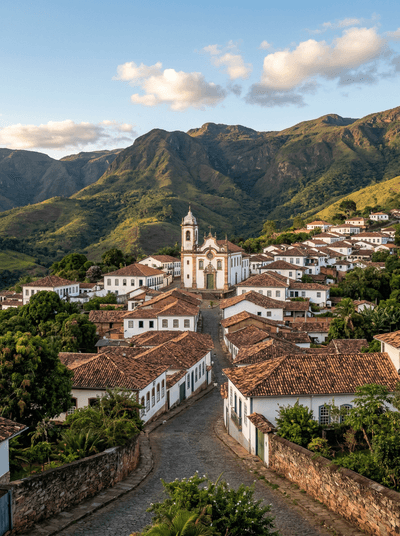
Conceição do Mato Dentro
Brazil
Three hundred and fifty-six springs rise in one park; the waterfalls below are what they become.
Serra do Cipó
Brazil
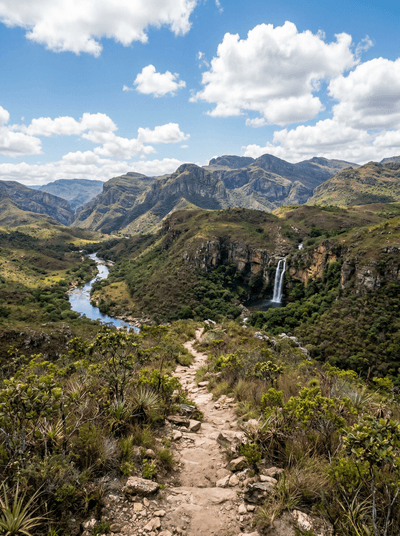
Stone meadows of flowers that hold their shape long after they dry, along a quartzite spine.
Bananal Island
Brazil
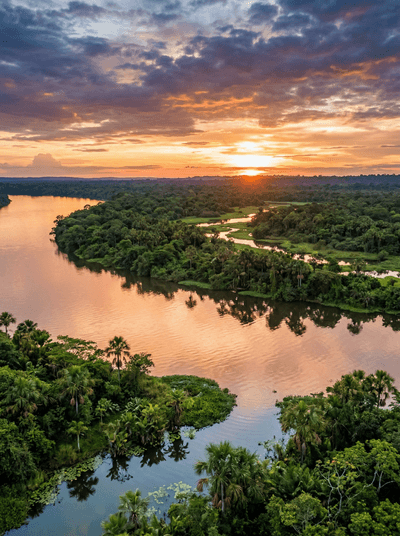
The world's largest river island spends much of the year under the water that made it.