Turkey
İznik
The lake town where Christianity's creed was born and Ottoman tile-making reached its zenith.
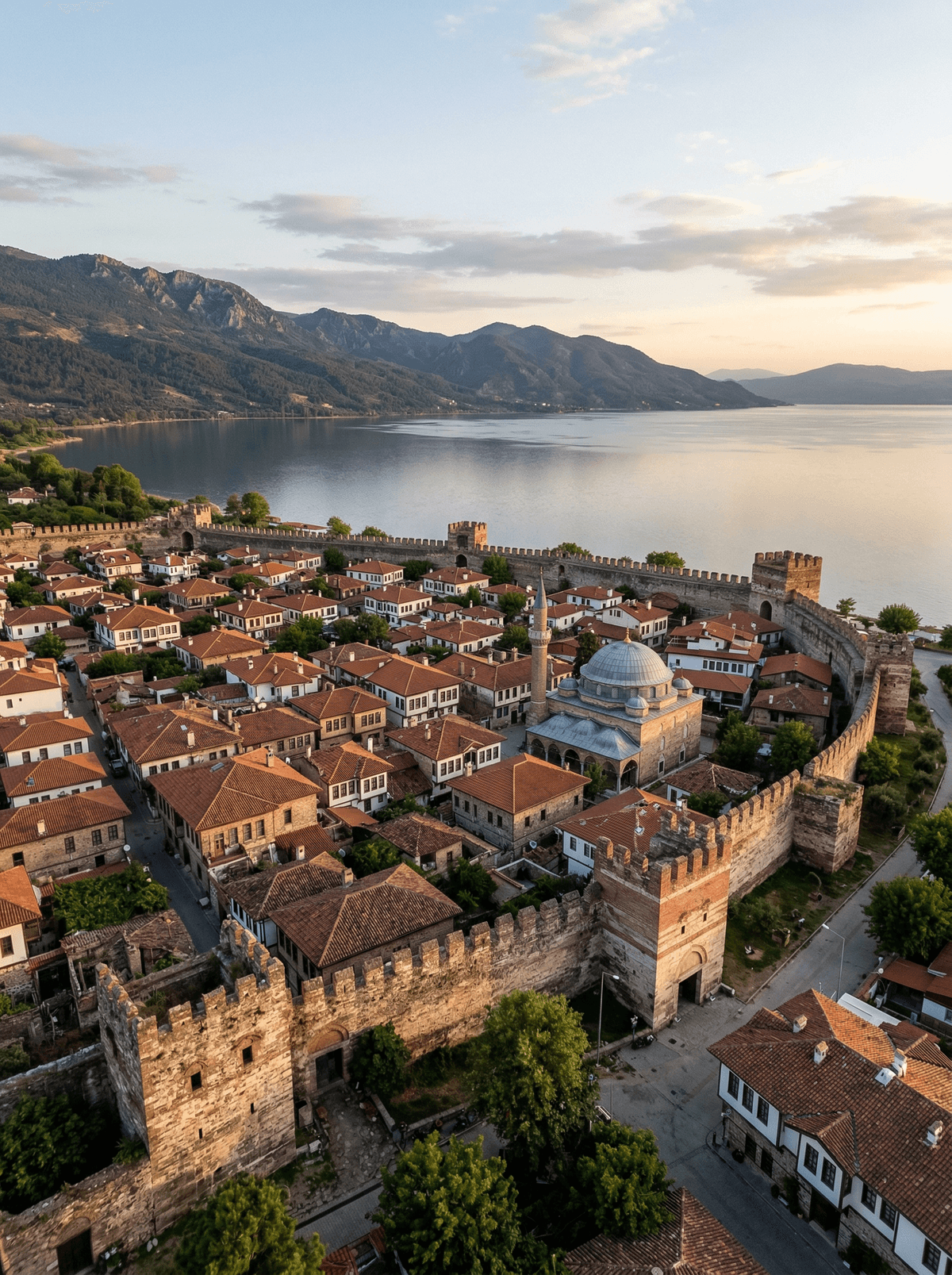
The Roman walls still encircle the town, and through one of the four ancient gates you can see İznik Lake stretching toward the mountains. Inside these walls, in 325 CE, bishops from across the Christian world gathered and produced the creed that would define their faith for seventeen centuries. The tiles that later made İznik famous, cobalt blue, coral red, emerald green, are still painted in workshops minutes on foot from the Hagia Sophia.
İznik, ancient Nicaea, hosted two of Christianity's most consequential gatherings: the First Council of Nicaea in 325 CE, which produced the original Nicene Creed, and the Seventh Ecumenical Council in 787. The town's tiles, made from the 15th to 17th centuries, are considered the finest ceramics in Ottoman art, their colours lining the Sultanahmet Mosque and Topkapı Palace. The town keeps its Roman walls, its own Hagia Sophia, and the lake, Turkey's fifth-largest, whose catfish end up on the waterfront grills.
Solo
İznik is two world-changing stories in one small town: the creed that defined Christianity and the tiles that defined Ottoman art. Walk the walls, visit the Hagia Sophia, and let the layers accumulate.
Couple
A day trip from Istanbul or Bursa that feels disproportionately rich: lakeside lunch, tile workshops, the Hagia Sophia's quiet nave.
Family
Tile-painting workshops offer hands-on engagement for children, and the lakeside setting provides a natural break between the historical layers.
- The First Council of Nicaea in 325 CE produced the original Nicene Creed, foundational Christian doctrine.
- İznik tiles, made from the 15th to 17th centuries, are considered the finest ceramics in Ottoman art.
- The Hagia Sophia of İznik hosted the Seventh Ecumenical Council in 787.
- İznik Lake, Turkey's fifth-largest, is visible from the Roman walls that still ring the town.
Lake catfish two ways: floured and pan-fried golden, or marinated and grilled as catfish şiş.
Gemlik olives and İznik olive oil, the lake basin's real harvest, on every breakfast table.
Suva
Fiji
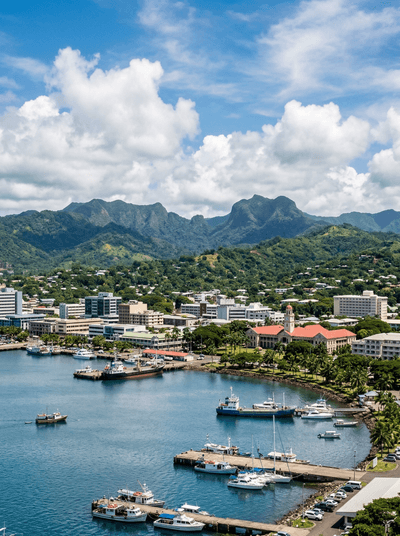
South Pacific hustle where Hindu temples share streets with Fijian markets and colonial verandahs.
Levuka
Fiji
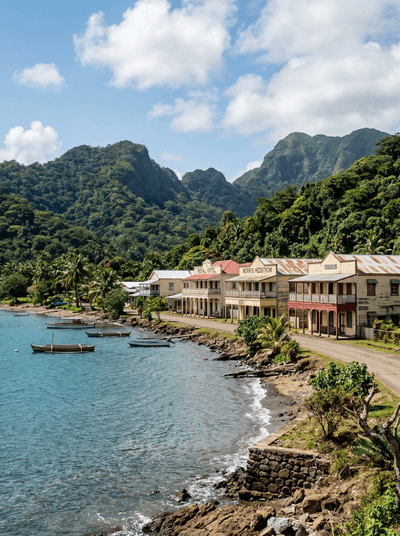
Fiji's first colonial capital frozen in the 1870s, wooden shopfronts sagging under tropical rain.
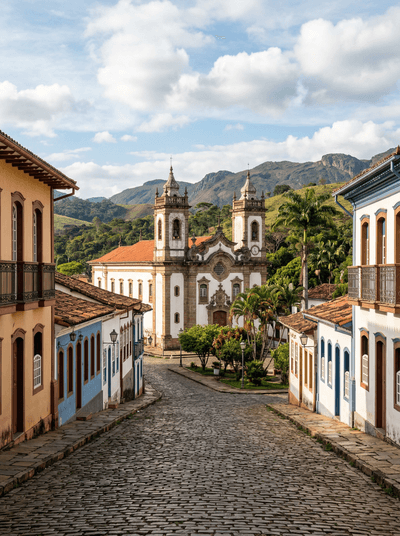
São João del-Rei
Brazil
Baroque towers answering each other across a valley, ringing the sex of whoever has just died.
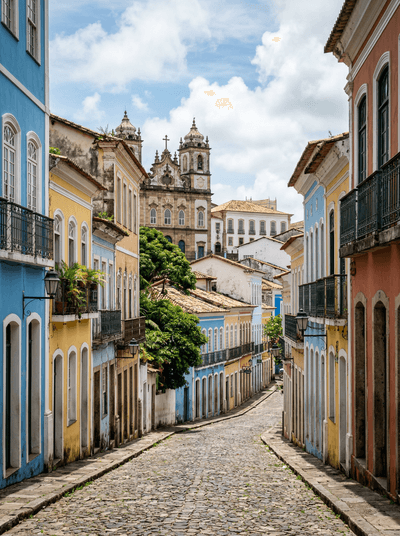
Salvador
Brazil
Drum rhythms ricocheting off colonial walls where song, dance and combat happen at once.
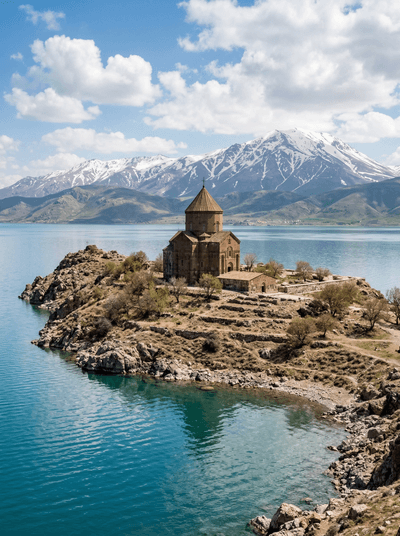
Akdamar Island
Turkey
A tenth-century Armenian church carved with biblical scenes floats alone on an island in Lake Van.
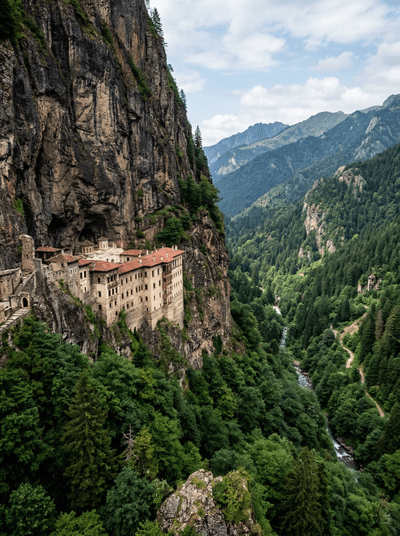
Sumela Monastery
Turkey
A monastery clinging to a cliff 300 metres above a misty Black Sea valley.
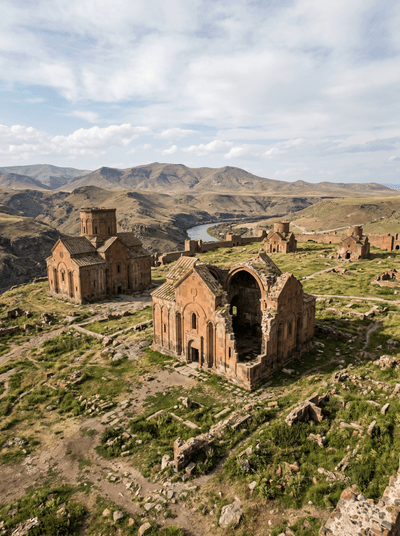
Ani
Turkey
A ghost city of 100,000 souls on the Armenian border, churches crumbling into wildflower meadows.
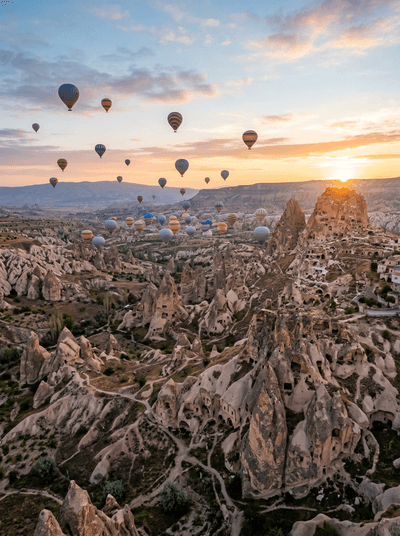
Cappadocia
Turkey
More than a hundred balloons rise at dawn through a forest of stone pillars.