Scotland
Jarlshof
Four millennia of homes stacked on one headland — Bronze Age to Viking, layer upon layer.
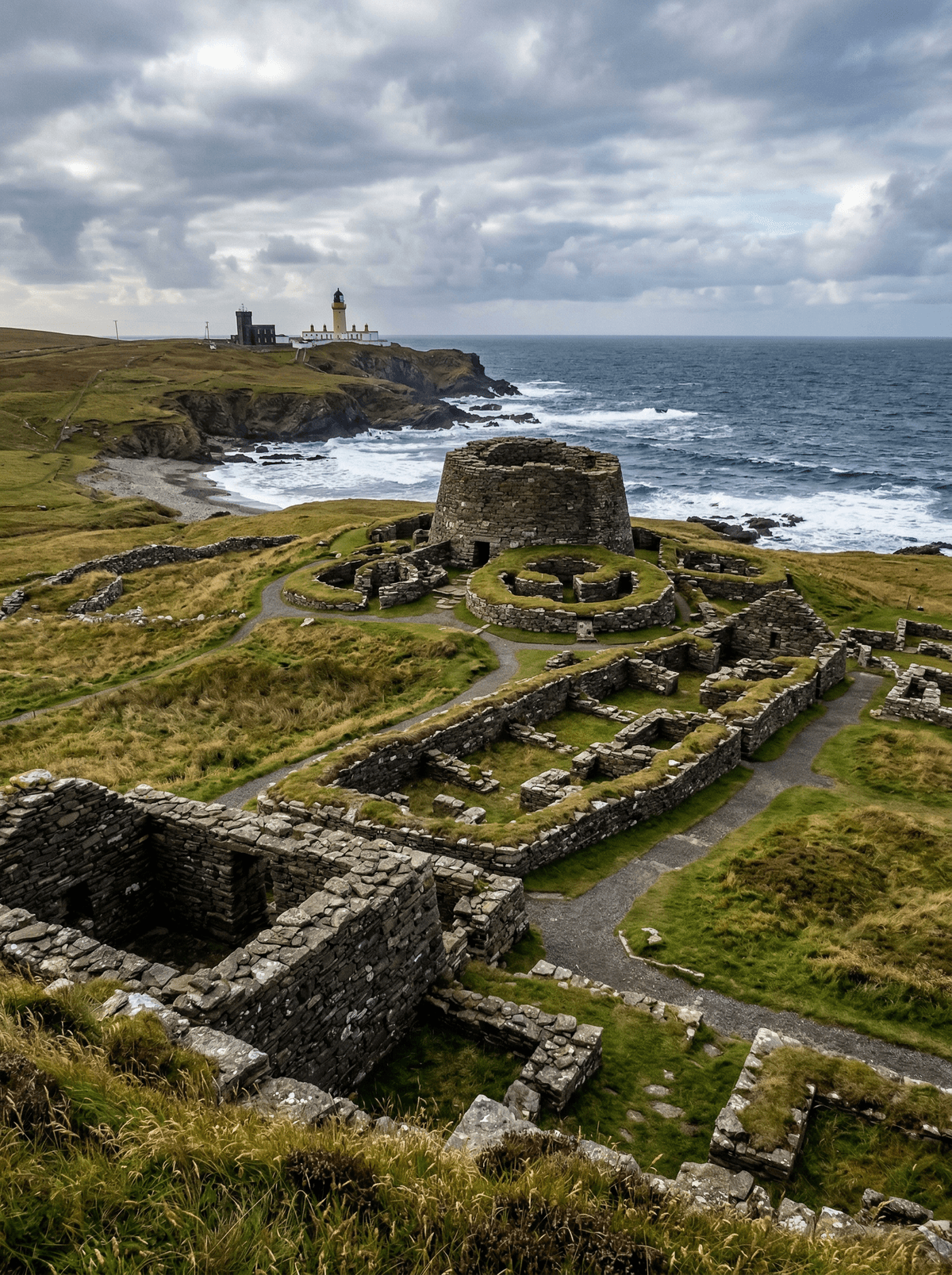
Four thousand years of homes layered on a single headland — Bronze Age smithies beneath Pictish wheelhouses beneath Viking longhouses beneath a medieval farmstead, all exposed when a storm in the 1890s stripped away the concealing sand in one violent night.
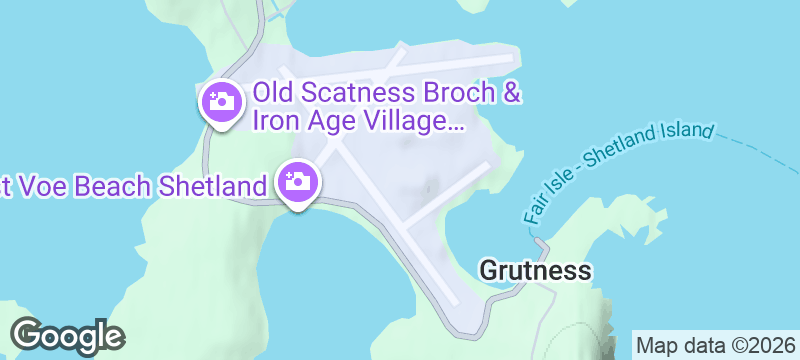
Jarlshof on Shetland's southern tip ranks with the most remarkable archaeological sites in Europe, its periods of habitation stacked vertically on a coastal headland. The late-nineteenth-century storm removed sand that had buried the site for centuries, revealing structures spanning from the late Neolithic to the sixteenth century: Bronze Age oval houses, an Iron Age broch fragment, Pictish wheelhouses, Viking longhouses and a medieval farmstead, all within fifty metres of one another — a walk of a few steps per millennium. Walter Scott invented the name 'Jarlshof' for his novel The Pirate; the real name was lost centuries ago. Sumburgh Head next door adds a lighthouse and cliffs where puffins nest in season — archaeology and seabirds sharing one end of an island.
Solo
Walking through four thousand years of homes alone, each period a few steps from the last, makes time feel tangible as no museum can.
Couple
Layered history, a coastal setting and the storm-reveal story make a visit of genuine shared wonder — with Sumburgh Head's puffins as the encore.
- Four thousand years of habitation stack on one headland, Bronze Age to Norse.
- A single 1890s storm stripped the sand and revealed the whole settlement.
- Viking longhouses, Pictish wheelhouses and Bronze Age smithies share fifty metres.
- Walter Scott invented the name — the real one was lost centuries ago.
Shetland lamb, sweet from heather grazing, and fish landed at the island's feet.
Shetland bannocks and reestit mutton — wind-dried lamb the Norse would recognise.
Izumo
Japan
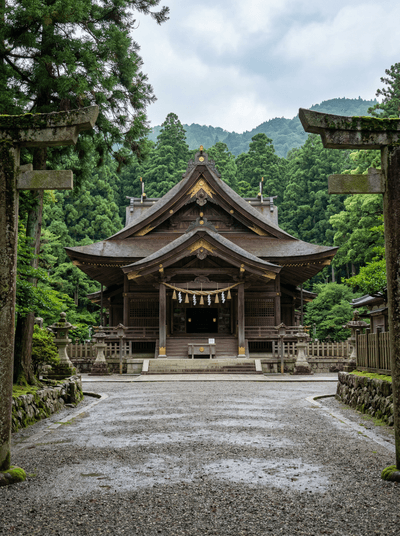
The shrine where Japan's eight million gods are said to gather, leaving everywhere else godless.
Mitla
Mexico
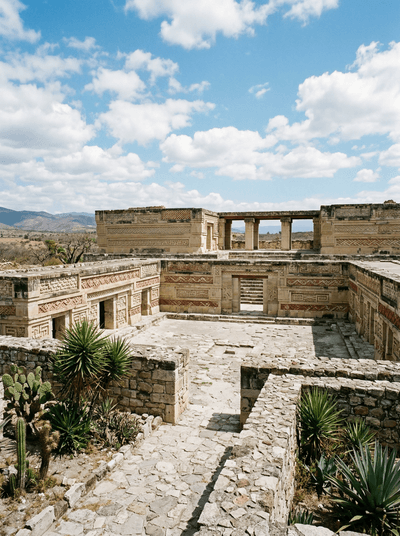
Zapotec mosaic walls assembled from thousands of hand-cut stones stand without mortar after a millennium.
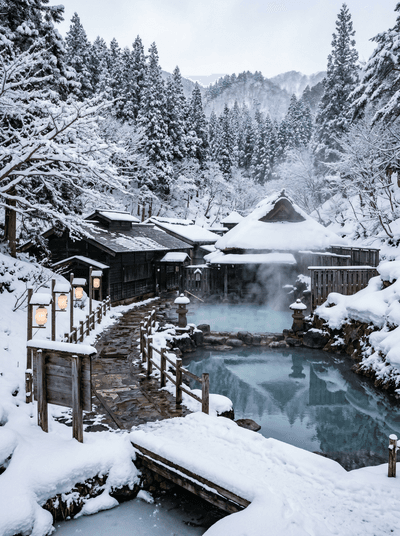
Akita
Japan
Bamboo poles hung with dozens of lanterns, balanced on a palm, a forehead, a hip.

Uch Sharif
Pakistan
Half-fallen blue-tiled Sufi tombs leaning over the Indus plain, exquisite in their surrender.
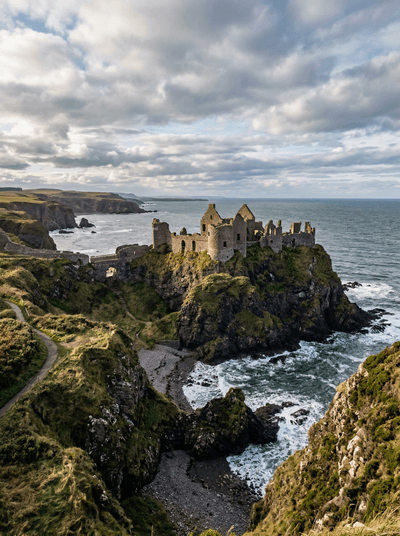
Dunnottar Castle
Scotland
A clifftop fortress crumbling into the North Sea, where Scotland's crown jewels hid from Cromwell.
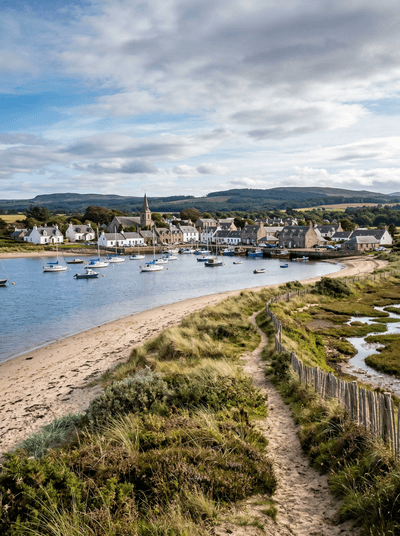
Findhorn
Scotland
Sand dunes hiding an ecovillage where forty-pound cabbages once grew from barren soil.
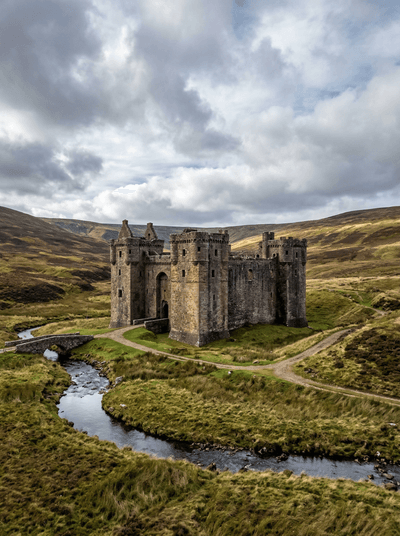
Hermitage Castle
Scotland
The most sinister castle in Scotland squats alone on moorland that remembers its cruelty.
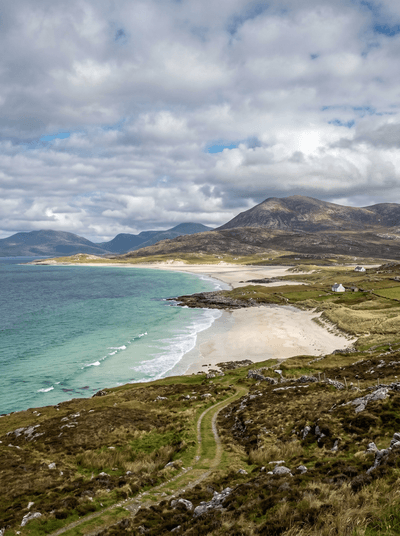
Isle of Lewis
Scotland
Standing stones older than Stonehenge, arranged in a cross nobody can explain, facing the sea.