Mexico
Mitla
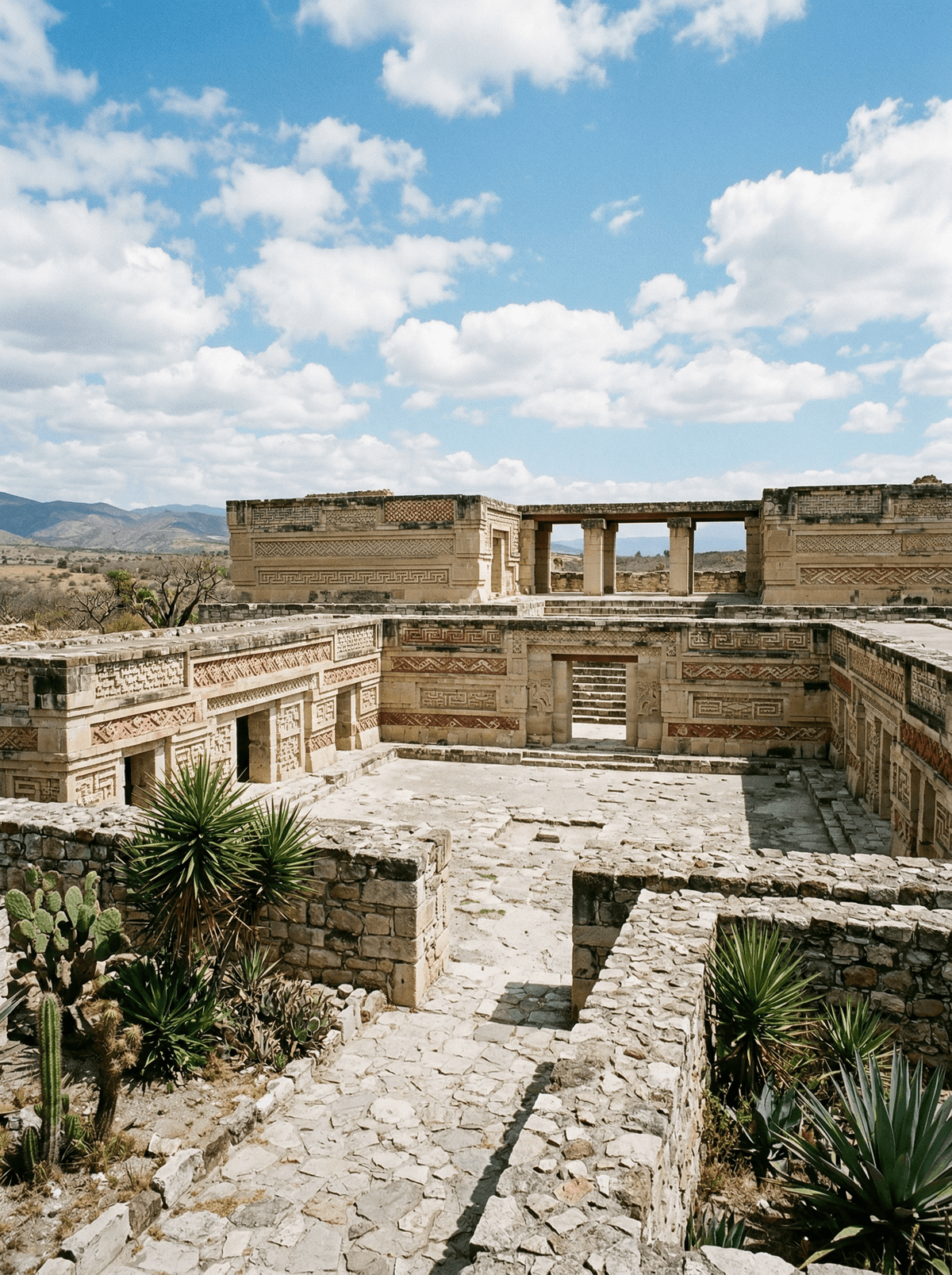
Zapotec mosaic walls assembled from thousands of hand-cut stones stand without mortar after a millennium.
The walls hold no pictures, only geometry: thousands of small cut stones fitted into stepped frets that run like woven cloth in stone. Nothing sticks them together but precision.
Mitla's geometric mosaics were assembled from hand-cut stone pieces without mortar, and they have held for around a thousand years. The Zapotec knew it as a place of the dead, the valley's most important burial site, and a colonial church was later built directly on the temple platform, stacking one world on the other. On Sundays the town plaza fills with music and food stalls, and the mezcal country of the Mitla road begins just beyond.
Solo
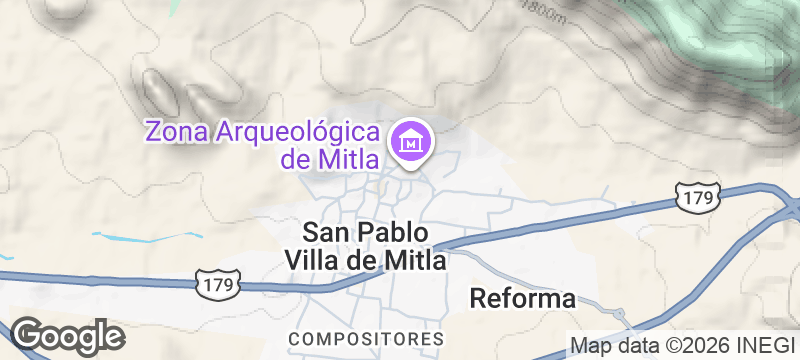
Read the fret walls up close, then follow the mezcal road towards Matatlán.
Couple
Pair the mosaics with a Sunday plaza afternoon of music and food stalls.
- The geometric mosaic walls were assembled from thousands of hand-cut stones without mortar.
- The Zapotec knew Mitla as a place of the dead, the valley's most important burial site.
- A colonial church was built directly on the Zapotec temple platform, stacking one era on another.
Doña Chica on Calle Morelos plates a mole coloradito that diners single out.
Santiago Matatlán up the road calls itself the world capital of mezcal, its family palenques firing stone ovens.
Rosslyn Chapel
Scotland
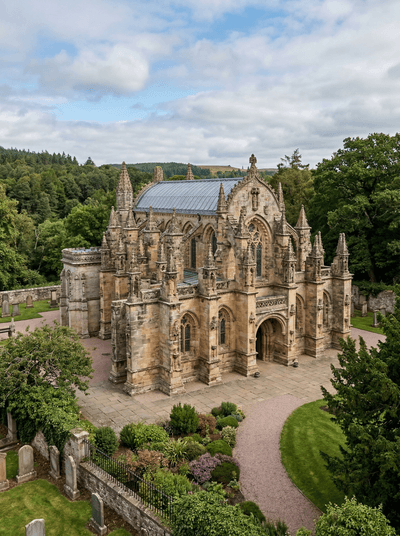
Stone carvings so obsessively detailed the chapel has kept its masons' secrets for six centuries.
Akita
Japan
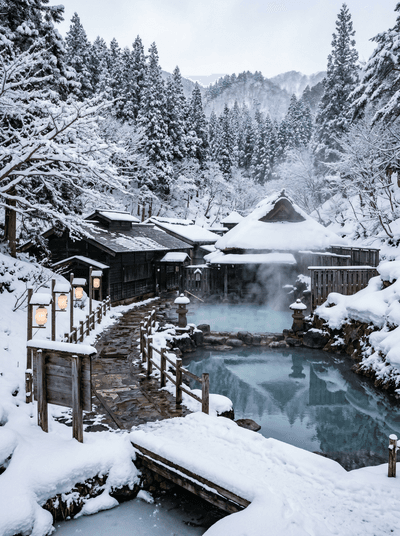
Bamboo poles hung with dozens of lanterns, balanced on a palm, a forehead, a hip.
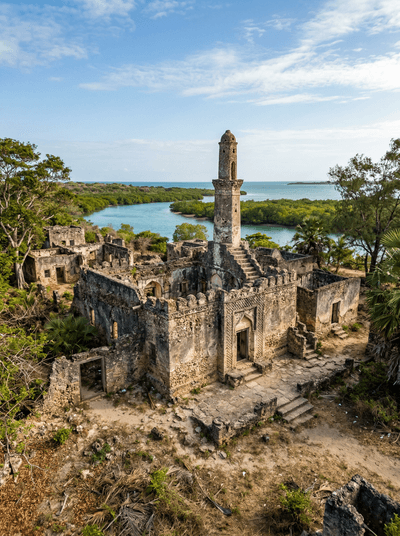
Takwa Ruins
Kenya
A Swahili ghost town in Manda Island's mangroves — its mosque still oriented toward Mecca.
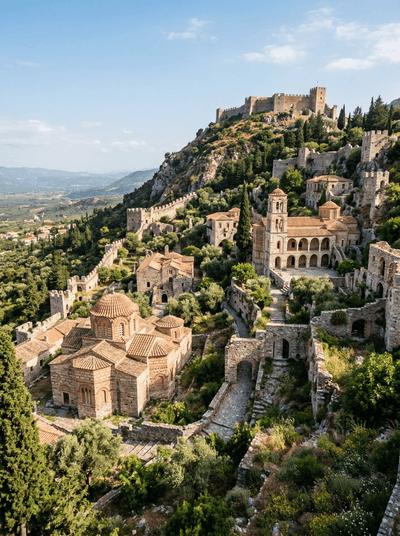
Mystras
Greece
A Byzantine ghost city of frescoed churches crumbling down a hillside above the Spartan plain.
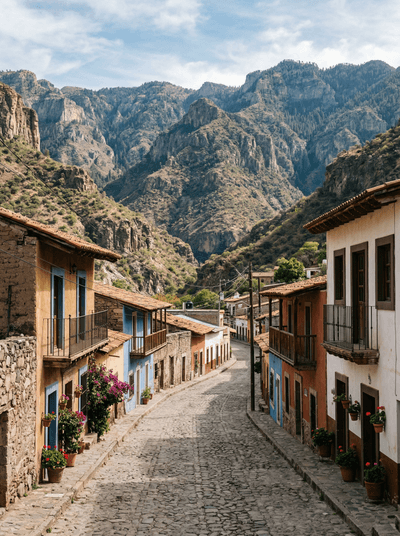
Batopilas
Mexico
A plunging canyon road ends among palms, aqueducts and silver-era stonework.
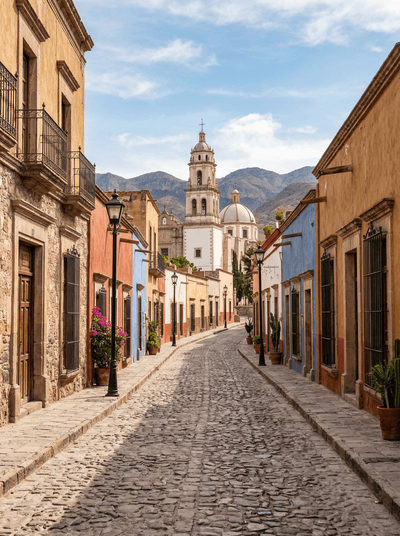
Parras de la Fuente
Mexico
Desert vineyards around a spring-fed oasis have produced wine since 1597.
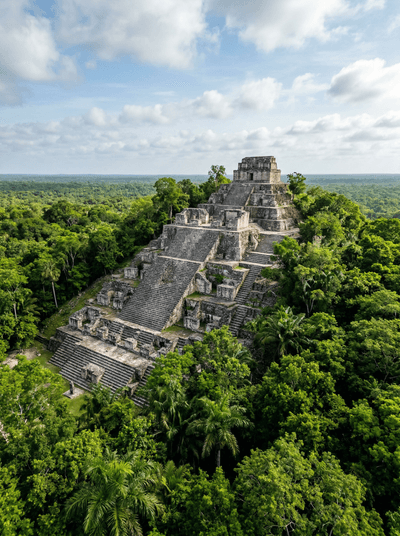
Calakmul
Mexico
A Maya capital's towers still stand above an unbroken sea of forest.
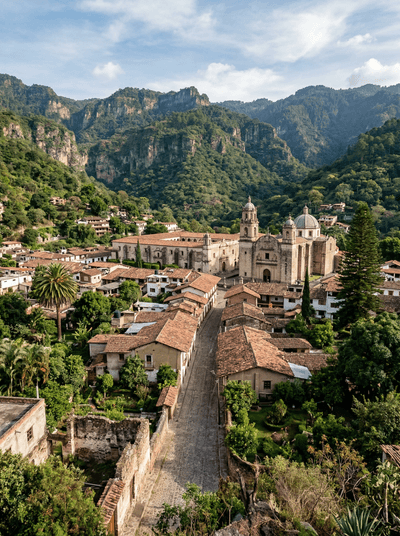
Malinalco
Mexico
An Aztec temple carved directly from a living mountaintop, eagle warriors etched into the rock floor.