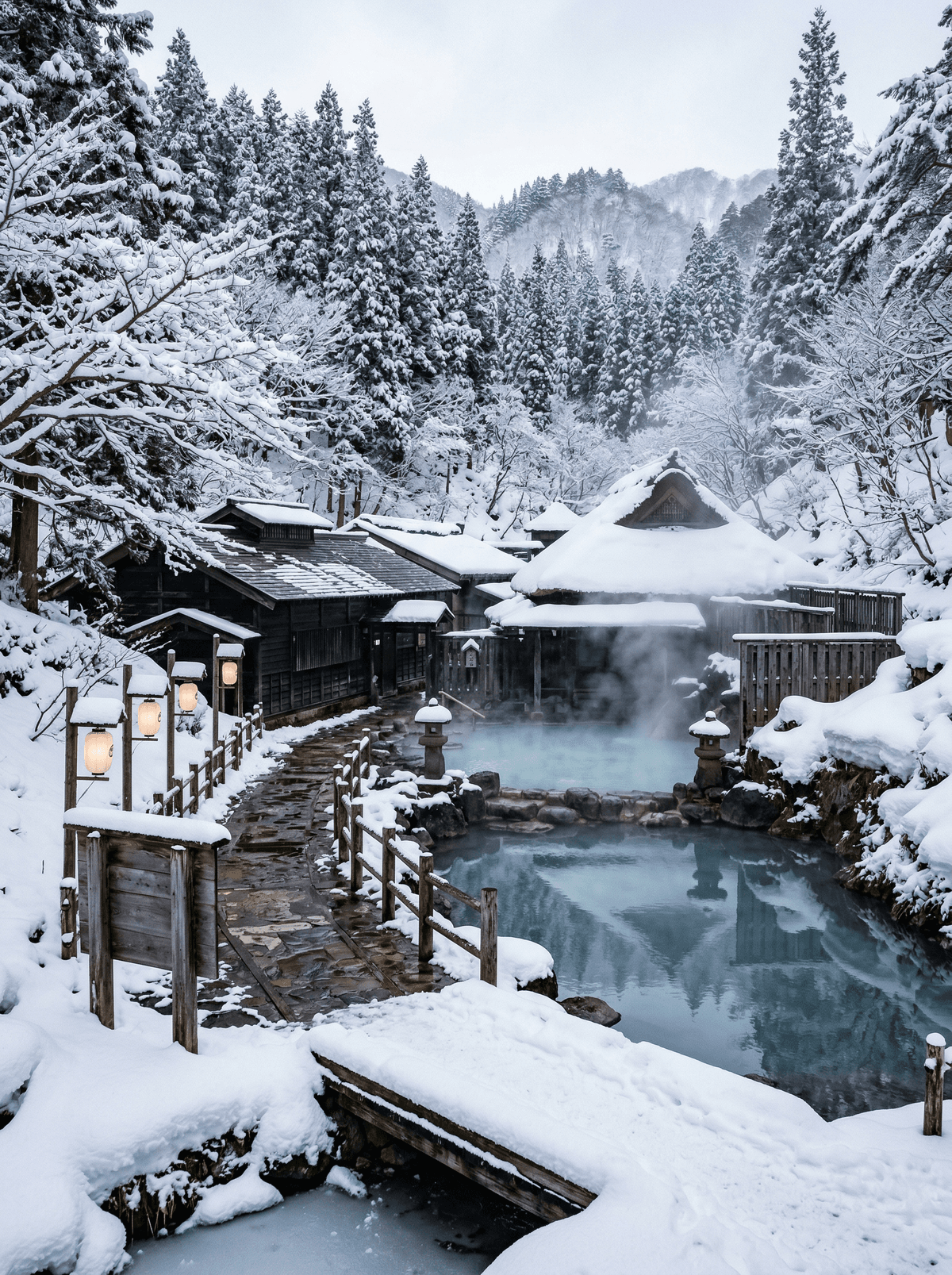
Japan
Akita
Bamboo poles hung with dozens of lanterns, balanced on a palm, a forehead, a hip.
The lanterns sway ten metres up. Every August, Akita's Kantō Festival sends long bamboo poles hung with dozens of paper lanterns down the main street, each one balanced by a single performer on a palm, a forehead, a shoulder, a hip, to drums and flutes and the crowd's roar. Akita, on Honshū's northern Sea of Japan coast, is a city where festivals are not staged for tourists but rituals the community would perform whether or not anyone watched.
The Kantō poles are the city's own, but Akita also opens onto a prefecture of strange traditions: an hour away on the Oga Peninsula, the straw-caped Namahage demons still burst into houses on New Year's Eve demanding to know who has been lazy, and the peninsula's museum will introduce you to them in any other month. In the city itself, Senshū Park holds the remains of Kubota Castle, and the Folk Traditions Hall lets you try to balance a Kantō pole yourself. The food is northern and warming: kiritanpo, pounded rice grilled on cedar sticks and simmered in a chicken hotpot, and Inaniwa udon, thin, silky hand-stretched noodles made in the prefecture since the early Edo period.
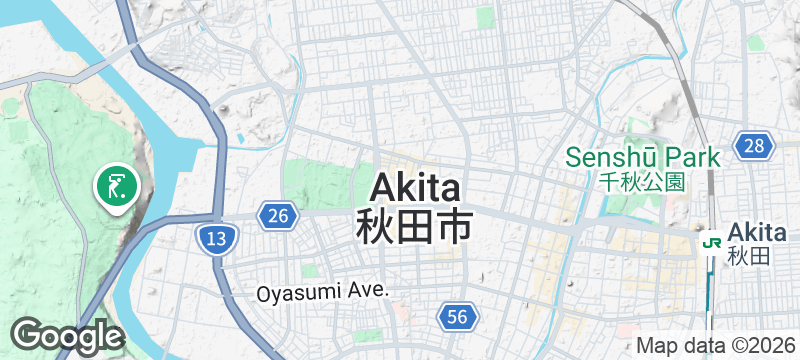
Solo
Senshū Park and the folk hall on foot in the morning, a kiritanpo hotpot at a counter in the evening — Akita rewards the unhurried single visitor, with Oga's demons an easy day away.
Couple
The lantern festival in August, a bowl of kiritanpo on a cold night, and a day trip to the Namahage peninsula — Akita is seasonal and strange in the best way.
- The Kantō Festival in early August balances bamboo poles hung with dozens of lanterns on performers' palms, foreheads and hips.
- An hour away on the Oga Peninsula, straw-caped Namahage demons storm houses on New Year's Eve — and a museum introduces them year-round.
- Kiritanpo hotpot — pounded rice grilled on cedar sticks and simmered with chicken and burdock — is the city's winter dish.
- Inaniwa udon, thin and silky, has been hand-stretched in the prefecture since the early Edo period.
Kiritanpo — rice sticks grilled over charcoal and dropped into a hinai chicken hotpot with burdock and mushrooms.
Inaniwa udon, silky, flat, hand-stretched noodles — Akita's quiet pride, served chilled with a dipping sauce.
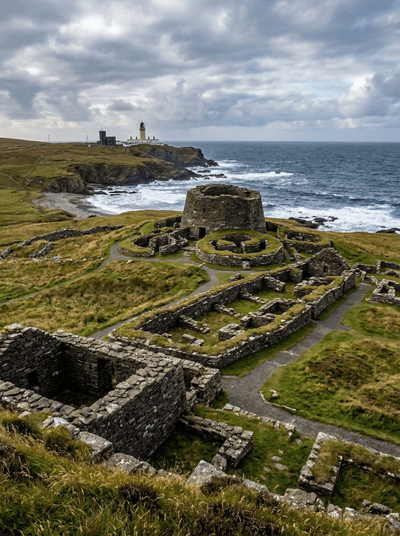
Jarlshof
Scotland
Four millennia of homes stacked on one headland — Bronze Age to Viking, layer upon layer.
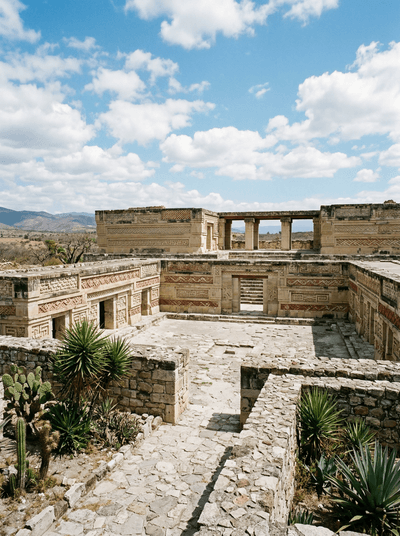
Mitla
Mexico
Zapotec mosaic walls assembled from thousands of hand-cut stones stand without mortar after a millennium.
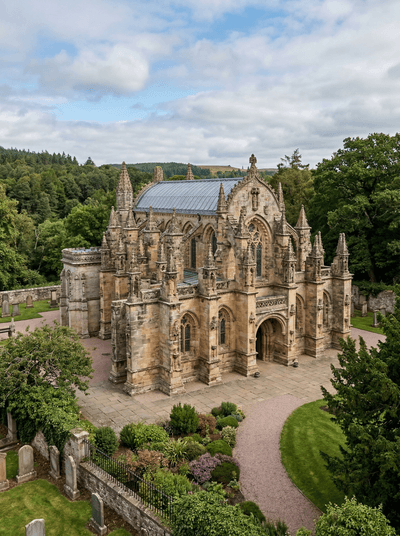
Rosslyn Chapel
Scotland
Stone carvings so obsessively detailed the chapel has kept its masons' secrets for six centuries.
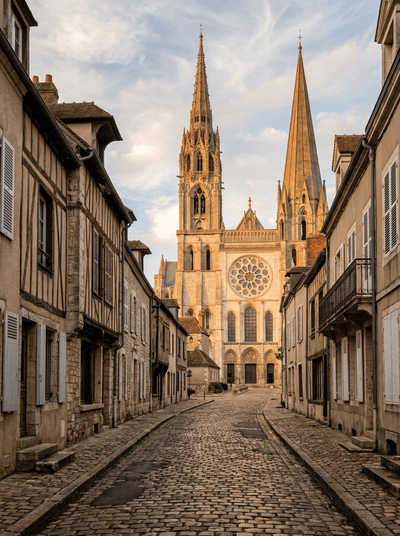
Chartres
France
Light through medieval glass so vivid the blue was named after the cathedral itself.
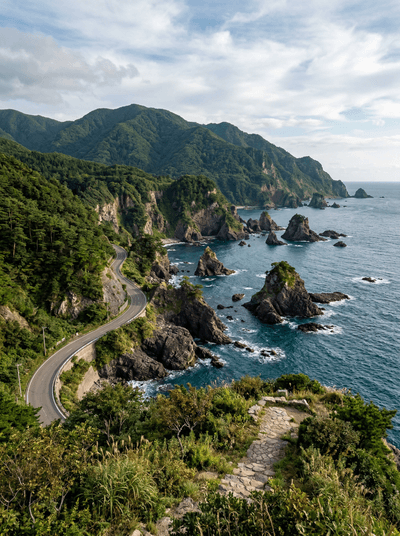
Sado Island
Japan
An exile island where gold miners, taiko drummers and crested ibis coexist in the fog.
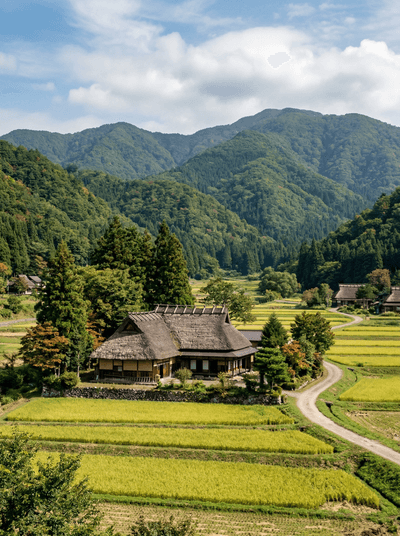
Tono
Japan
A folklore valley where kappa haunt the ponds and every farmhouse once stabled a horse.
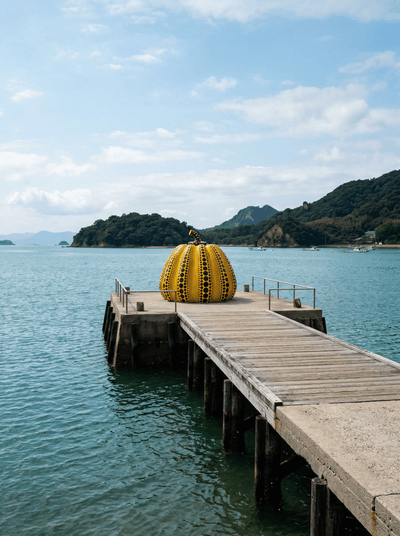
Naoshima
Japan
A fishing island where pumpkins glow yellow and museums burrow underground.
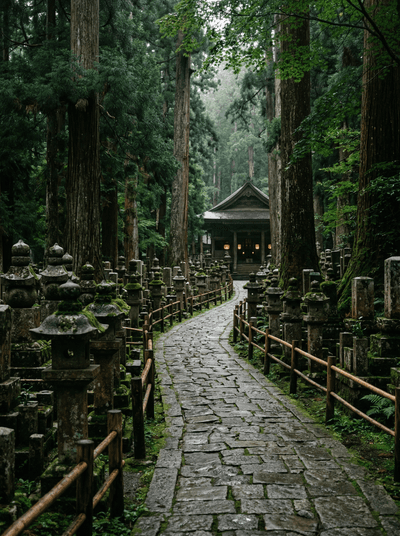
Koyasan
Japan
Lanterns guiding pilgrims through two hundred thousand graves beneath centuries-old cedars.