Brazil
Jericoacoara
In July the sun sets exactly through the cleft in the Pedra Furada.
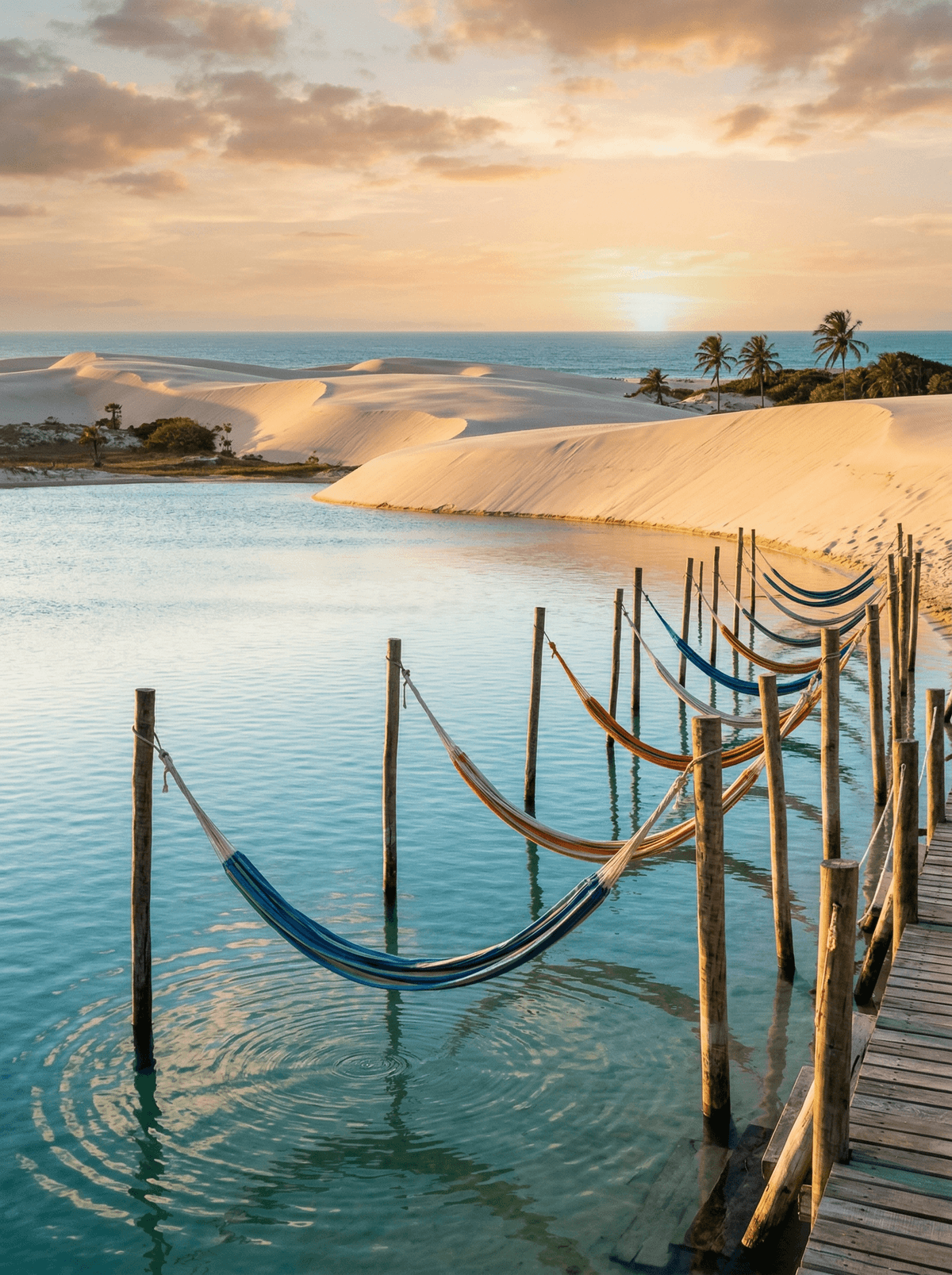
Two things here get confused with each other. The Duna do Pôr do Sol is the dune beside the village that everyone climbs in the evening. The Pedra Furada is a rock arch cut by the waves along the headland, half an hour up and over the Morro do Serrote or an hour along the shore when the tide allows it, and in July the sun goes down exactly through its cleft.
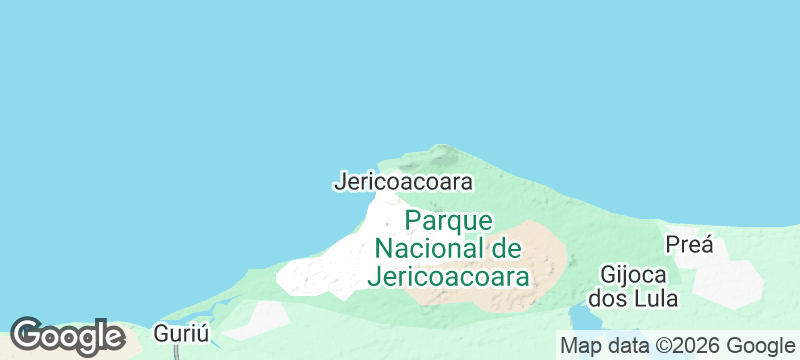
The streets are sand and private cars are barred from them. When electricity reached the village in 1998 the whole network was put underground, so there are no poles either, which is as much of the reason the night sky looks like that as the absence of asphalt. Around the village the Parque Nacional de Jericoacoara runs a dune field across nearly its whole extent, with mangroves, temporary lagoons and the Serrote, a 95-metre rock carrying a lighthouse and holding the park's high point. Getting here means 294 kilometres of the CE-085 out of Fortaleza to Jijoca and then twenty kilometres of dirt road, and inside the park driving on the dunes is prohibited outright, so the buggies run with local operators to Lagoa do Paraíso, Lagoa Azul and Tatajuba. None of this is obscure: the park took more than 1.5 million visits in 2022, third most visited protected area in Brazil, and in January 2024 the government sold a thirty-year concession on its visitor services for 61 million reais against 298.9 million of required investment.
Solo
Take the Serrote route to the arch when walking alone: half an hour up and over, and the tide has no say in it. The descent is loose rock with no handrail, so go down in daylight.
Couple
July is the month the sun lines up through the cleft in the Pedra Furada, which is the one evening view here that is genuinely singular. Outside that month the sunset ritual happens on the dune beside the village instead.
Friends
Buggy days go out with local operators to Lagoa do Paraíso, Lagoa Azul and Tatajuba, and the dunes themselves are closed to vehicles. Evenings are the Rua Principal, where the octopus at Bistrô Caiçara and the tapioca shop are about forty paces apart.
Family
No private cars in the village and nothing but sand underfoot makes this an easy place for children. Check a tide table before anyone walks the shoreline route to the arch, because the water has caught people out on it.
- The Pedra Furada is a wave-cut rock arch on the headland, reached either by a half-hour climb over the Morro do Serrote or by an hour along the shore that only opens at low tide.
- Private vehicles are barred from the village, the streets are sand, and when power arrived in 1998 the whole network was buried so there are no poles.
- Driving on the dunes is prohibited inside the national park, along with campfires, littering and taking wildlife; buggy trips run with local operators to Lagoa do Paraíso, Lagoa Azul and Tatajuba.
- The road runs 294 kilometres from Fortaleza on the CE-085 to Jijoca, and then twenty kilometres of dirt to the village.
Polvo louco at Bistrô Caiçara on the Rua Principal: octopus in spicy rapadura honey with lobster, prawns and sautéed vegetables.
Tapioca with more than fifty fillings from the Shopping da Tapioca on the same street, and cocada after it.
Nananu-i-Ra
Fiji
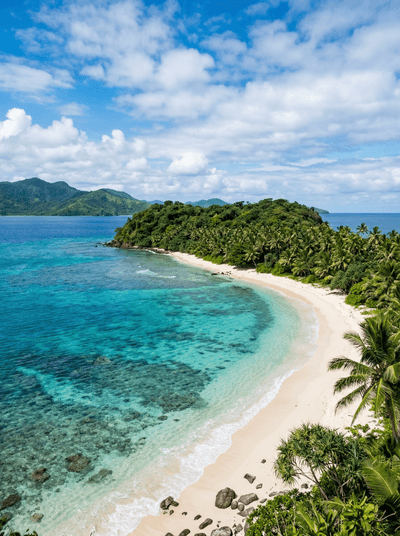
Fiji's wind-battered outlier: kitesurfers skip across trade-wind chop while the rest of the islands doze.
Kiritimati
Kiribati
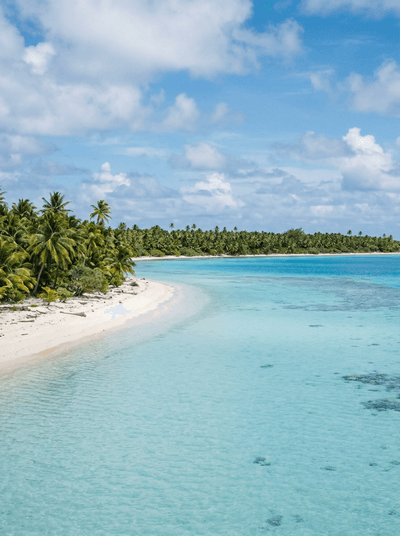
Bonefishers wade endless turquoise flats while millions of seabirds darken the sky above.
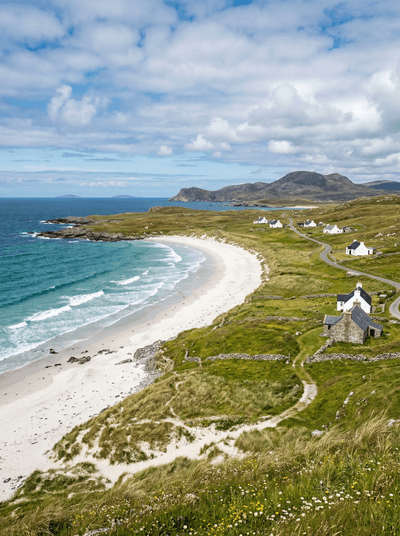
Tiree
Scotland
Scotland's sunniest island lies flat as a table, wind-scoured into surf of rare quality.
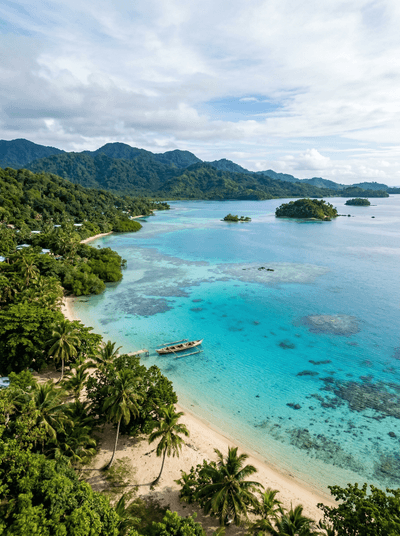
Ghizo Island
Solomon Islands
A 140-metre Japanese transport lies just seven metres down, a tank still in her holds.
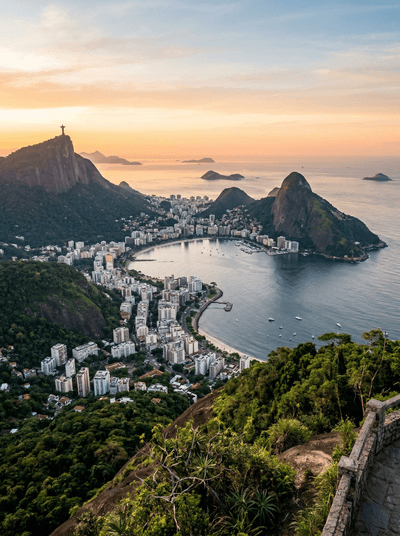
Rio de Janeiro
Brazil
Granite peaks erupting from tropical forest between lagoon and ocean, a landscape no city should have.
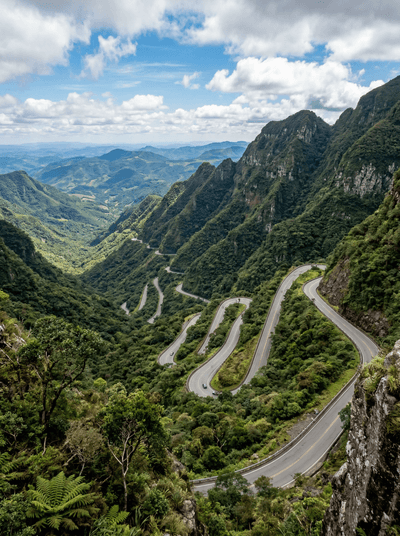
Serra do Rio do Rastro
Brazil
Hairpins carved into a sheer cliff face, climbing out of the lowlands and into cloud.
Itaúnas
Brazil
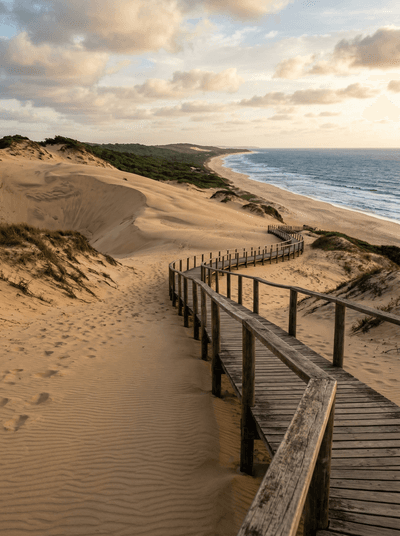
Sand dunes that swallowed an entire village, now a forró-dancing outpost on a wild coast.
Lençóis Maranhenses
Brazil
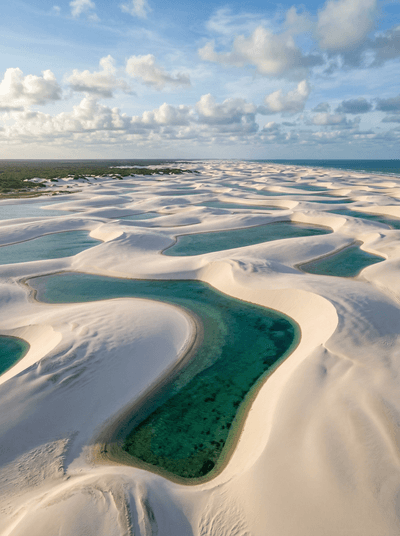
Thousands of rain-filled lagoons between white dunes stretching to the horizon like another planet.