Brazil
Rio de Janeiro
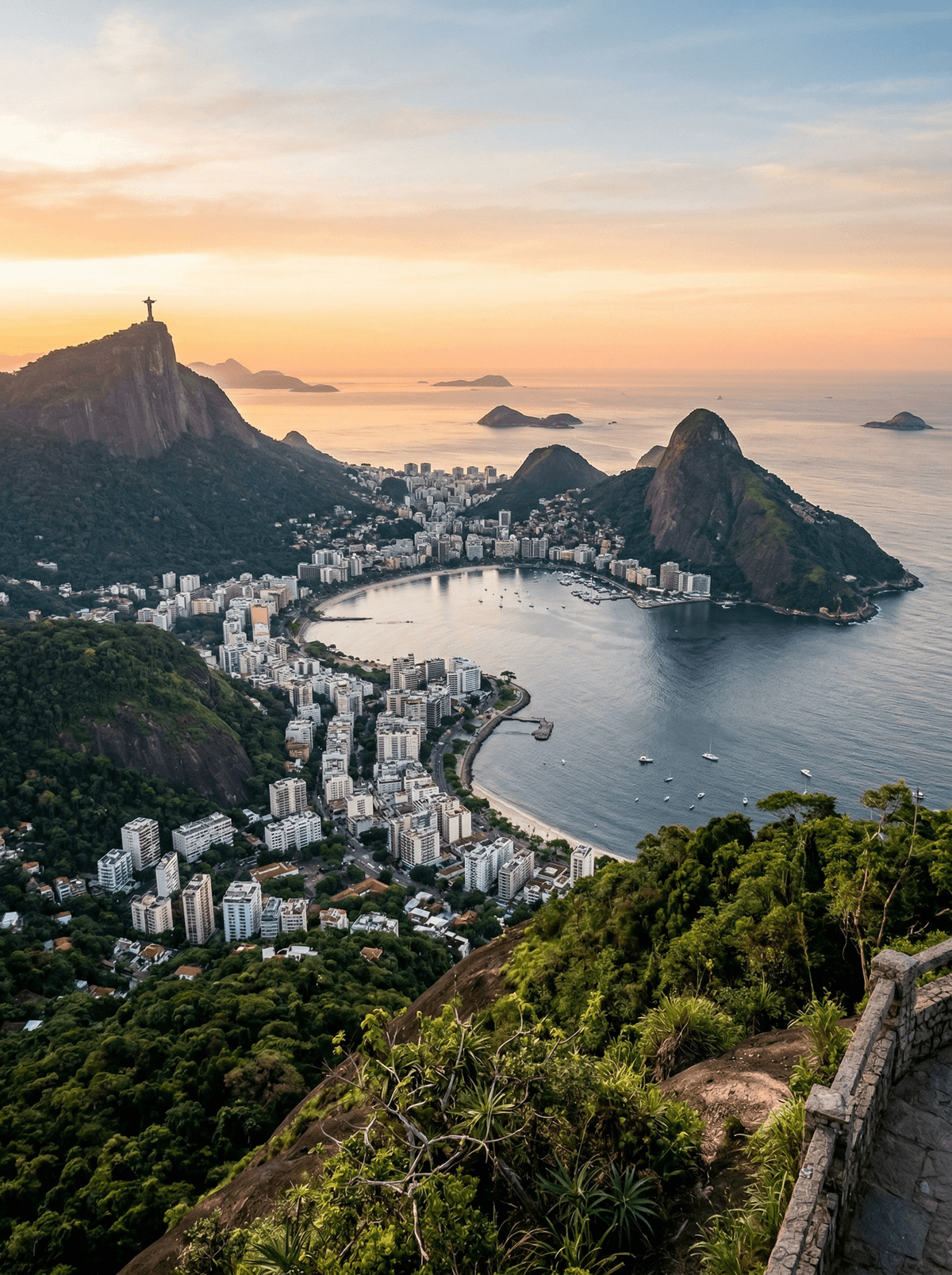
Granite peaks erupting from tropical forest between lagoon and ocean, a landscape no city should have.
Corcovado and Sugarloaf frame the city like granite sentinels, the Tijuca Forest cascading down their flanks into the urban grid where lagoon meets ocean. Morning light catches the mosaic pavement of Copacabana as runners, cyclists and vendors stake their claims on the day. The city's topography is impossible. No urban planner would put mountains, jungle, lagoons and open Atlantic on the same plot, and yet here it all is.
Rio is built where Serra do Mar granite drops into the Atlantic, so its mountains sit inside the city rather than behind it. Tijuca National Park holds 3,958 hectares of Atlantic Forest in the middle of that, protected by decree since 6 July 1961 and split into three sectors: Floresta, Serra da Carioca with Christ the Redeemer on Corcovado, and the one that carries Pedra Bonita and Pedra da Gávea. It opens daily from eight until five and shuts when the weather says so, as it did on 7 August 2026 for forecast strong winds, the day after a fire on the Morro do Elefante. Samba and bossa nova both came out of this city and it still runs on them. Past the beaches there is the Theatro Municipal, the tiled staircases of Santa Teresa, and Burle Marx's public gardens.
Solo
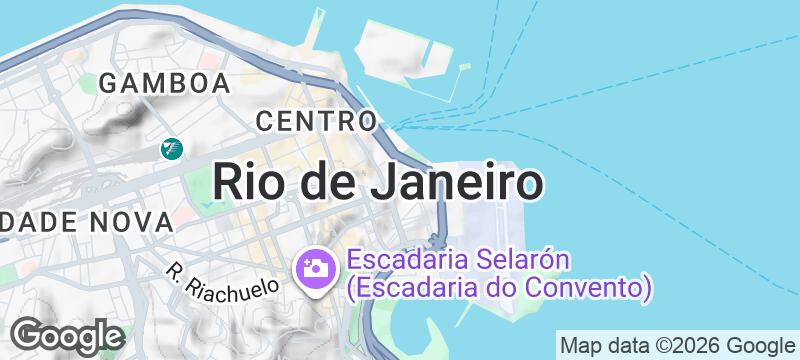
Walk Santa Teresa and the Centro, and take lunch upstairs at the Colombo among the 1894 mirrors, Monday to Saturday, midday until four. Then pick a park sector rather than trying to do the lot: Floresta for shade, waterfalls and the Picos circuit, Serra da Carioca for the Vista Chinesa and the Corcovado.
Couple
Sunset from Arpoador, then dinner and live music. Keep the heights for the morning, because the park runs eight until five and the summit trails have to be finished inside that, which puts you on the twenty-minute path up Pedra Bonita early with São Conrado, the Zona Sul and Barra spread out underneath.
Family
Sugarloaf's cable car and the Corcovado railway give children the heights without any climbing, and the beaches carry what is left of it. Leave Pedra da Gávea alone: the park's own page records accidents and deaths on the exposed sections and asks for a rope, a harness and at least one person in the group who can climb.
Friends
Pedra Bonita's ramp takes instruction flights on hang glider and paraglider, run with the Brazilian Free Flight Association, and it is among the busiest anywhere. Build the rest around the sand: mate and biscoito globo in the afternoon, and the Colombo's feijoada buffet if a Saturday lands in the trip.
- Christ the Redeemer stands on Corcovado inside Tijuca National Park, 3,958 hectares of Atlantic Forest protected in the middle of the city by a decree of 6 July 1961.
- Pedra da Gávea, in the same park, is the largest seaside monolith in the world, and the first expeditions to its summit went up in 1830.
- Part of the Transcarioca, the longest urban trail in Brazil, runs through the park's Floresta sector alongside the Picos and Vale Histórico circuits.
- One of the busiest free-flight ramps in the world sits on Pedra Bonita, twenty minutes above the road, run in partnership with the Brazilian Free Flight Association.
Saturday is feijoada day upstairs at the Confeitaria Colombo on Rua Gonçalves Dias, a tearoom that opened in 1894 and is now listed as cultural heritage of the city.
Mate gelado and a packet of Biscoito Globo from the sellers walking the sand between nine and five, green packet salted, red packet sweet, made by the same family since 1953 and city heritage since 2017.
Hanoi
Vietnam
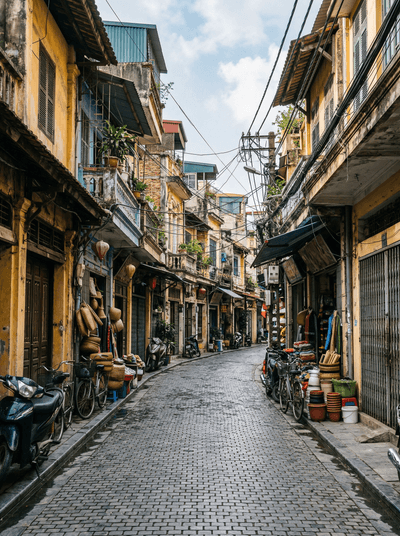
Motorbikes weaving through incense smoke, colonial decay, and the scent of roasting pork.
Cape Town
South Africa
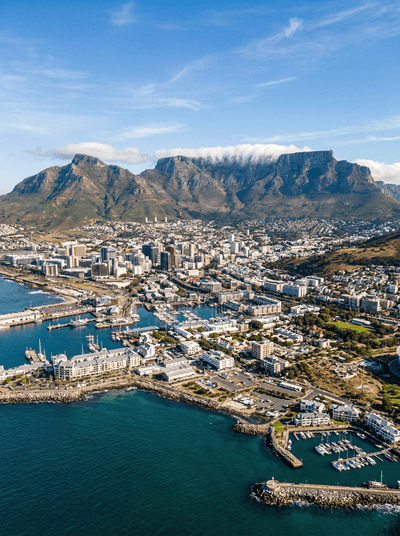
Dawn crowns a flat-topped mountain while penguins waddle the southern shore below.
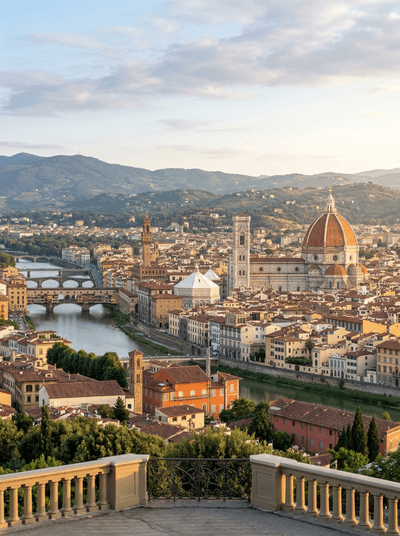
Florence
Italy
Terracotta rooftops from Brunelleschi's dome, the Arno gold at sunset, gelato in every piazza.
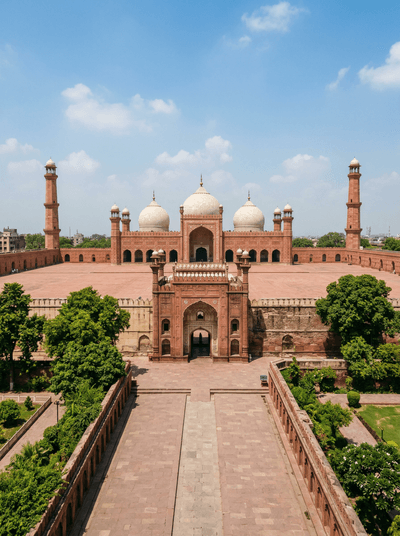
Lahore
Pakistan
A walled city where Mughal emperors' marble still glows at sunset and food stalls never sleep.
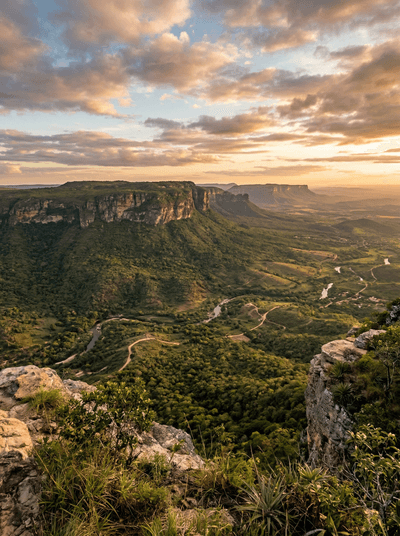
Chapada do Araripe
Brazil
Diggers call this rock pedras de peixe, fish stones, and that is exactly what is inside.
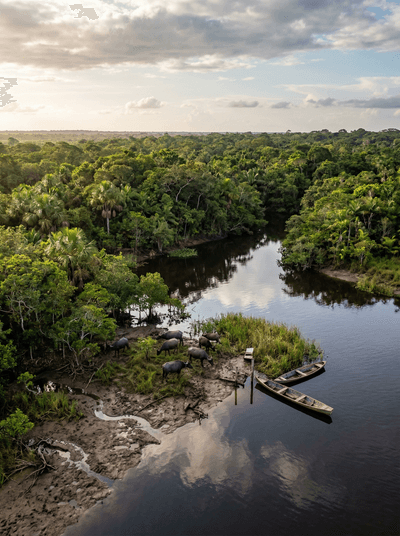
Ilha de Marajó
Brazil
The police here ride buffalo, because the flooded ground defeats anything with wheels.
Serra do Cipó
Brazil
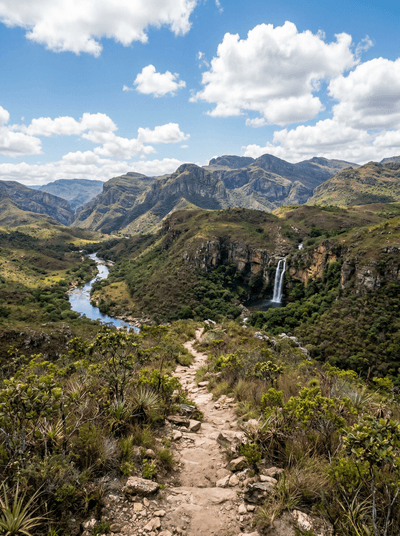
Stone meadows of flowers that hold their shape long after they dry, along a quartzite spine.
Presidente Figueiredo
Brazil
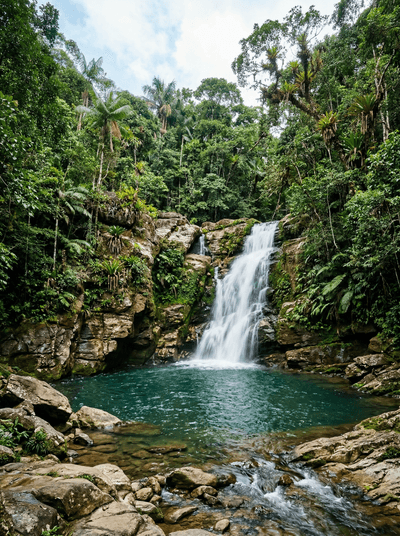
More than a hundred waterfalls in one municipality, and some of them run red as tea.