Kyrgyzstan
Kaji-Say
An abandoned uranium processing site above Issyk-Kul's south shore, Cold War ruins overlooking a holiday lake.
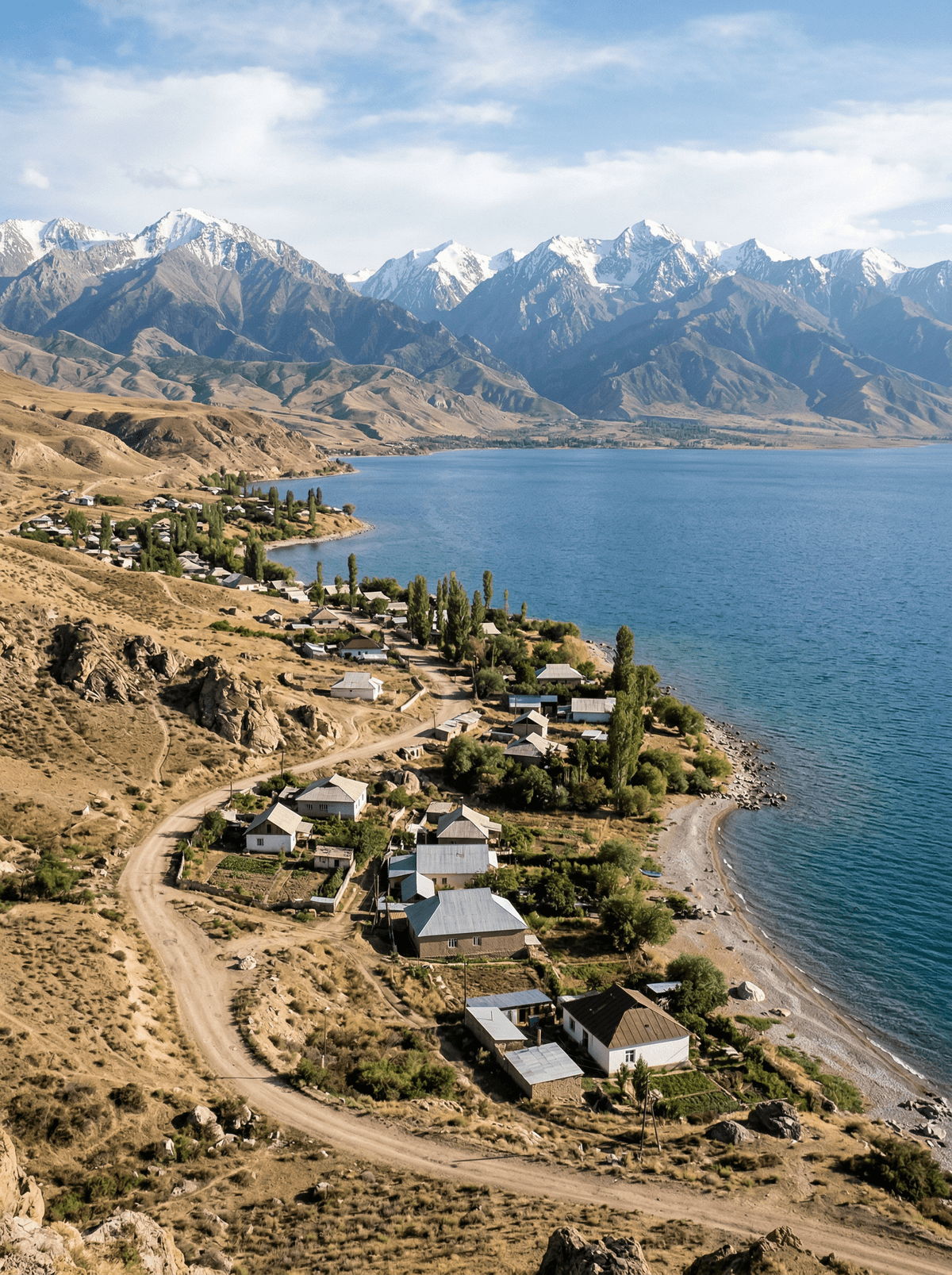
The processing plant sits above the lakeshore like a concrete fossil, its purpose once classified, its walls now open to wind and the view it was built to ignore. Kaji-Say in Kyrgyzstan's Issyk-Kul province holds the ruins of a Soviet uranium processing facility on a hillside overlooking one of Central Asia's most popular holiday lakes. The contrast is deliberate in retrospect, absurd at the time — Cold War industry metres from summer beaches.
Kaji-Say was a closed settlement during the Soviet era, housing workers who processed uranium ore transported from mines across the region. The facility operated from the 1940s and was decommissioned after independence, leaving behind industrial ruins and tailings sites that have since undergone partial remediation. The village sits on Issyk-Kul's south shore, where the lake's quieter, less developed side offers a slower pace than the resort-heavy north. Nearby, the so-called 'Fairy Tale Canyon' (Skazka Canyon) draws visitors to its wind-carved sandstone formations, but Kaji-Say itself rewards those interested in Soviet industrial archaeology. The juxtaposition of uranium history and lakeside leisure gives the village a layered character found nowhere else on Issyk-Kul.

Solo
The industrial ruins are best explored at your own pace, reading the layers of abandonment and remediation without the pressure of a group itinerary. The south shore's quieter guesthouses suit a traveller who prefers contemplation to company.
Friends
Kaji-Say combines Cold War history with south-shore swimming — a day that swings between uranium ruins and lake beaches gives a group stories that cover both extremes.
- The uranium processing facility operated from the 1940s to 1966 as part of the Soviet nuclear materials programme.
- Contaminated tailings from the facility were stored in a ravine above the lake — partial remediation was carried out in the 2000s.
- Beach resorts operate 500 metres below the ruins — families swim in the lake within sight of the contaminated hillside above.
- The concrete processing plant structures are still standing and visible from the main road through the village.
Beachside fish cafes along Issyk-Kul's south shore, grilled trout with a mountain backdrop.
Fresh kurt and dried fruit from the village's small roadside stalls.
Orgosolo
Italy
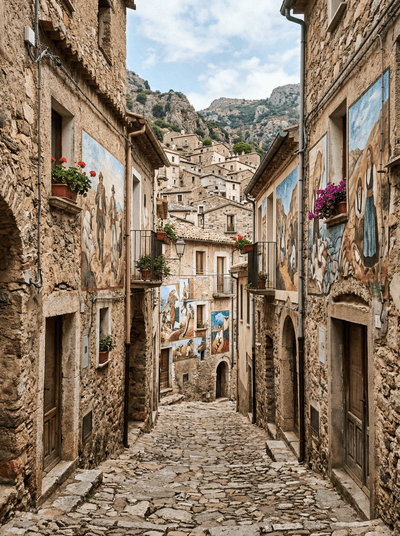
A shepherds' village where every wall is a political mural painted since 1969.
Tonowas
Micronesia
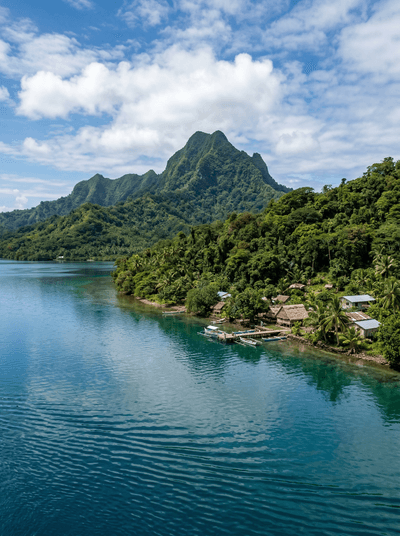
Jungle swallows a Japanese naval headquarters — command tunnels, rusting artillery, and dock pilings still stand.
Command Ridge
Nauru
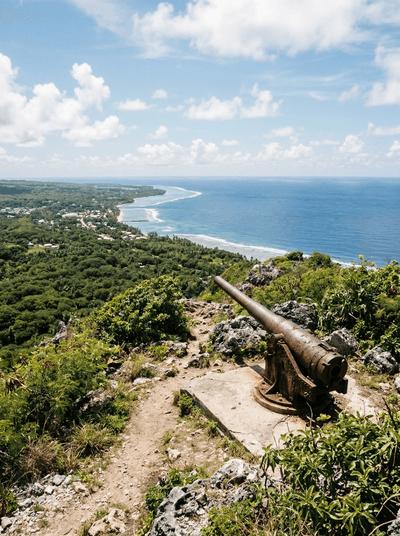
Japanese guns rust on their wartime mounts, still guarding empty Pacific from atop Earth's third-smallest country.
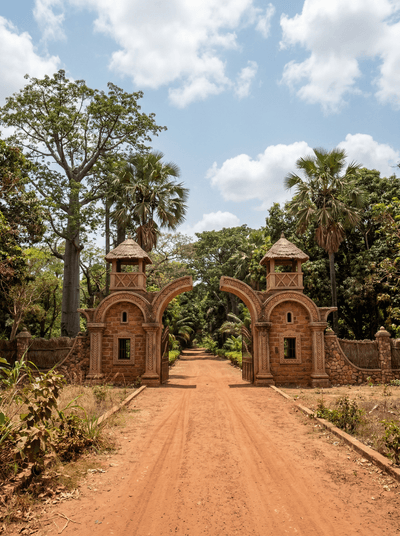
Kanilai
Gambia
A former dictator's abandoned compound — faded grandeur crumbling in surreal isolation.
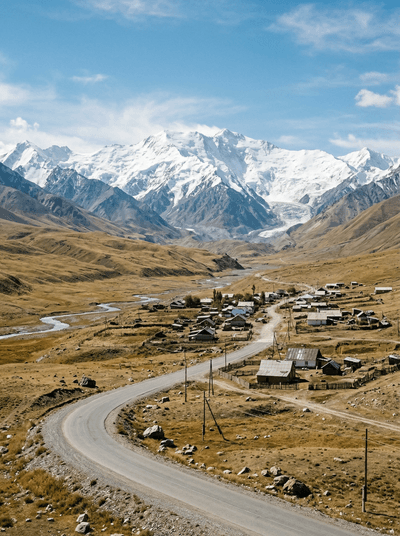
Sary-Tash
Kyrgyzstan
A wind-battered crossroads at 3,200 metres where the road to China meets the road to Tajikistan.
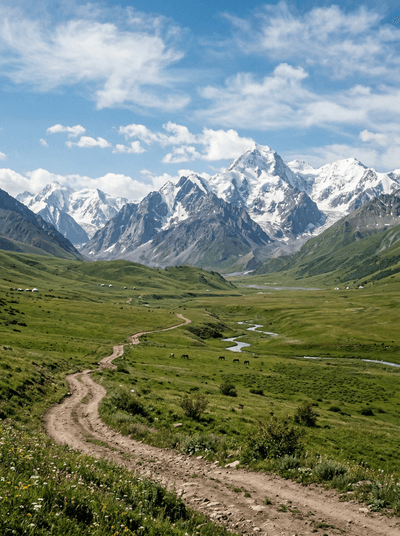
Alay Valley
Kyrgyzstan
A high corridor beneath a 7,134-metre wall of ice, nomad herds drifting across the plateau.
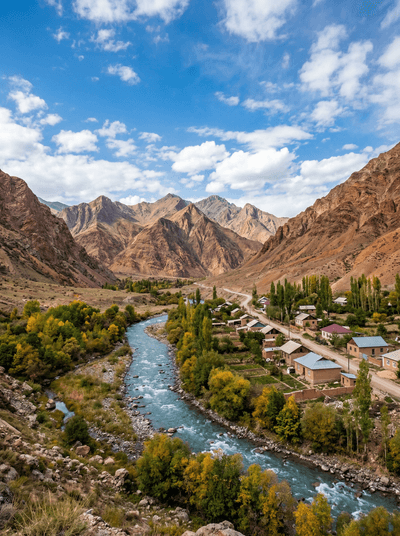
Kyzyl-Oi
Kyrgyzstan
A Silk Road village inside a red-rock canyon, one of the few settlements predating Soviet collectivisation.
Padysha-Ata
Kyrgyzstan
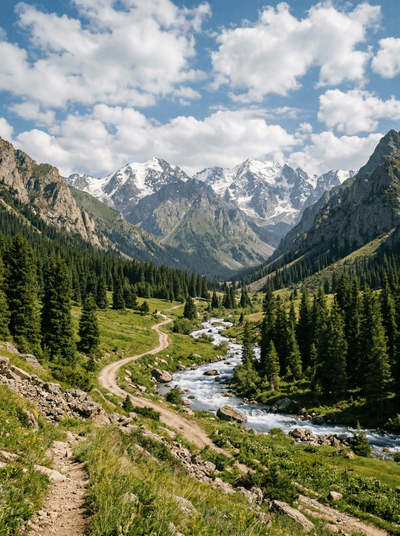
Sacred juniper forests where pilgrims tie cloth to ancient trees at a mountaintop mazar shrine.