Pakistan
Karimabad
A 700-year-old fort perched above apricot terraces where the Mir of Hunza once surveyed three empires.
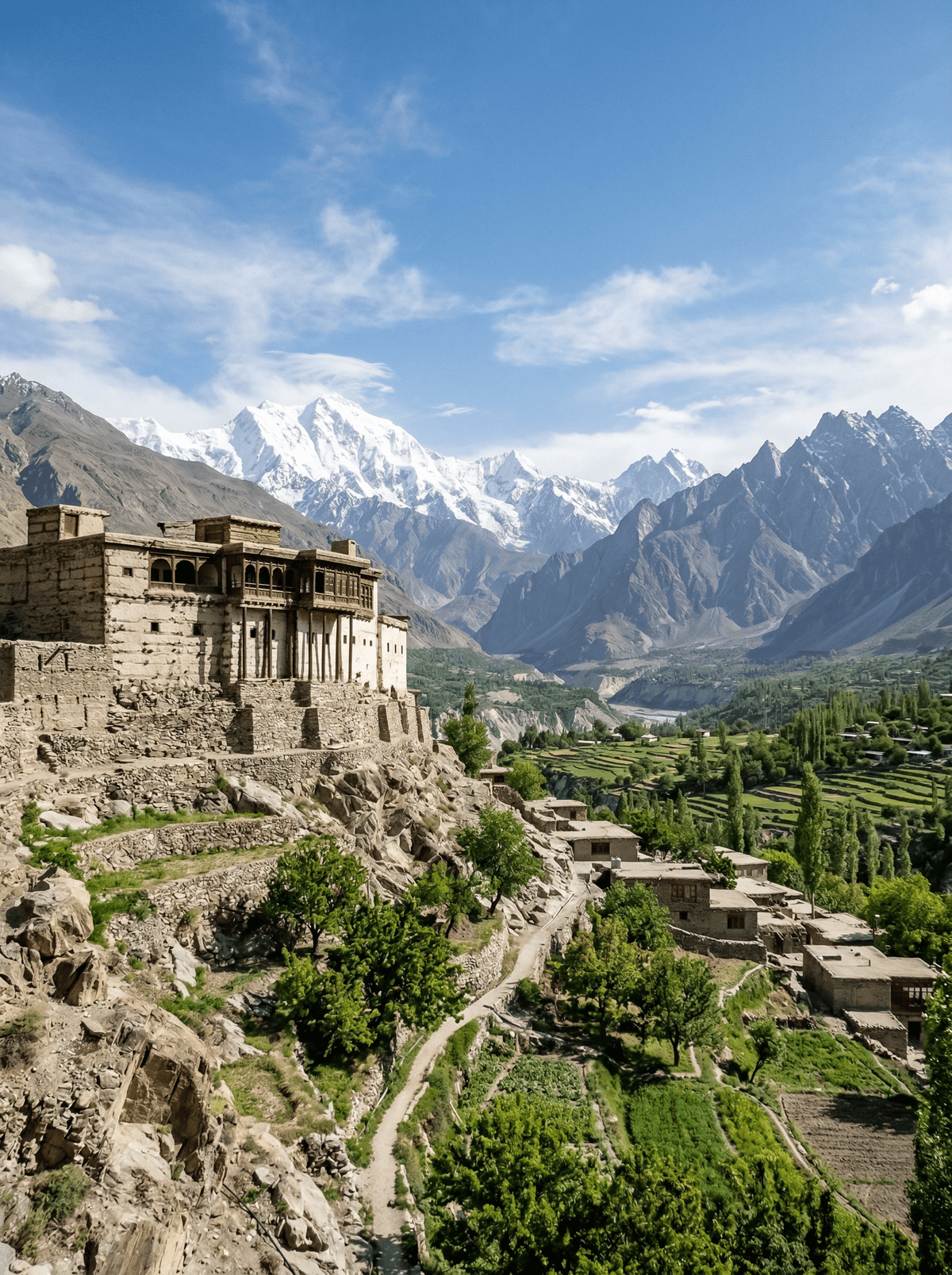
The terraces drop away steeply below Baltit Fort, each ledge white with apricot blossom in spring or heavy with fruit by summer, and beyond them Rakaposhi's snow pyramid fills the southern sky without interruption. The bazaar's narrow lanes smell of fresh walnut oil and mulberry, and from the fort's highest parapet the whole cultivated valley lies open below.
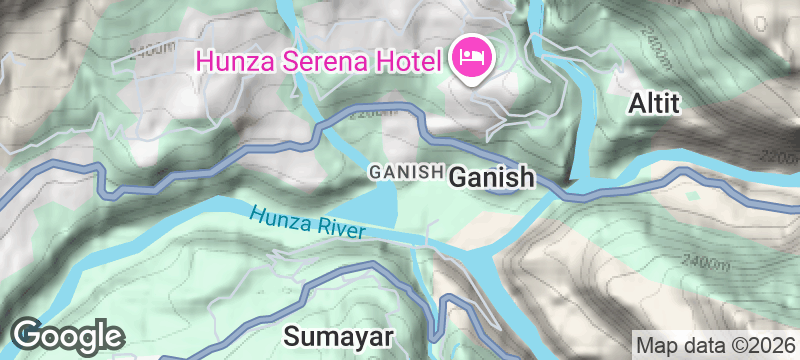
Karimabad is the former seat of the Mirs of Hunza, the dynasty that ruled these valleys for some seven centuries from the clifftop Baltit Fort — a stronghold of Tibetan woodwork and Central Asian stone, restored with Aga Khan Trust for Culture funding, that once watched the Great Game play out between three empires. Below it, the even older Altit Fort leans its timber balconies over the Hunza River gorge. Karimabad sits at roughly 2,400 metres on the Karakoram Highway, the most walkable gateway to Gilgit-Baltistan's high country, and its orchards — apricot, cherry, mulberry, walnut — supply most of what lands on the table. The local language, Burushaski, is a true isolate, related to no other tongue on Earth.
Solo
Solo travellers use Karimabad as a base for day rambles to Eagle's Nest viewpoint and ancient Altit Fort, returning to guesthouses where hosts serve chapshuro and stories in equal measure.
Couple
Couples wake to Rakaposhi glowing pink at dawn from rooftop terraces, spend afternoons in Baltit Fort's carved interiors, and share skies dense with stars at 2,400 metres.
Family
The terraced orchards and gentle trails suit all ages, while Baltit Fort's turrets and passageways give children the kind of exploration they remember for years.
- Baltit Fort — seven centuries old — surveys the entire Hunza Valley from its rock pediment.
- The bazaar sells rubies and garnets from Hunza's own mines, and hand-carved walnut boxes from workshops behind the main street.
- Burushaski, the valley's language, is a linguistic isolate — related to nothing else spoken on Earth.
- Guesthouses line the hillside below the fort, all with mountain-facing terraces where apricot jam is served at breakfast.
Burus shapik — flatbread layered with Hunza cheese and mountain herbs.
Mulberry juice thick enough to stain your hands purple.
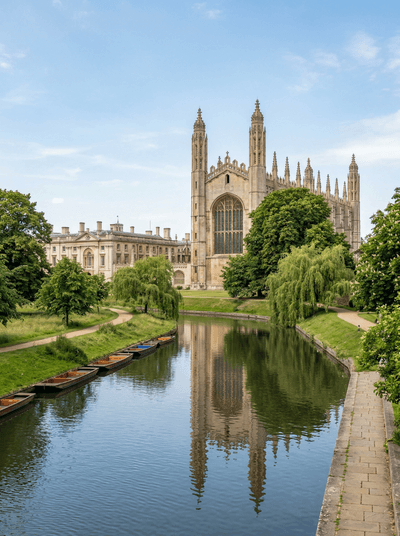
Cambridge
England
Punts glide beneath mathematical bridges over water that has mirrored genius for centuries.
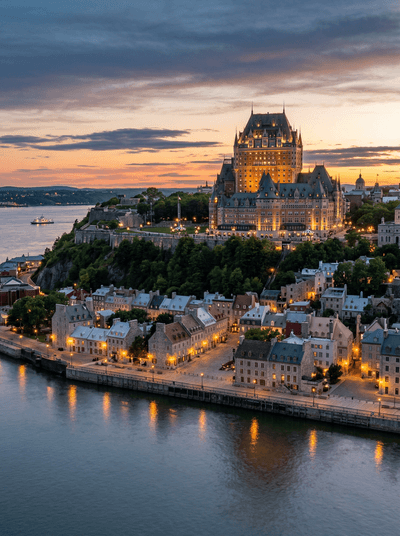
Québec City
Canada
North America's only walled city folds four centuries of French life into cliff-top stone lanes.
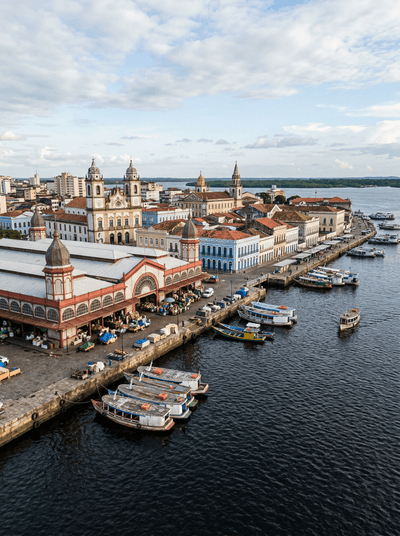
Belém
Brazil
Buyers hold açaí berries up to a phone torch at half four in the morning.
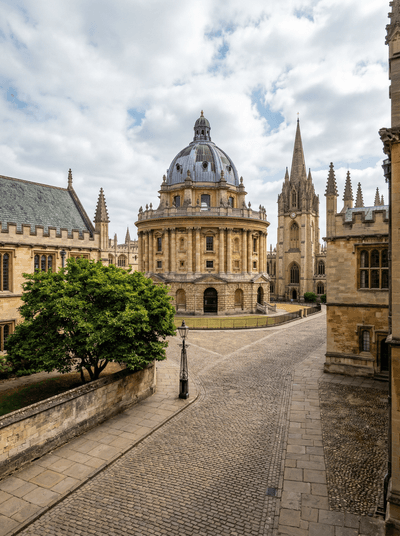
Oxford
England
Gargoyles stare from spires so dense the skyline looks like a stone forest.