Turkey
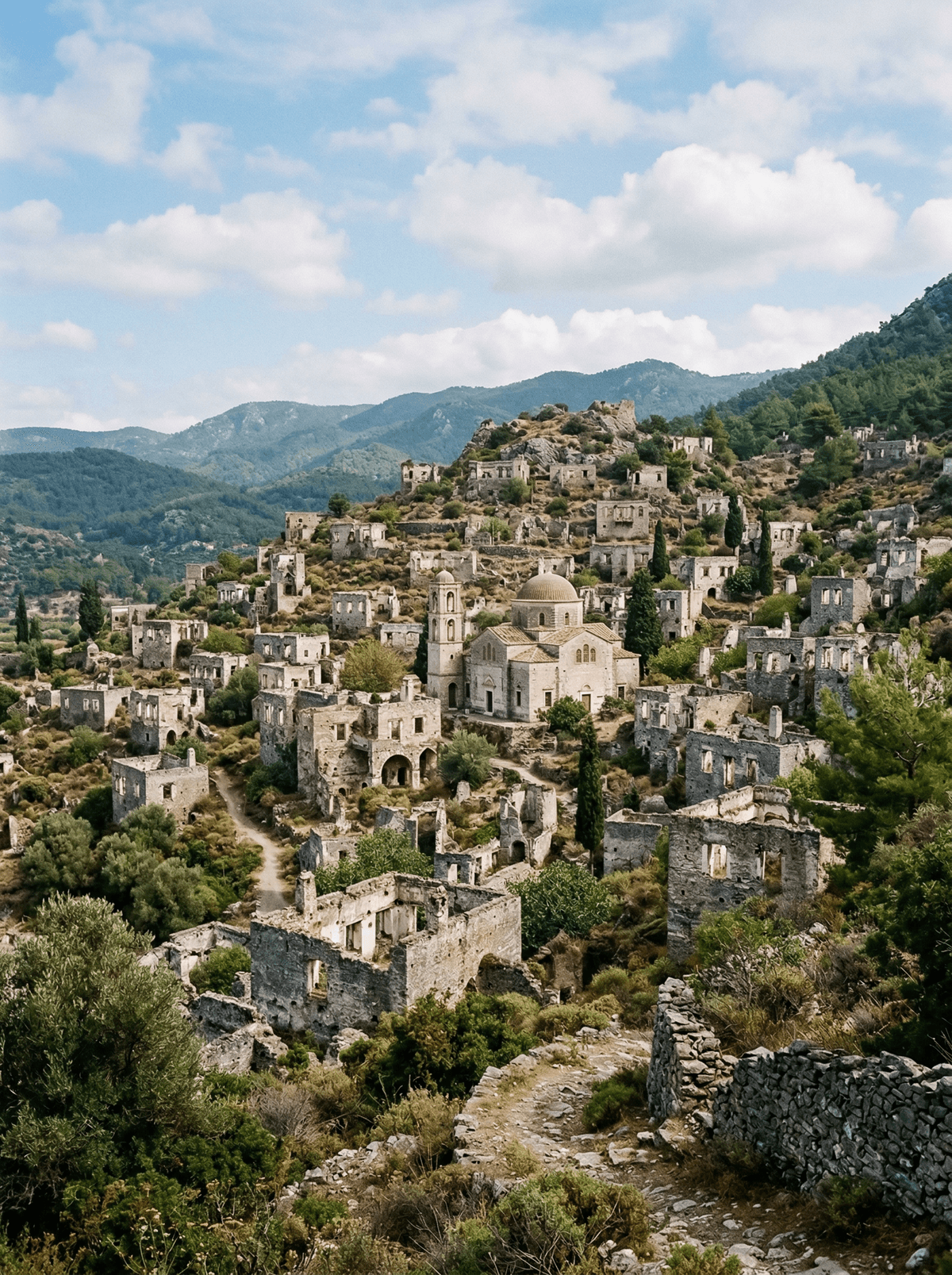
Kayaköy
A Greek village of 500 houses abandoned in 1923: roofless, silent, overgrown with fig trees.
Stone walls without roofs line the hillside in rows, hundreds of houses open to the sky, their windows framing nothing but cloud. Fig trees push through collapsed floors, and lizards bask on church steps where Greek Orthodox families once gathered. Kayaköy is a village frozen at the moment of departure, the 1923 population exchange, and no one ever came back.
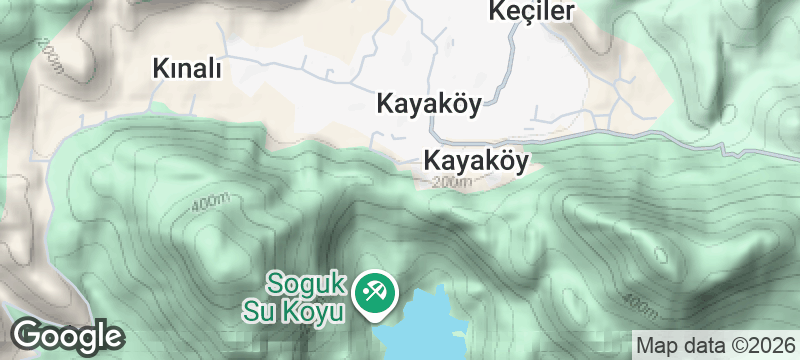
Kayaköy, known as Levissi under the Ottomans, is an abandoned Greek Orthodox village near Fethiye, emptied in the compulsory 1923 population exchange between Greece and Turkey. Around 500 stone houses, two churches and fourteen chapels stand in various stages of collapse across the terraced hillside, protected as one weathering open-air monument, left to fade at its own pace. The Muslim families relocated here from Greece mostly chose Fethiye instead, so the village stayed empty. Louis de Bernières drew on its story for Birds Without Wings, and a five-kilometre Lycian Way section leads from below the village over the ridge to Ölüdeniz.
Solo
Kayaköy is a place for walking and thinking. Move through the empty houses, sit in a roofless church, and let the silence tell you what happened here; the trail to Ölüdeniz below shifts from elegy to Mediterranean exhilaration.
Couple
The abandoned hillside is hauntingly atmospheric, and the garden restaurants on its fringe, wood-fired gözleme and views over the empty houses, offer the counterpoint. For couples who travel for stories, not just scenery.
- The village's roughly 500 houses were abandoned after the 1923 Greco-Turkish population exchange; no one has lived in them since.
- Two principal churches and fourteen chapels remain, with fragments of fresco still visible.
- The village is preserved as an open monument; no reconstruction is permitted, so it weathers on its own terms.
- A five-kilometre path leads from Kayaköy over the ridge directly to the Ölüdeniz lagoon.
Wood-fired gözleme filled with foraged herbs at garden restaurants overlooking the silent hillside.
Slow-braised lamb in clay pots, a dish that remembers the village's Greek past.
Suva
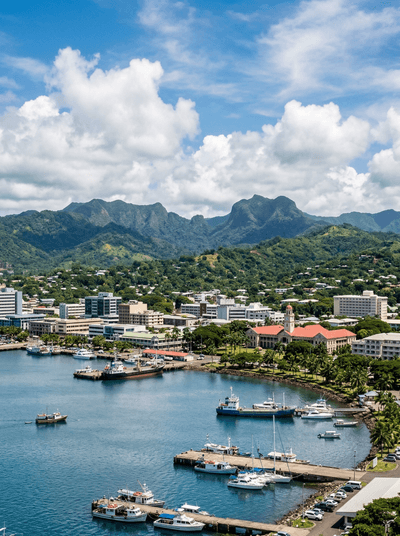
Fiji
South Pacific hustle where Hindu temples share streets with Fijian markets and colonial verandahs.
Levuka
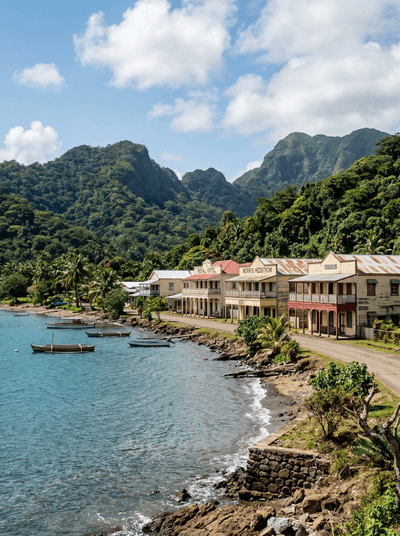
Fiji
Fiji's first colonial capital frozen in the 1870s, wooden shopfronts sagging under tropical rain.
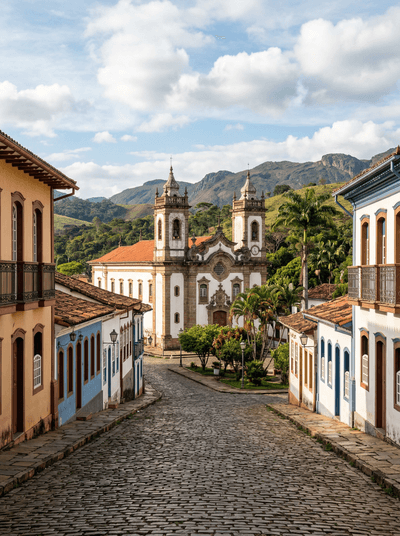
São João del-Rei
Brazil
Baroque towers answering each other across a valley, ringing the sex of whoever has just died.
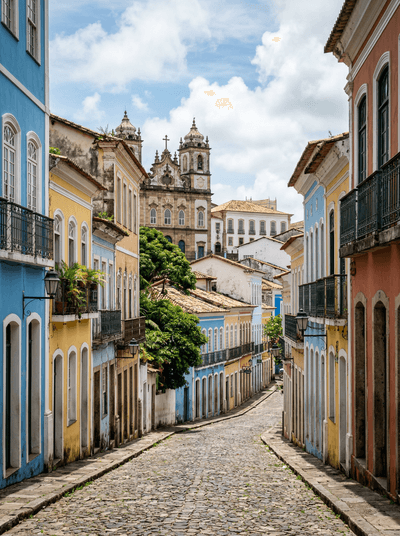
Salvador
Brazil
Drum rhythms ricocheting off colonial walls where song, dance and combat happen at once.
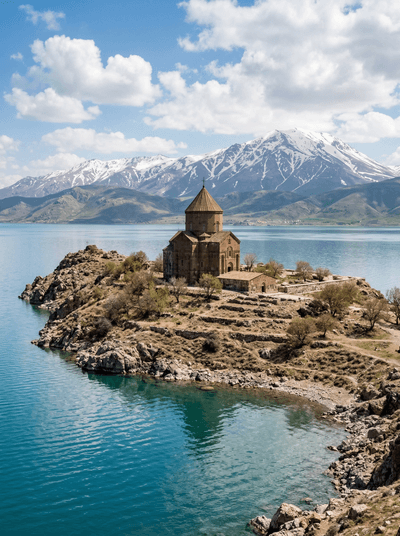
Akdamar Island
Turkey
A tenth-century Armenian church carved with biblical scenes floats alone on an island in Lake Van.
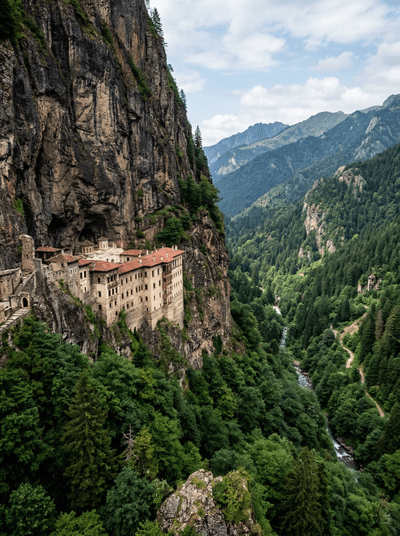
Sumela Monastery
Turkey
A monastery clinging to a cliff 300 metres above a misty Black Sea valley.
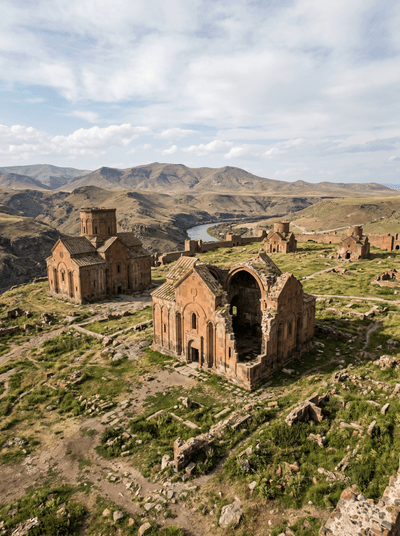
Ani
Turkey
A ghost city of 100,000 souls on the Armenian border, churches crumbling into wildflower meadows.
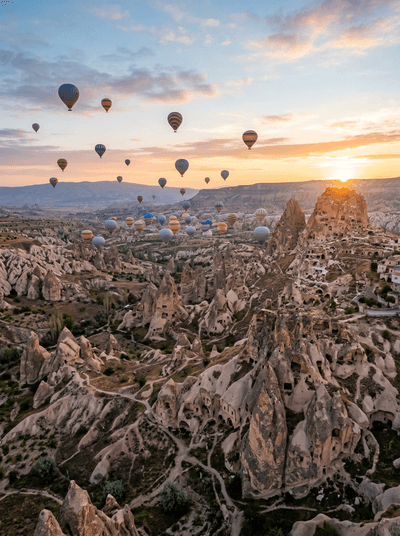
Cappadocia
Turkey
More than a hundred balloons rise at dawn through a forest of stone pillars.