Brazil
Pantanal
When the water drops the animals come out, and the odds on a jaguar shorten.
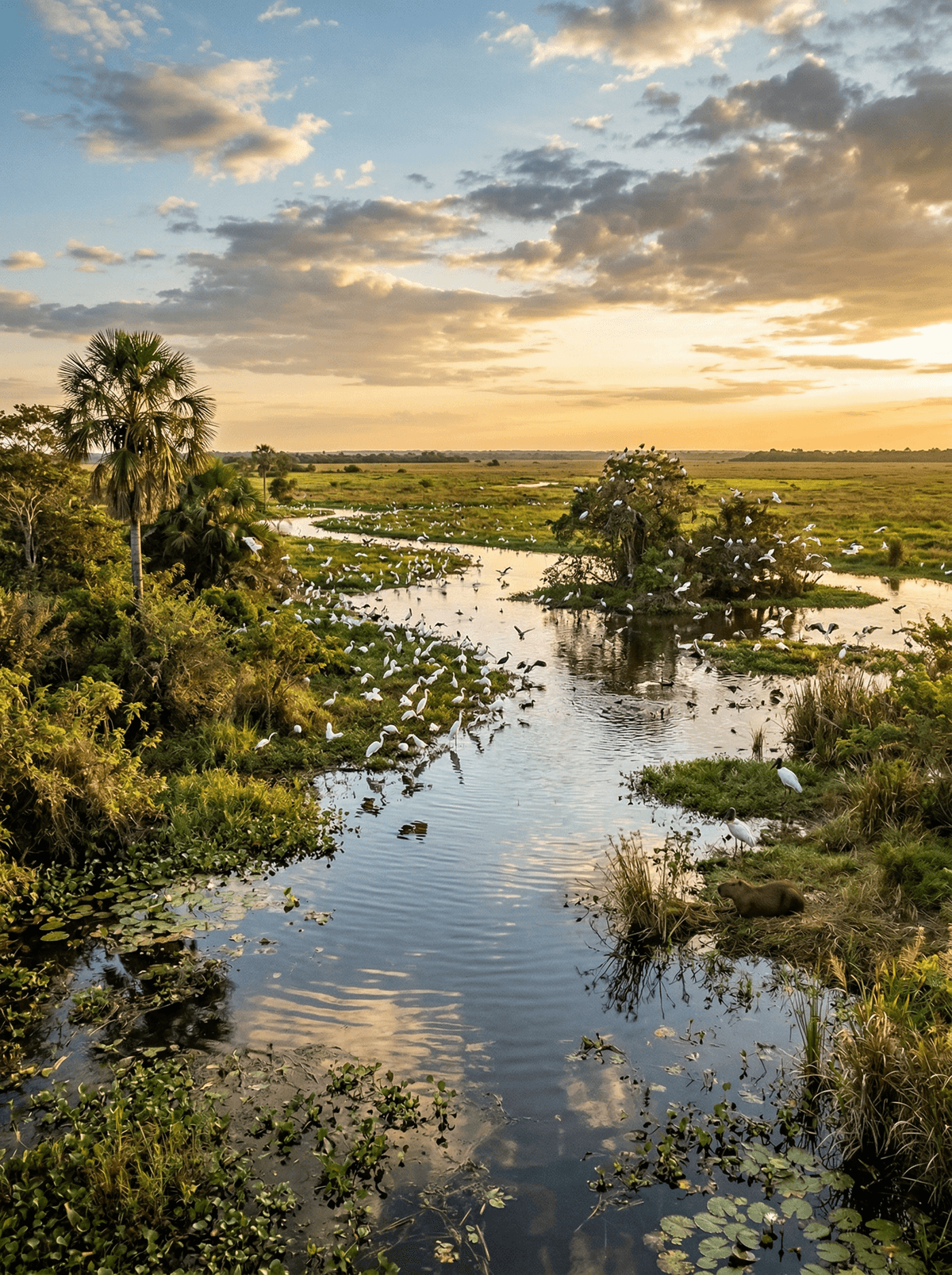
The Pantanal keeps a calendar made of water. From January the floods come up and a boat becomes the one way to see anything; by May the water is falling and the birds are arriving; by August the rivers are right down, the chicks are hatching in the nesting colonies and the ipês are coming out lilac and pink. Then October arrives, the ground hardens and the heat climbs.
Most of the fazendas out here work all year and are set up for visitors, and what they offer is what the place has always done: riding out, sport fishing, pantaneira cooking, a roda de viola in the evening, walking, and spotlighting after dark. The Estrada Parque Pantanal runs 116 kilometres and changes habitat as it goes, from forest with primates in it to open wetland, so what you see shifts with the kilometre as much as with the month. The federal tourism ministry puts the best window at May to September, once the water has gone down and the animals move more freely, and says the chance of seeing a jaguar rises then; it also names October and November as the hottest months of the year here. January through March is the other extreme, heavy rain and heavy heat, and the boat becomes the vehicle. What none of it comes with is a guarantee, because the water decides where the animals are and nobody here sells a sighting.
Solo
Spotlighting after dark and the morning's first boat are where the animals are, and both are easier when nobody else is setting your alarm. Take the vazante from May to July if birds are the draw, or hold out for August and September if the jaguar is the point.
Couple
The fazendas are the experience here, not the bed: rides out on horseback, a roda de viola after dinner, pacu ribs and arroz carreteiro on the table. Choose a lodge along the Estrada Parque and let the 116 kilometres do the work of a wildlife drive.
Family
August and September are the months to bring children: the rivers are at their lowest, the chicks are hatching in the nesting colonies, and the animals are concentrated wherever water is left. Skip October and November, which the tourism ministry names as the hottest stretch of the year here.
- The year runs on water: floods from January to April, the vazante from May to July, the rivers at their lowest in August and September, then dry ground and heat from October.
- May to September is the window the tourism ministry names as best, because the animals move more freely once the water is down and the chance of seeing a jaguar rises.
- August and September are when the chicks hatch in the nesting colonies, the ipês come out lilac and pink, and the fishing is at its best.
- The Estrada Parque Pantanal runs 116 kilometres and changes habitat as it goes, from forest holding primates to open wetland, and the fazendas work through the whole year.
Pacu comes two ways here: the long ribs fried, which they call ventrechas, or the whole fish roasted and stuffed with fried plantain.
Arroz carreteiro is rice with dried beef straight out of the cattle drives, and there is caldo de piranha alongside it and a bocaiúva milkshake when the heat gets up.
Lewa Wildlife Conservancy
Kenya
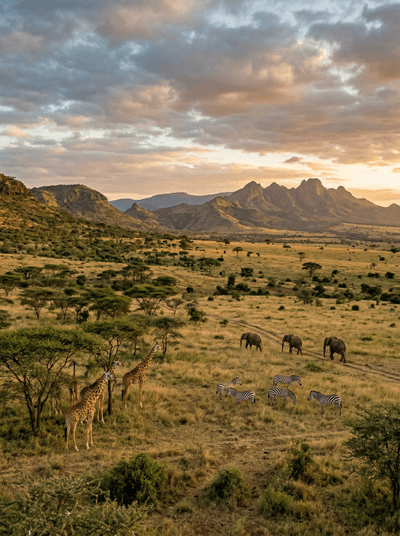
A cattle ranch turned rhino refuge that seeded Kenya's community conservancy movement.
Kaziranga
India
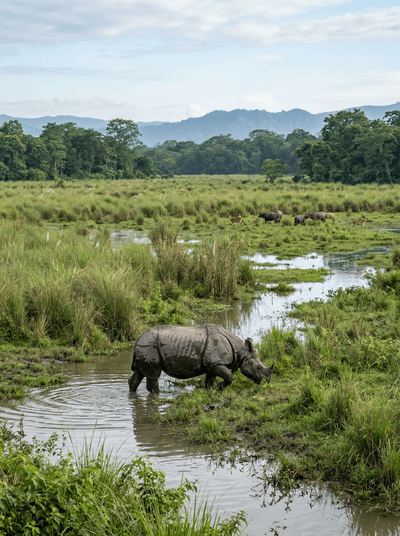
Two-thirds of the world's one-horned rhinos hiding in grass taller than your jeep.
Ruaha National Park
Tanzania
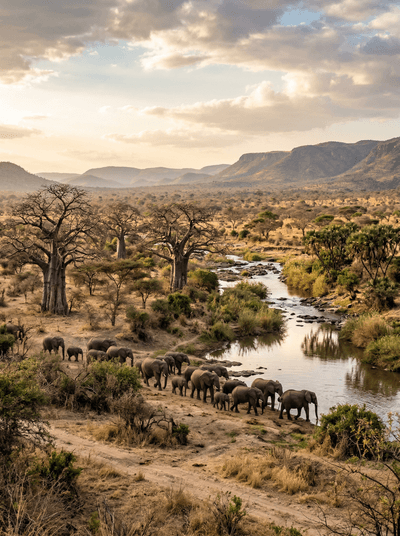
Wild dogs and buffalo-hunting lions share baobab country the crowds never reach.
Chyulu Hills
Kenya
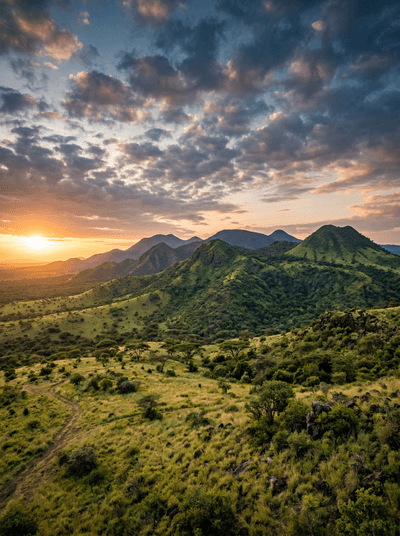
Volcanic hills said to have inspired Hemingway's green hills still glow emerald after rain.
Aparados da Serra
Brazil
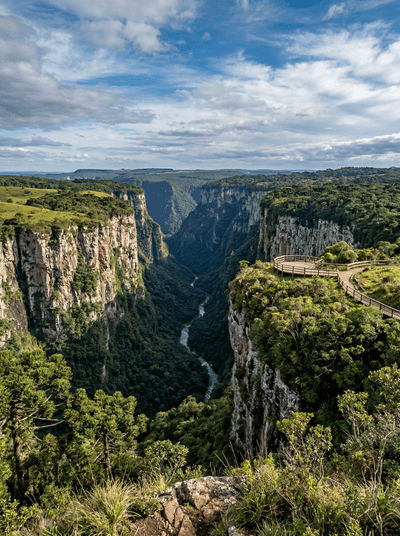
A five-hundred-metre waterfall drops straight off the rim into a gorge two kilometres wide.
Presidente Figueiredo
Brazil
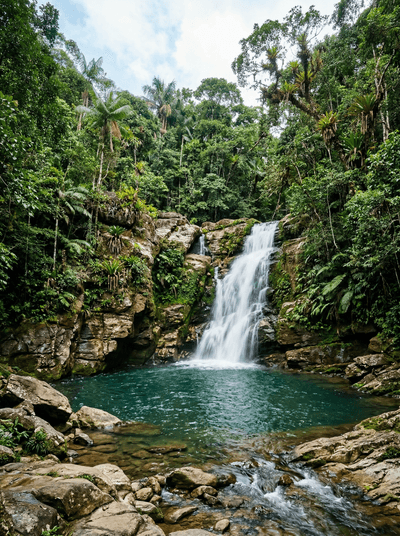
More than a hundred waterfalls in one municipality, and some of them run red as tea.
Foz do Iguaçu
Brazil
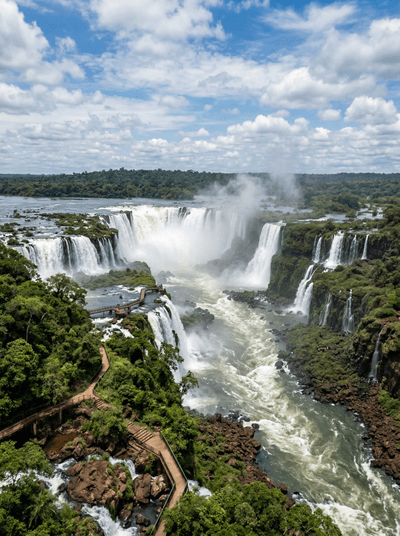
Two hundred and seventy-five waterfalls, and the one at the centre is called the Devil's Throat.
Rio de Janeiro
Brazil
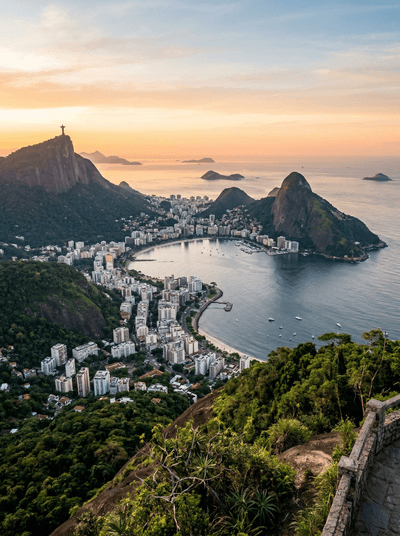
Granite peaks erupting from tropical forest between lagoon and ocean, a landscape no city should have.