India
Khajuraho
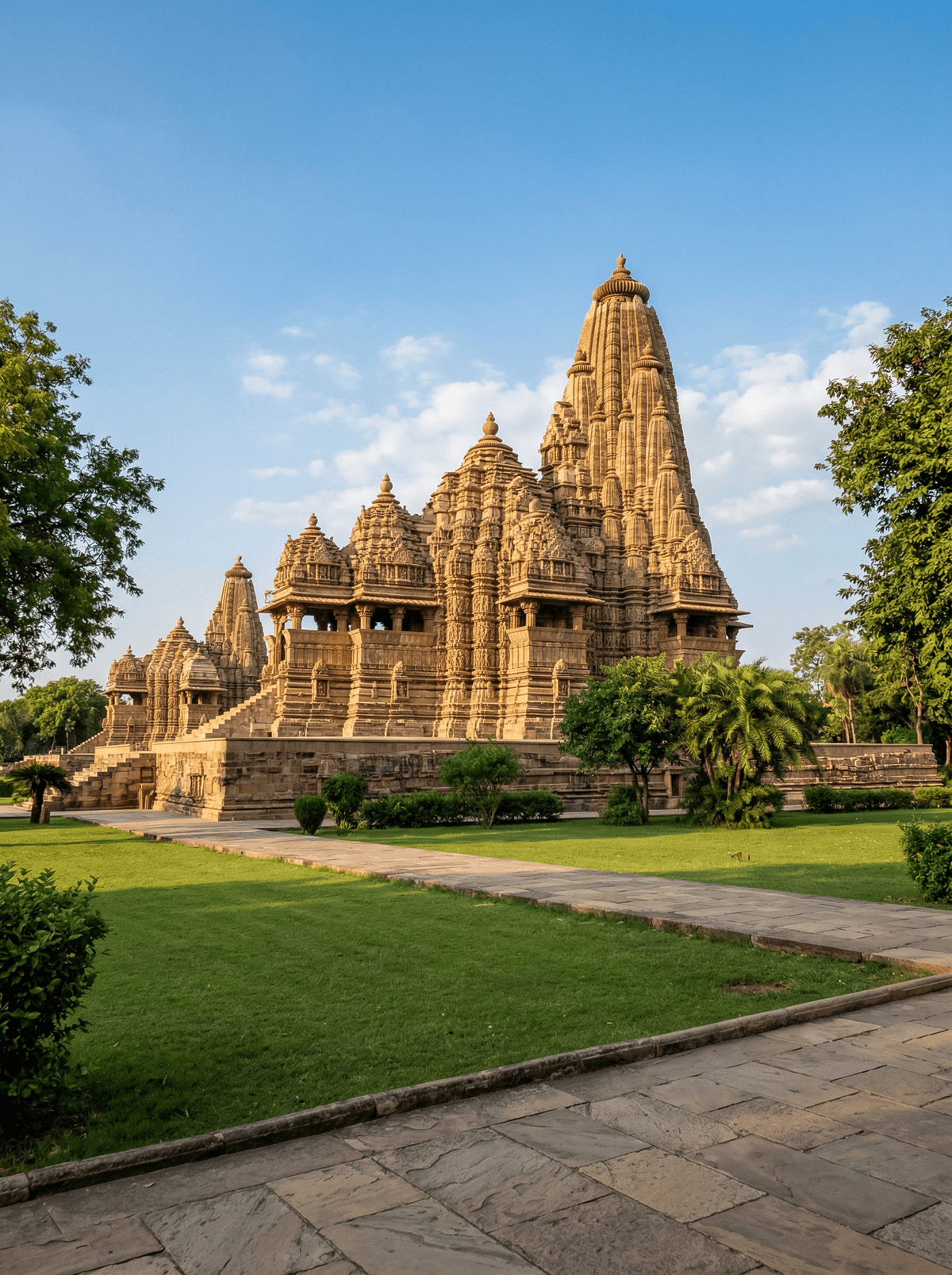
Elaborate sandstone temples covered in explicitly acrobatic carvings rising unexpectedly from the flat central plains.
The sandstone glows warm gold in the late afternoon, and on every surface figures are carved from the devotional to the acrobatic — gods, warriors, musicians and lovers frozen a thousand years ago. The temples at Khajuraho are not just erotic. They are everything.
Khajuraho holds the largest surviving group of medieval Hindu and Jain temples in India, raised by the Chandela dynasty between 950 and 1050 CE. Of the original 85, twenty-five survive — Kandariya Mahadeva the largest and most complete — their Nagara-style facades layered with court scenes, warfare, ritual and the famous erotic sculpture that makes up roughly a tenth of the carved surface. The eastern group, nearer the village, sets three Hindu temples beside four Jain ones — two faiths carving side by side.
Solo
Take the western group at opening, the eastern group at dusk, and learn the difference between crowds and silence.
Couple
Read Kandariya Mahadeva's bands together, then the quiet Jain east — two faiths, one sandstone.
Friends
Split the sculpture hunt — musicians, warriors, dancers — and compare finds over dinner at Raja's.
- The erotic panels are under a tenth of the whole — the rest is all of human life in sandstone.
- The Chandelas built in one century-long burst, and the site's remoteness kept the temples standing while empires turned over.
- Late light turns each temple into a layered wedding cake of carved gold.
- The western group gets the sound-and-light show; the eastern temples keep their silence.
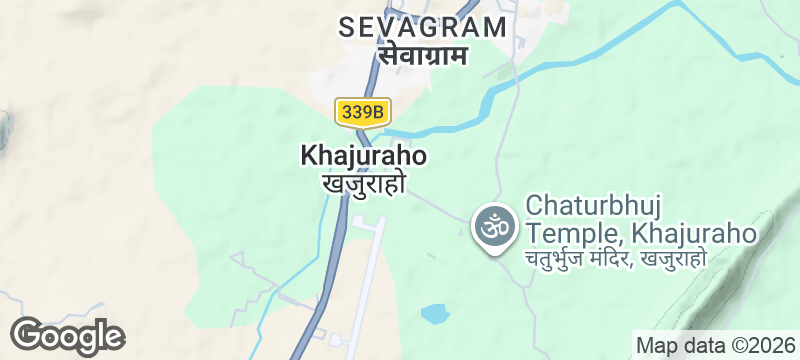
Raja's Cafe by the western gates has fed temple-goers for decades — the terrace faces the spires.
Khaja pastries, layered thin and crisp, sell from stalls outside the complexes.
Meknès
Morocco
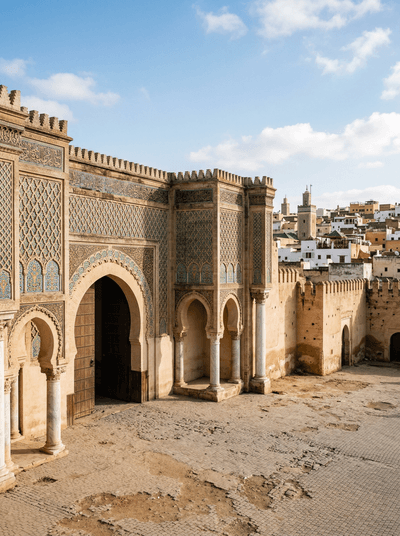
Water runs beneath roofless granaries where tribes once paid their taxes in grain.
Strasbourg
France
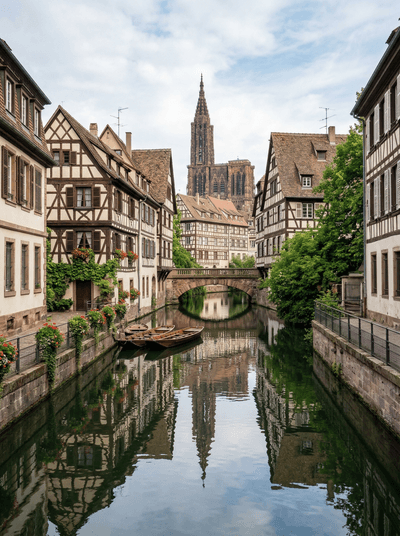
Half-timbered houses over still canals in a Petite France scented with sauerkraut and spice.
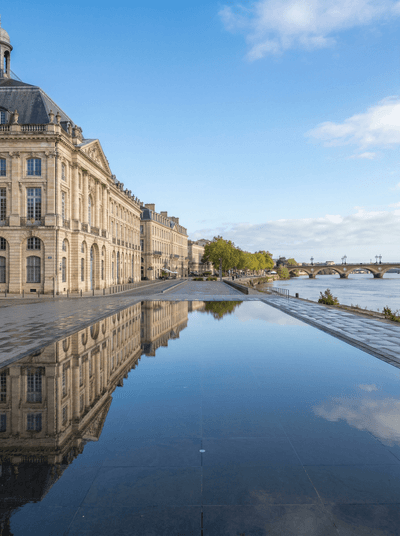
Bordeaux
France
Eighteenth-century grandeur doubled in the Garonne's water mirror — a wine capital scrubbed back to gold.
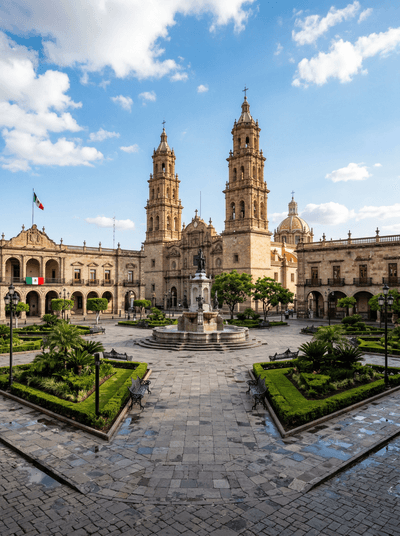
Guadalajara
Mexico
Orozco murals, market kitchens and mariachi nights animate Jalisco's largest city.
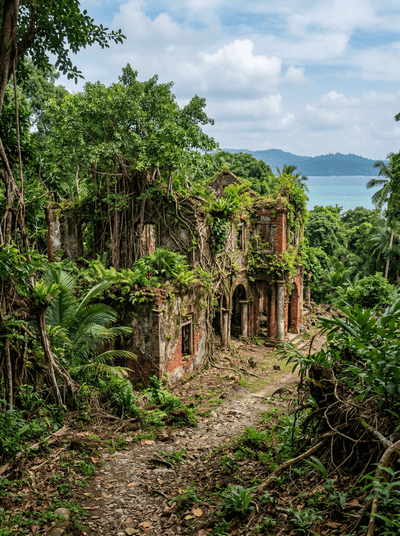
Netaji Subhas Chandra Bose Island (Ross Island)
India
A British colonial headquarters slowly being digested by ficus roots in the Andaman Sea.
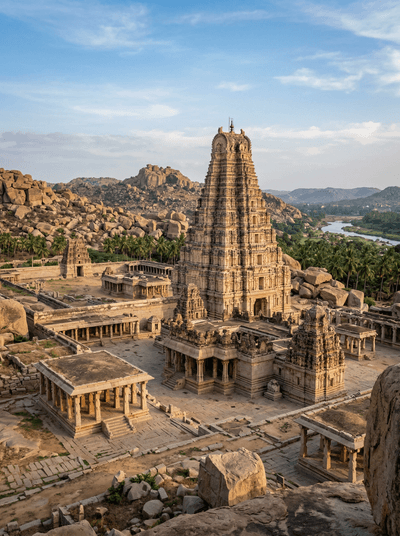
Hampi
India
A ruined empire scattered across a landscape of balancing granite boulders and banana plantations.
Khonoma
India
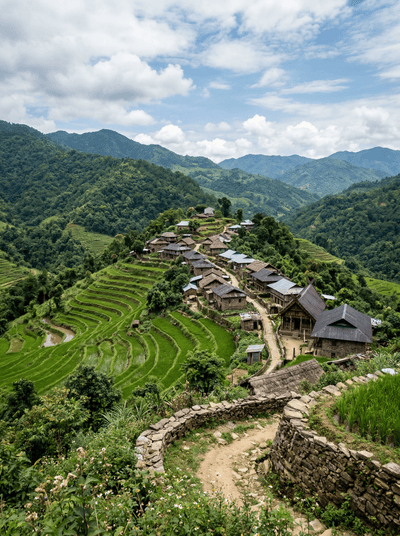
A warrior village clinging to terraced slopes that traded headhunting for deep forest conservation.
Chitkul
India
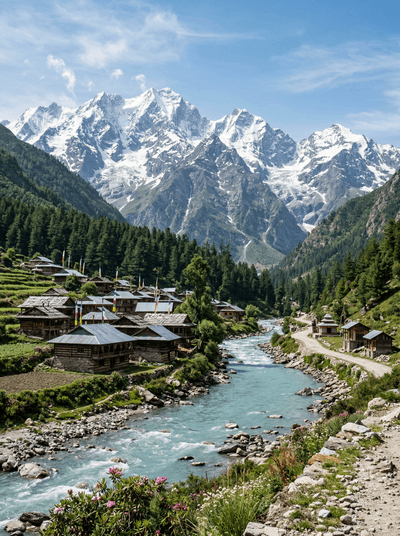
The last village before Tibet, its slate roofs weighted against winters that close the road.