Tanzania
Kilombero Valley
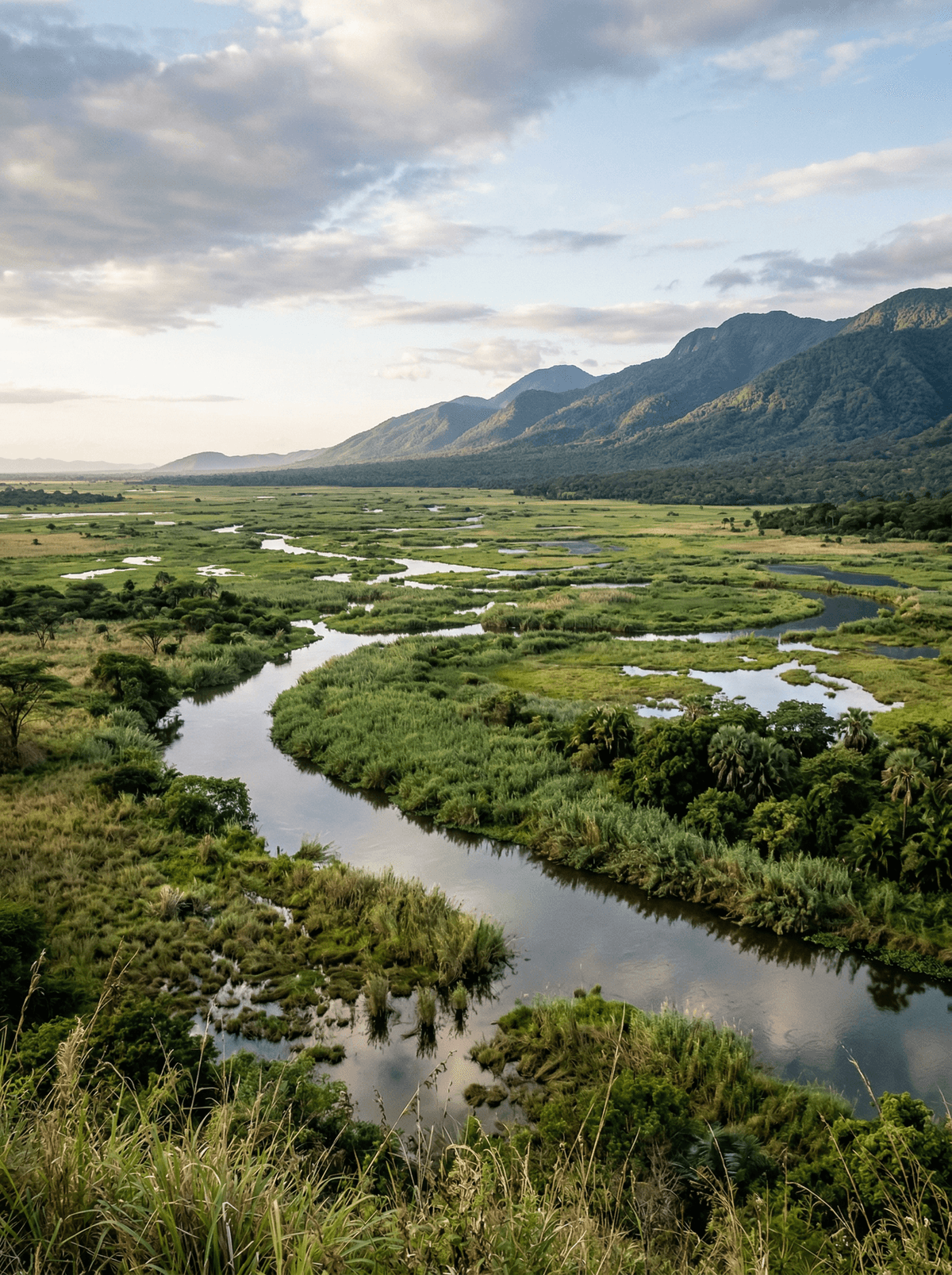
Puku graze East Africa's largest floodplain, walked by almost no outsider.
The valley floods to the horizon in the rains: East Africa's largest seasonal floodplain, puku antelope grazing land few outsiders have walked, rice paddies feeding half the country at its edges.
Kilombero spreads nearly 8,000 square kilometres between the Udzungwa and Mahenge highlands, East Africa's largest seasonal floodplain and a Ramsar-listed wetland where puku antelope hold one of their last great populations alongside hippos and crocodiles. The water level runs the calendar, wet-season flooding deciding what is reachable, and the valley doubles as one of Tanzania's great rice bowls, its wetland squeezed by that same success. Visits stage through Ifakara with local arrangement, June to October the dry, workable window.
Solo
Experienced solo birders should use local guidance and current roads to navigate Kilombero’s working seasonal wetland.
Couple
A pair can watch floodplain life around Ifakara while respecting farms, ferries and changing water access.
- East Africa's largest seasonal floodplain spreads nearly 8,000 square kilometres.
- Puku antelope keep one of their last strongholds on the grass.
- The Ramsar-listed wetland doubles as one of Tanzania's rice bowls.
- Water level, not the clock, runs the valley's calendar.
Kilombero rice is the valley's own crop, fragrant and everywhere.
Ifakara's kitchens cook the region's table; visits stage through the town.
Taveuni
Fiji
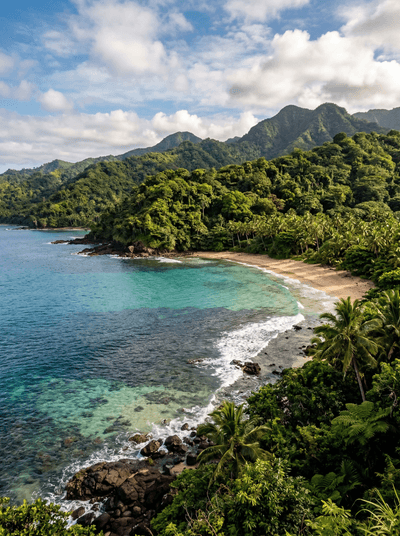
Stand astride the 180th meridian in rainforest, one foot in today, one in yesterday.
Parque Nacional Conguillío
Chile
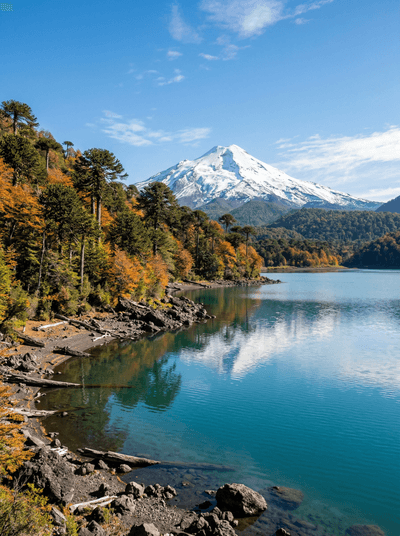
Araucaria crowns stand over black lava and clear lakes beneath Volcán Llaima.
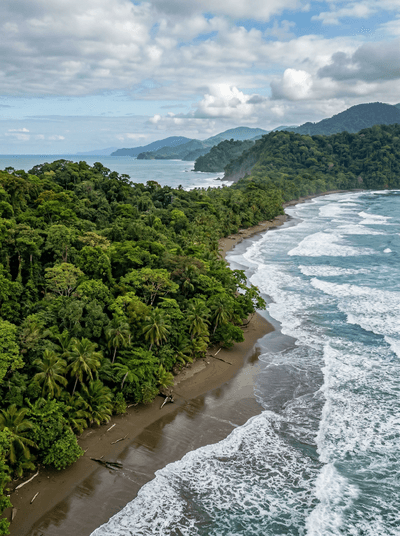
Corcovado National Park
Costa Rica
National Geographic called it the most biologically intense place on Earth. They undersold it.
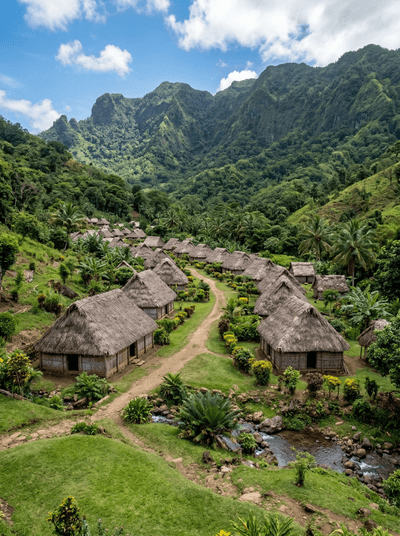
Navala Village
Fiji
Two hundred thatched bures, all built the same size, climb a valley above the Ba River.
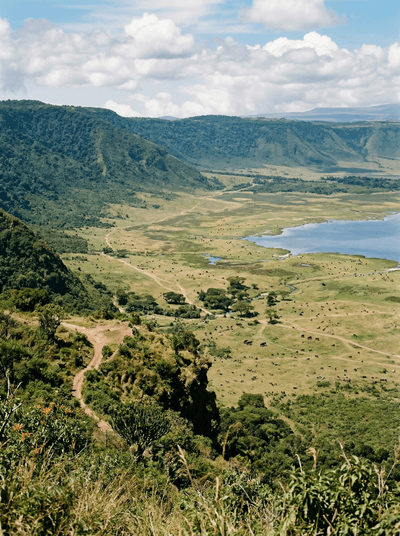
Ngorongoro Crater
Tanzania
A collapsed volcano holds its own weather, its own herds, and Maasai cattle besides.
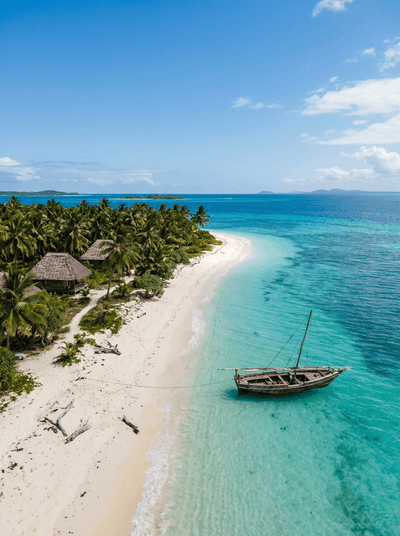
Fanjove Private Island
Tanzania
Green turtles nest beside a lighthouse whose ground floor serves dinner.
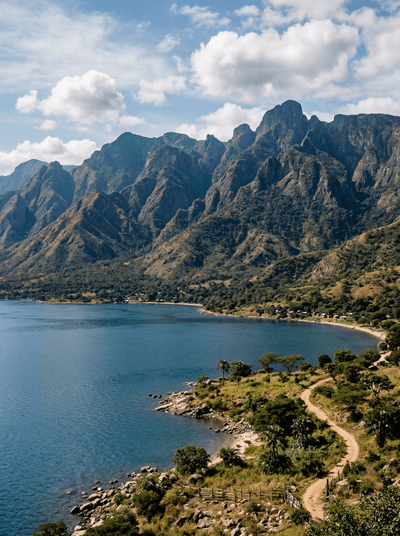
Livingstone Mountains
Tanzania
A green wall drops 1,500 metres from cold summits into a warm clear lake.
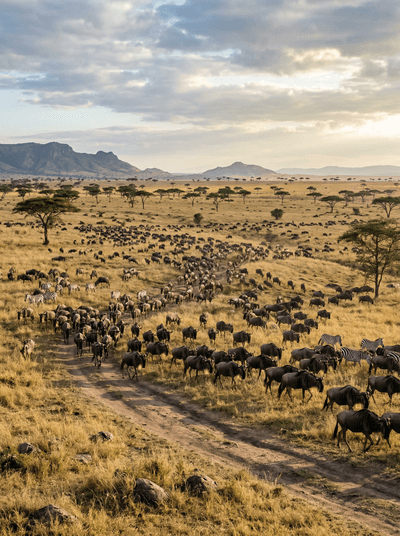
Serengeti National Park
Tanzania
Two million animals move with the rain across plains that have never known a fence.