Fiji
Labasa
A cobra-shaped rock at Labasa's snake temple has outgrown its roof twice.
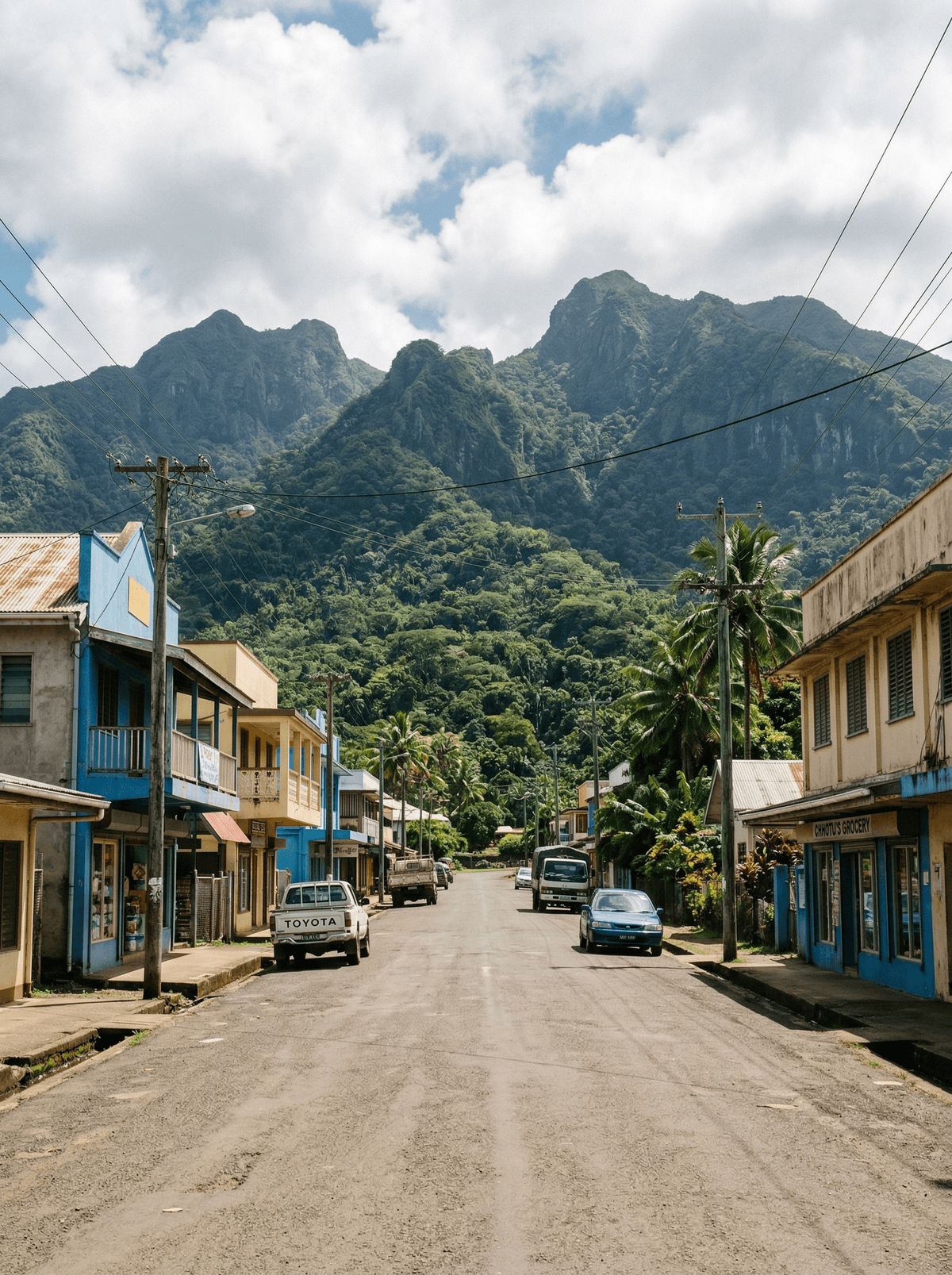
Temple bells cut through the Pacific heat. Hindu shrines rise above sugar cane that runs to the mountains, curry smoke drifts from shopfront kitchens, and out at Naag Mandir, devotees pour coconut milk over a basalt cobra that will not stop growing.
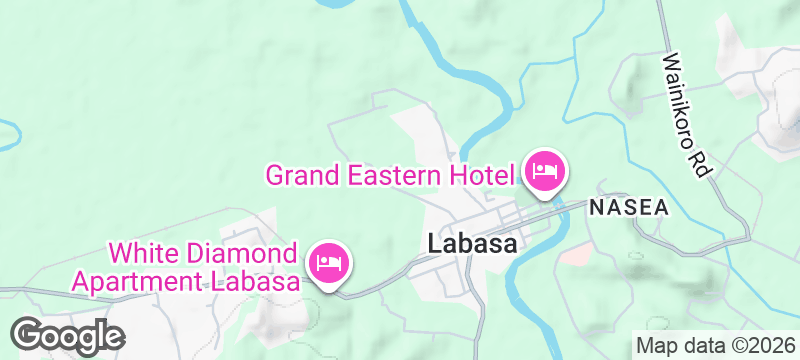
Labasa is northern Vanua Levu's commercial centre and a capital of Indo-Fijian life, built by the descendants of indentured plantation labourers around the cane industry. At Naag Mandir, the cobra-shaped stone that was knee-high in living grandmothers' memories now stands close to fifteen feet, its temple roof raised twice to fit it, and several hundred worshippers a day dress it in turmeric, incense and milk. Further out lies the Floating Island of Nubu, which legend says moves across its lake when the priest chants. Back in town the Saturday market runs frenetic, and the curry kitchens cook for a local clientele first, visitors second.
Solo
The market-and-temple circuit unfolds at street-food pace with nothing packaged for tourists; the diaspora story tells itself as you walk.
Couple
Share a goat roti at a family curry house, stand before the growing cobra stone, and find a Fiji neither of you knew existed.
Family
Temples above cane fields, a rock that outgrew its roof and a frenetic market teach children more about Fiji than any resort programme.
Friends
A curry-house crawl through Fiji's Indian heartland swaps sand for spice; the goat curry alone earns the trip north.
- Naag Mandir's cobra-shaped stone has grown from knee height in living memory to nearly fifteen feet, its roof raised twice.
- Several hundred devotees worship at the snake temple daily, with offerings of coconut milk and turmeric.
- The Floating Island of Nubu is said to move across its lake when the priest chants.
- The Saturday market runs frenetic, the commercial heart of Fiji's north.
Family-run kitchens serve goat and fish curries with dhal and fresh roti, priced for the local trade.
Labasa's market piles spices, tropical fruit and root crops high, with ready-to-eat parcels for grazing.
Assomada
Cape Verde
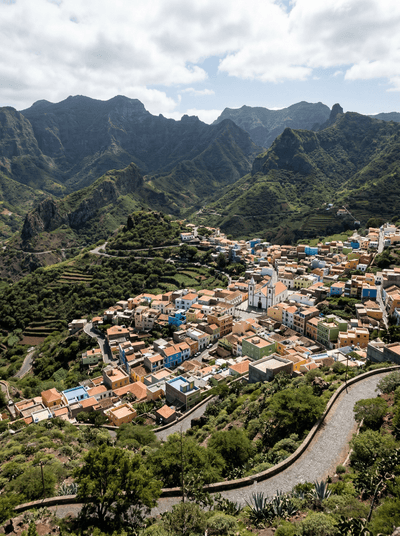
Papaya, maize and market din fill the highland town that feeds all Santiago.
Kondoa Rock Art Sites
Tanzania
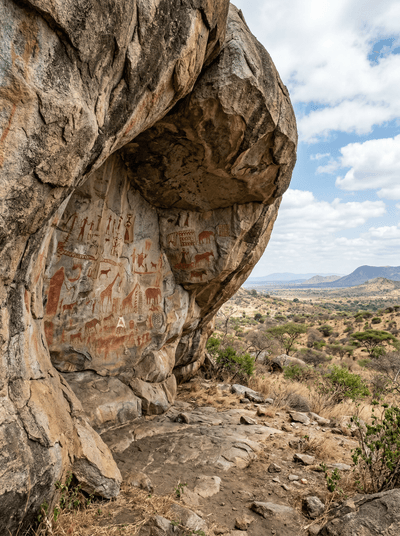
Ten thousand years of ochre hunters layer the sandstone of a valley few visit.
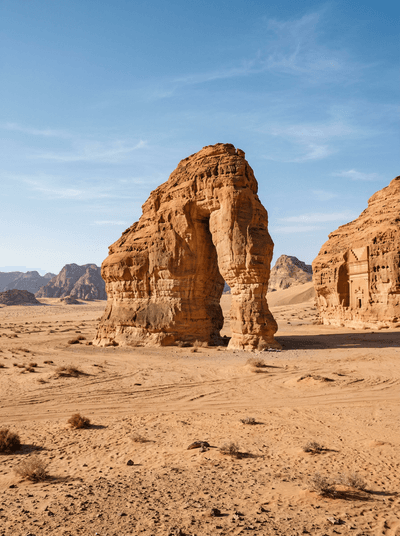
Al-Ula
Saudi Arabia
Nabataean tombs carved into sandstone cliffs that glow amber at dusk.
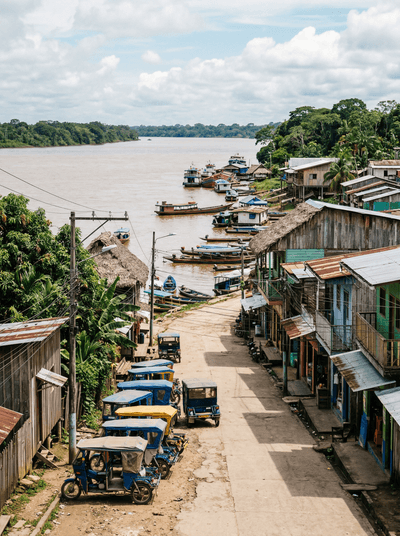
Iquitos
Peru
Half a million people in the Amazon with no road to the outside world.
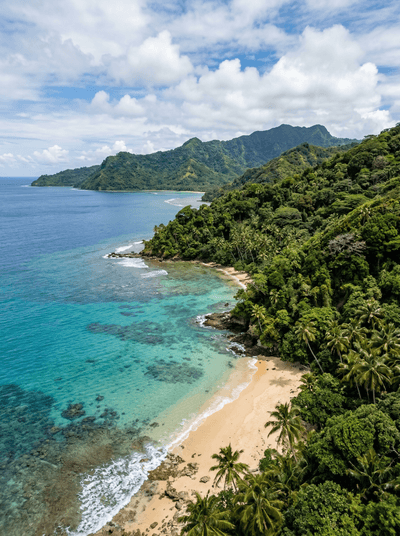
Koro Island
Fiji
Cyclone Winston flattened Koro in 2016; the villages rebuilt, and sailors still linger for the reefs.
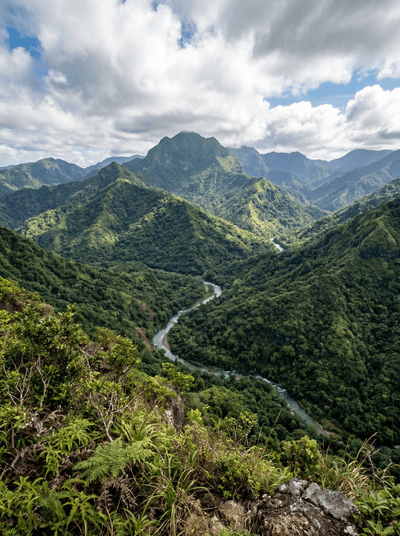
Namosi Highlands
Fiji
Bamboo rafts still run the cold green rivers under Namosi's cloud-hung jungle walls.
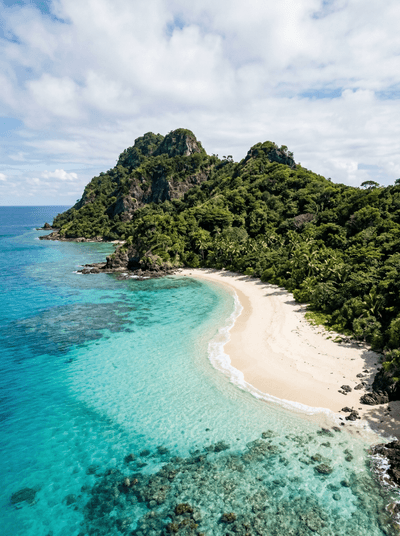
Monuriki
Fiji
The island from Cast Away truly belongs to crested iguanas brought back from the brink.