Peru
Iquitos
Half a million people in the Amazon with no road to the outside world.
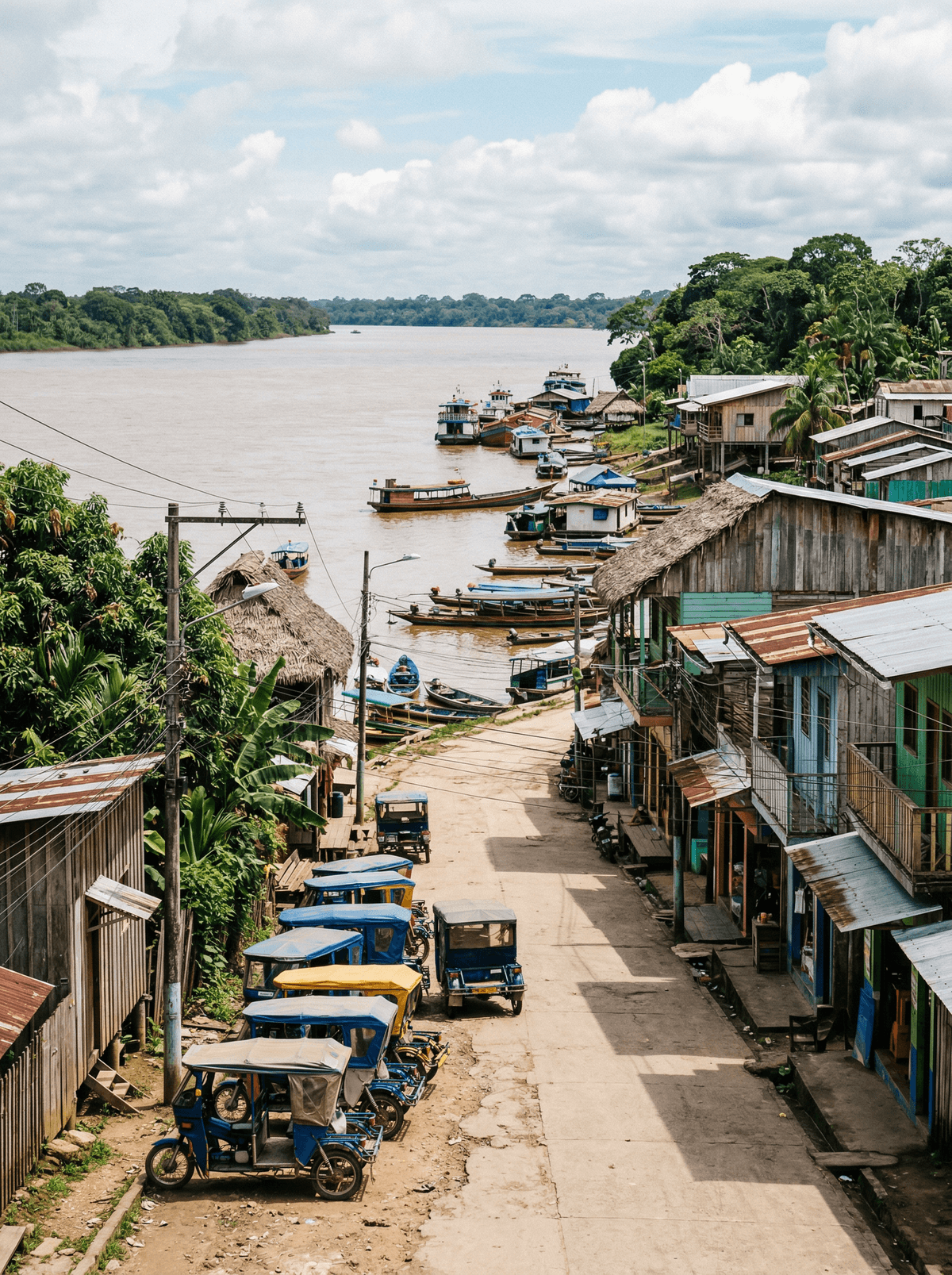
No highway reaches Iquitos. Arrival is by air or by days of river, and the city greets you with motorcycle-taxi chaos, grilled plantain smoke and the brown immensity of Amazon water sliding past its edge. Rubber-boom mansions clad in Portuguese azulejo tiles stand over a waterfront where market canoes still work the channels.
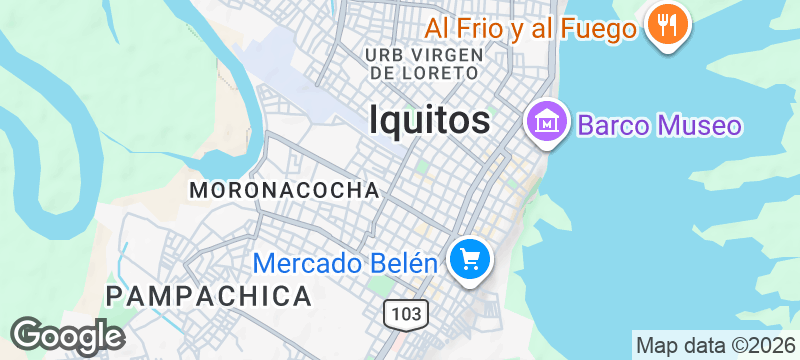
Iquitos is commonly described as the world's largest city unreachable by road — only a short local road leaves it, and then the forest and the rivers take over. The late-nineteenth-century rubber boom left its strange grandeur: iron buildings and tiled mansions on the malecón from the years when this jungle port briefly gorged on European wealth, a history whose human cost the city remembers too. Today it is the doorway to Loreto's reserves and a working river metropolis — the Belén market sprawls from land onto water, paiche and chonta and a hundred unfamiliar fruits deep; pink river dolphins surface in the surrounding channels on their own terms. Choose reputable operators, buy no wildlife products, and let cultural visits run through communities rather than around them.
Solo
Iquitos rewards improvisation within judgment — the market by canoe with a local guide, tacacho at a river stall, the Amazon setting the pace.
Couple
Rubber-baron tiles against floating-market bustle keeps the city surprising; a sunset river ride with dolphins possible — never promised — ends it properly.
Family
Short river outings suit children — wildlife appears on its own terms, and the food is approachable: grilled fish, plantains, fruit juices.
Friends
The launchpad for jungle expeditions — journeys into the reserves start here, and evenings mean cold beer on the malecón in a city you cannot drive to.
- Arrival is by air or river only — no highway has ever connected the city.
- Azulejo-tiled mansions on the malecón preserve the rubber boom's strange wealth.
- The Belén market spills from streets onto canoes along the river's edge.
- Pink river dolphins surface in the channels around the city — possible, never scheduled.
Juane — rice, chicken and olives steamed in bijao leaves — the jungle's fiesta dish.
Tacacho con cecina: mashed plantain beside smoked pork, with masato you'll love or flee.
Nubian Villages
Egypt
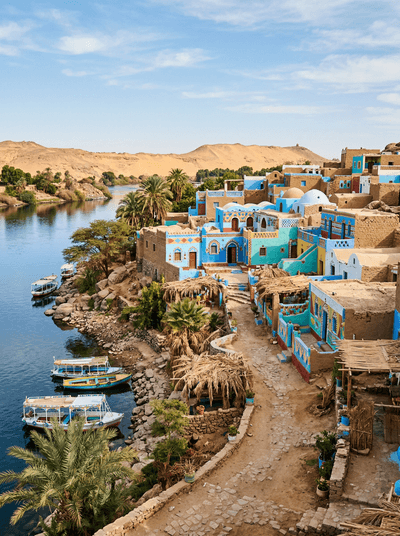
Houses painted impossible blue and yellow, a language older than Arabic spoken on every corner.
Totnes
England
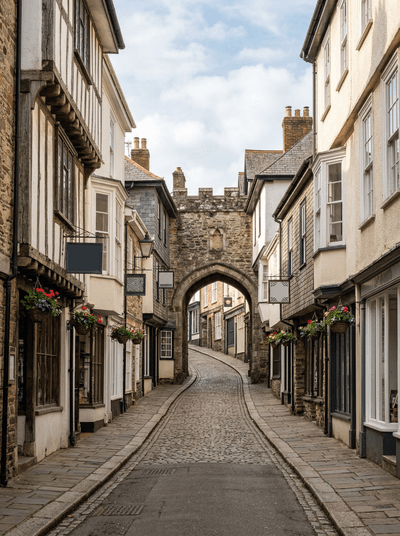
A hilltop town that declared itself independent, printed its own currency, and meant it.
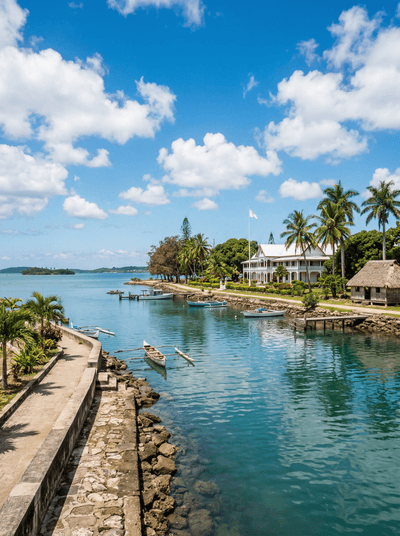
Nuku'alofa
Tonga
Sunday silence swallows an entire kingdom by law, then hymns break from every church at once.
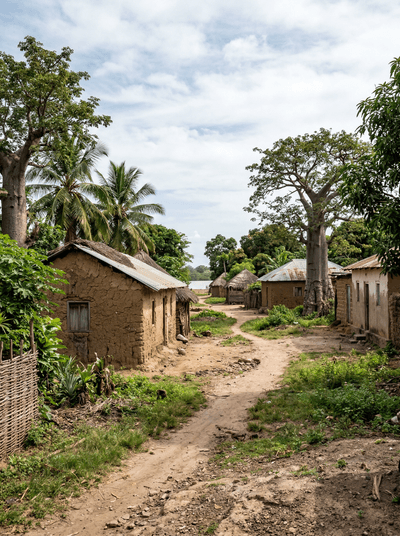
Juffureh
Gambia
A Kinte griot still recites the family line that pulled a diaspora back upriver.
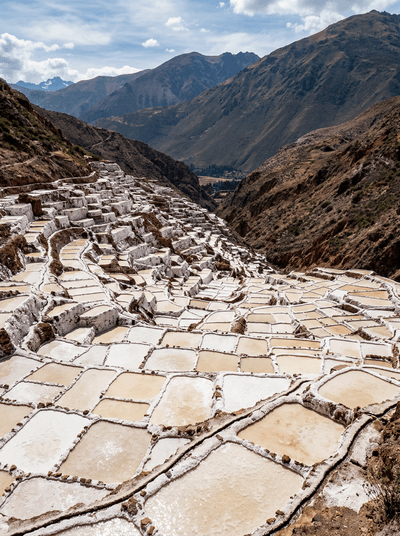
Salineras de Maras
Peru
Thousands of salt pans cascading down a mountainside, hand-harvested since before the Inca.
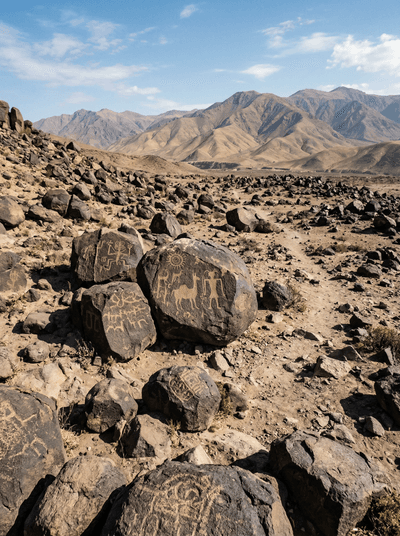
Toro Muerto
Peru
A desert of engraved boulders — thousands of petroglyphs, barely a visitor.
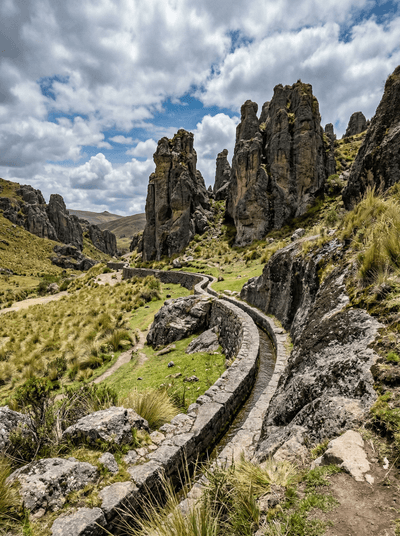
Cumbemayo
Peru
Pre-Inca aqueducts carved through living rock — still channelling water after millennia.
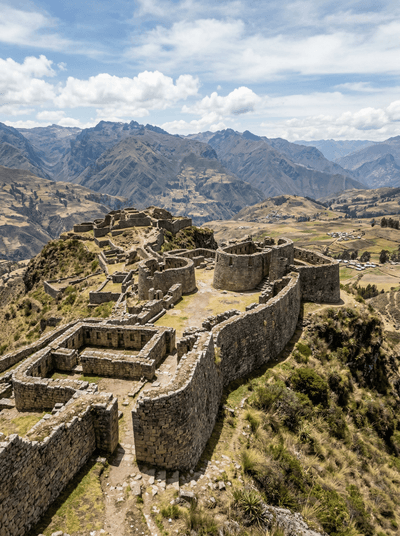
Marcahuamachuco
Peru
Kilometres of stone galleries crowning a mesa — pre-Inca grandeur without an audience.