Saudi Arabia
Al-Ula
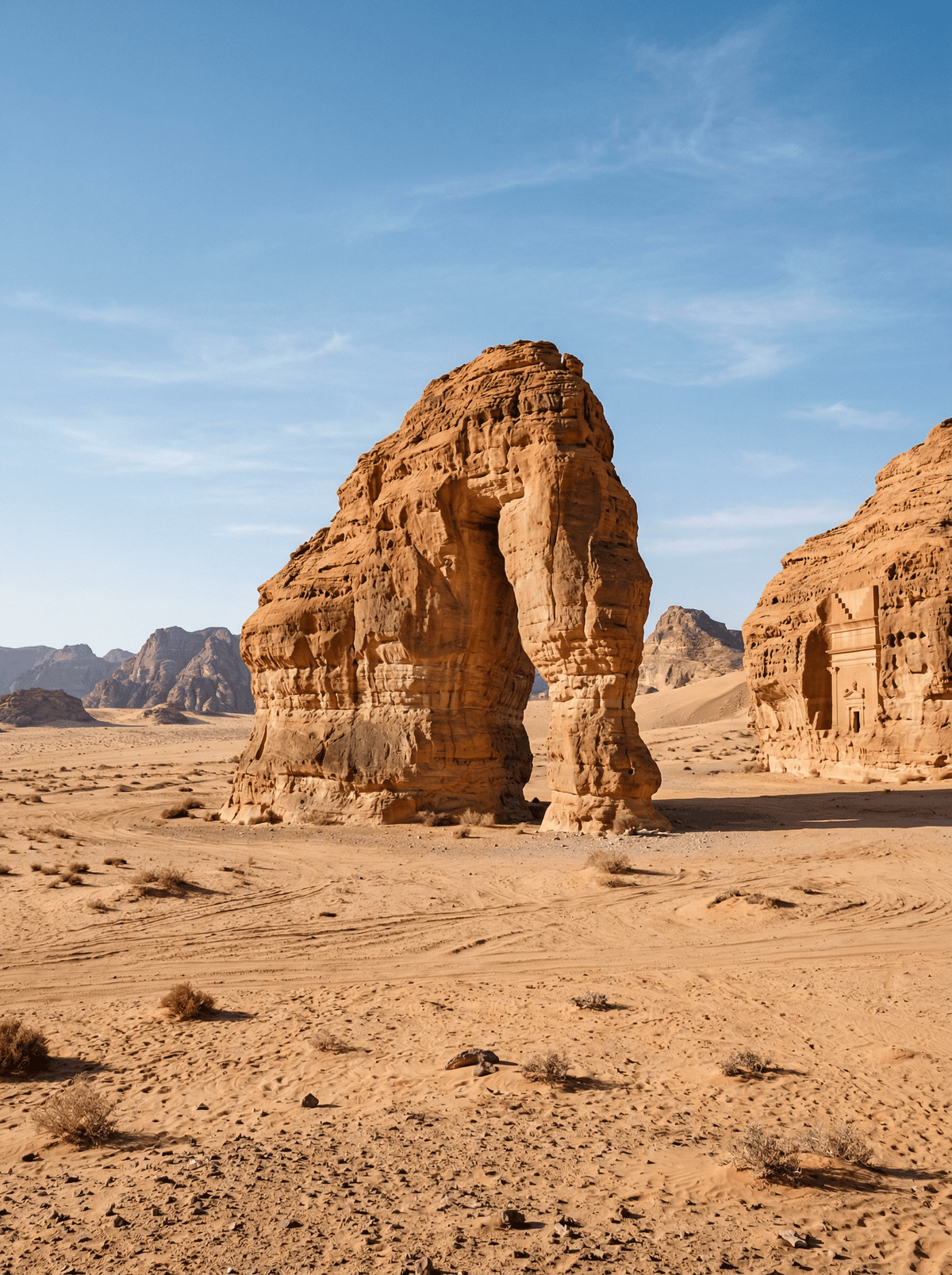
Nabataean tombs carved into sandstone cliffs that glow amber at dusk.
The sandstone cliffs of Al-Ula hold their colour until the last moment of daylight, shifting from gold to deep amber as the sun drops behind the Hejaz mountains. Carved into these cliffs are the tomb facades of Hegra — Saudi Arabia's first UNESCO World Heritage site — silent and sharp-edged after two thousand years. The air smells of warm rock and dust, and after dark the mud-brick maze of Old Town fills with lamplight, coffee and the murmur of its market street.
Al-Ula in Saudi Arabia is an open-air museum spanning multiple civilisations. The Nabataean tombs at Hegra date to the first century CE, contemporaries of Petra but far less visited. Below them, the ruins of Dadan — capital of the Lihyanite kingdom — hold carved lion tombs and inscriptions in a script few can still read. Jabal Ikmah, the canyon 'open library', preserves some three hundred Dadanitic and Lihyanite inscriptions — the densest concentration found anywhere — and joined UNESCO's Memory of the World register in 2023. The modern town sits in a narrow valley between sandstone outcrops, with Elephant Rock — a natural formation resembling a pachyderm in profile — standing as a landmark in the desert beyond.
Solo
Solo travellers find Al-Ula rewards slow exploration — the archaeological sites are spread across a wide valley, and the solitude between them is part of the experience.
Couple
Desert camps with private terraces face the rock formations, and dinner by firelight under the sandstone is as romantic as it sounds.
Family
Guided heritage tours make the archaeology accessible for children, and Elephant Rock is an easy, photogenic family stop.
Friends
The combination of archaeological depth, desert camping, and Maraya — the world's largest mirrored building, rising from the desert floor — makes Al-Ula a destination groups can shape to their own pace.
- Hegra's 111 monumental Nabataean tombs are carved straight into the sandstone — and draw a fraction of Petra's visitors.
- Elephant Rock stands alone in the sand, glowing deeper orange as the sun drops.
- Desert camps with private terraces face the rock formations, and AlUla's reserves rank among the world's largest certified Dark Sky Parks.
- Guided family heritage tours walk through Dadan's Lihyanite ruins and Al-Ula's restored Old Town alleys.
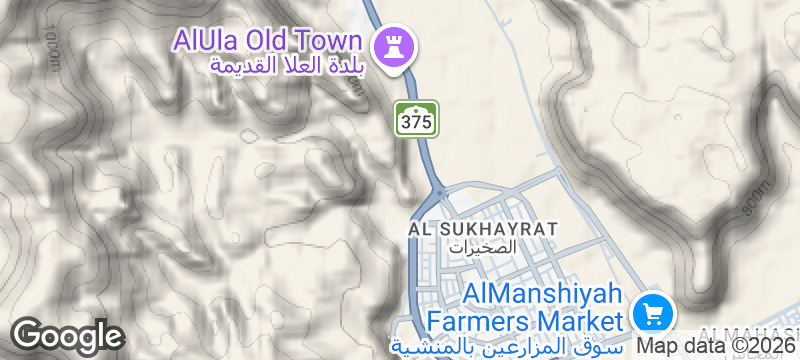
Barni dates — AlUla’s honey-sweet signature fruit, sold by growers at AlManshiyah Farmers Market.
Fresh oasis citrus — taste oranges, lemons and rare torounge during the January citrus season.
Matera
Italy
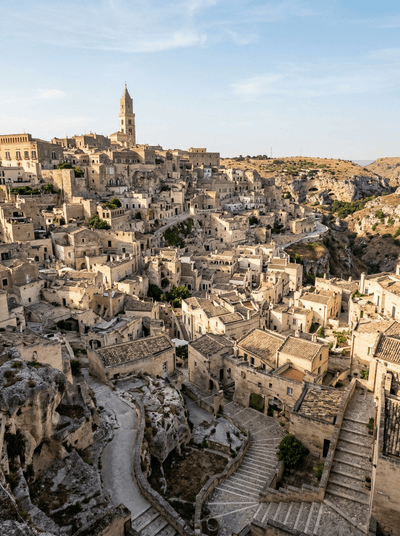
Cave dwellings stacked like a vertical labyrinth inside a ravine, inhabited for nine thousand years.
Porto
Portugal
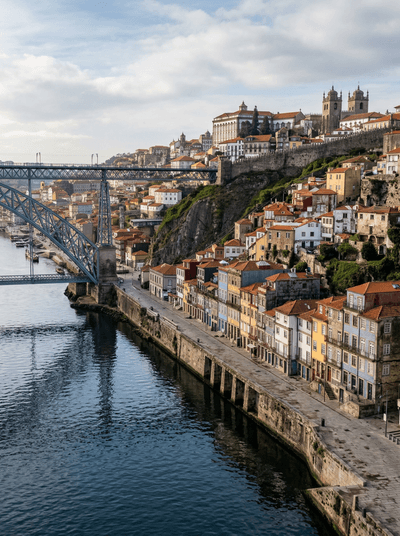
Port cellars carved into one bank while azulejo tiles turn the other blue.
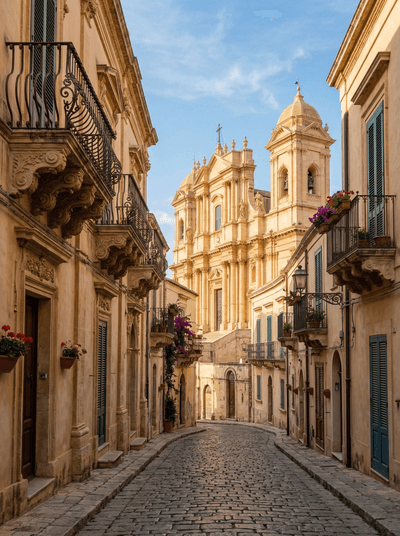
Noto
Italy
Rebuilt in honey-coloured stone after an earthquake, every facade a Baroque theatrical set.
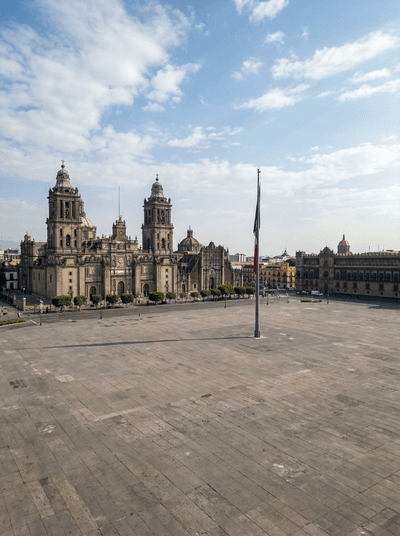
Mexico City (Centro Histórico)
Mexico
Temples, cathedral stones and Art Deco halls occupy the same sinking city core.
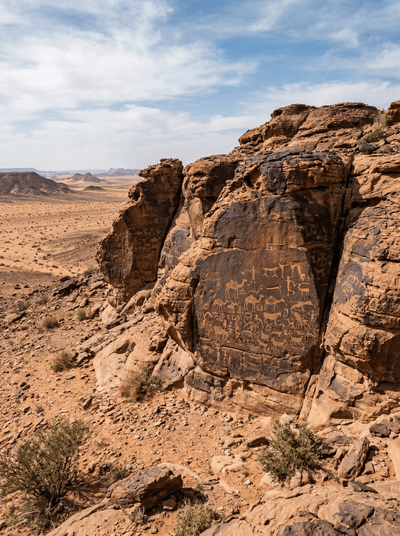
Jubbah
Saudi Arabia
Petroglyphs of camels, ibex and hunters carved into sandstone ten thousand years ago.
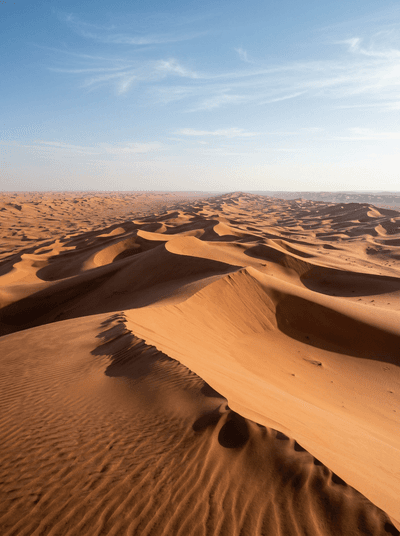
Rub' al Khali
Saudi Arabia
Dunes two hundred metres high stretching unbroken to every horizon, silence pressing like weight.
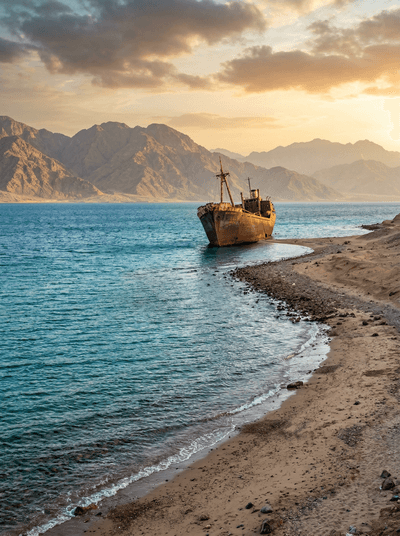
Haql
Saudi Arabia
A rusting cargo ship half-swallowed by turquoise shallows on a beach facing the Gulf of Aqaba.