Peru
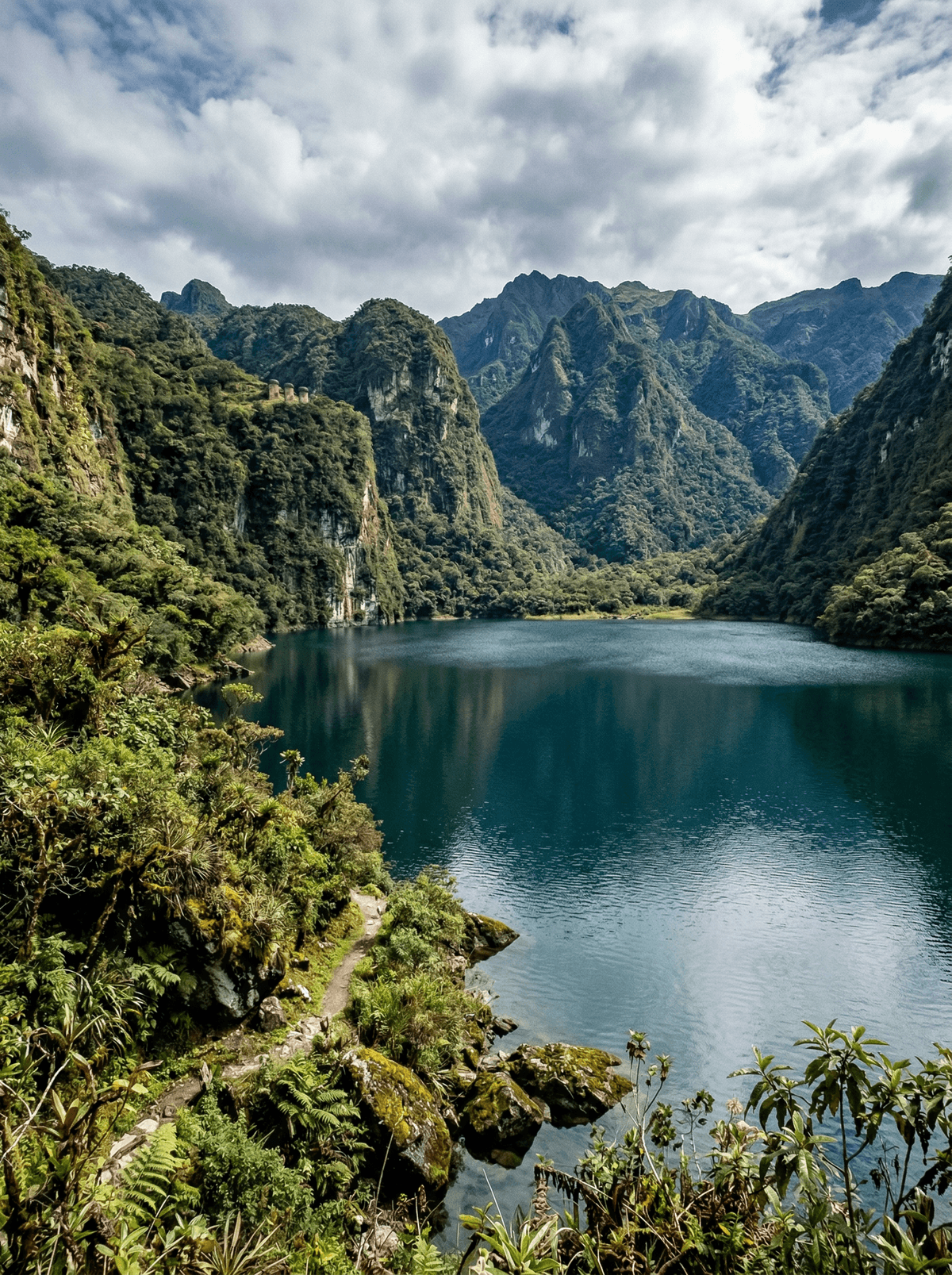
Laguna de los Cóndores
A pristine lake reached only by horseback, its cliffs still holding mummies in painted tombs.
Mist lifts from water so dark it swallows the sky's reflection whole. Cliffs ring the lake on three sides, their ledges still pocked with the niches where mummies once sat watching the water. The only sounds are hooves on wet stone and the slow wingbeats of condors descending to drink at dawn.
Laguna de los Cóndores in Peru's Amazonas region is reachable only by a nine-hour journey of horseback riding and hiking from Leymebamba — no road comes within thirty kilometres. When the cliff tombs were discovered in 1996, they held 219 Chachapoya mummies — the largest intact group of pre-Columbian mummies found anywhere. The mummies were relocated to the Leymebamba Museum, but the painted niches remain open on the cliff face, empty and exposed above the water. Andean condors nest on the upper crags and descend to the lake at first light. The isolation is absolute — this is a place that requires days, not hours, to reach.
Solo
The multi-day horseback approach is tailor-made for the self-reliant traveller seeking genuine remoteness. Arriving at the lake alone, with mule drivers for company, is one of Peru's most rewarding solitary experiences.
Friends
The trek demands endurance and rewards camaraderie. Sharing the campsite by the lake, trading stories with muleteers, and witnessing condors at dawn is the kind of expedition that bonds a group for life.
- The lake is accessible only by a 9-hour horseback and hiking journey from Leymebamba — no road exists within 30 kilometres of its shore.
- The cliff tombs on the lake's southern edge held 219 mummies when discovered in 1996 — the largest intact group of pre-Columbian mummies found anywhere.
- Andean condors nest on the cliffs above the lake and descend to drink at dawn when mist sits on the water's surface.
- The mummies removed to the Leymebamba Museum in 1997 are still visible in the original niches — empty and open on the cliff face above the water.
Trail rations of charqui and cancha shared with muleteers who know every switchback by heart.
Quinoa soup at the campsite by the lake, cooked over a portable stove as mist rises from the water.
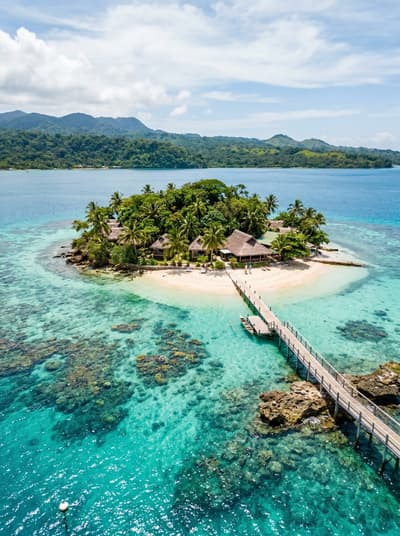
Hideaway Island
Vanuatu
Post a waterproof postcard from the world's only underwater post office, then snorkel its coral reef.
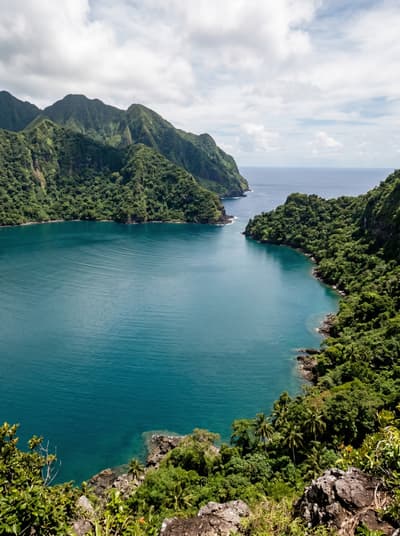
Ureparapara
Vanuatu
Sail into the flooded crater of a horseshoe-shaped volcanic island where fewer than 500 people remain.
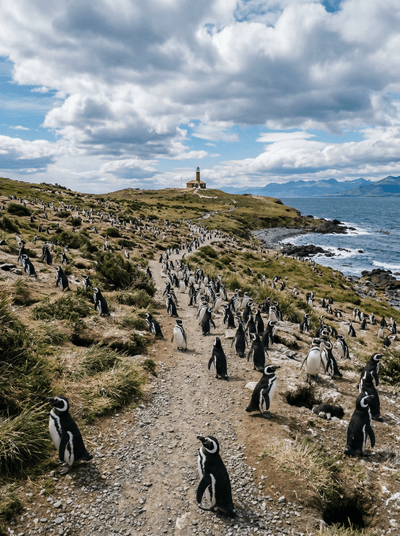
Isla Magdalena
Chile
Magellanic penguins in their tens of thousands, nesting so close you walk through their colony.
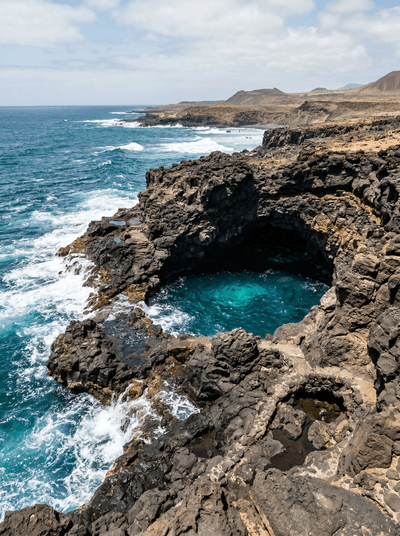
Buracona
Cape Verde
At midday, sunlight plunges through volcanic rock and ignites an underwater cave into electric blue.
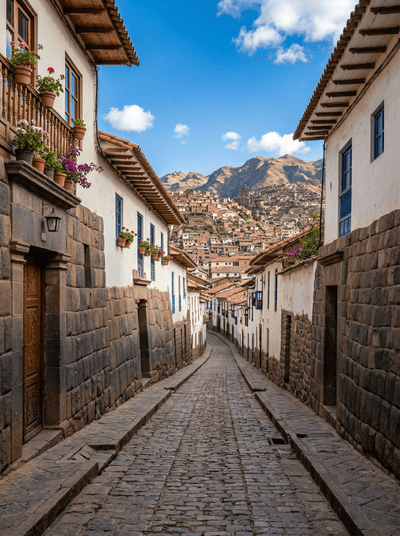
Cusco
Peru
Inca walls fitted so tightly a knife blade won't slide between the stones.
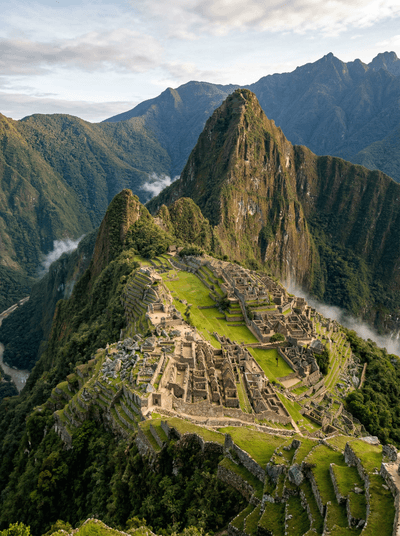
Machu Picchu
Peru
Cloud forest parts at dawn to reveal granite terraces balanced on the edge of the world.
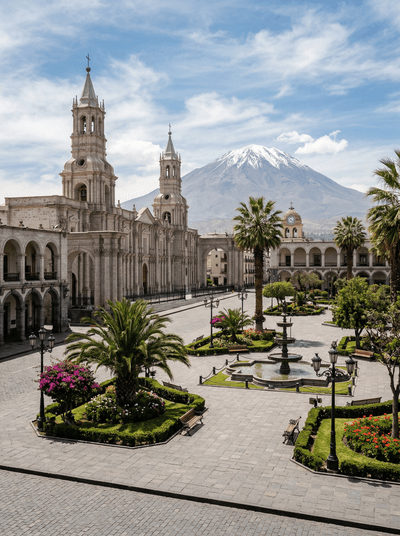
Arequipa
Peru
A city carved from white volcanic stone where every building glows amber at sunset.
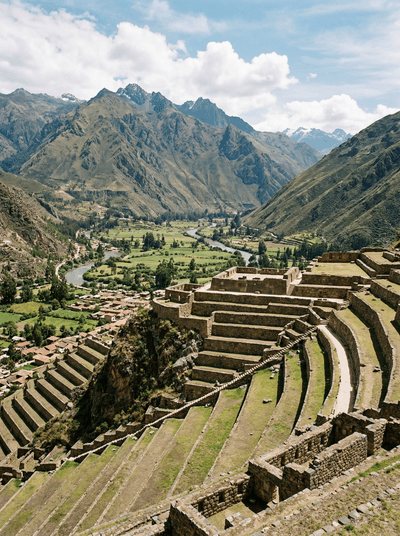
Sacred Valley (Ollantaytambo)
Peru
Inca water still flows through stone channels beneath the windows of a living fortress town.