Peru
Arequipa
A city carved from white volcanic stone that glows amber under three volcanoes.
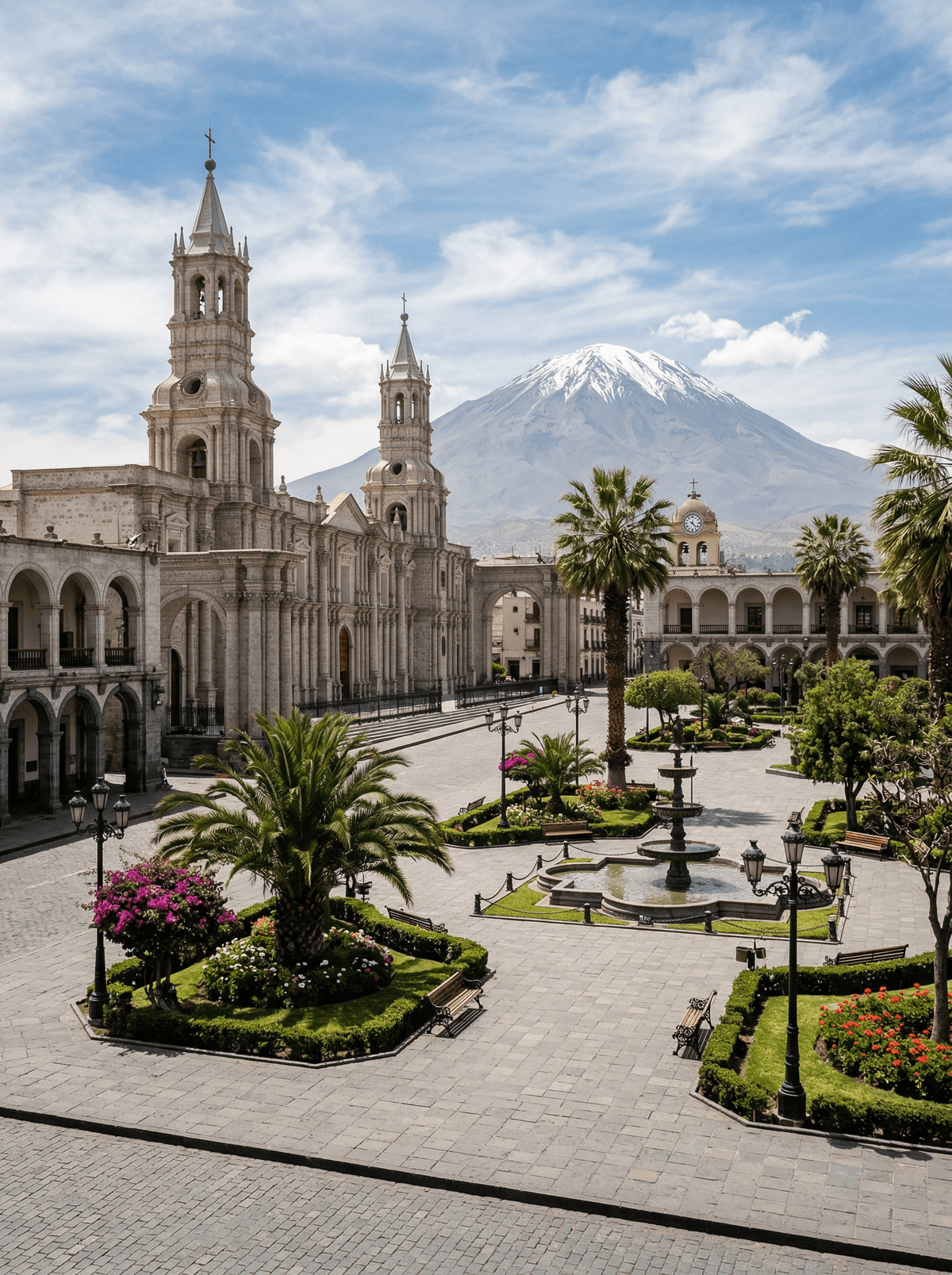
The light in Arequipa does something no other city replicates. The colonial centre is carved largely from sillar — pale volcanic stone — and in late afternoon the facades shift from chalk-white to honey against a sky so blue it stings. Misti, Chachani and Pichu Pichu stand on the horizon. The dry air at 2,335 metres carries rocoto peppers roasting behind some courtyard wall.
Arequipa is Peru's second city and the staging post for the southern Andes, its UNESCO-listed centre built from the volcanic stone its volcanoes supplied. The Santa Catalina Monastery is the singular set piece — a city within the city, some 20,000 square metres of blue-and-ochre lanes, cloisters and painted kitchens, closed to outsiders until 1970. Misti rises to 5,822 metres and anchors the skyline. And then there are the picanterías: family kitchens cooking in the same courtyards for generations, serving a cuisine that exists fully only here — rocoto relleno's stuffed heat, chupe de camarones thick with river shrimp, adobo simmered in chicha for breakfast. Acclimatise here before Colca; the city makes waiting a pleasure.
Solo
Santa Catalina absorbs a full solo morning — lose yourself in painted lanes, then eat queso helado scraped from a copper pot as the city turns gold.
Couple
Rooftop terraces on sillar hotels face the volcanoes, and a 400-year-old courtyard picantería makes dinner feel like a private event.
Family
The monastery's coloured corridors work as a maze adventure, Misti gives children geological scale, and queso helado carts close every argument.
Friends
Cooking classes in San Camilo market, pisco crawls through volcanic-stone bars and the Colca staging role make Arequipa a natural group base.
- Santa Catalina is a city within the city — 20,000 square metres, closed to outsiders until 1970.
- Sillar facades turn from chalk to honey as the afternoon light drops.
- Picanterías serve rocoto relleno and adobo from courtyards held for generations.
- Misti stands 5,822 metres over the colonial skyline with two volcanic companions.
Chupe de camarones — river-shrimp chowder rich with cheese and potato — ladled in picanterías since the colonial era.
Rocoto relleno: a spice-bomb pepper stuffed with meat under bubbling cheese, tamed by pastel de papa.
Sintra
Portugal
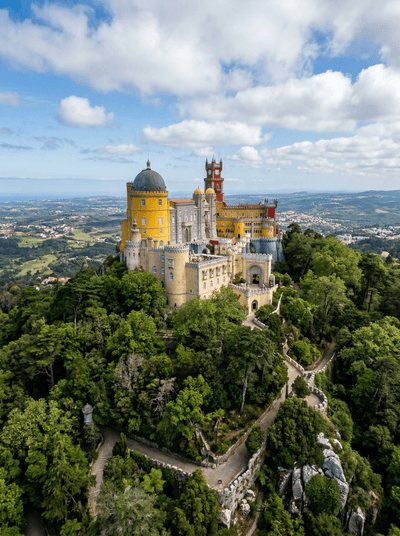
Moss-cloaked palaces vanish into mountain fog, each path revealing unannounced towers.
Matera
Italy
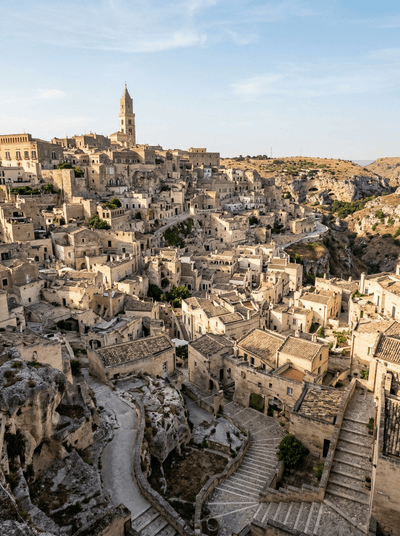
Cave dwellings stacked like a vertical labyrinth inside a ravine, inhabited for nine thousand years.
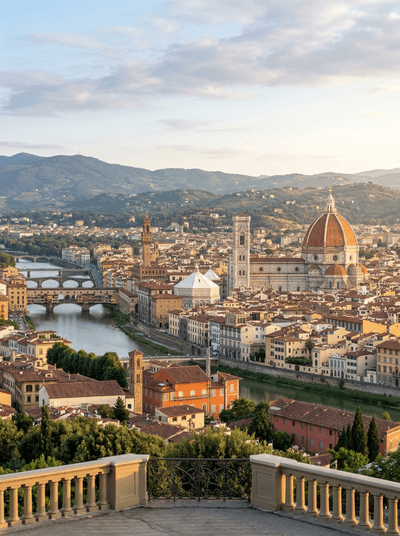
Florence
Italy
Terracotta rooftops from Brunelleschi's dome, the Arno gold at sunset, gelato in every piazza.
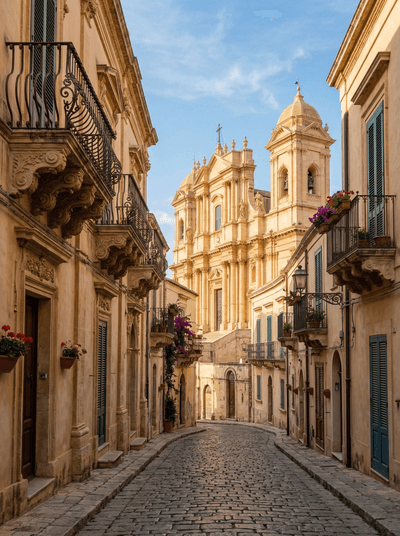
Noto
Italy
Rebuilt in honey-coloured stone after an earthquake, every facade a Baroque theatrical set.
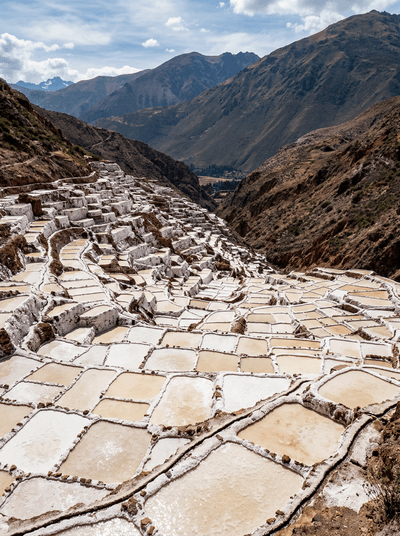
Salineras de Maras
Peru
Thousands of salt pans cascading down a mountainside, hand-harvested since before the Inca.
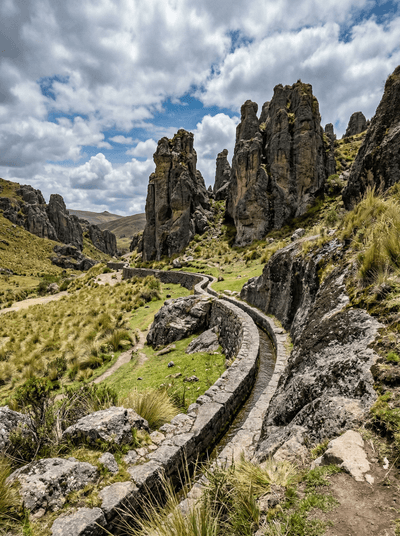
Cumbemayo
Peru
Pre-Inca aqueducts carved through living rock — still channelling water after millennia.
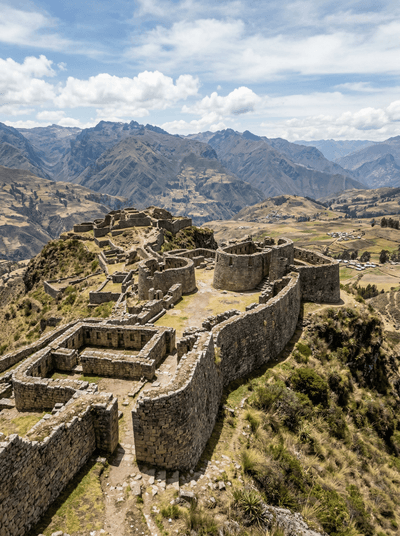
Marcahuamachuco
Peru
Kilometres of stone galleries crowning a mesa — pre-Inca grandeur without an audience.
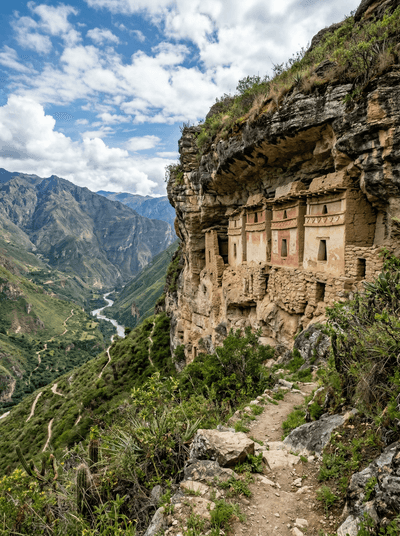
Revash
Peru
Miniature painted houses for the dead, set into a cliff above swirling cloud forest.