Tanzania
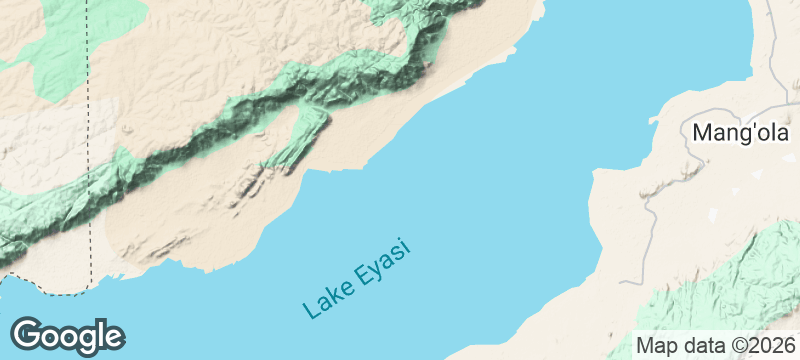
Lake Eyasi
The Hadzabe still hunt with bows at dawn beside a lake that comes and goes.
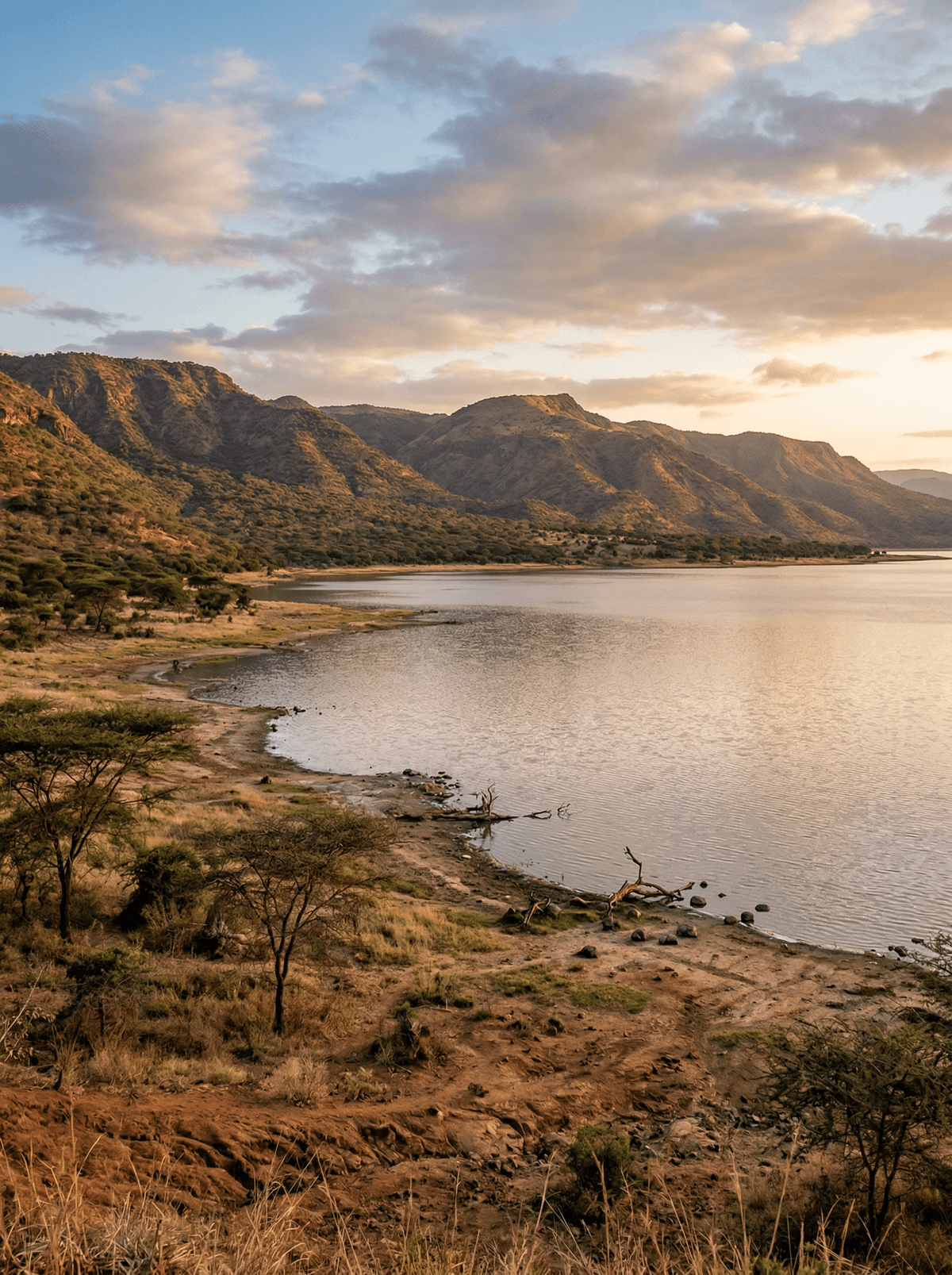
Dawn beside Eyasi belongs to the Hadzabe: bow hunts that begin before light, one of the last hunter-gatherer ways of life on Earth, continuing beside a soda lake that comes and goes with the rains.
Eyasi is a seasonal soda lake in the rain shadow below the Ngorongoro highlands, often drying to a dust-white flat, and its bush sustains the Hadzabe, roughly 1,300 people maintaining one of the last hunter-gatherer lifeways on Earth, alongside Datoga herder-smiths. Visits run community-led and arranged in advance, dawn hunts joined on the community's terms, and the camps around the lake cook from seasonal local produce. Most of the year works; only the April and May long rains argue.
Solo
Solo cultural travellers should book community-led programmes that make consent, hosting and fair payment explicit.
Couple
A pair can combine the shifting lake landscape with present-day exchange, avoiding performances of an imagined past.
Friends
Friends should choose one reputable Eyasi host and follow what participating Hadzabe or Datoga people elect to share.
- The Hadzabe maintain one of Earth's last hunter-gatherer ways of life.
- Dawn bow hunts are joined on the community's own terms.
- Datoga smiths work metal in neighbouring settlements.
- The lake swings from mirror to salt flat with the rains.
Kisima Ngeda's camp kitchen cooks from seasonal local produce at the lakeshore.
Community visits run on the hosts' arrangements; the camps handle the meals.
Manuel Antonio
Costa Rica
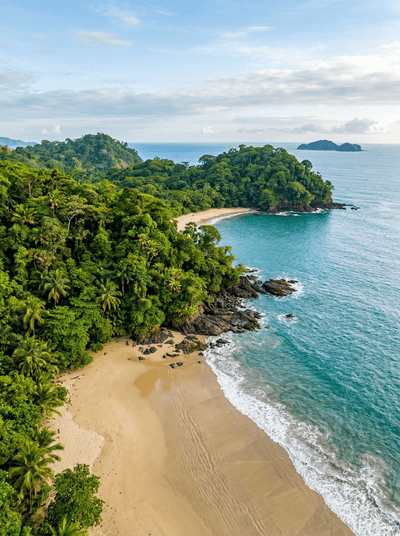
Capuchins patrol the sand beneath dozing sloths where rainforest walks into the ocean.
Vaitupu
Tuvalu
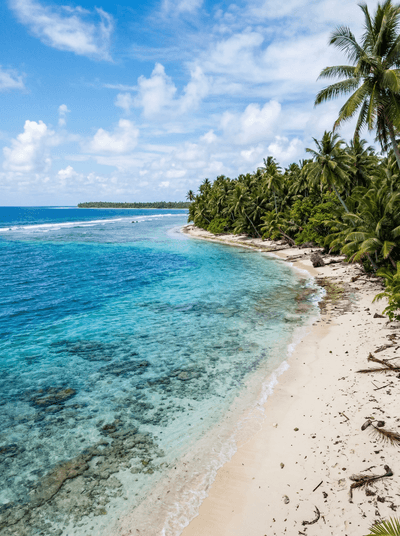
Tuvalu's largest island, where traditional sport te ano sends two woven balls flying at once.
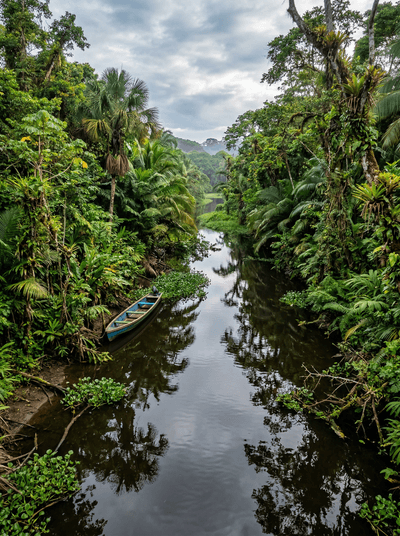
Tortuguero
Costa Rica
Jungle canals where green sea turtles haul onto black volcanic sand under a moonless sky.
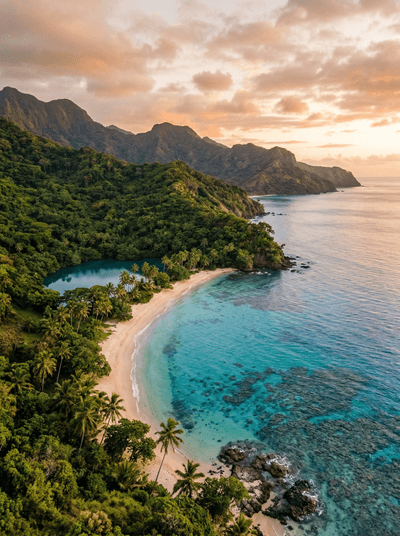
Kadavu
Fiji
Manta rays circle the world's fourth-largest barrier reef, off villages the road barely reaches.
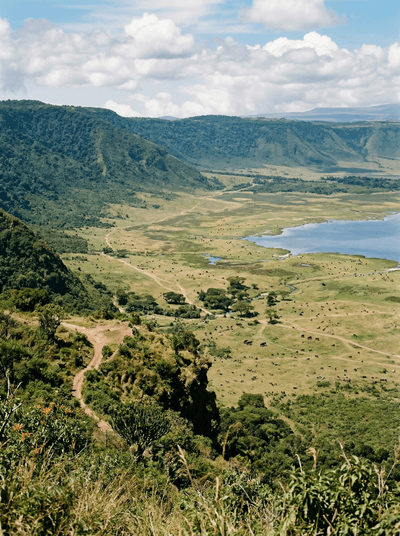
Ngorongoro Crater
Tanzania
A collapsed volcano holds its own weather, its own herds, and Maasai cattle besides.
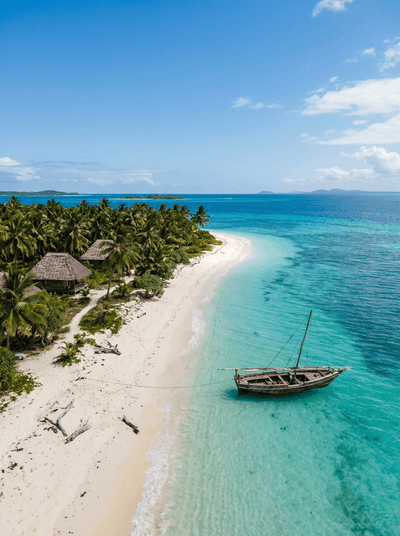
Fanjove Private Island
Tanzania
Green turtles nest beside a lighthouse whose ground floor serves dinner.
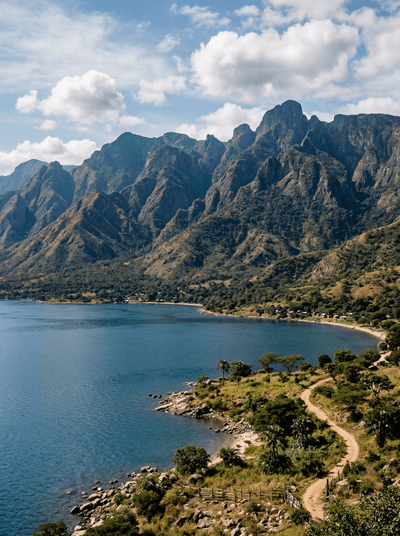
Livingstone Mountains
Tanzania
A green wall drops 1,500 metres from cold summits into a warm clear lake.
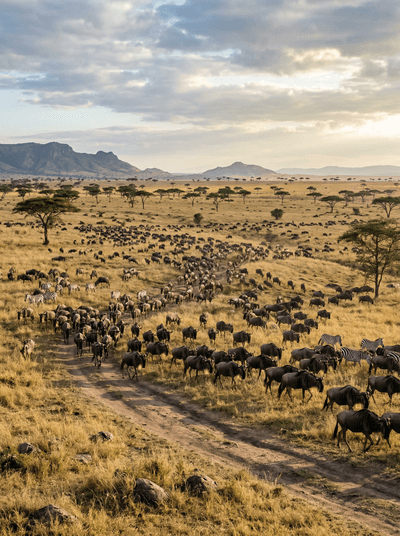
Serengeti National Park
Tanzania
Two million animals move with the rain across plains that have never known a fence.