Kenya
Lake Turkana
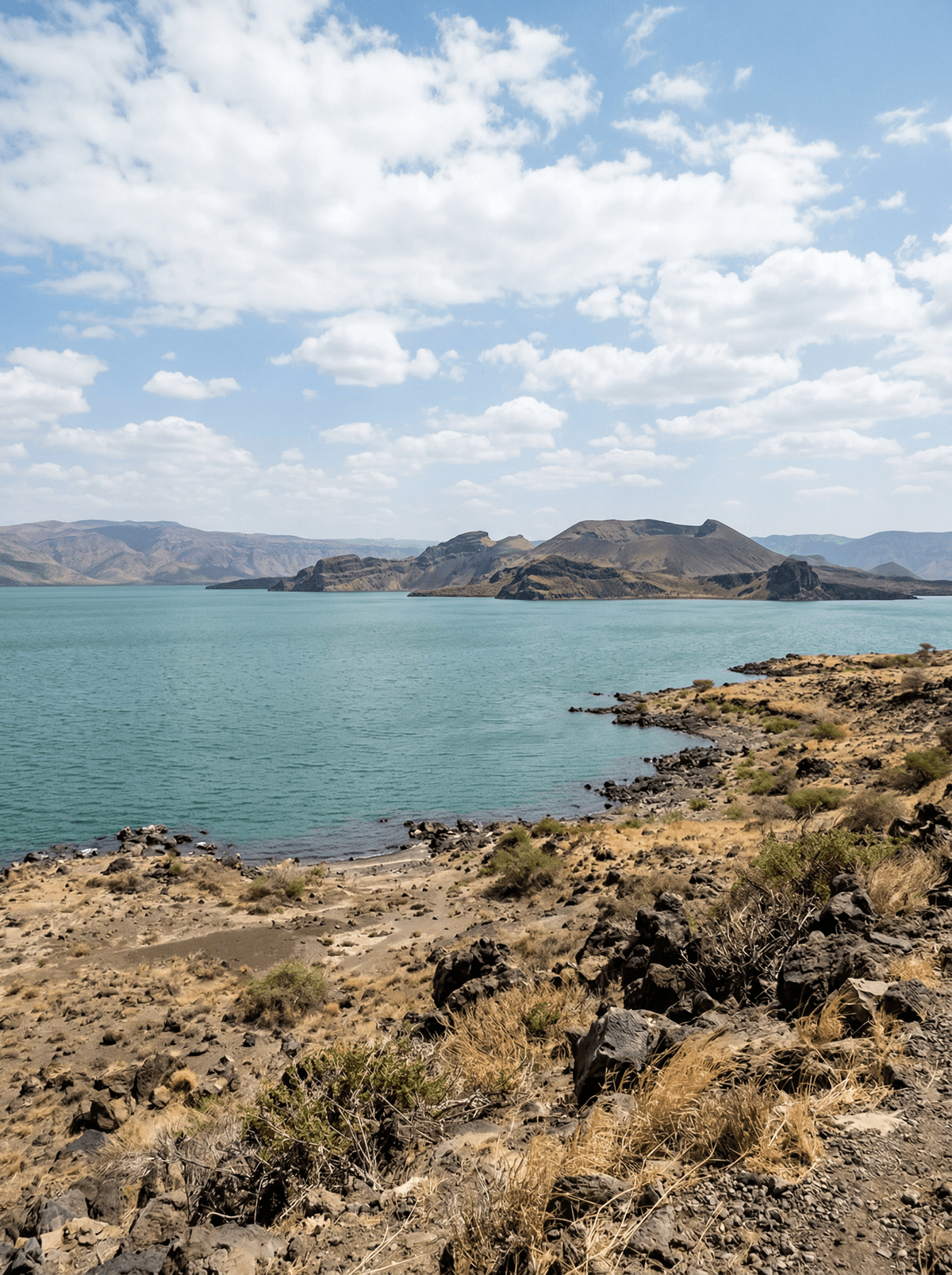
Jade water stretches across 250 kilometres of volcanic desert — no road, no city, just wind.
The water is jade — an unlikely, saturated green that seems wrong in a landscape of black lava rock and bleached bone. Wind rakes the surface into whitecaps that crash against a shore with no town, no jetty, no shade. Lake Turkana stretches 250 kilometres through volcanic desert in northern Kenya, and the silence between gusts is so complete you can hear your own pulse.
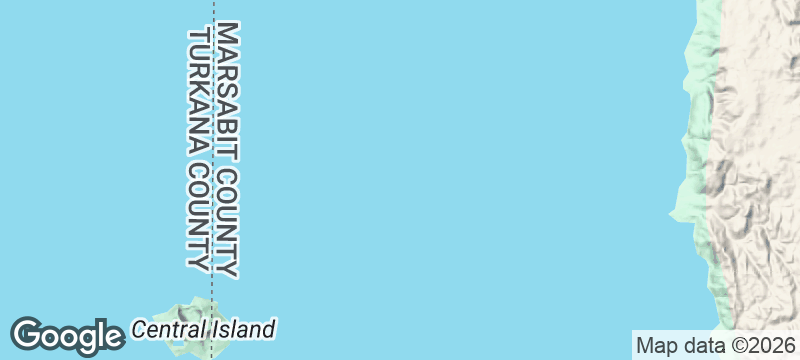
Lake Turkana is the world's largest permanent desert lake and the world's largest alkaline lake, filling a trough in Kenya's Eastern Rift Valley with 250 kilometres of jade-coloured water. Its eastern shore at Koobi Fora has yielded some of the most significant hominin fossil discoveries in history, including Homo erectus specimens dating back 1.5 million years. Three volcanic islands — Central, South, and North — rise from the lake, each hosting distinct ecosystems. The Turkana, El Molo, Rendille, and Gabra peoples have adapted to the extreme conditions around the lake for centuries. The Jade Sea, as it is known, receives almost no rainfall directly — it is fed primarily by Ethiopia's Omo River, making it vulnerable to upstream damming.
Solo
Lake Turkana is expedition-grade travel that strips everything back to essentials. Solo travellers prepared for rough roads, wind, and heat will find one of the most alien landscapes on the continent — and the solitude to absorb it.
Friends
The overland journey north from Nairobi — through the Chalbi Desert, past Marsabit's cloud forest — is a road-trip epic best shared. Split the logistics, share the driving, and arrive at the Jade Sea with stories already half-written.
- Lake Turkana is the world's largest permanent desert lake — 250 kilometres long, coloured jade-green by algae, sitting in a volcanic landscape accessible only by charter aircraft or multi-day 4WD overland.
- The Lake Turkana Basin UNESCO World Heritage Site contains over 3.3 million years of hominid fossil history — the surrounding badlands are still actively eroding new specimens from the ancient lakebed.
- Central Island, in the lake's centre, is the world's largest Nile crocodile breeding ground — an estimated 12,000 crocodiles inhabit the lake and its volcanic crater islands.
- Eight distinct ethnic groups converge around the lake — Turkana, El Molo, Gabbra, Rendille, Samburu, Borana, Dassanach, and Pokot — each with a distinct language, culture, and relationship with the water.
Fresh Nile perch grilled over charcoal on the lakeshore by Turkana fishermen.
Camel milk and dried fish served in woven shelters by Turkana women.
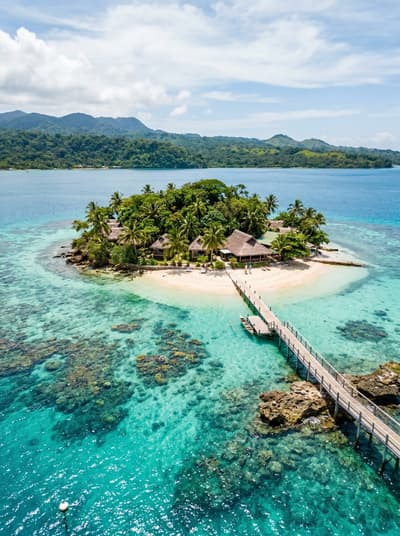
Hideaway Island
Vanuatu
Post a waterproof postcard from the world's only underwater post office, then snorkel its coral reef.
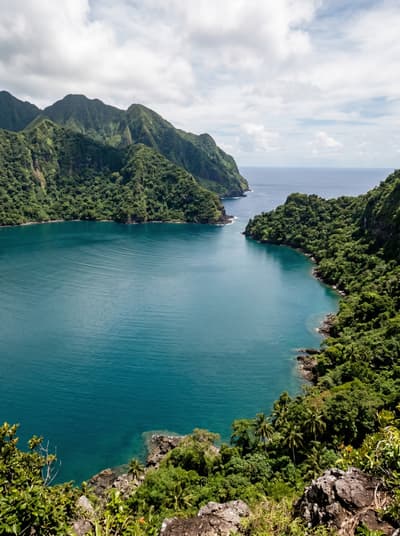
Ureparapara
Vanuatu
Sail into the flooded crater of a horseshoe-shaped volcanic island where fewer than 500 people remain.
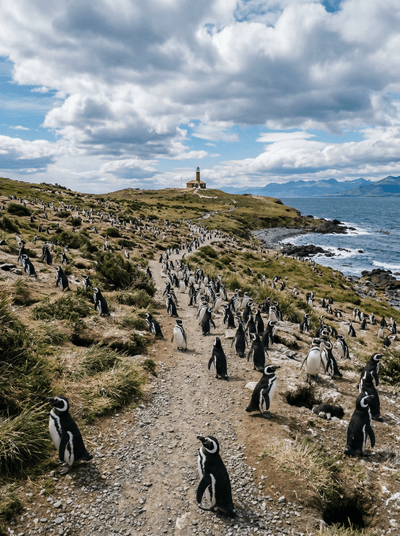
Isla Magdalena
Chile
Magellanic penguins in their tens of thousands, nesting so close you walk through their colony.
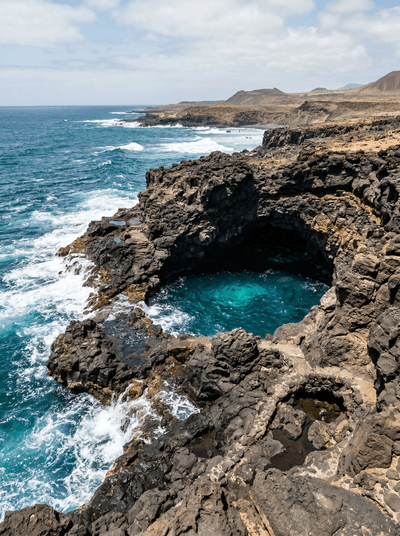
Buracona
Cape Verde
At midday, sunlight plunges through volcanic rock and ignites an underwater cave into electric blue.
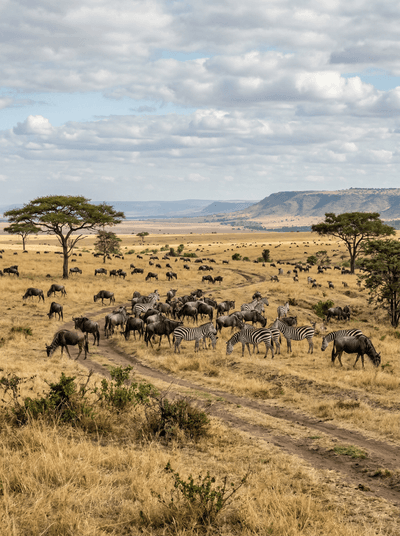
Masai Mara National Reserve
Kenya
Over a million wildebeest thunder across crocodile-thick rivers in Earth's largest land migration.
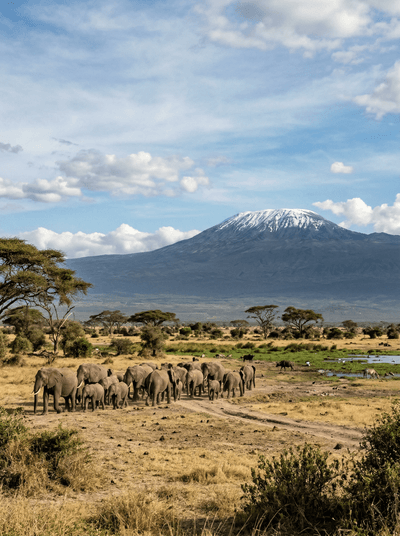
Amboseli National Park
Kenya
Elephants wade through swamp grass with Kilimanjaro's snow-capped peak floating above the haze.
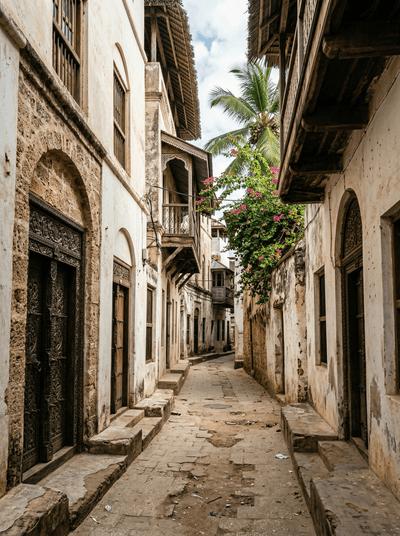
Lamu Old Town
Kenya
Donkeys replace cars on coral-stone lanes where Swahili doors tell centuries of family history.
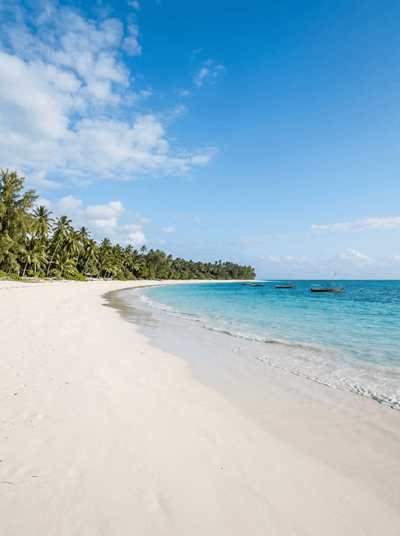
Diani Beach
Kenya
Colobus monkeys leap through the canopy above white sand so fine it squeaks underfoot.