Moldova
Bender
Ottoman walls where Sweden's exiled king sheltered after Poltava, now stranded inside a Soviet breakaway state.
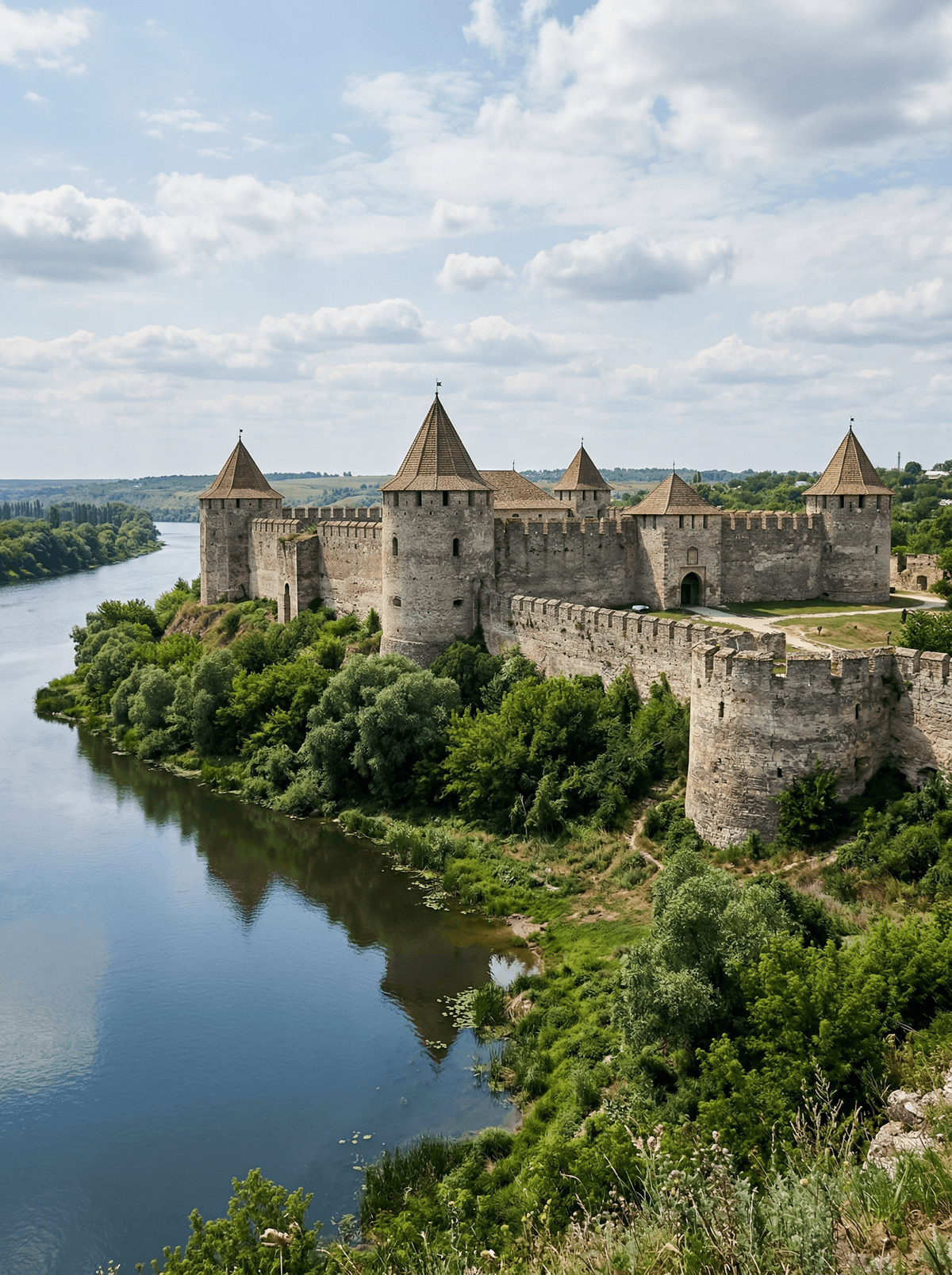
Ottoman stone walls rise above a Dniester river crossing that has changed hands more times than any fortress should survive. Cannons point outward from bastions that have faced Tatars, Turks, Russians, Swedes, and — most recently — the confusion of a war that ended in stalemate and never formally concluded. The air smells of cut grass and old mortar. A Transnistrian border post stands metres from a Moldovan one.
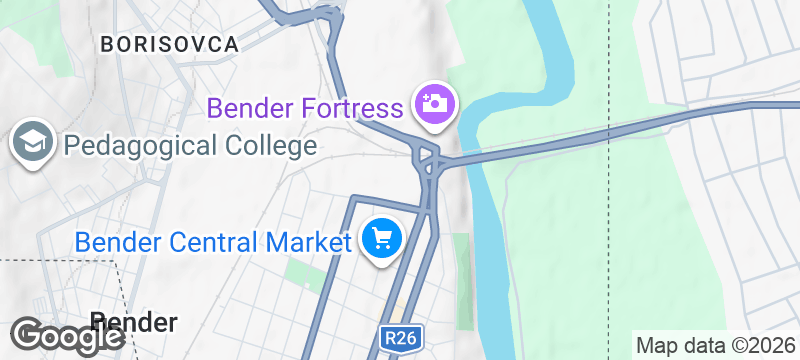
Bender Fortress was constructed in 1538 under Suleiman the Magnificent on the banks of the Dniester, and its stone towers survive largely intact across five centuries of siege and occupation. Charles XII of Sweden sheltered within these walls after his defeat at Poltava in 1709, spending months in exile before resuming his journey home. The fortress now straddles the ceasefire line between Moldova and Transnistria — entering requires navigating two separate jurisdictions within metres of each other. A museum inside documents the 1992 War of Transnistria, a conflict that ended in frozen stalemate. Outside the walls, Transnistrian cafeterias serve stuffed peppers and kompot at Soviet-era prices, while Kvint cognac bars and beer gardens provide a surreal coda to an afternoon spent walking through five centuries of European conflict.
Solo
The fortress rewards slow, attentive exploration — following the walls from Ottoman construction to the 1992 war museum maps half a millennium of European power shifts in a single afternoon.
Couple
The layered history of Bender — Ottoman, Swedish, Russian, Soviet, Transnistrian — gives you hours of shared discovery. The beer gardens outside the fortress walls offer an incongruously relaxed place to process what you've just walked through.
Friends
Crossing the Transnistrian border to explore an Ottoman fortress where a Swedish king once hid, then toasting with Soviet-era cognac — Bender is an improbable story that writes itself when shared.
Family
The fortress is large enough for children to explore freely — thick walls, corner towers, and cannon positions make it more engaging than most heritage sites. The story of a Swedish king sheltering here after battle gives history a narrative younger visitors can follow.
- The fortress was built in 1538 under Suleiman the Magnificent; its stone towers survive largely intact across five centuries of siege and bombardment.
- Charles XII of Sweden sheltered here after his defeat at Poltava in 1709 — the walls where he wintered are still standing.
- The fortress straddles the ceasefire line between Moldova and Transnistria — entering requires crossing two separate jurisdictions within metres of each other.
- A museum inside documents the 1992 War of Transnistria — a conflict that ended in stalemate and has never formally concluded.
Transnistrian cafeterias serving stuffed peppers and kompot at Soviet-era prices.
Kvint cognac bars and cheap beer gardens near the fortress walls.
Aspendos
Turkey
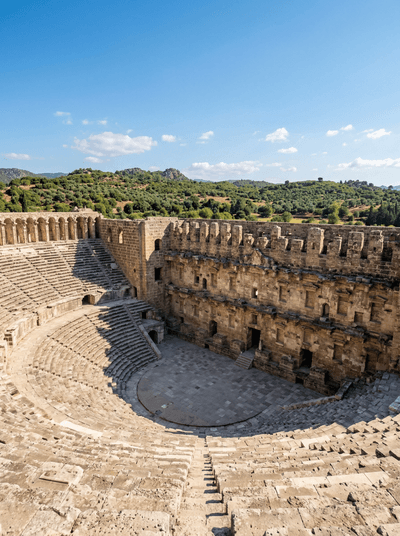
A Roman theatre so perfectly preserved that it still hosts opera under the original 2nd-century acoustics.
Myra
Turkey
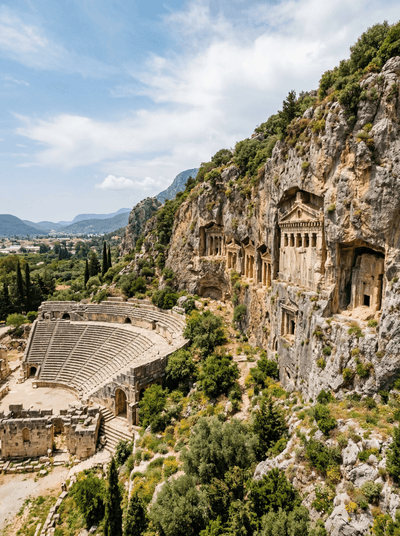
Rock-cut Lycian tombs stacked like a honeycomb above the church where Saint Nicholas was bishop.
Troy
Turkey
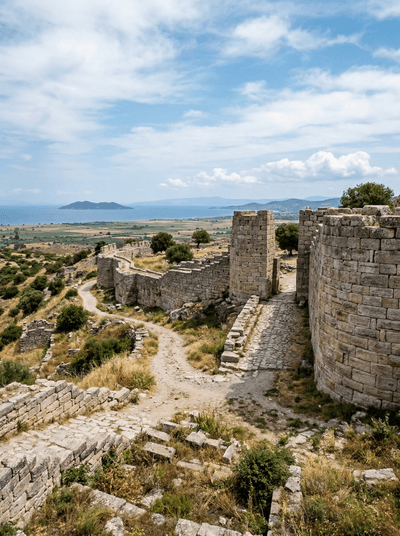
Nine cities layered on top of each other where Homer's war may have actually happened.
Gettysburg
United States
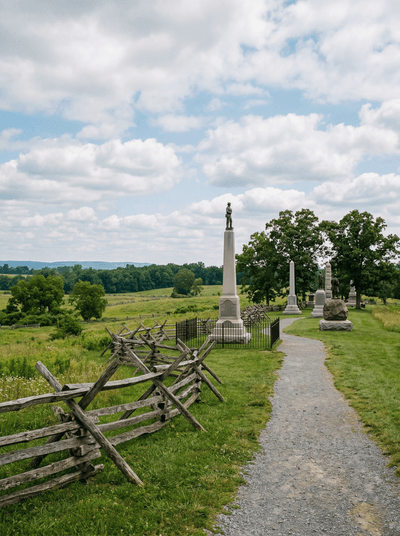
Fifty thousand fell in three days on fields where the silence still weighs on visitors.
Rudi
Moldova
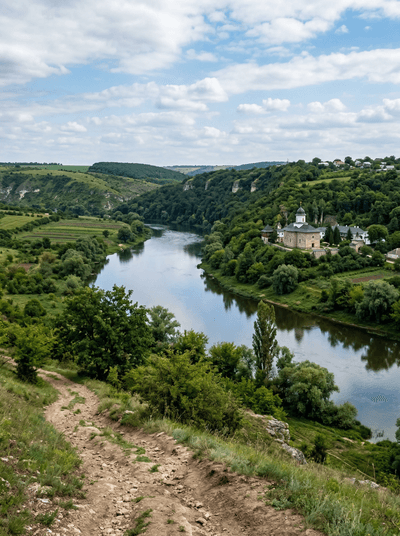
A Dniester cliff monastery marking the exact survey point where nineteenth-century scientists first measured the Earth.
Cosăuți
Moldova
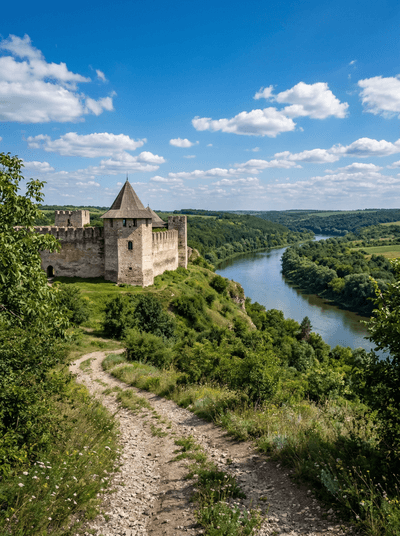
Palaeolithic cave dwellings peer from Dniester cliffs where ancient hunters watched the river for migrating game.
Saharna
Moldova
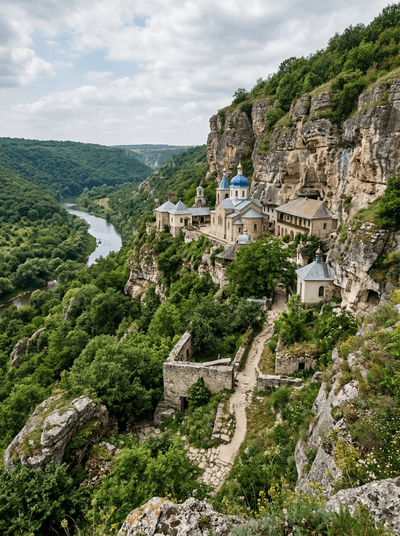
Twenty-two waterfalls through a wooded gorge to a monastery where pilgrims kiss a footprint in stone.
Codrii Nature Reserve
Moldova
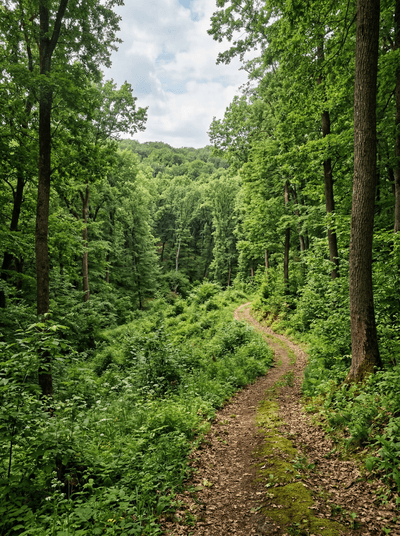
Wild boar root through ancient beeches in the one forest Moldova never cleared for grain.