Italy
Lucca
Renaissance walls wide enough to cycle on, wrapped round the city where Puccini was born.
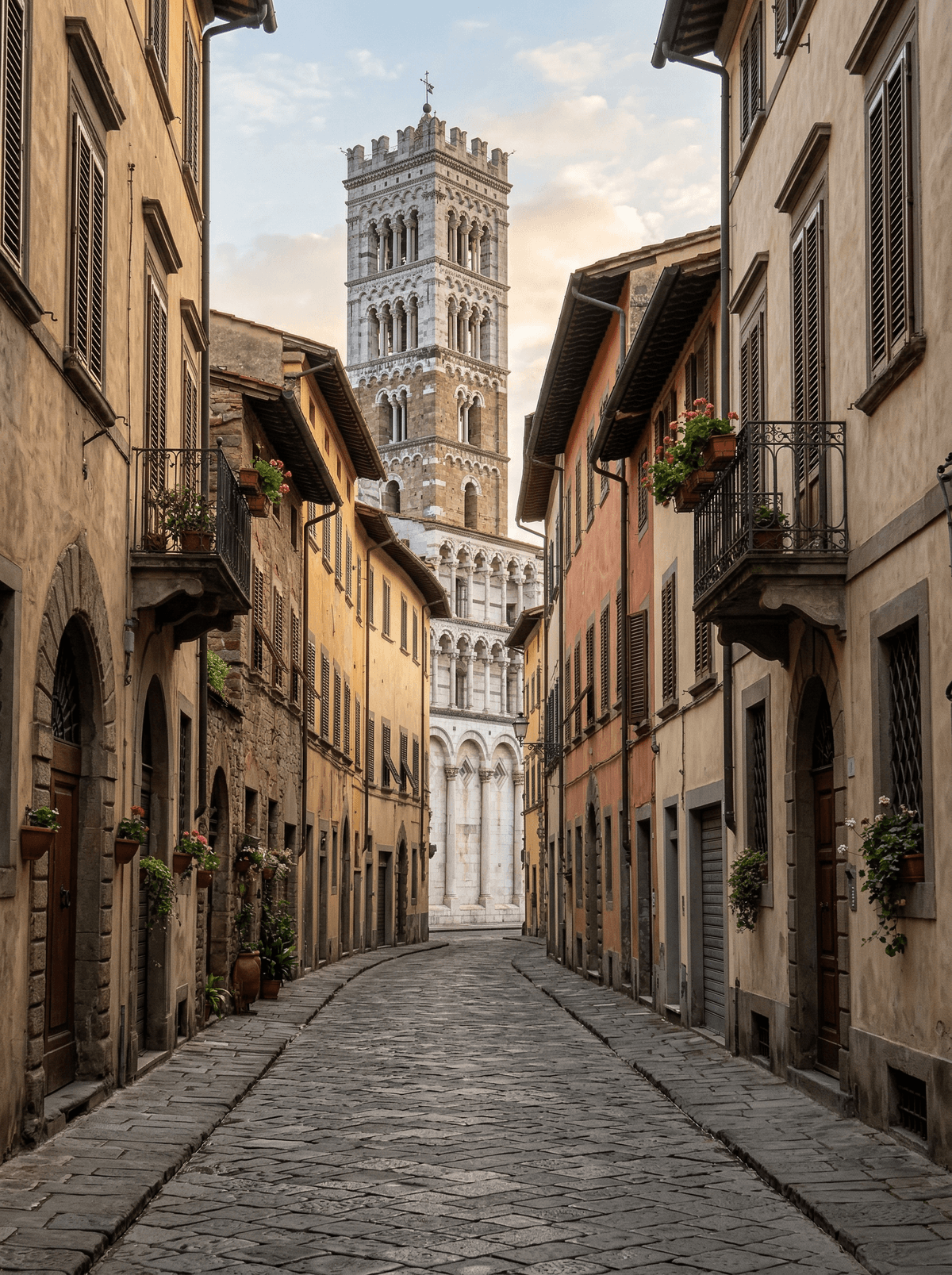
The walls are wide enough to cycle along, shaded by plane trees, terracotta rooftops on one side and Tuscan hills on the other. Inside, streets follow Roman and medieval lines and open into piazzas like clearings in a stone forest. One of them holds the house where Puccini was born.
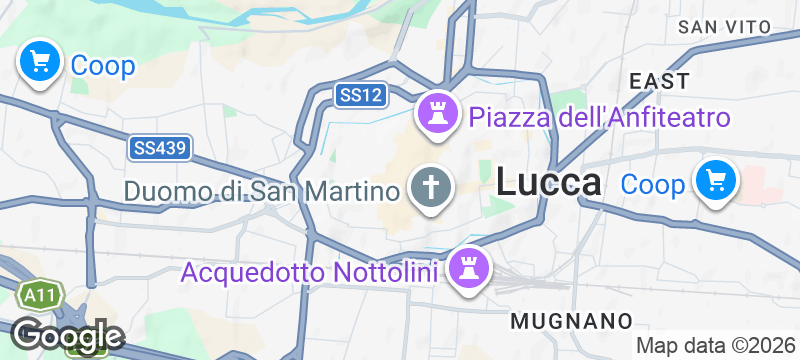
Lucca's Renaissance ramparts survive complete, a tree-lined ring the city long ago converted into an elevated garden promenade. The Piazza dell'Anfiteatro keeps the oval of the Roman amphitheatre in its curved house fronts, and the Torre Guinigi wears full-grown holm oaks on its roof. Giacomo Puccini was born here on 22 December 1858, and his birthplace on Corte San Lorenzo is now a museum of the family's rooms and belongings. Every autumn the medieval streets disappear under Lucca Comics and Games, one of the biggest festivals of its kind anywhere.
Solo
Rent a bicycle, ride the ramparts, duck into churches as they appear; the walls make getting lost impossible in any meaningful sense.
Couple
The wall-top promenade at sunset, dinner inside a Roman oval, a morning with Puccini: cultured, unhurried, romantic without trying.
Family
The wall circuit is flat, car-free and shaded, which makes it the family cycle ride of Tuscany, with gelato stops mapped below.
- The complete wall circuit is a tree-lined elevated garden, cycled end to end at commuter pace.
- Puccini's birthplace on Corte San Lorenzo keeps the family rooms as a museum.
- Piazza dell'Anfiteatro's houses trace the exact oval of the buried Roman arena.
- Holm oaks grow from the top of the Torre Guinigi, a garden forty-odd metres in the air.
Buccellato, Lucca's ring of anise-and-raisin bread, is bought fresh and finished the same day, ideally with coffee.
Tordelli lucchesi, nutmeg-scented parcels of beef and pork, come drowned in slow meat ragù.
Campeche
Mexico
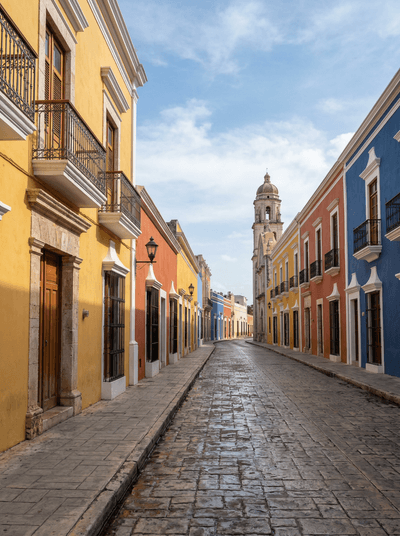
Pastel streets and surviving bastions face the Gulf from a fortified historic centre.
Paraty
Brazil
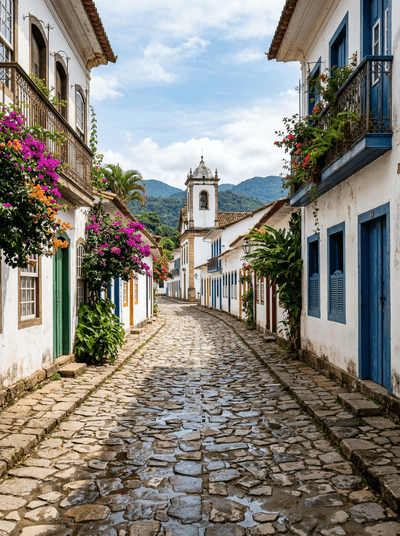
A colonial port the sea washes through on spring tides, with rainforest at its back.
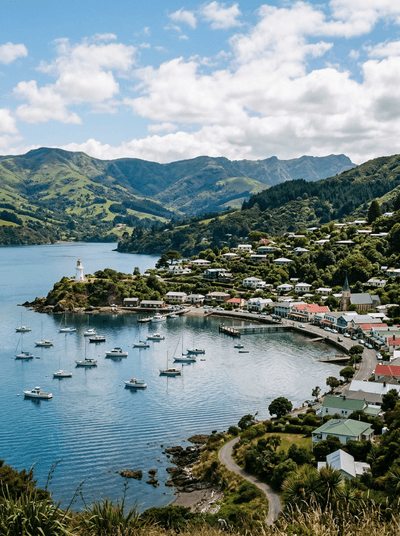
Akaroa
New Zealand
French street names and a crater harbour where the world's smallest dolphins feed.
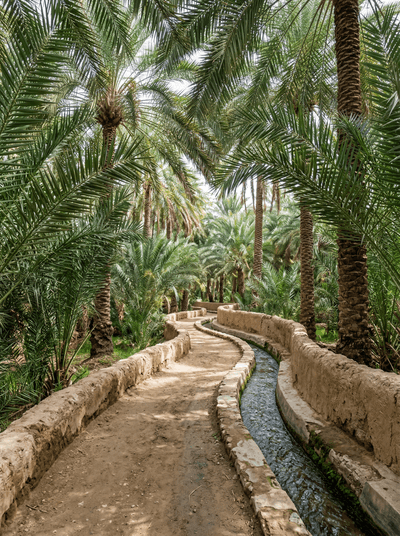
Al Ain Oasis
United Arab Emirates
A 3,000-year-old falaj still waters 147,000 date palms in the middle of a desert city.
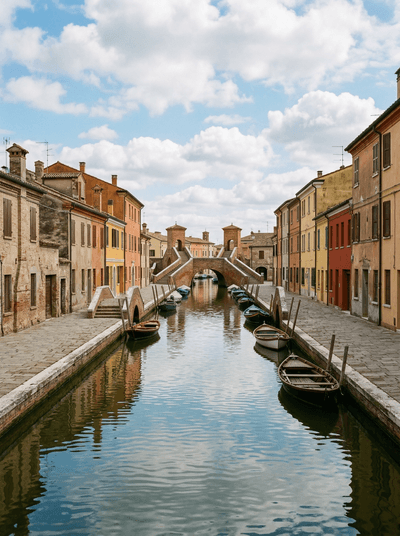
Comacchio
Italy
Canals thread a brick lagoon town whose fortunes have always swum in on the eels.
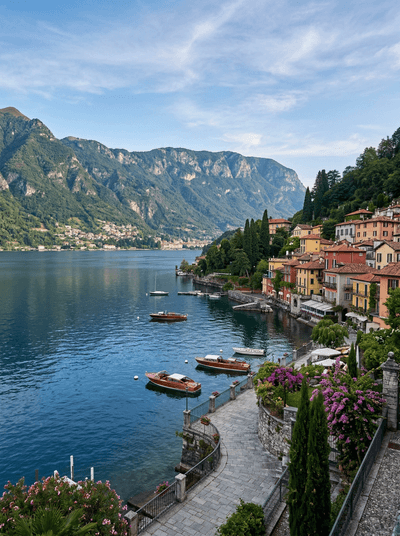
Lake Como
Italy
Cypress-lined shores where the water mirrors snow peaks and cardinals built their pleasure palaces.
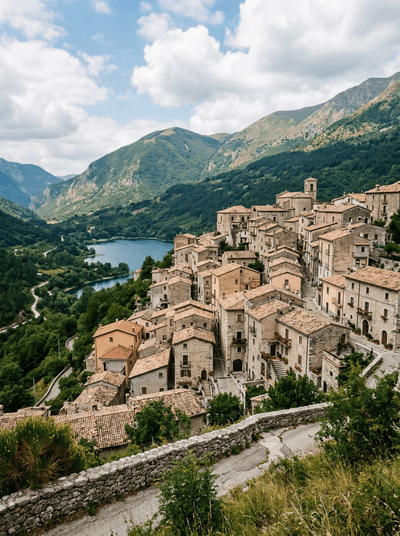
Scanno
Italy
A mountain village above a heart-shaped lake, where women still wear traditional dress on feast days.
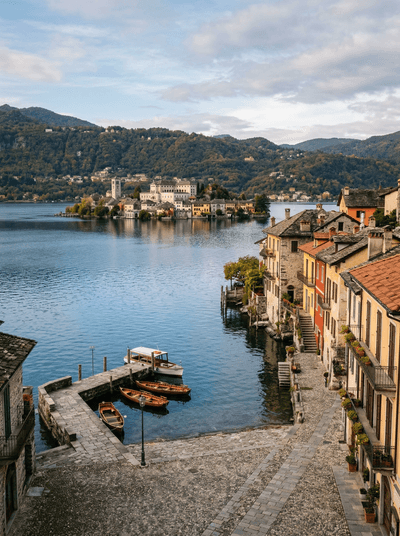
Orta San Giulio
Italy
A village on a lake you've never heard of, facing an island with one silent monastery.