United Arab Emirates
Al Ain Oasis
A 3,000-year-old falaj still waters 147,000 date palms in the middle of a desert city.
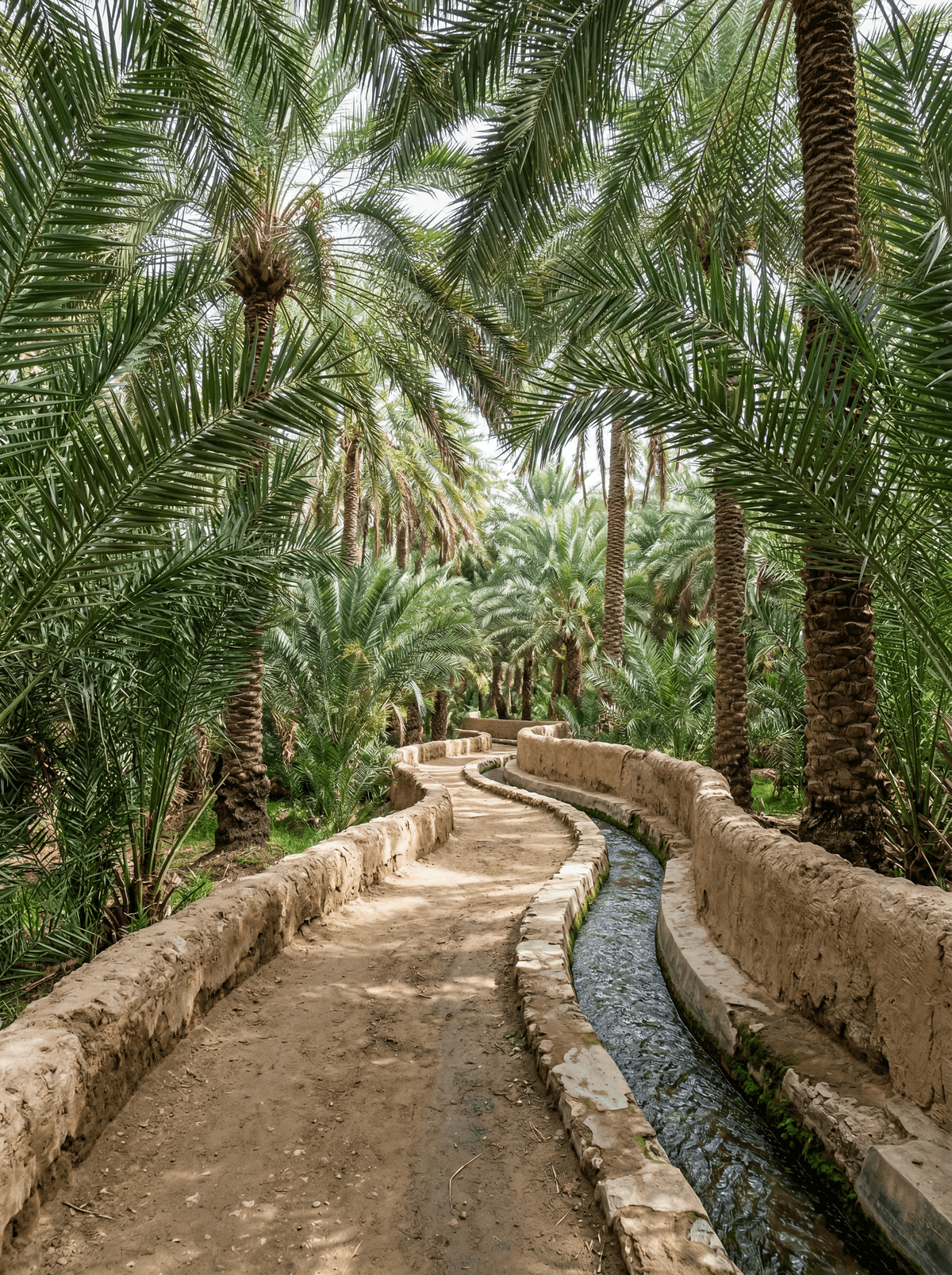
Step out of the desert glare and the temperature falls beneath a sealed canopy of date fronds. Water slides through mud-walled channels at walking pace, splitting and splitting again until it has fed 147,000 palms, delivered by gravity the way it has been for some three thousand years.
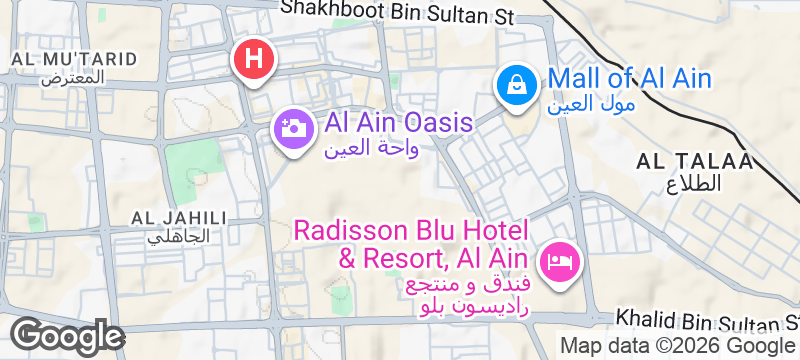
Al Ain Oasis anchors the Cultural Sites of Al Ain, the first UNESCO World Heritage listing in the UAE, inscribed in 2011 alongside the Bronze Age tombs of Jebel Hafit and Hili. Its falaj brings mountain water down through two main branches, Al Aini and Dawood, then rations it across roughly 1,200 hectares of gardens where around 100 varieties of vegetation grow in the palm shade. These are working farms, not museum planting: growers still tend the plots behind the mud walls, and the water itself comes and goes with the season, so a dry channel one week can be running the next. An Eco-Centre at the gates explains the engineering before you walk in, and shaded lanes wide enough for bicycles thread the whole grove.
Solo
Pick a falaj channel and follow it upstream through the farm lanes, watching how sluice stones divide the flow plot by plot. The oasis rewards the kind of slow, aimless walking the rest of the UAE rarely allows.
Couple
Arrive for daylight's final two hours, when the low sun strikes through the fronds and the lanes empty out. A quiet circuit from the Eco-Centre ends with the city glowing beyond the mud walls.
Family
Children can trace running water from channel to palm and see a real farm working under the trees, with electric buggies covering the distances small legs cannot. The scale model at the Eco-Centre lays the whole system out for them.
- The falaj network still delivers mountain water by gravity alone, through channels first dug some 3,000 years ago.
- The oasis belongs to the Cultural Sites of Al Ain, the UAE's first UNESCO World Heritage listing, inscribed in 2011.
- Roughly 1,200 hectares hold about 147,000 date palms on working farms rather than in a landscaped park.
- Shaded walking and cycling lanes cross the whole grove, with an Eco-Centre at the gates explaining how the water is shared.
Order chicken machboos, rice simmered with spiced meat and dried lime, at the Emirati restaurants of Al Ain's Ayla hotels.
Finish with luqaimat, crisp dumplings drenched in date syrup, beside a flask of cardamom-scented Arabic coffee.
Tivoli
Italy
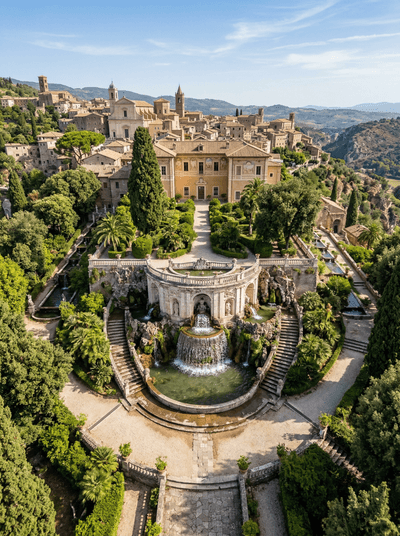
Two millennia of water engineering, from Hadrian's pools to Renaissance fountains powered by gravity.
Campeche
Mexico
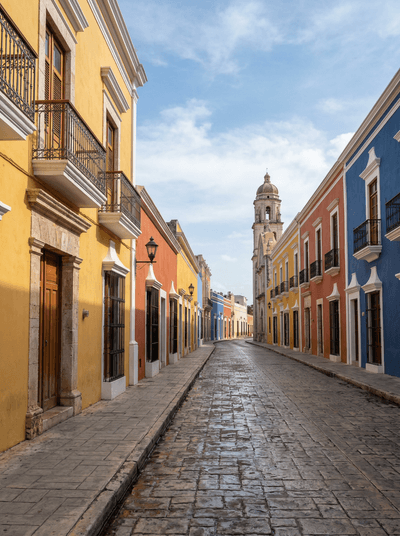
Pastel streets and surviving bastions face the Gulf from a fortified historic centre.
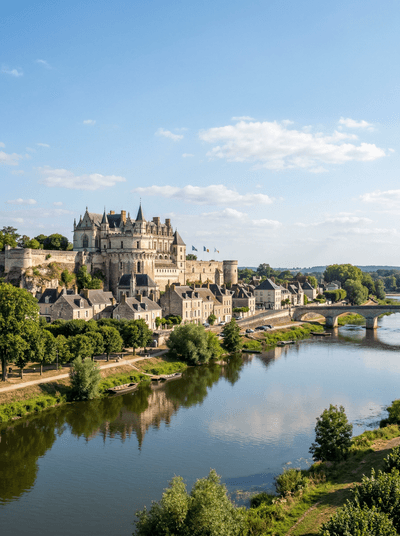
Amboise
France
Leonardo da Vinci's last home, a royal château and caves in the cliff above the Loire.
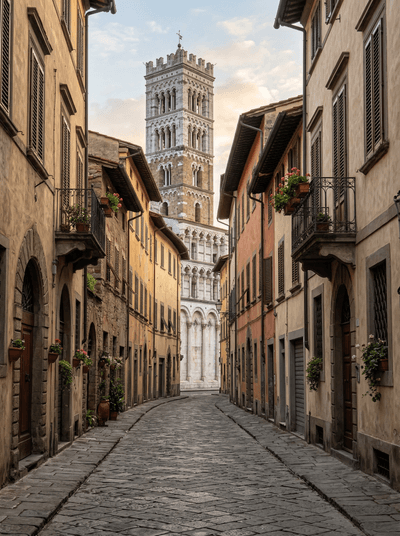
Lucca
Italy
Renaissance walls wide enough to cycle on, wrapped round the city where Puccini was born.
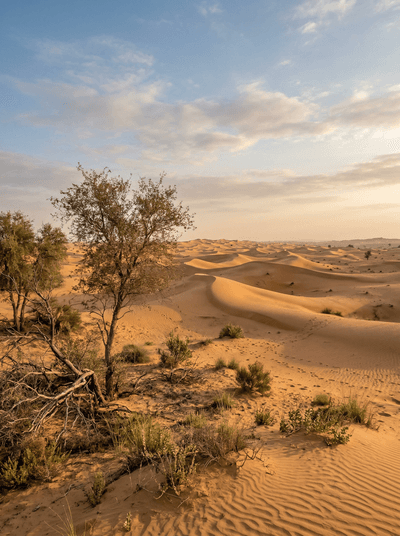
Al Marmoom Desert Conservation Reserve
United Arab Emirates
Flamingos wade through a mirage-like lake in the middle of the Arabian desert.
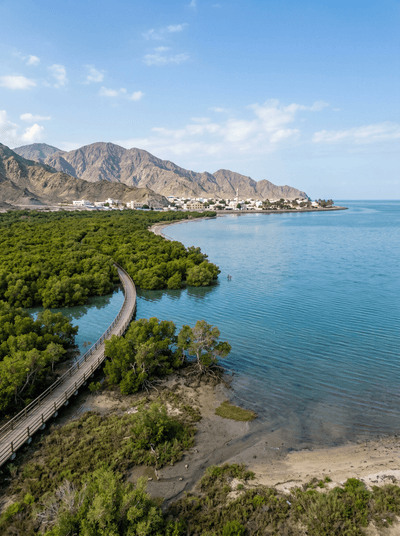
Kalba
United Arab Emirates
A kingfisher that exists nowhere else nests in the Emirates' oldest mangroves.
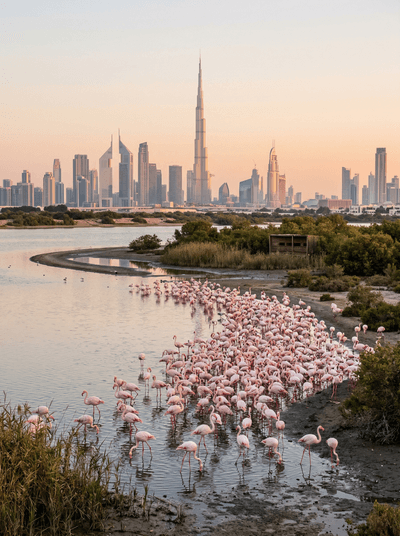
Ras Al Khor Wildlife Sanctuary
United Arab Emirates
Flamingos feeding on salt flats while Dubai's skyscrapers shimmer behind them like a mirage.