Mexico
Campeche
Pastel streets and surviving bastions face the Gulf from a fortified historic centre.
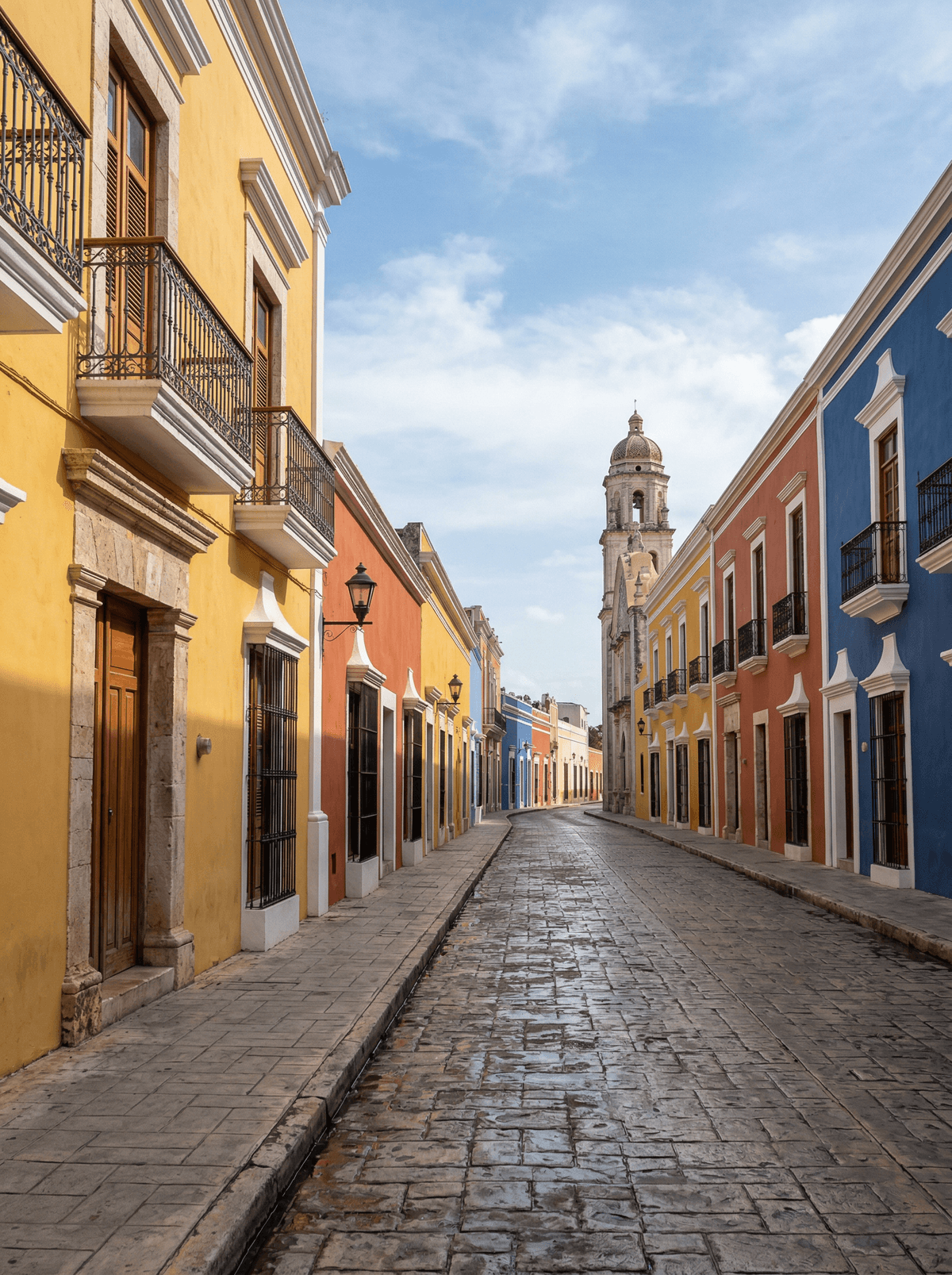
The wall came first and the colours came later. Inside Campeche's surviving bastions, houses in lime green, rose and ochre line straight colonial streets that end at the Gulf light.
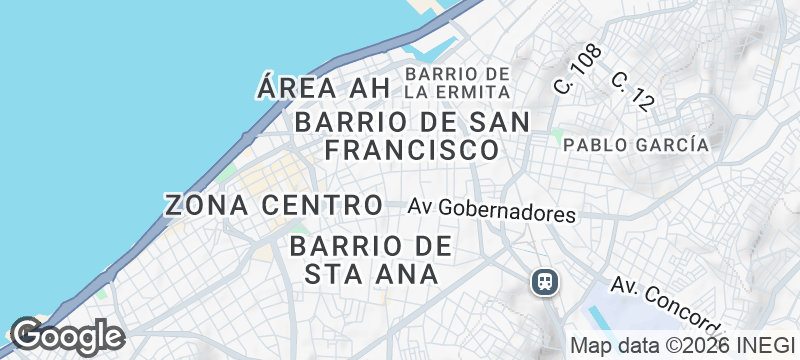
Campeche's UNESCO-listed centre keeps the bastions, gates and street plan of a port that armed itself against raiders and grew rich on Gulf trade. Its museums and fortifications tell the piracy story with dates and cannon rather than costume drama. In the evening the malecón fills with walkers and the plazas with families, which is when the city feels least like a monument and most like itself.
Couple
Walk the pastel streets at golden hour, then take the malecón as the Gulf light fades.
Solo
Trace the bastions and museums at your own pace, ending in a plaza with the evening crowd.
Family
Let children patrol the walls and cannon while the centre's short distances keep everyone fresh.
- Campeche's UNESCO-listed centre preserves bastions, gates and colourful streets shaped by Gulf trade.
- Museums and fortifications explain the real history of piracy and colonial defence.
- The malecón, markets and evening plazas carry the day past the surviving wall sections.
Pan de cazón, layered tortillas with dogfish shark and habanero-tomato sauce, is state intangible heritage.
Chocolomo, beef stewed with garlic, coriander and sour orange, and coconut-crusted shrimp fill out the port's table.
Stratford-upon-Avon
England
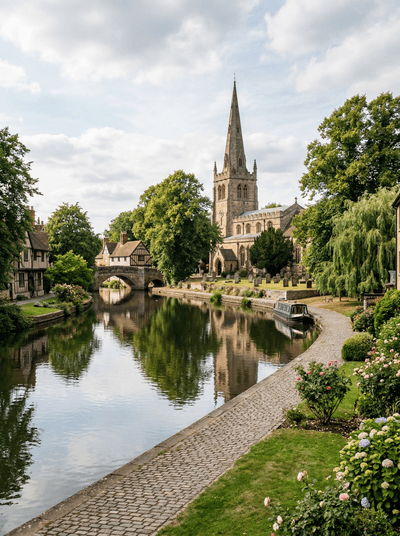
Half-timbered streets where Shakespeare was born and the swans own the river.
Amboise
France
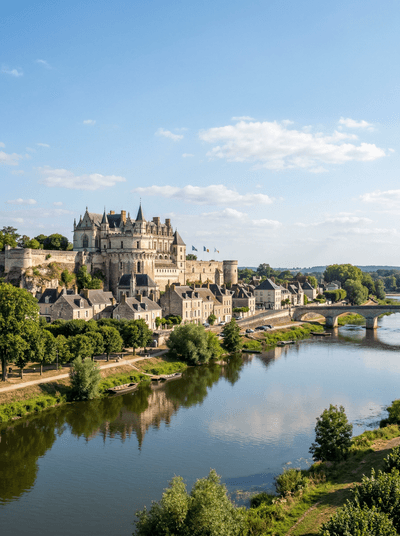
Leonardo da Vinci's last home, a royal château and caves in the cliff above the Loire.
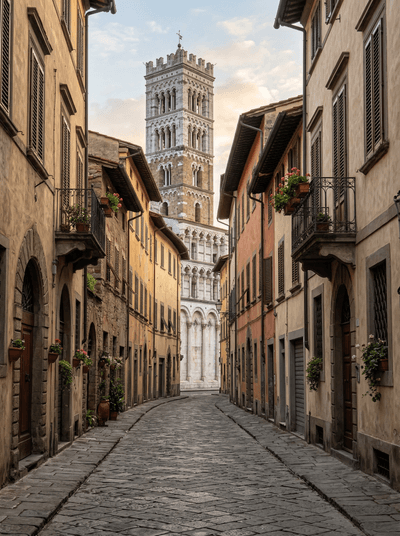
Lucca
Italy
Renaissance walls wide enough to cycle on, wrapped round the city where Puccini was born.
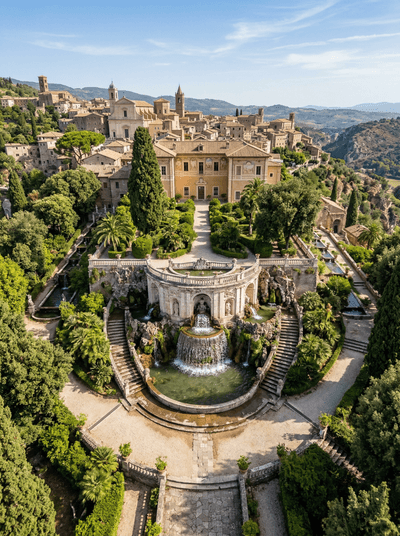
Tivoli
Italy
Two millennia of water engineering, from Hadrian's pools to Renaissance fountains powered by gravity.
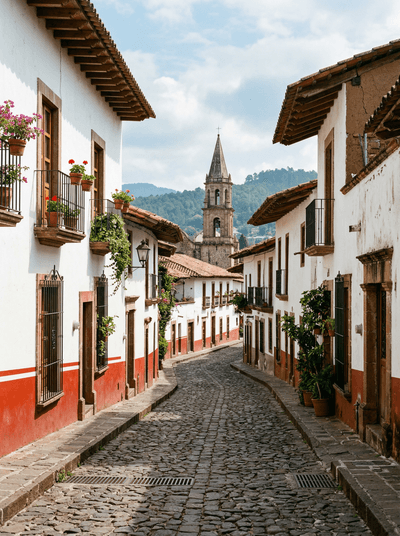
Pátzcuaro
Mexico
Plazas, lake routes and Purépecha craft traditions gather in a cool highland town.
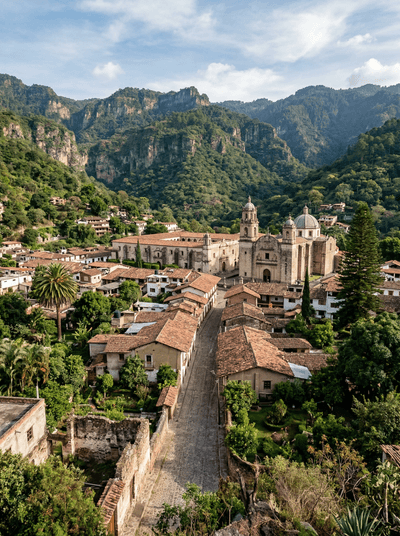
Malinalco
Mexico
An Aztec temple carved directly from a living mountaintop, eagle warriors etched into the rock floor.
Parras de la Fuente
Mexico
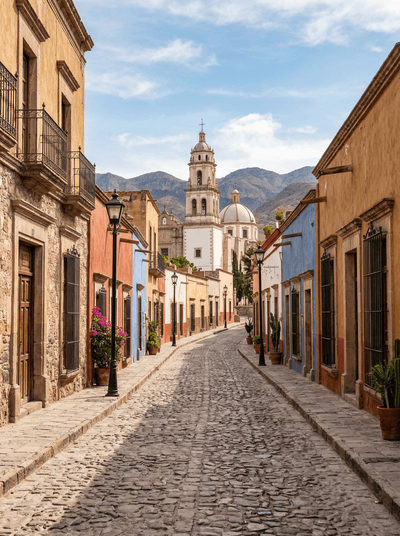
Desert vineyards around a spring-fed oasis have produced wine since 1597.
Monte Albán
Mexico
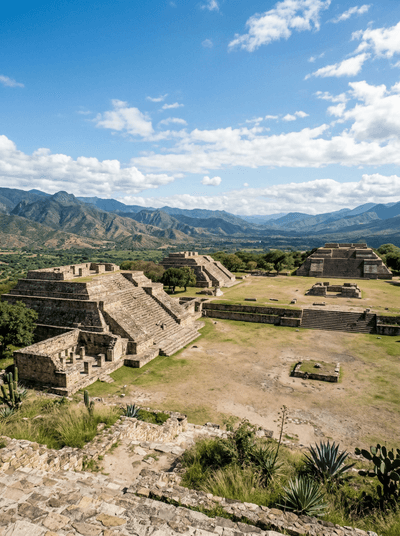
A Zapotec acropolis floats above the clouds on a mountaintop the ancients levelled by hand.