Brazil
Paraty
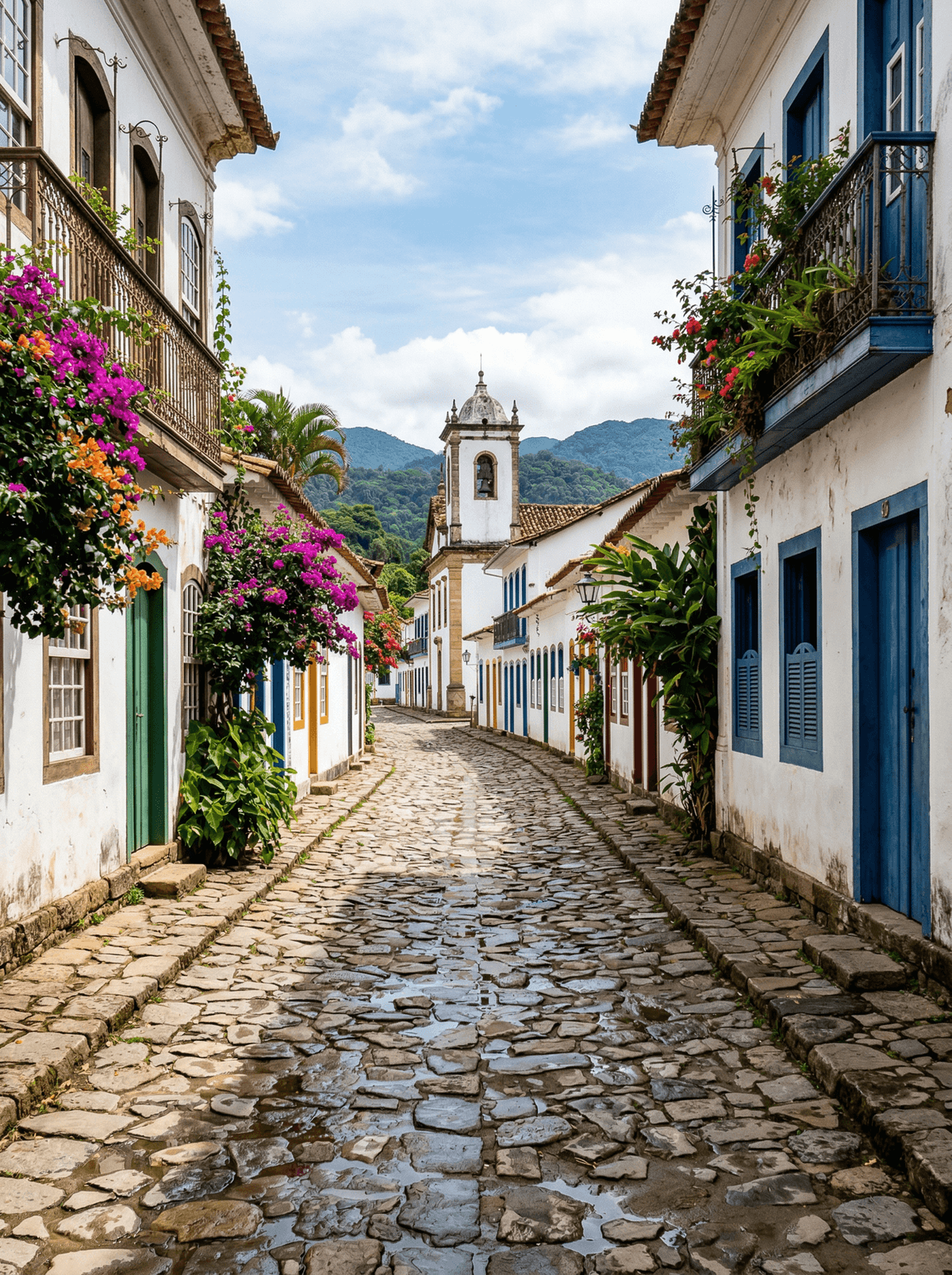
A colonial port the sea washes through on spring tides, with rainforest at its back.
Several times a year, on a full or a new moon, the sea comes up through the streets of the centro histórico and the whole place turns to shallow canals under whitewashed walls. The Portuguese built it to do that. The streets sit below the tide line on a slight fall and the house floors half a metre above them, so the water runs in, lifts the dirt off the pé-de-moleque stones and goes back out with the moon.
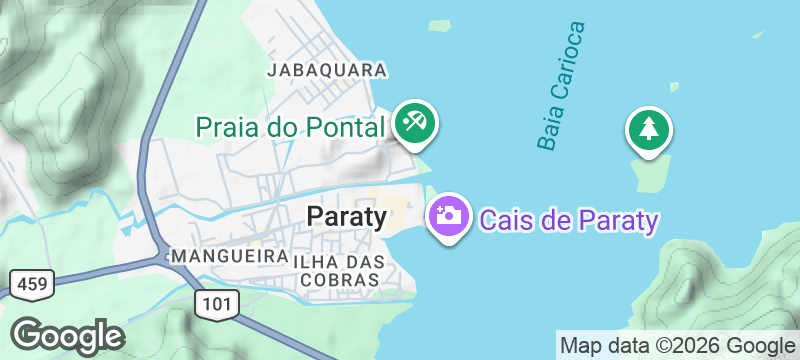
Paraty was founded in 1667, and by the end of that century it was the last stop on the Caminho do Ouro, the road that carried gold down from the Minas Gerais mines for shipping to Europe. The port worked in the other direction too, landing tools and the enslaved Africans sent up to those mines, and the eighteenth-century street plan and most of the colonial building it carried have survived intact. In July 2019 Paraty and Ilha Grande went onto the World Heritage list as Brazil's first mixed site, culture and nature together, across eight municipalities in Rio de Janeiro and São Paulo; the Atlantic Forest inside it holds 57 per cent of the region's endemic birds, along with jaguar, white-lipped peccary and spider monkeys. The bay has fifty beaches, some reachable by road and many only by boat, and the boat-only ones still live off caiçara fishing and craft. Two years before the World Heritage listing, in October 2017, Paraty joined the UNESCO Creative Cities network as a city of gastronomy.
Couple
Take a boat out to the beaches the road never reached, which is most of the fifty in the bay, and come back to eat in a centre with no traffic in it. Look at a tide table before you book anything: the streets worth walking are the ones the sea gets into.
Family
There are no cars in the historic centre, which removes the usual worry, but the pé-de-moleque paving is large uneven stone and hard work with a pushchair or a bad knee. Swimming is out in the bay on the calm boat-reached beaches, and the Poço do Tarzan waterfall sits beside the Engenho D'Ouro distillery, which makes the two of them one afternoon.
Solo
Come in the last week of July for the Flip and a car-free colonial centre takes in about forty thousand people over five days, which is either the reason to come or the reason to stay away. Any other week, work the alambiques: five of the six take you as you arrive, Maria Izabel takes bookings only, and Corisco still drives its cane mill off a water wheel.
- The seventeenth-century Portuguese plan set the streets below the tide line on a slight fall and the house floors thirty to fifty centimetres above them, so the sea runs into the historic centre on a full or new moon and takes the dirt out with it.
- Paraty and Ilha Grande became Brazil's first mixed World Heritage site on 5 July 2019, listed for culture and biodiversity together across eight municipalities in two states.
- The Atlantic Forest inside that site holds 57 per cent of the region's endemic birds, the highest share of any priority bird area in the biome.
- More than 150 alambiques worked here at the nineteenth-century peak and six remain, one of them run by the only woman distilling cachaça in Paraty.
Farofa de feijão is what the tropeiros ate walking the gold road down from Minas, and it is still the most singular thing on the table at the traditional Festa do Divino lunch.
Wooden carts in the historic centre sell pé-de-moleque, manuê-de-bacia and maçapão, and the first of those shares its name with the paving stones you are standing on.
Akaroa
New Zealand
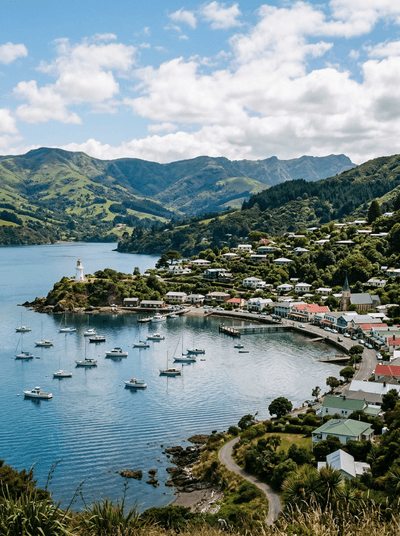
French street names and a crater harbour where the world's smallest dolphins feed.
Lucca
Italy
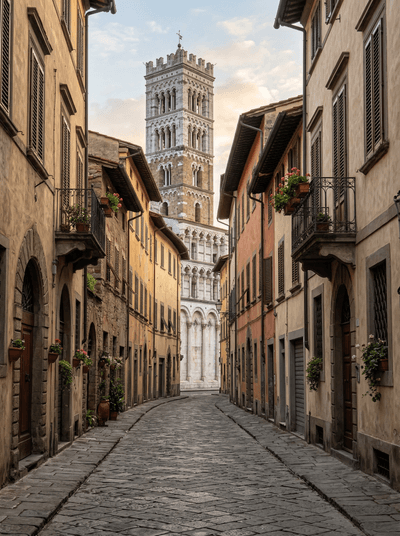
Renaissance walls wide enough to cycle on, wrapped round the city where Puccini was born.
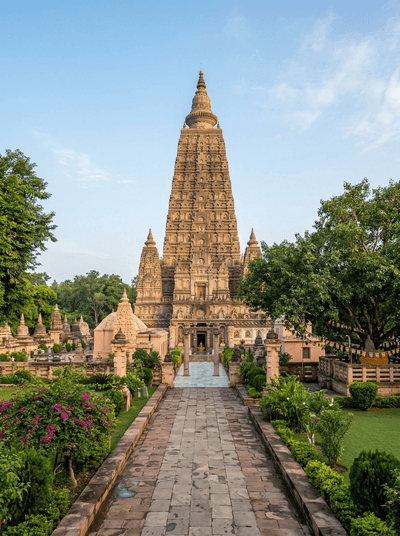
Bodh Gaya
India
Maroon-robed monks chanting beneath the descendant of the fig tree where Buddhism itself began.
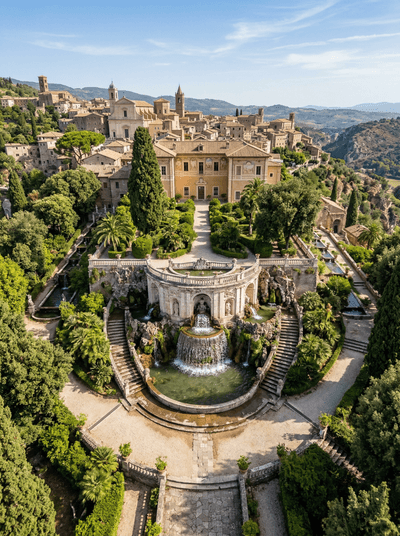
Tivoli
Italy
Two millennia of water engineering, from Hadrian's pools to Renaissance fountains powered by gravity.
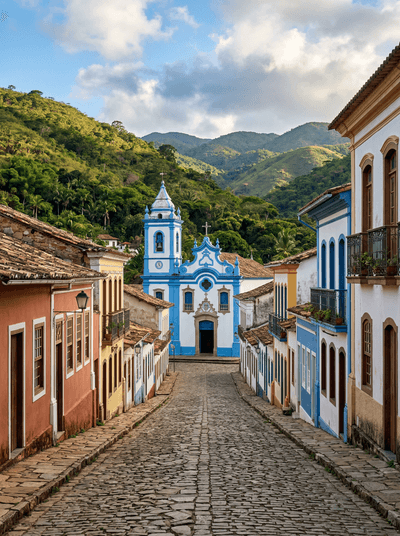
Triunfo
Brazil
Fog on dry-stone walls, in a scrap of rainforest stranded above the drought country.
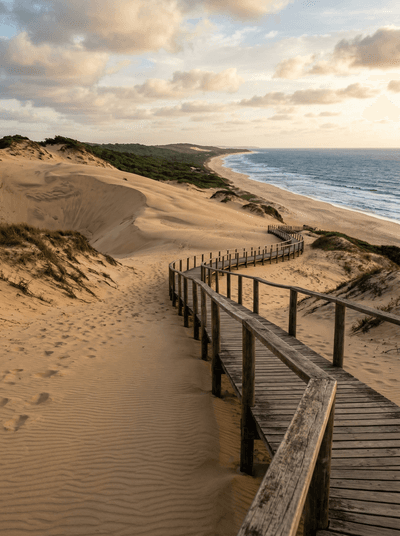
Itaúnas
Brazil
Sand dunes that swallowed an entire village, now a forró-dancing outpost on a wild coast.
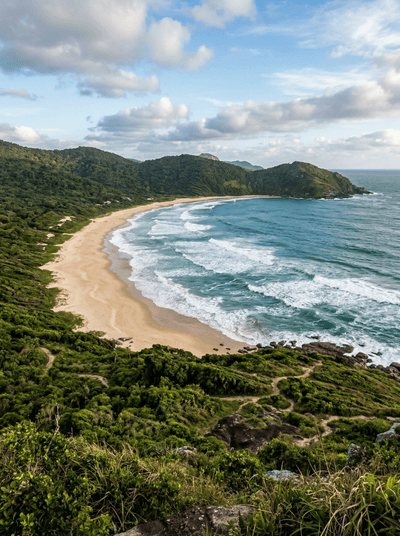
Praia do Rosa
Brazil
Right whales leave Antarctica to calve in this bay, and you watch from the headland.
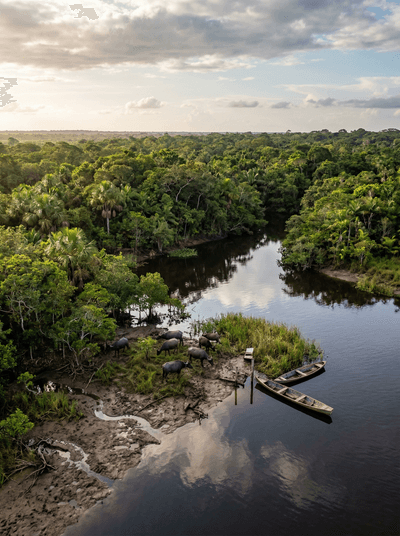
Ilha de Marajó
Brazil
The police here ride buffalo, because the flooded ground defeats anything with wheels.