Egypt
Dakhla Oasis
Medieval mud-brick lanes and carved lintels marooned in the deep desert for eight centuries.
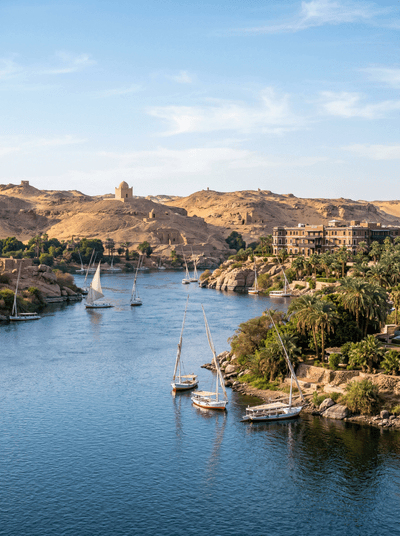
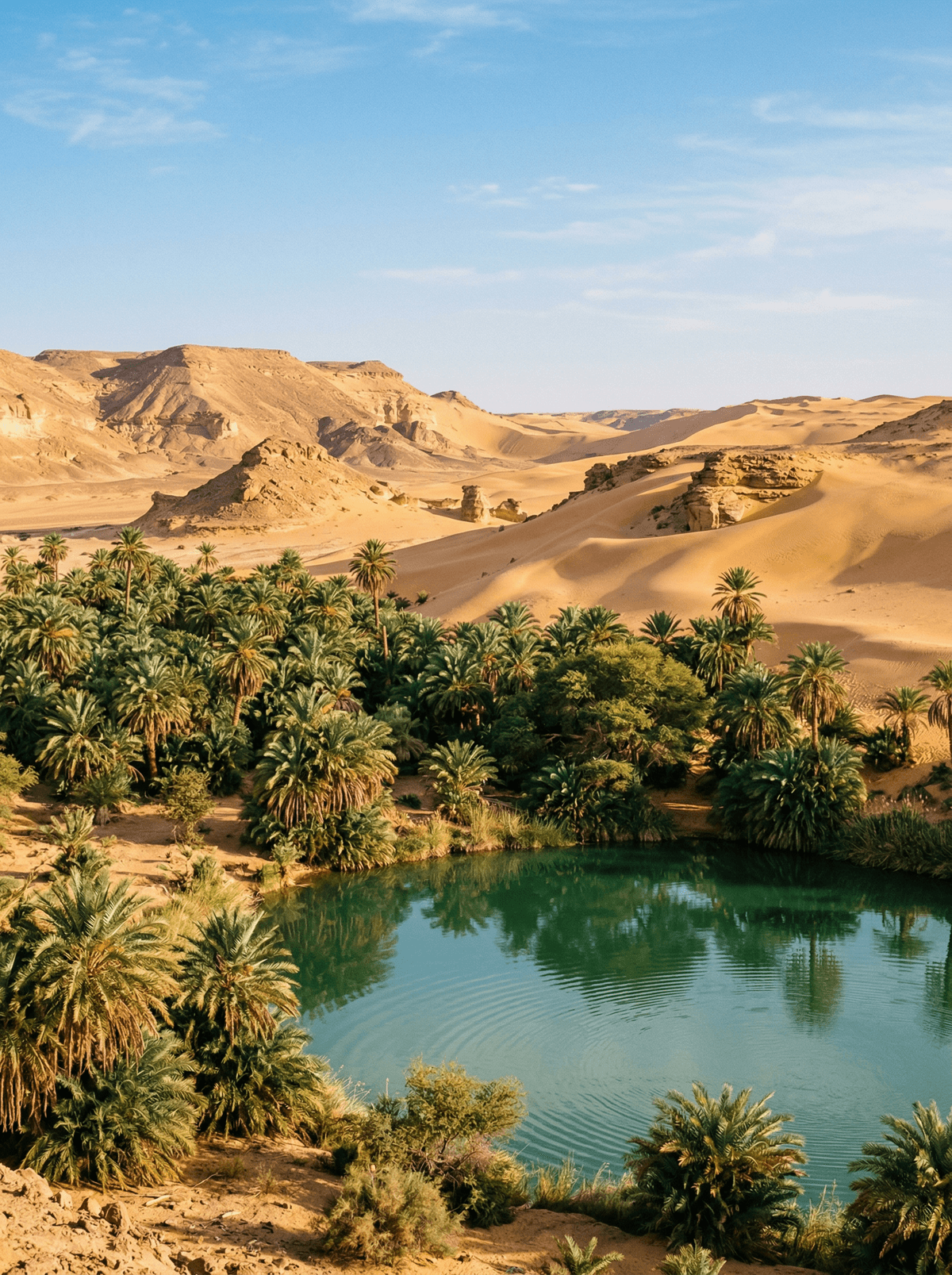
Mud-brick lanes narrow to shoulder width in Al-Qasr's medieval quarter, carved wooden lintels overhead declaring dates in Kufic script from eight centuries ago. Beyond the old town, hot springs pool between palm groves and the desert starts without ceremony. The light is golden at every hour, the silence vast.
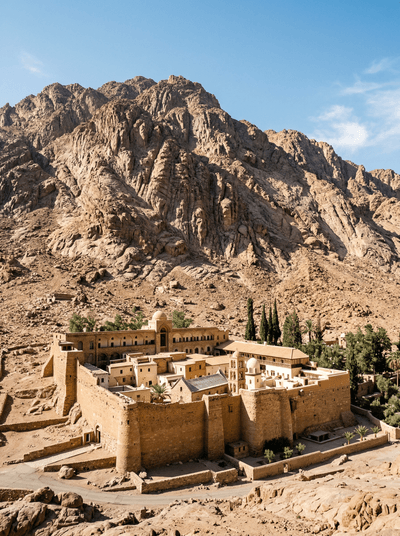
Dakhla is one of Egypt's most layered settlements, inhabited for at least eight thousand years. Its centrepiece is Al-Qasr, a medieval Islamic town over Roman foundations — a labyrinth of covered alleys, a tenth-century madrassa and a twelfth-century mosque with a three-storey minaret. Beyond it the oasis spreads across its depression: Roman-era painted tombs, the Pharaonic temple of Deir el-Hagar, and natural hot springs scattered between the palms. Cairo lies some 800 kilometres away, deep across the Western Desert.
Couple
Walk Al-Qasr's covered lanes in the late light, then share a dusk soak in a palm-edge hot spring.
- Al-Qasr's covered lanes still carry their carved wooden doorways, dated in Kufic script.
- Natural hot springs lie scattered through the oasis — the soak at dusk is a local institution.
- The remoteness keeps the lodgings local: palm-garden courtyards, no international chains.
- Date farming is the economy's backbone, and varieties prized across Egypt come off these palms.
Buy dates by weight at the Mut or Al-Qasr market and ask which oasis variety is in season.
Mut's tables are Abu Mohamed, Anwar and Ahmed Hamdi — simple kitchens cooking from the oasis farms.
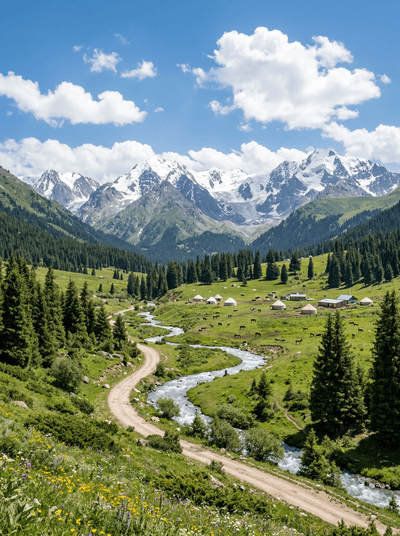
Karakol
Kyrgyzstan
A dragon-carved mosque built without a single nail, an Orthodox cathedral raised in wood.
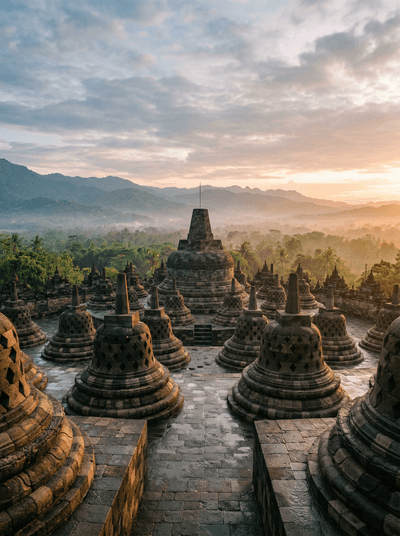
Yogyakarta
Indonesia
A sultan still governs here, and the city's arts still work for their living.
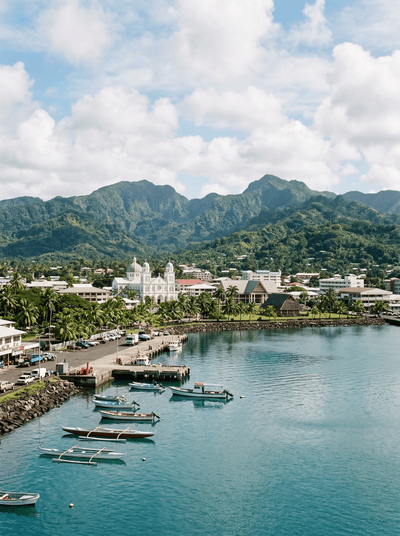
Apia
Samoa
Samoa's capital wakes to a police band marching the waterfront for the flag-raising.
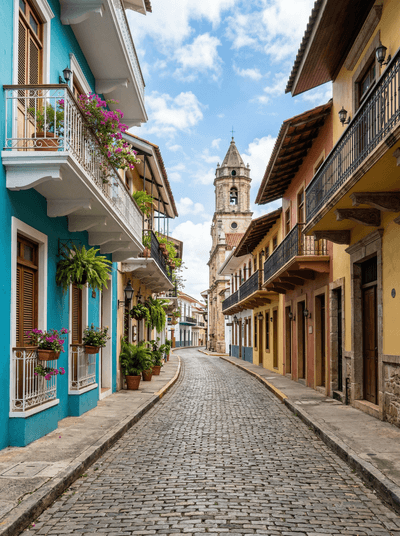
Casco Viejo
Panama
Crumbling colonial balconies where jazz drifts over a skyline of glass towers.