Kenya
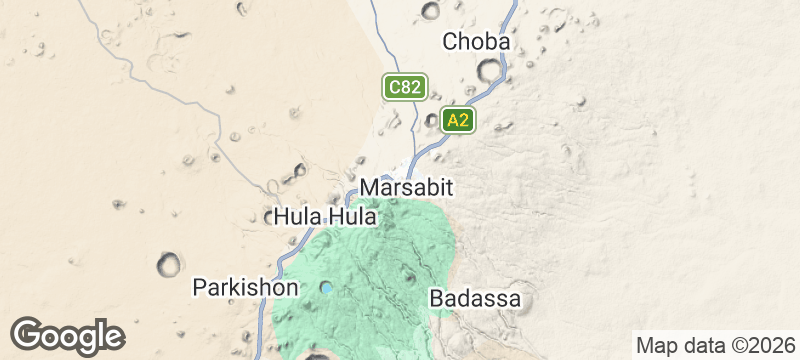
Marsabit
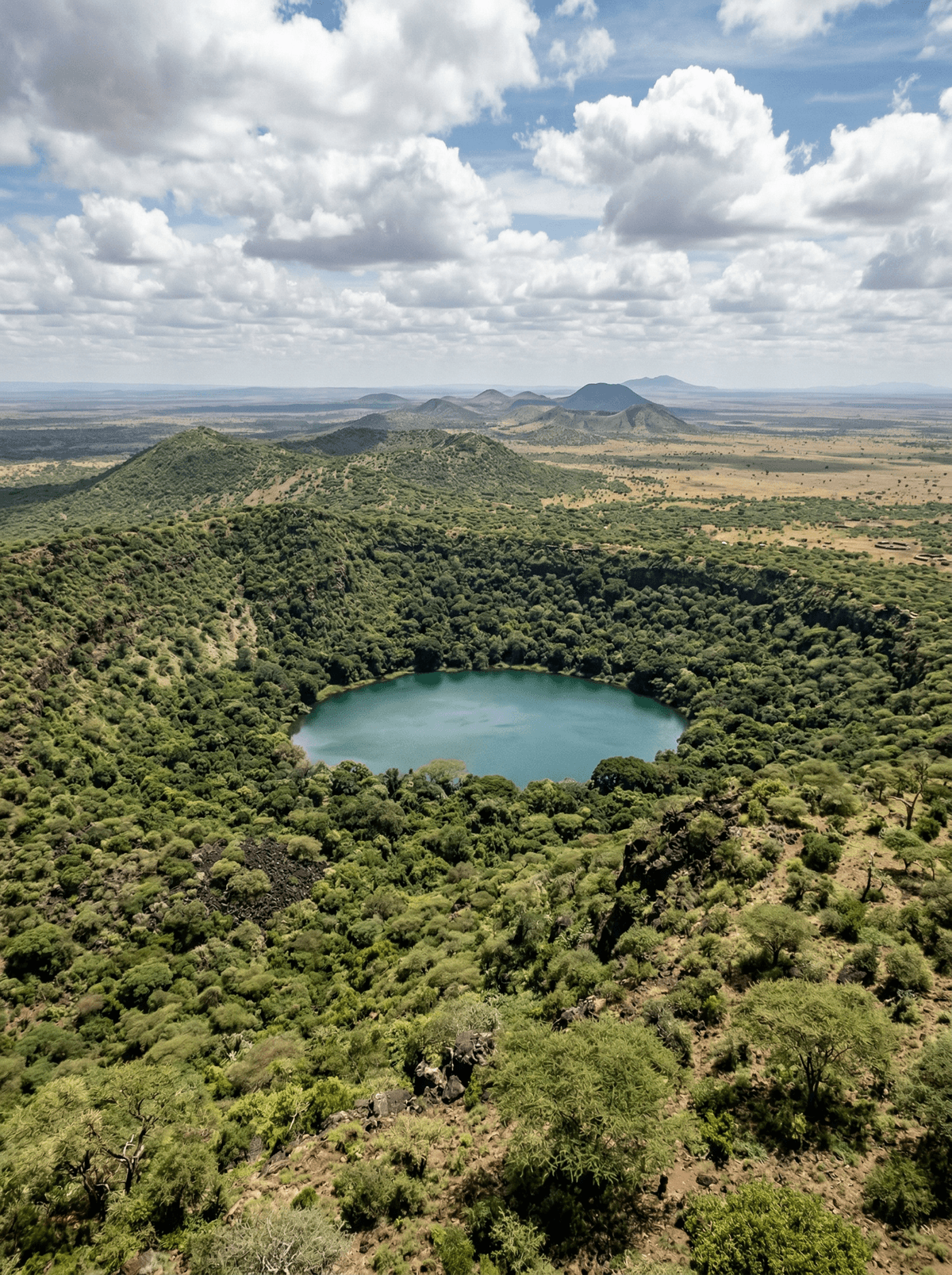
A volcanic mountain draped in cloud forest rising from the floor of a baking desert.
The road north crosses hours of baked lava desert before a dark-green mountain materialises on the horizon, draped in cloud. The temperature drops ten degrees in a kilometre as the road lifts into forest. Crater lakes appear between the trees — still, dark, ringed by cedars that have no business growing in country like this.
Marsabit is a shield volcano rising out of the Chalbi and Kaisut deserts, tall enough to comb moisture from the passing weather and wear a pocket of cloud forest above some of East Africa's harshest ground. Its national park protects the forest and its crater lakes — Lake Paradise most famously, named into legend by Martin and Osa Johnson's 1920s photographic expeditions. The mountain's elephants once included Ahmed, the great tusker guarded day and night by presidential decree, whose remains now stand in the Nairobi museum. The town at the mountain's base is the north's crossroads, where Borana, Rendille, Gabra and Burji trade livestock, camel milk and miraa in the same dusty market square.
Solo
Isolation is the prize — endure the desert approach and the reward is a cloud-forest mountain rising green out of hard desert.
Friends
The overland run from Isiolo is the adventure — shared driving, chai stops at Laisamis, and cool forest after hours of dust.
- A cloud-forest mountain marooned in desert — its forest air ten degrees gentler than the plains.
- Lake Paradise earned its name through the Johnsons' 1920s expeditions and still lives up to it.
- Ahmed, the tusker guarded by presidential decree, was a Marsabit elephant — the mountain still shelters big ivory.
- The town below is the north's trading crossroads for Borana, Rendille, Gabra and Burji alike.
Camel-milk chai in the market square while the livestock trade roars around you.
Goat pilau at a Marsabit town hoteli — northern fuel, generously portioned.
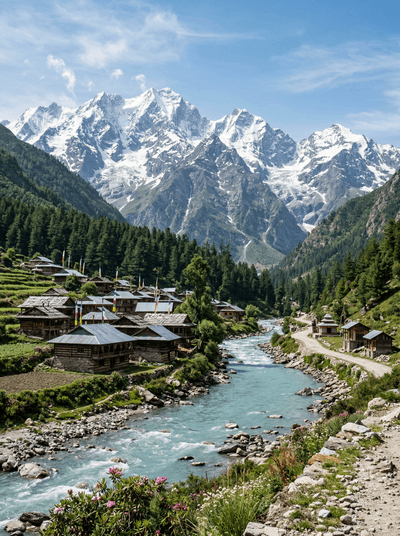
Chitkul
India
The last village before Tibet, its slate roofs weighted against winters that close the road.
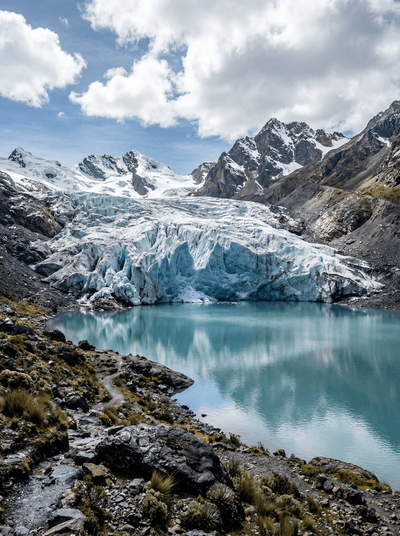
Pastoruri Glacier
Peru
Tropical ice at 5,000 metres, its retreat marked year by year beside the path.
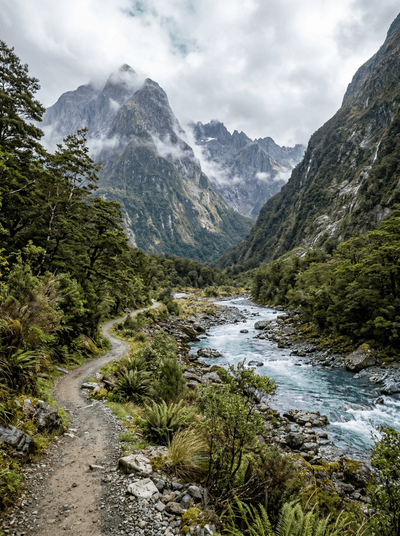
Milford Track
New Zealand
Four days through rainforest and over a pass Victorians called the world's finest walk.
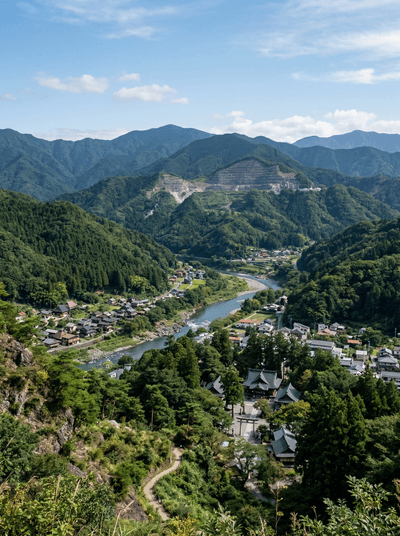
Chichibu
Japan
Lantern-lit festival floats hauled through the December dark, ninety minutes from Tokyo.
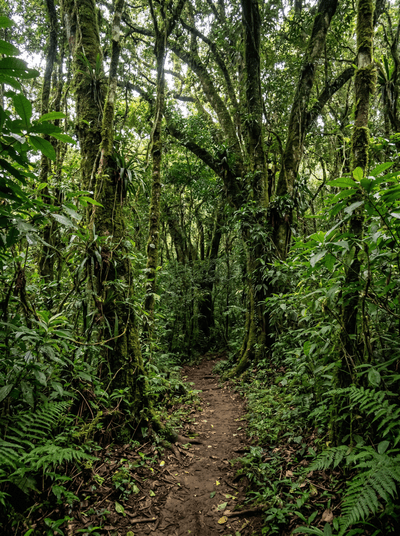
Kakamega Forest
Kenya
Primates crash through the canopy of Kenya's last rainforest, dense with 350 butterfly species.
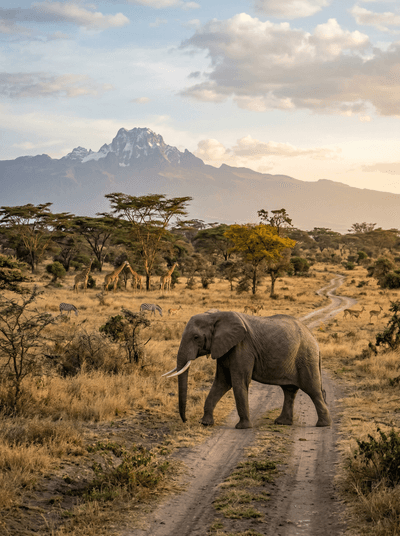
Ol Pejeta Conservancy
Kenya
The last two northern white rhinos on Earth graze here behind 24-hour armed guard.
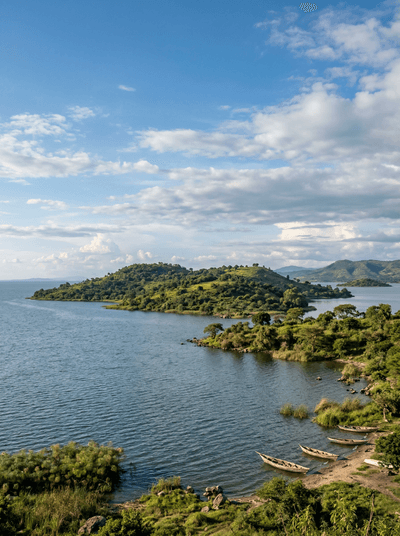
Rusinga Island
Kenya
A fossil island in Lake Victoria where 18-million-year-old apes were unearthed from shoreline rock.
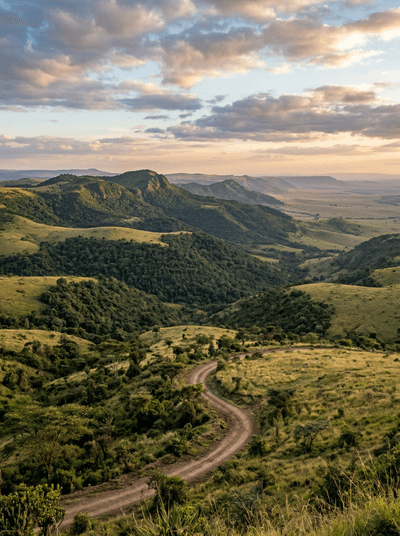
Loita Hills
Kenya
Cattle outnumber cars a thousand to one in hills where Maasai life sets the terms.