Argentina
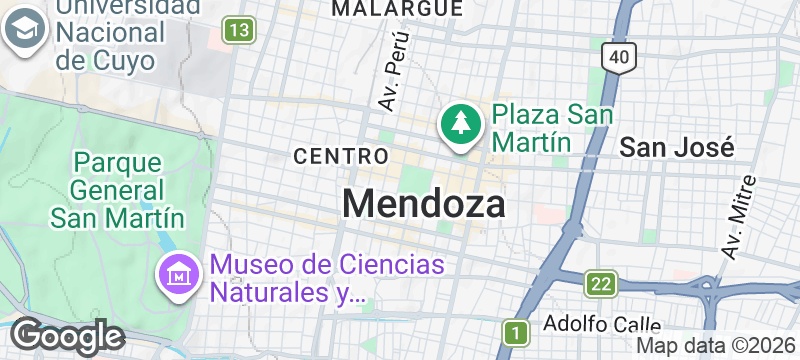
Mendoza
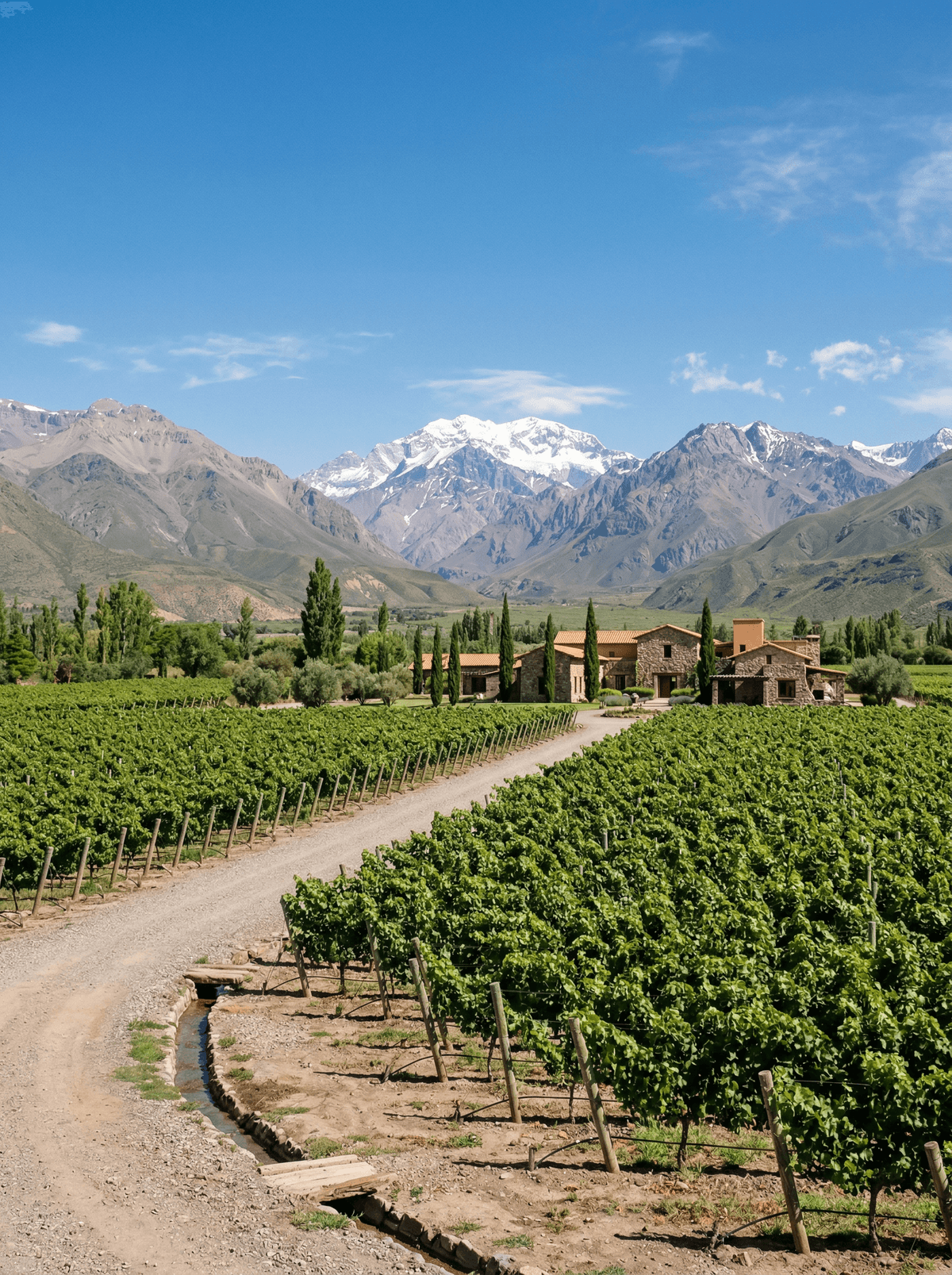
Malbec poured at altitude beneath the Andes' snowline, vineyards running to purple foothills.
The Andes stand white-capped closing the end of each straight road, a wall of peaks visible from the café table where you drink something grown in their shadow six months earlier. Mendoza is the capital of Argentine wine, and the Malbec that prospers at its altitude has spent thirty years redirecting the world's attention from Bordeaux and Napa. The evening restaurant terraces, open to the warm night, give no hint that an earthquake levelled this city in 1861 and it was rebuilt from scratch.
Mendoza Province produces around 70 per cent of Argentina's wine, with Luján de Cuyo and the Valle de Uco ranked among the world's premier Malbec zones. The city, founded in 1561 and rebuilt after 1861 on a grid that gave a fifth of its area to parks and plazas, is one of Argentina's greenest — and the acequias running beside its tree-lined streets are a working irrigation network engineered by indigenous communities before Spanish colonisation, still carrying Andean meltwater to the city's trees. The wine country runs on unhurried intent — one estate given a whole afternoon beats five ticked off — and the best days pair a single bodega with the shaded civic centre. Aconcagua — at 6,961 metres the highest peak outside Asia — stands a morning's drive into the mountains above the city.
Couple
A winery day through Luján de Cuyo — cycling between bodegas, tasting in cellars, a long asado on a vine-shaded terrace — is the unhurried day Mendoza was built for; the warm, unpretentious evening scene does the rest.
Friends
Groups who plan two days leave looking up return flights — exceptional wine, mountain access and a genuinely pleasurable city quietly extend itineraries. The Uco Valley alone justifies a full day out.
- Luján de Cuyo and Uco Valley cellars pour Malbec at the altitude that made it famous.
- Vineyard tables run long under Andean snowcaps — the region's ritual meal.
- The tree-lined acequias were engineered by indigenous communities before colonisation.
- Aconcagua, the highest peak outside Asia, rises a morning's drive above the vines.
Malbec at the source — grown, aged and poured beneath the Andes.
Empanadas mendocinas with their crimped edge, the beef filling carrying onion, egg and olive.
Barossa Valley
Australia
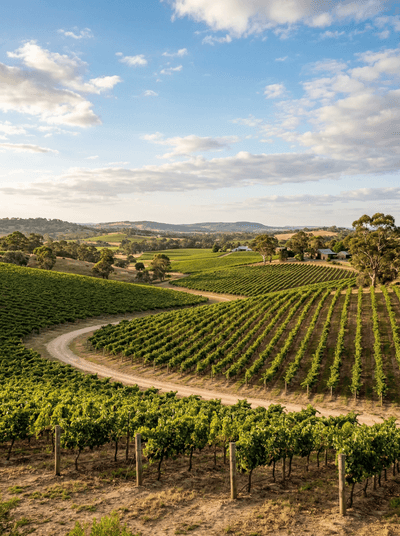
Stone cellar doors, century-old shiraz vines, and the weight of six generations in every glass.
Kinosaki Onsen
Japan
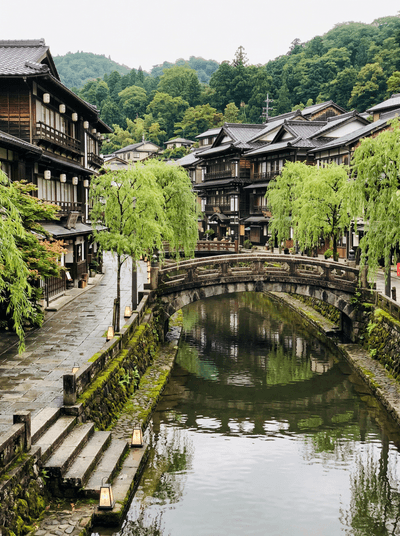
Willow-lined canals and seven public baths where you wander in yukata and wooden clogs.
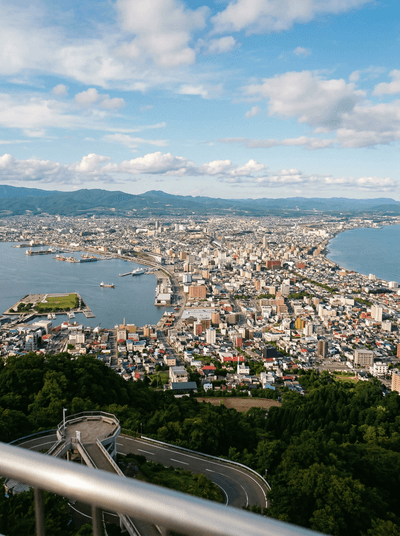
Hakodate
Japan
A million-dollar night view over a narrow waist of lights squeezed between two bays.
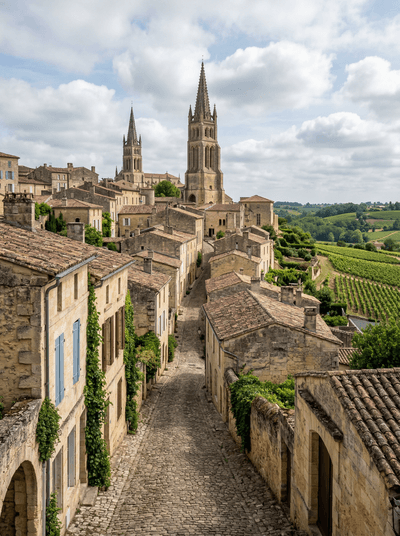
Saint-Émilion
France
A church carved underground and cellars cut into limestone beneath a village drowning in vines.
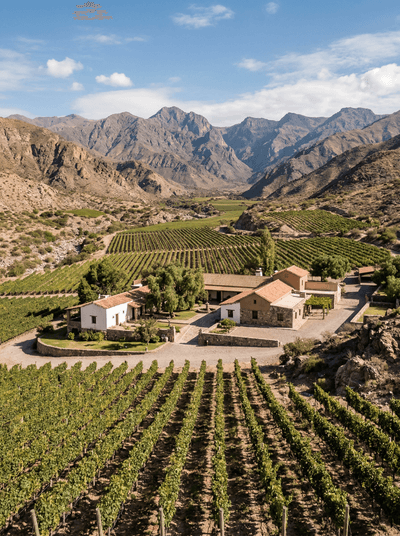
Bodega Colomé
Argentina
Vineyards past three thousand metres, with a James Turrell light museum on the valley floor.
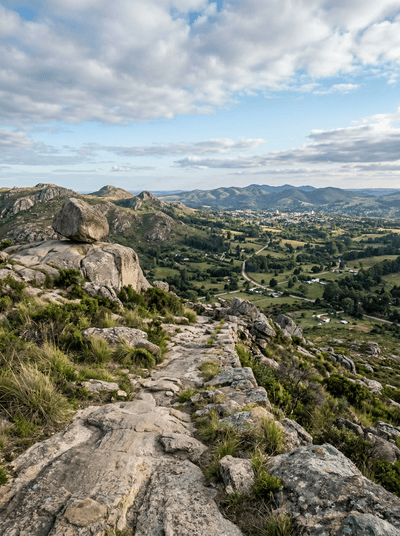
Tandil
Argentina
Two-billion-year-old hills worn to stumps, where artisan salami cures in granite-cooled caves.
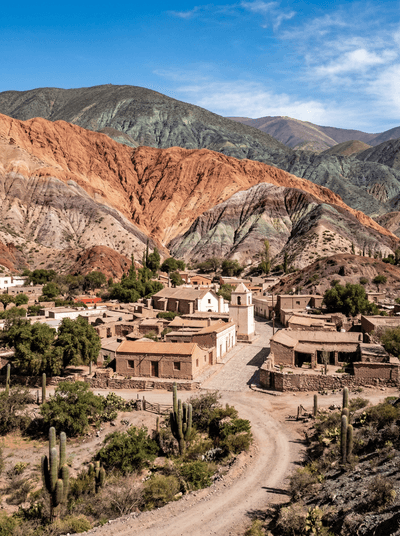
Purmamarca
Argentina
A seven-colour hill burns amber over adobe lanes where llamas carry the morning market.
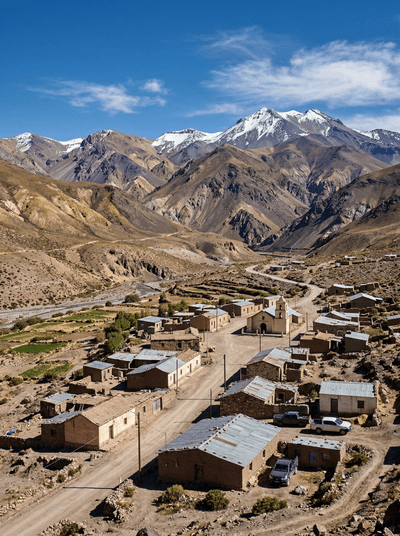
Antofagasta de la Sierra
Argentina
Puna silence at 3,300 metres as black lava fields meet flamingo lagoons.