Argentina
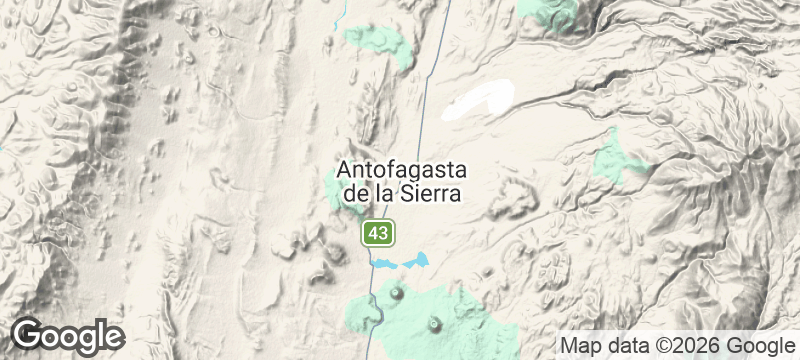
Antofagasta de la Sierra
Puna silence at 3,300 metres as black lava fields meet flamingo lagoons.
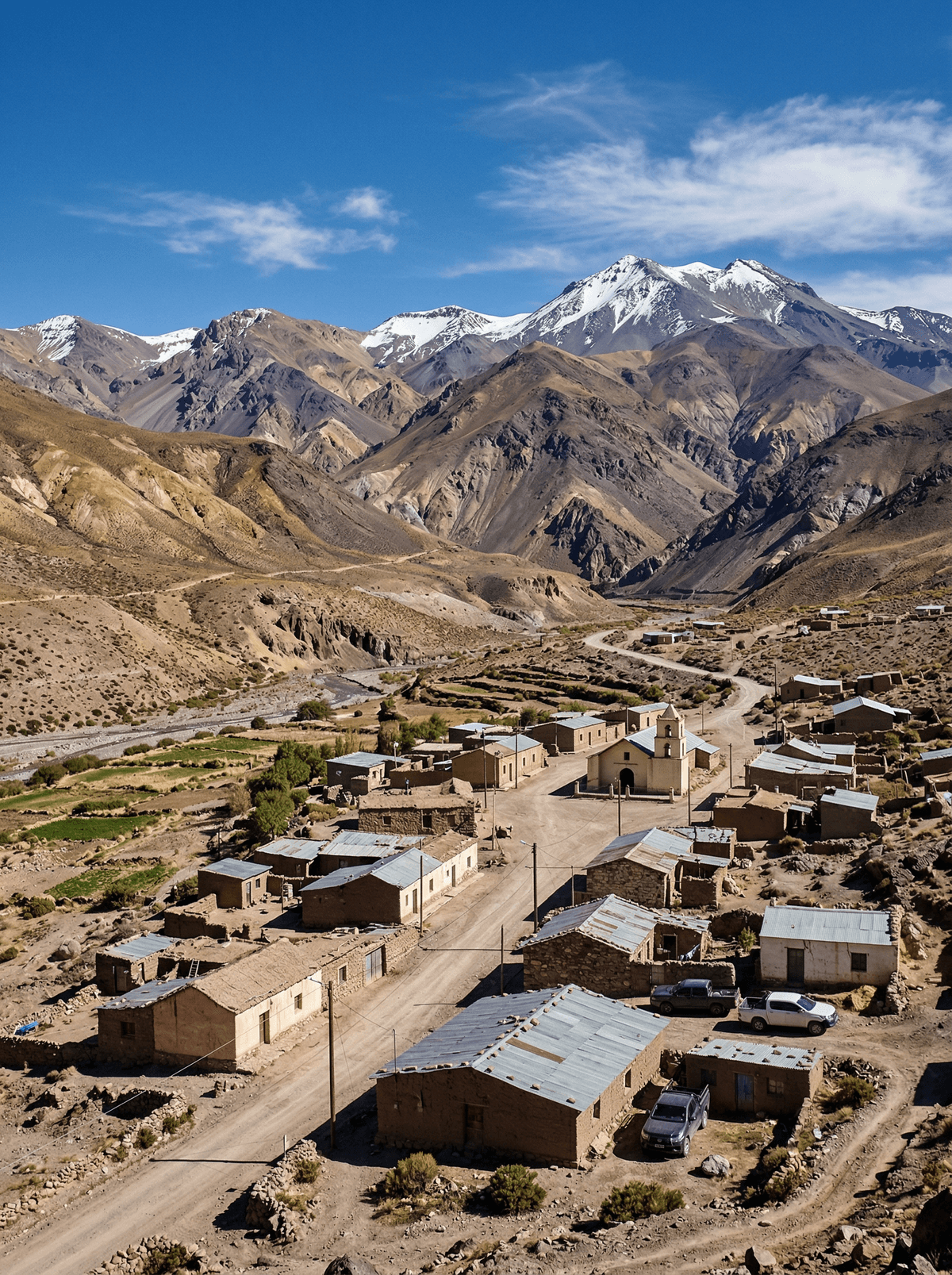
Antofagasta de la Sierra sits at around 3,300 metres in Catamarca, at the meeting of rivers that have no business existing in country this dry — yet they run, feeding high wetlands where flamingos wade against volcanic peaks. The small village stands among black lava flows, pale salt flats and stone corrals where llama herders still bring their animals each season, under a sky that dwarfs all of it.
This is the administrative heart of the puna catamarqueña, one of Argentina's most geologically dramatic high regions — volcanic cones, geothermal traces and salt-flat basins all within a day's drive. The Laguna Blanca reserve protects breeding colonies of three flamingo species — James's, Andean and Chilean — feeding in saline water toxic to most life, seen on their seasons rather than any schedule. Rock art galleries, pre-Inca terracing and settlement ruins reaching back millennia thread the surrounding country. The place runs on preparation: a registered local operator or a thoroughly prepared 4WD, fuel carried from the last town on the long unpaved approach, meals arranged ahead in a village whose kitchens keep set hours, and little to no signal once you arrive. That filter is the point — it keeps the puna for those who come for the landscape.
Solo
For a high tolerance of solitude and a low need of infrastructure — demanding roads, real altitude, and a volcanic landscape holding almost nobody. The wetlands at dawn, in complete silence, justify everything.
Couple
Two days compose a quietly extraordinary sequence: flamingo lagoons in the morning, the volcanic circuit after lunch, and a 3,300-metre star field at night with zero light pollution. The logistics ask preparation; the place repays it.
- The approach crosses long unpaved volcanic steppe — fuel travels from the last town.
- Three flamingo species feed in saline lagoons toxic to most other life.
- Roadside cardón cacti grow roughly a centimetre a year — the tall ones are centuries old.
- The village sits in an amphitheatre of volcanic debris, silence and thin air.
Llama charqui and quinoa stew — the puna kitchen's honest staples.
Herb tea brewed from puna plants gathered on the volcanic slopes.
Calhau
Cape Verde
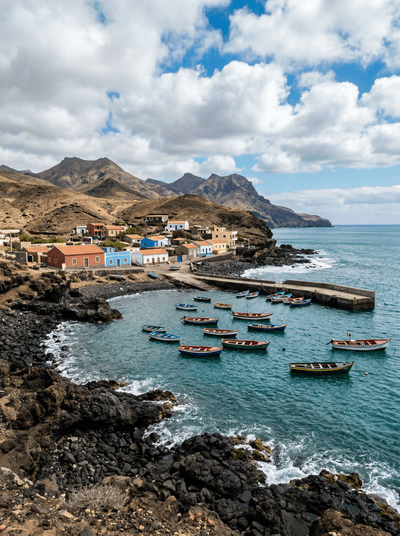
Climb a dead volcano from the beach and count three uninhabited islands from its rim.
Mount Sunday
New Zealand
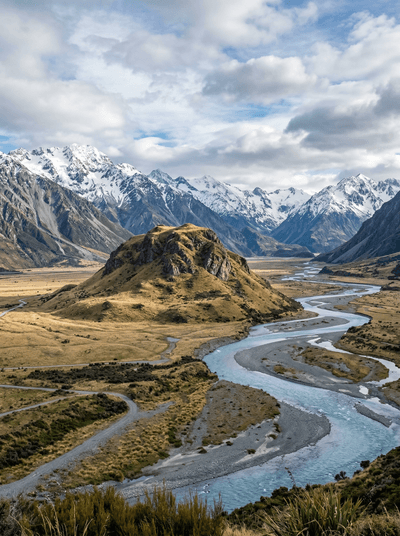
A solitary hill guarding a braided river plain — Tolkien's Rohan made real, set removed.
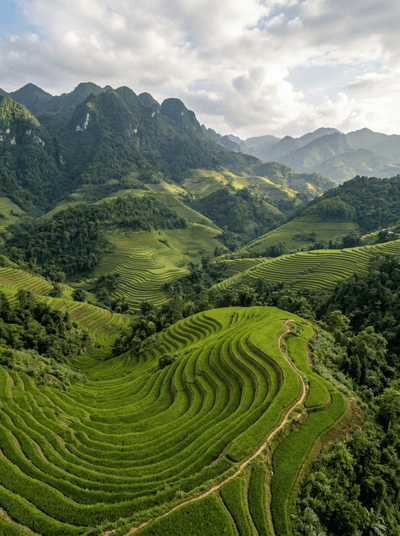
Hoang Su Phi
Vietnam
Rice terraces so vertiginous they look like topographical maps carved directly into the sky.
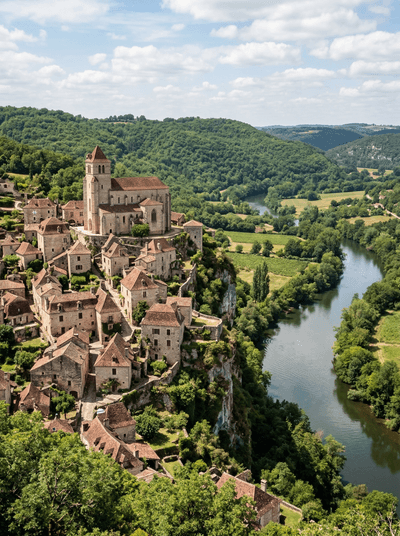
Saint-Cirq-Lapopie
France
Cliffside houses dangling over the Lot where Breton stopped wanting to be anywhere else.
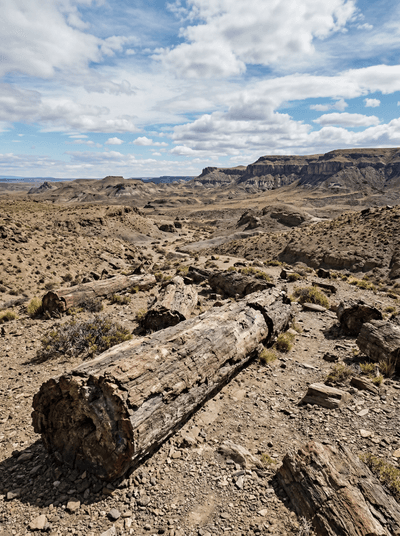
Bosques Petrificados de Jaramillo
Argentina
Trees turned to stone in the Jurassic, lying where they fell on windswept steppe.
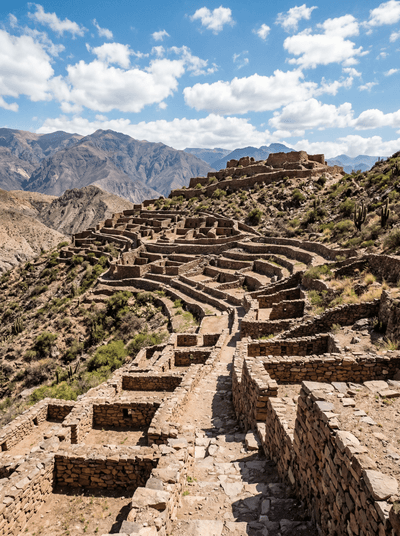
Quilmes Ruins
Argentina
A pre-Columbian stone city climbs the hillside, its people unbeaten for a century.
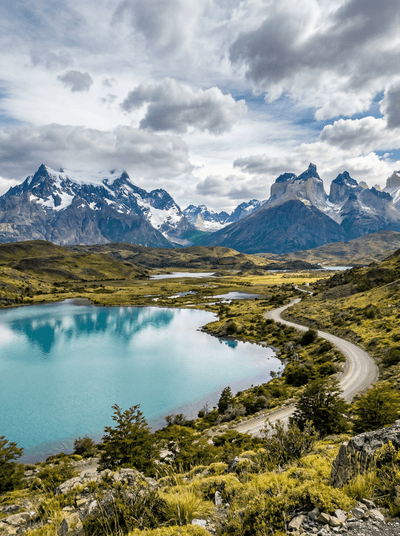
Parque Nacional Patagonia
Argentina
A sheep ranch returned to wilderness, where pumas again stalk guanaco herds freely.
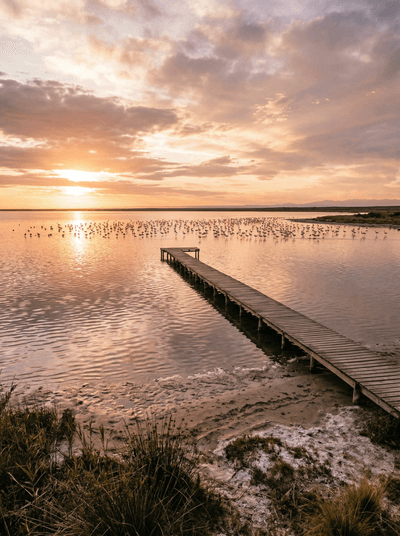
Mar de Ansenuza
Argentina
South America's largest salt lake turns pink with flamingos against a soybean horizon.