Pakistan
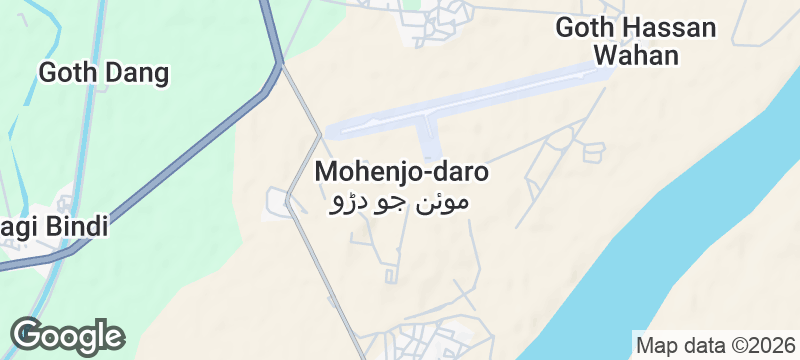
Mohenjo-daro
A 4,500-year-old city with flush toilets and grid-planned streets built before the pyramids were finished.
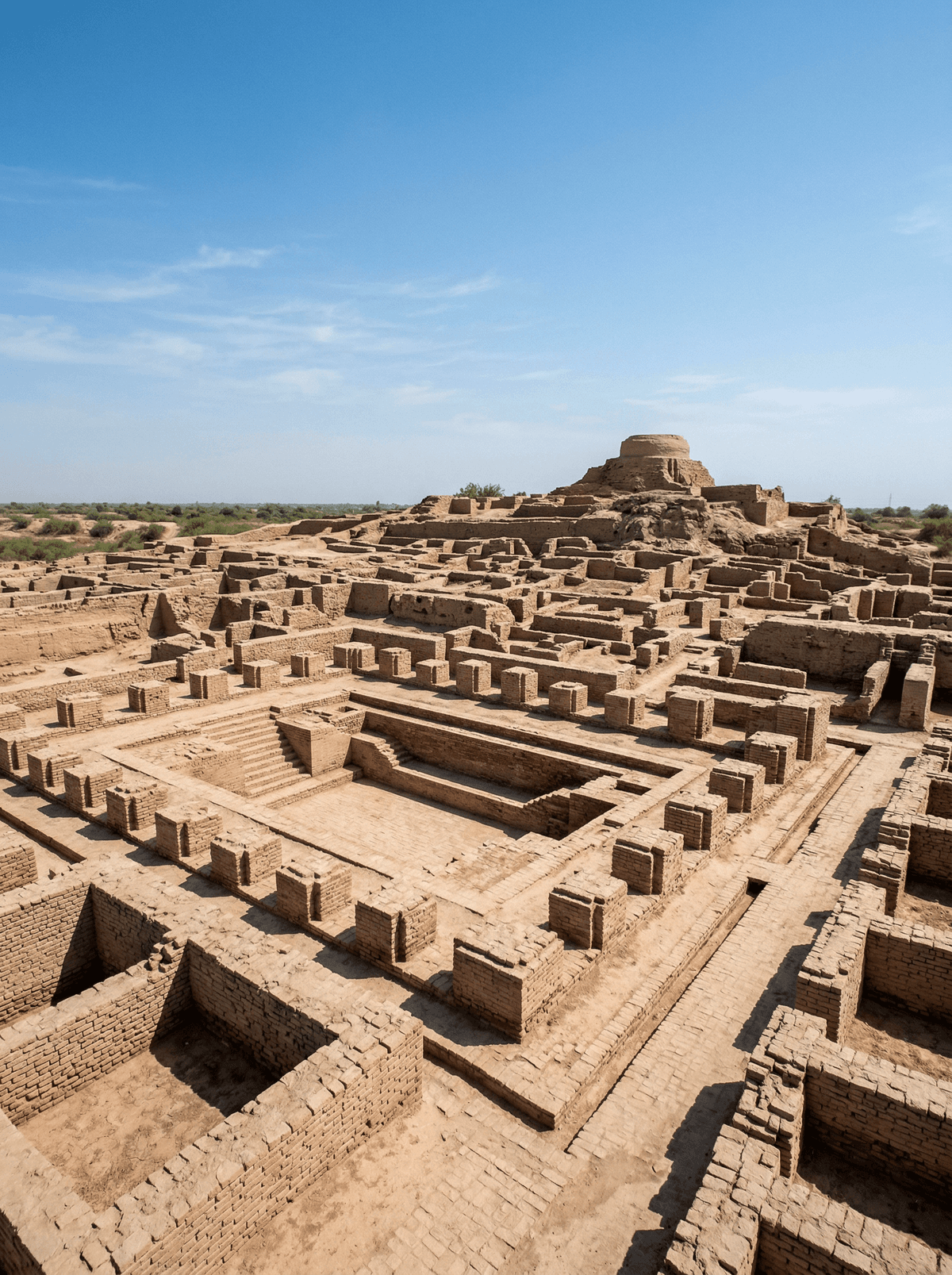
You walk the same lanes that Indus Valley citizens walked 4,500 years ago. Brick walls rise to waist height on either side, drains run beneath your feet in covered channels, and the grid layout feels unsettlingly modern. Mohenjo-daro in Sindh, Pakistan, is older than the pyramids of Giza, yet its urban planning would not look out of place in a 20th-century textbook.
Mohenjo-daro was built around 2500 BCE and is one of the two great cities of the Indus Valley Civilisation, alongside Harappa. The site features grid-planned streets, standardised brickwork, covered drainage channels, and multi-storey buildings — civic infrastructure that pre-dates Rome by two millennia. The Great Bath, a watertight brick pool with steps on all four sides at the site's centre, is the world's oldest known public water tank. The site museum holds original seals bearing the still-undeciphered Indus script, bronze figures including the celebrated Dancing Girl, and tools that reveal a society of extraordinary sophistication. The ruins are largely unrestored, with original brickwork exposed at street level. Mohenjo-daro is a UNESCO World Heritage Site in Larkana district, accessible by road from Sukkur.
Solo
Walking alone through streets older than recorded history, with no barriers and almost no other visitors, delivers a confrontation with time that requires no companion to process.
Couple
Mohenjo-daro is for couples who travel to understand, not just to see. Sharing the silence of a 4,500-year-old city as dusk softens the brickwork creates a quiet seclusion that crowded sites cannot.
Family
The concept lands powerfully with children: people who lived here before the pyramids had drains, baths, and planned streets. History as discovery rather than dates on a page.
- The Great Bath — 12 metres long, waterproofed with bitumen — was a public ritual structure in use when Britain was still a forest.
- The city's drainage system included covered brick channels running under every street — a sanitation infrastructure not matched in Europe for another 3,000 years.
- The site's National Museum displays the 'Dancing Girl' bronze figurine and the horned deity seals — objects that remain culturally unattributed to any known religion.
- The flat Sindh plain is visible in all directions from the citadel mound — the city was deliberately positioned at the river's crossing point, and you feel that logic standing on the mound.
Sindhi sai bhaji — vegetable and lentil stew — from Larkana's bazaar.
Papad and pickle with every meal, the Sindhi table's non-negotiable accompaniments.
Sindhi biryani from roadside dhabas — tangier and more complex than its Karachi cousin.
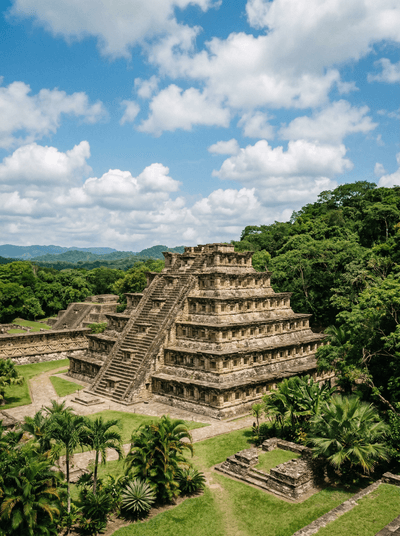
El Tajín
Mexico
A pyramid of 365 niches where voladores still spin from a 30-metre pole.
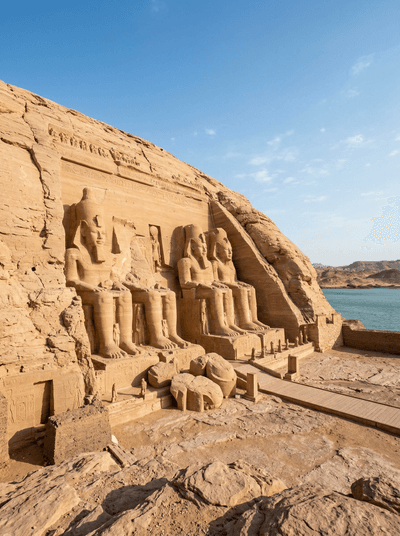
Abu Simbel
Egypt
Twice a year, dawn crawls sixty metres through solid rock to light a pharaoh's face.
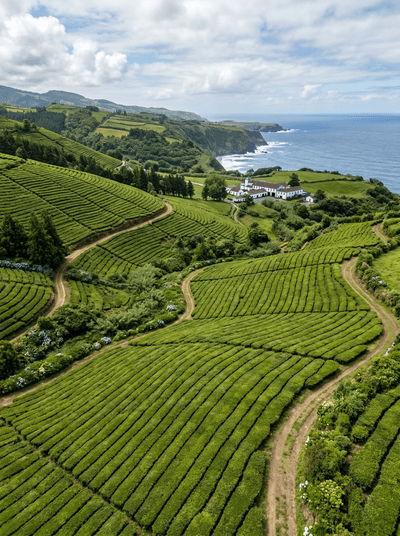
Gorreana
Portugal
Europe's oldest tea plantation, emerald rows rolling down volcanic slopes to the Atlantic since 1883.
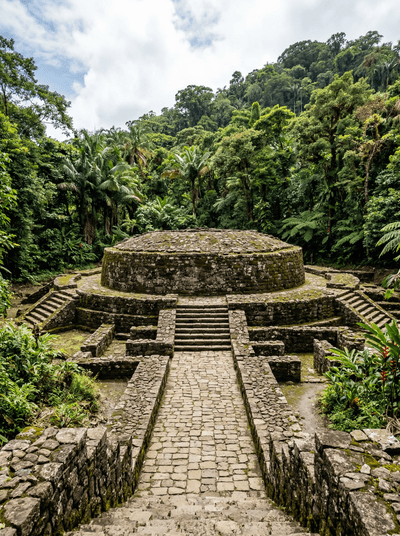
Guayabo National Monument
Costa Rica
Pre-Columbian aqueducts still carrying water through a 3,000-year-old city the jungle tried to swallow.
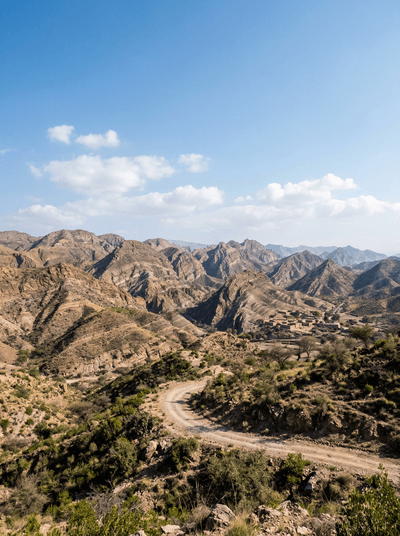
Salt Range
Pakistan
Crimson salt cliffs exposing the floor of a 600-million-year-old vanished ocean in Punjab's flat plains.
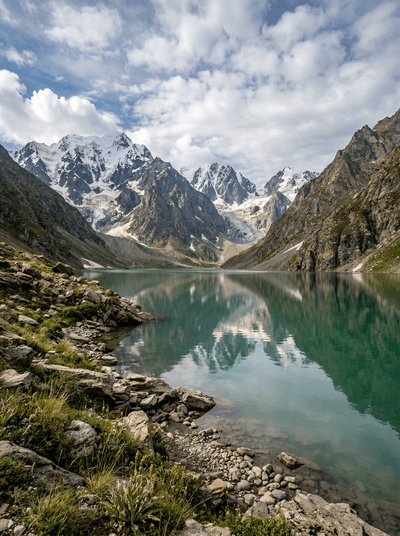
Saif ul Muluk
Pakistan
At 3,200 metres, a glacial lake so turquoise it birthed Pakistan's most beloved Sufi love poem.
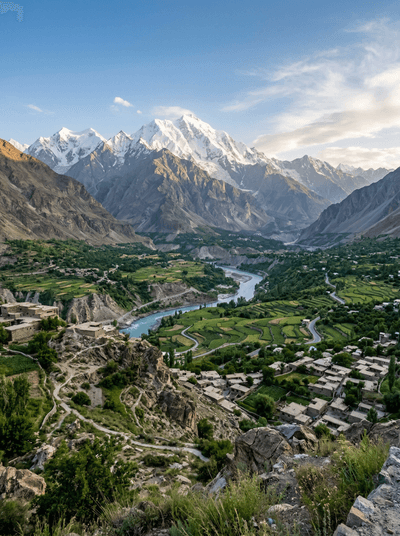
Hunza Valley
Pakistan
Apricot orchards cascading down terraces where three of Earth's mightiest mountain ranges collide.
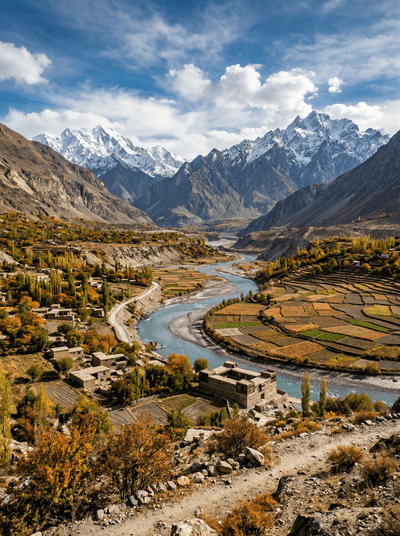
Chitral
Pakistan
Hindu Kush walls rising 7,700 metres above polo grounds where horsemen play without rules or saddles.