Egypt
Abu Simbel
Twice a year, dawn crawls sixty metres through solid rock to light a pharaoh's face.
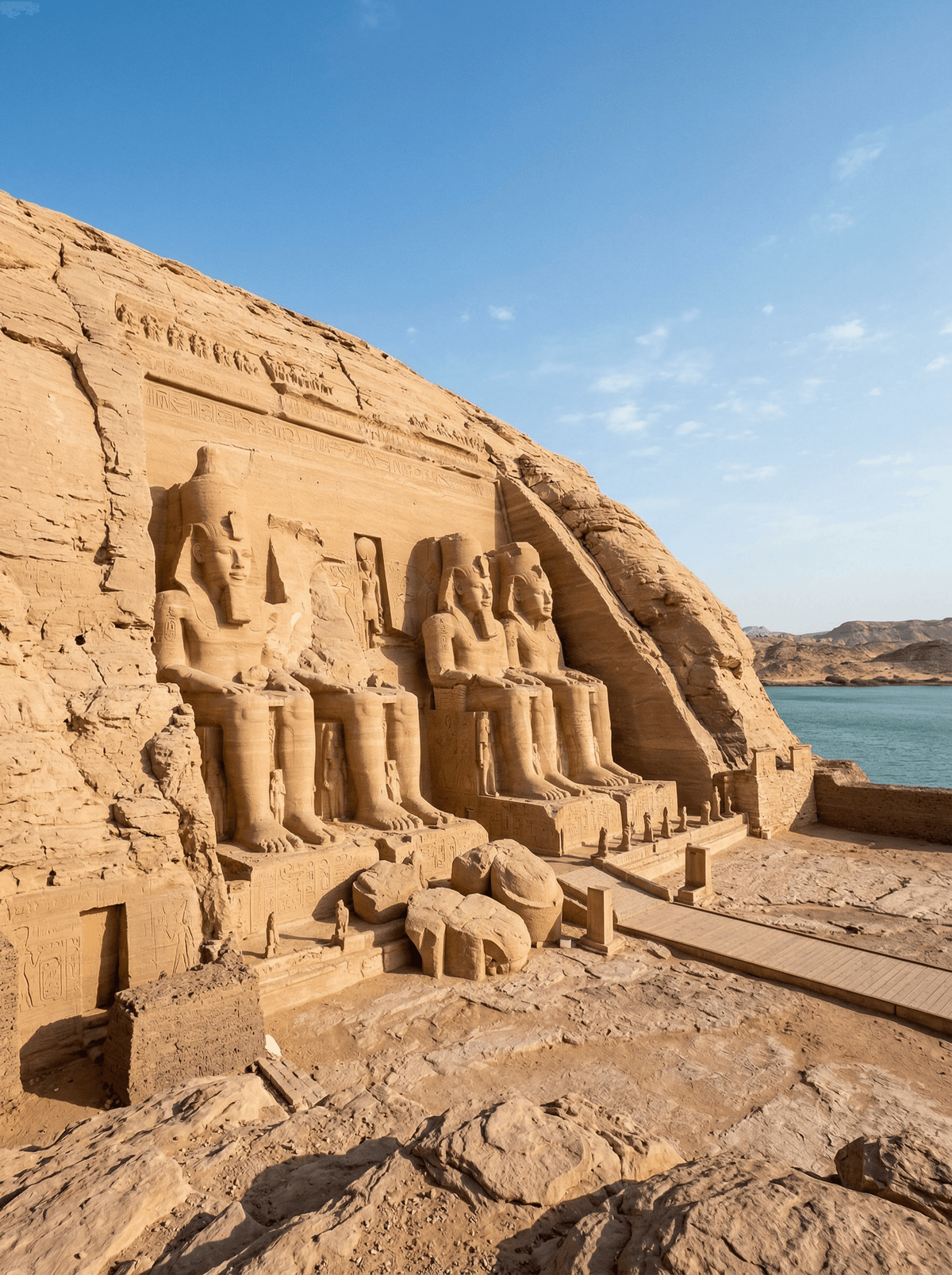
Four colossal figures of Ramesses II stare across Lake Nasser at a horizon unchanged in thirty-two centuries. Twice a year — 22 February and 22 October — the first ray of dawn threads sixty metres through the temple to find the pharaoh's face in the innermost sanctuary.
Ramesses II cut both temples straight into the sandstone cliff in the thirteenth century BCE: the Great Temple fronted by four twenty-metre seated colossi, the smaller Temple of Hathor honouring Queen Nefertari. In the 1960s the whole ensemble was sawn into more than a thousand blocks and rebuilt sixty-five metres higher to escape Lake Nasser's rising water — and the solar alignment survived the move almost to the minute. Deep in the sanctuary sit four gods; Ptah, god of darkness, is the one the sun never touches.
Solo
Take the dawn flight from Aswan, be at the gate for six, and have the lit sanctuary almost to yourself before the day's convoys arrive.
- The sun-ray dates match Ramesses II's coronation and his birthday — a calendar carved in stone.
- The UNESCO rescue of 1964–68 lifted the temples 65 metres up and 200 metres back from the rising lake.
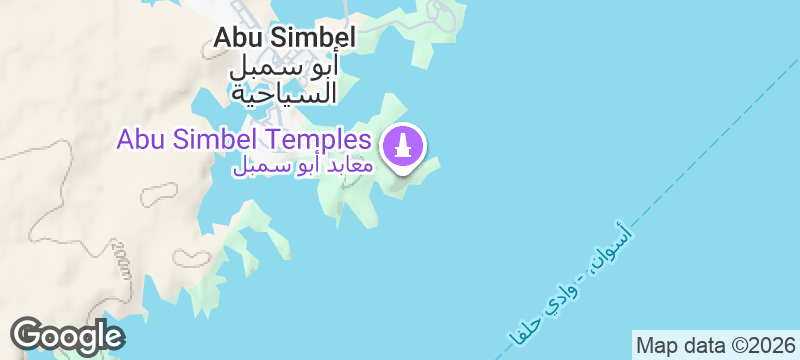
- Abu Simbel's own airstrip sits minutes from the temples — a 45-minute flight from Aswan, or four hours by road.
- Gates open at six, and on the two festival mornings the sanctuary draws its crowd before first light.
At Eskaleh's Nubian ecolodge the Lake Nasser catch comes to the table fresh, with meat and vegetarian tables beside it.
On the main road, Wady El Nile and the Nubian Oasis keep traditional Egyptian kitchens, and Cafe Toya lays a full breakfast before an early temple run.
Su Nuraxi di Barumini
Italy
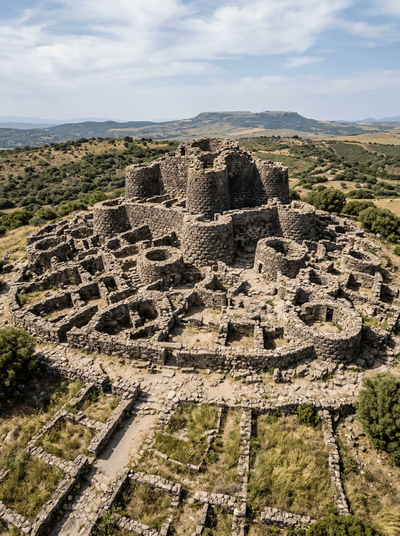
A Bronze Age stone fortress predating Rome by seven centuries, buried until the 1950s.
Taxila
Pakistan
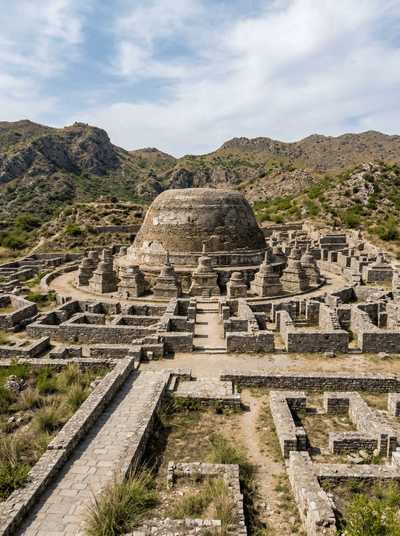
Three cities layered across a thousand years — Gandhara's monks carved Buddhas with Greek faces here.
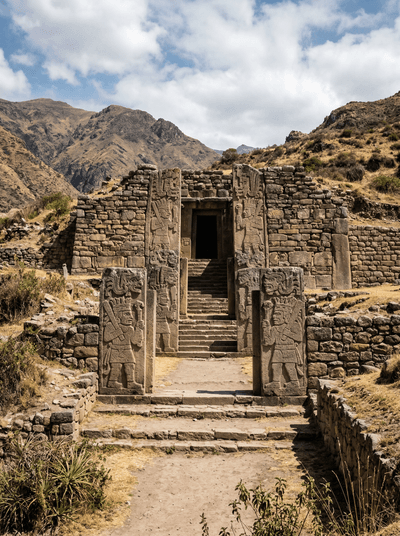
Sechín
Peru
Temple walls carved with warriors and the dismembered — 3,600-year-old stone testimony.
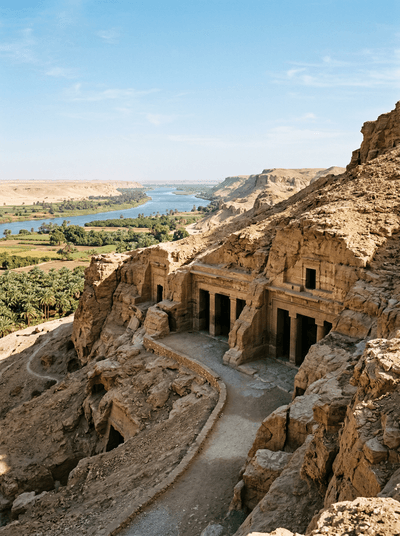
Beni Hasan
Egypt
Rock-cut tombs high on a cliff face, their four-thousand-year-old wrestlers still mid-grapple on the walls.
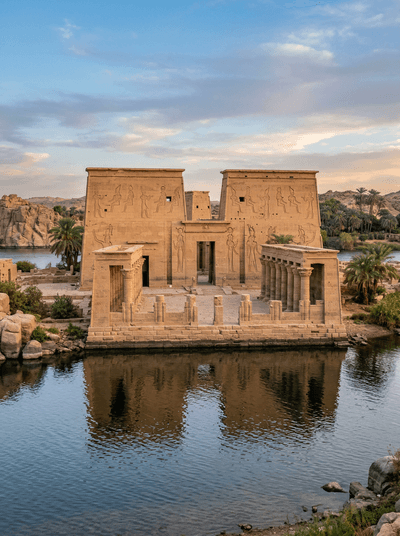
Philae Temple
Egypt
A temple rescued from rising waters, reassembled stone by stone on an island in the Nile.
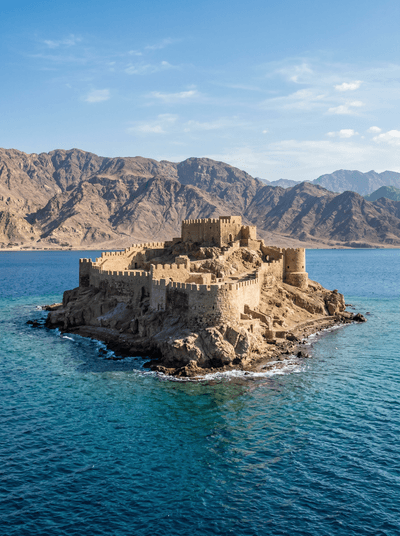
Pharaoh's Island
Egypt
Crusader-contested fortress on a Gulf of Aqaba island, four countries visible from its ramparts.
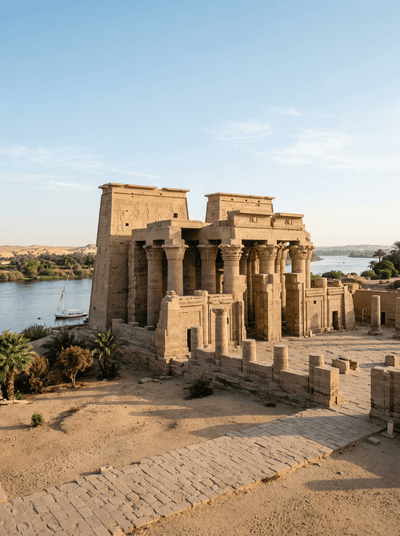
Kom Ombo
Egypt
A temple split between crocodile god and falcon, mummified crocs filling the gallery beside it.