Indonesia
Mount Tambora
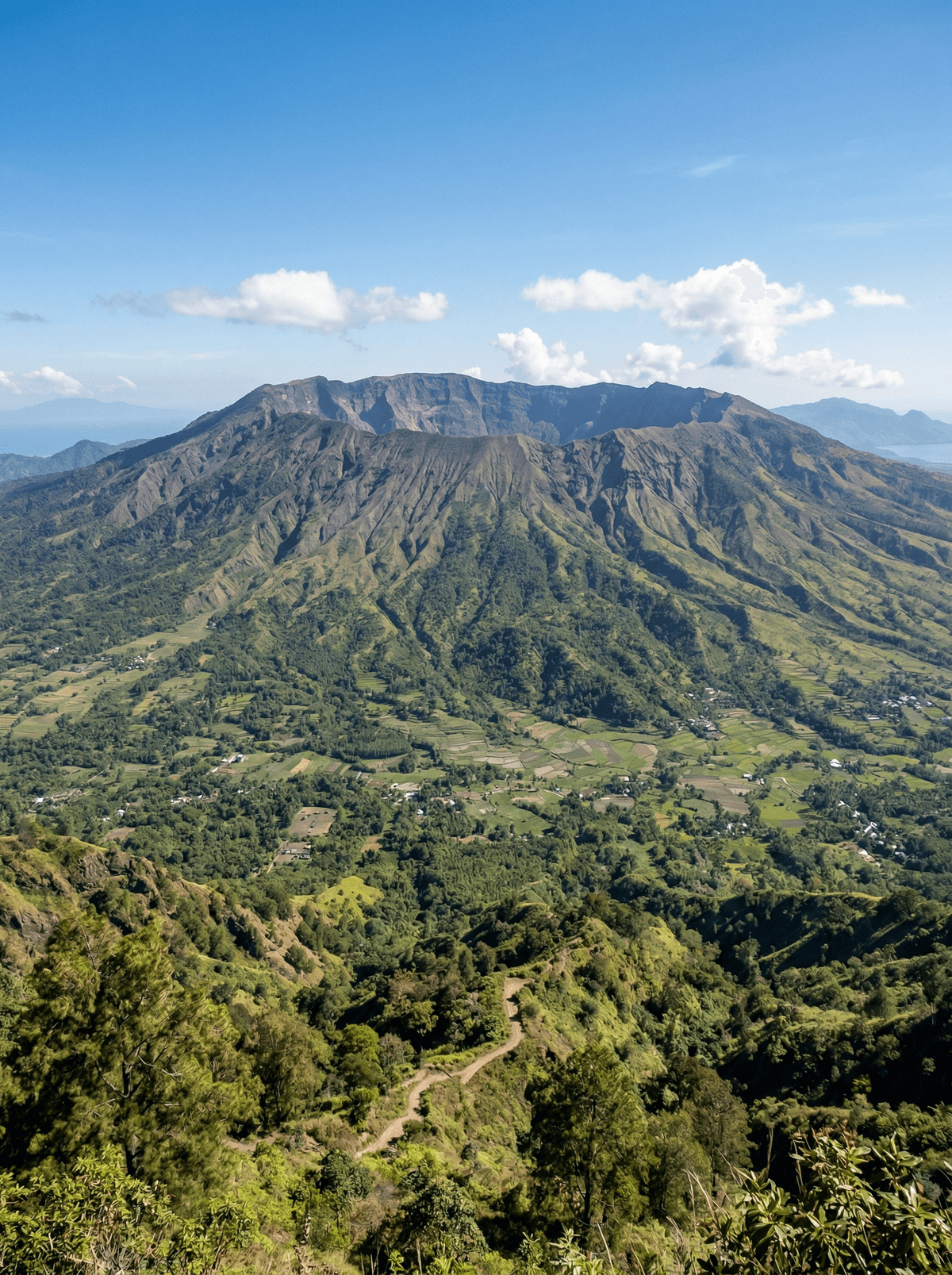
The 1815 eruption brought the Year Without a Summer; the crater is six kilometres wide.
From the rim, the hole in the world takes a moment to process: six kilometres across, over a kilometre deep, the scar of the most powerful eruption in recorded history. Forest has climbed back over the devastation below.
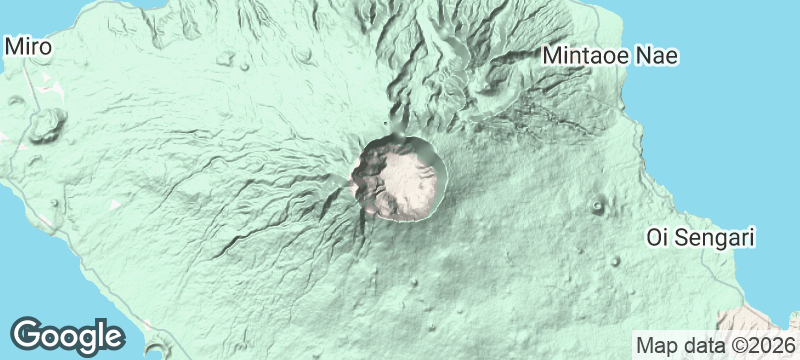
Tambora, on Sumbawa, blew apart in April 1815 in the largest eruption in recorded history, a VEI-7 event whose atmospheric veil brought 1816's Year Without a Summer, with crop failures across the Northern Hemisphere documented by NOAA and NASA climate records. The mountain lost over a kilometre of height and kept a caldera roughly six kilometres wide. The park reopened designated climbing in 2026 with registration and guide requirements, the rim trek running two to three days from the villages on its flanks, and route availability confirmed immediately before travel.
Solo
A registered guide carries the route knowledge; the climber carries the awe.
Friends
Camp logistics and summit mornings divide well across a fit group.
- Smithsonian records the 1815 eruption as VEI-7, the largest in recorded history.
- Its aerosols caused the Year Without a Summer across the Northern Hemisphere.
- The summit caldera measures roughly six kilometres across.
- A registered, guided rim climb reopened in 2026 as a multi-day journey.
Singang, Sumbawa's tamarind and turmeric fish soup, is the island's named dish.
Trek provisioning is agreed in advance; the Doro Ncanga route carries no water at all.
North Cascades
United States
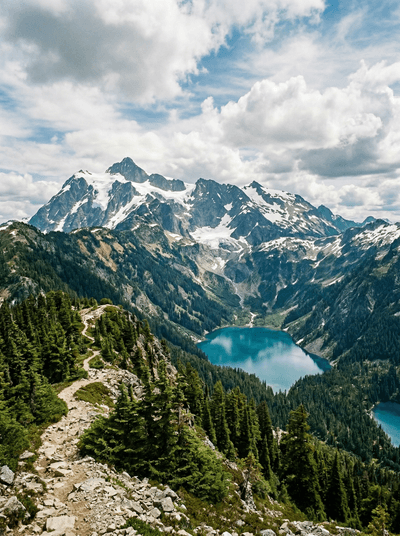
More glaciers than any park in the lower forty-eight, yet almost no one comes.
Nevado de Toluca
Mexico
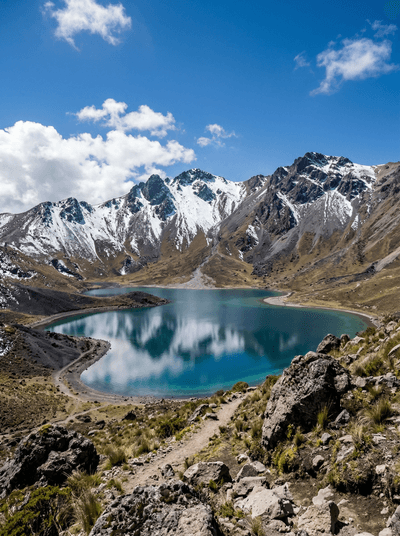
Cold crater paths circle two high lakes beneath Mexico's shifting mountain weather.
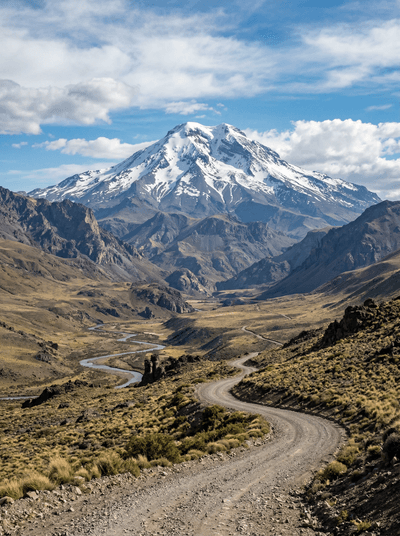
Volcán Domuyo
Argentina
Patagonia's highest peak, ringed by hot springs and steam vents almost nobody visits.
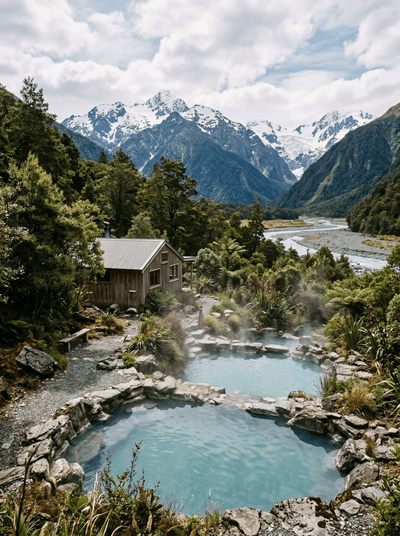
Welcome Flat Hot Springs
New Zealand
Hot pools steaming beside a glacial river, earned by a full day's walking.
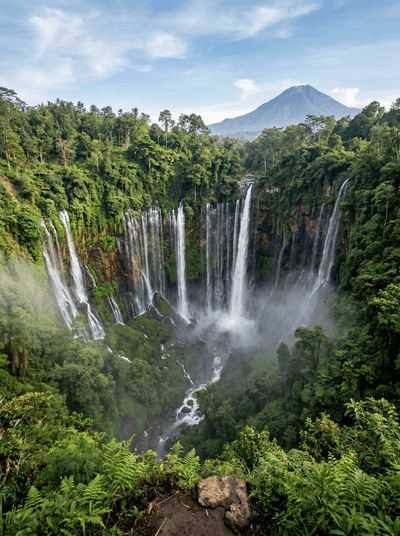
Tumpak Sewu
Indonesia
Hundreds of waterfalls pour off one cliff into a green amphitheatre below Semeru.
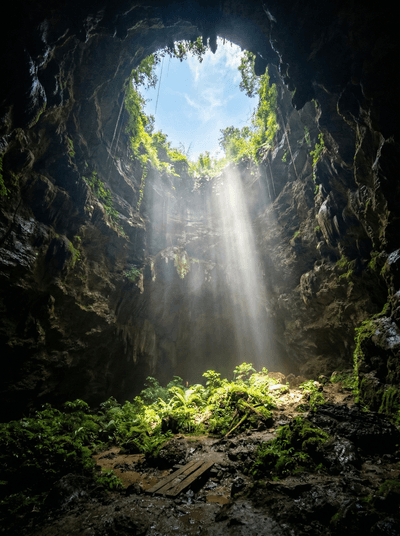
Jomblang Cave
Indonesia
A sixty-metre rope descent reaches a sinkhole forest lit by one shaft of sun.
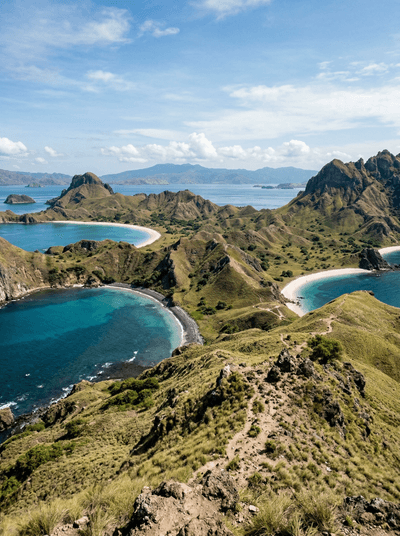
Komodo National Park
Indonesia
Around 5,700 giant lizards roam dry savanna islands where strong currents draw whales and turtles.
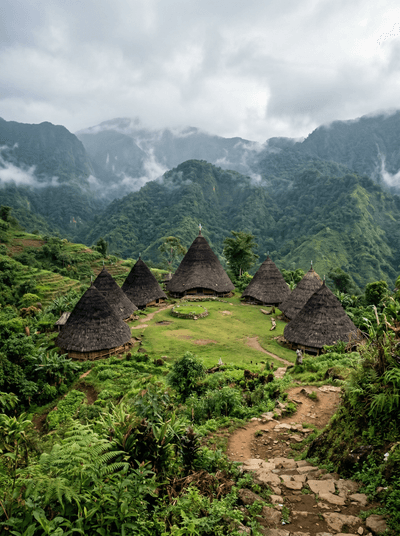
Wae Rebo
Indonesia
Seven thatched cones stand alone in a mountain clearing with cloud drifting through the village.