Indonesia
Jomblang Cave
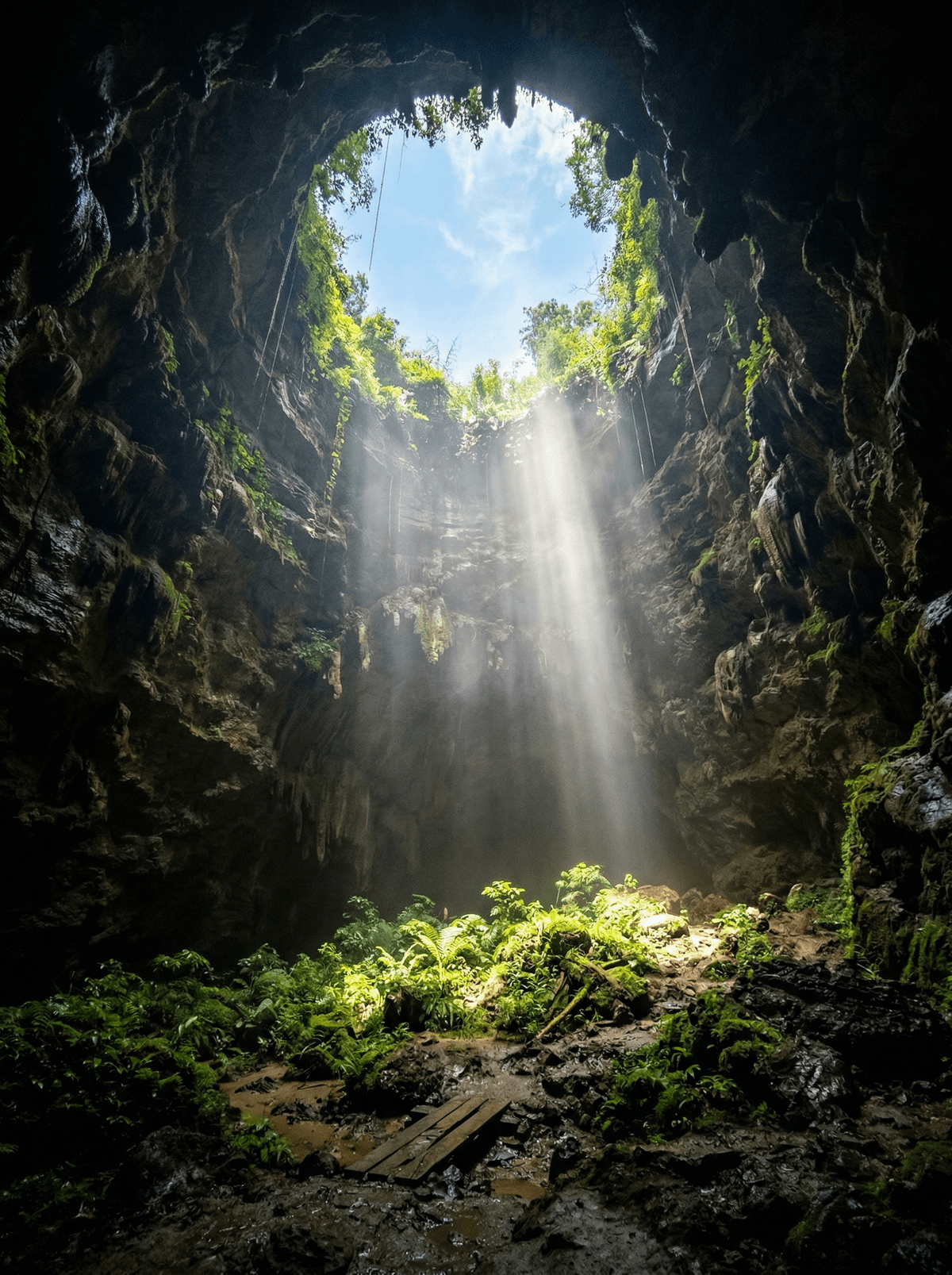
A sixty-metre rope descent reaches a sinkhole forest lit by one shaft of sun.
The rope spins slowly as the surface shrinks to a disc of sky. At the bottom, a muddy passage opens into Grubug's chamber, where around late morning a single column of sunlight drops through the roof and sets the cave floor's forest glowing.
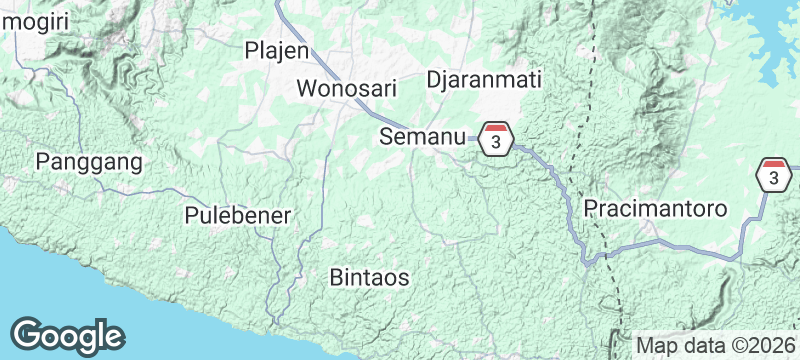
Jomblang is a collapsed sinkhole in Gunungkidul, an hour and a half from Yogyakarta, descended on operator-managed ropes to a floor where a true underground forest grows. A 300-metre passage leads to Grubug cave and its skylight, whose light beam depends on hour and weather and is strongest around late morning. Daily capacity is limited and booked ahead, the route is muddy throughout, and the briefing, descent, cave walk and winched return fill most of a morning between them.
Solo
The operator's team handles the ropes; one visitor just brings boots and nerve.
Friends
Shared mud and a shared winch queue make it a story told for years.
- A genuine forest grows on the sinkhole floor, sixty metres below the fields.
- Grubug's light column, when sky and hour align, is the cave's famous image.
- The operator manages ropes, harnesses and the winched return.
- Daily visitor numbers are capped, which keeps the chambers quiet.
Tour packages include the lunch box after the winch brings you up.
Tiwul, Gunungkidul's cassava staple, is the district's honest speciality.
Corcovado National Park
Costa Rica
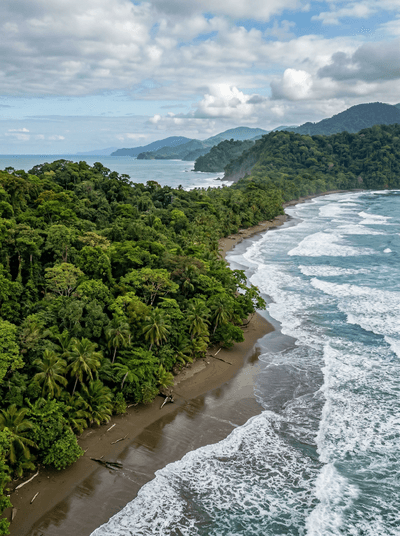
National Geographic called it the most biologically intense place on Earth. They undersold it.
Dempster Highway
Canada
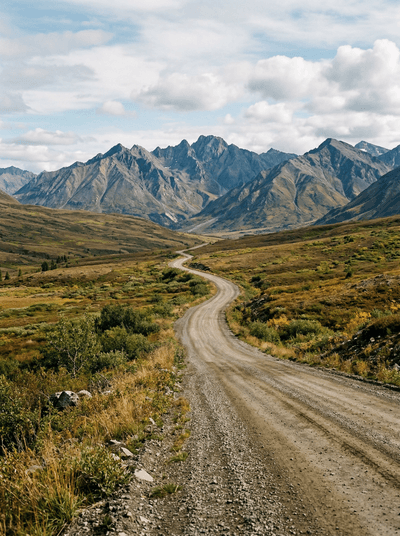
Canada's only all-season Arctic road runs 740 unpaved kilometres to the Mackenzie Delta.
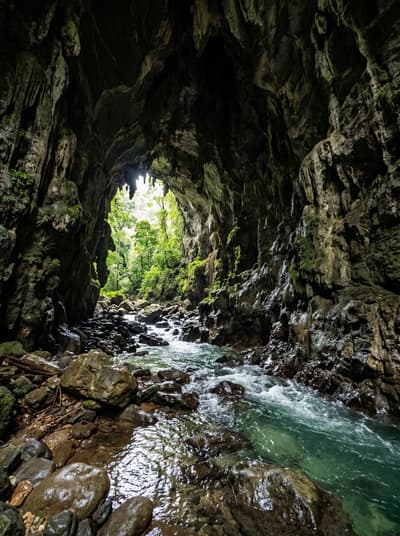
Millennium Cave
Vanuatu
Enter the cave on foot; leave it swimming down a jungle gorge.
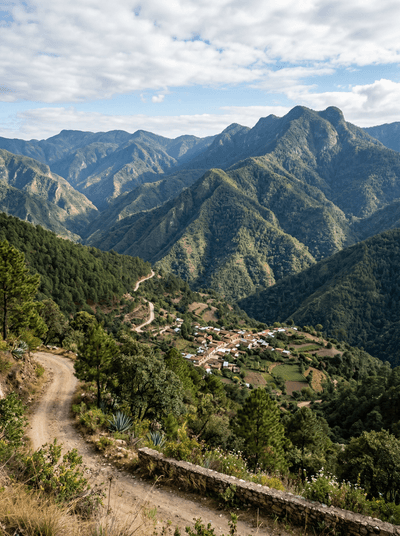
Oaxacan Sierra Norte
Mexico
Cloud-forest trails link Zapotec villages that invented community ecotourism in Mexico.
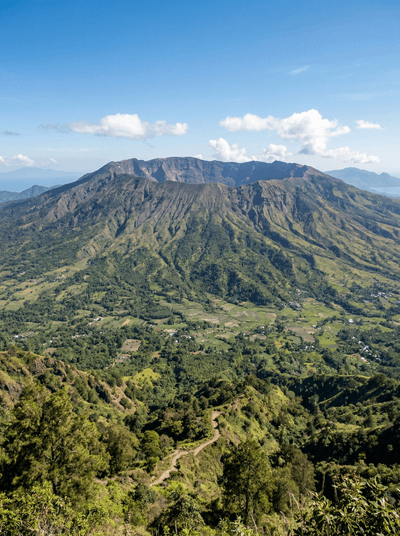
Mount Tambora
Indonesia
The 1815 eruption brought the Year Without a Summer; the crater is six kilometres wide.
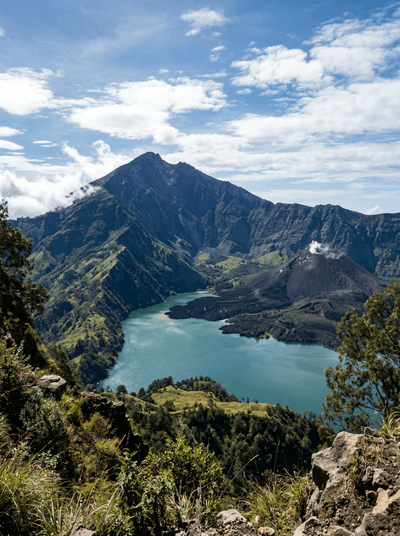
Mount Rinjani
Indonesia
The crater lake holds another volcano inside it, still active, still building.
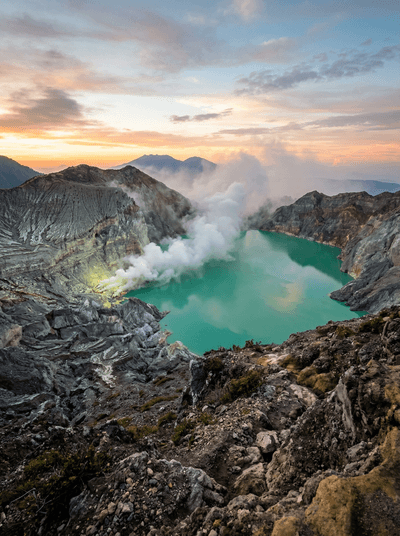
Ijen Crater
Indonesia
Sulphur miners and blue fire share Ijen's crater with a kilometre-wide acid lake.