Fiji
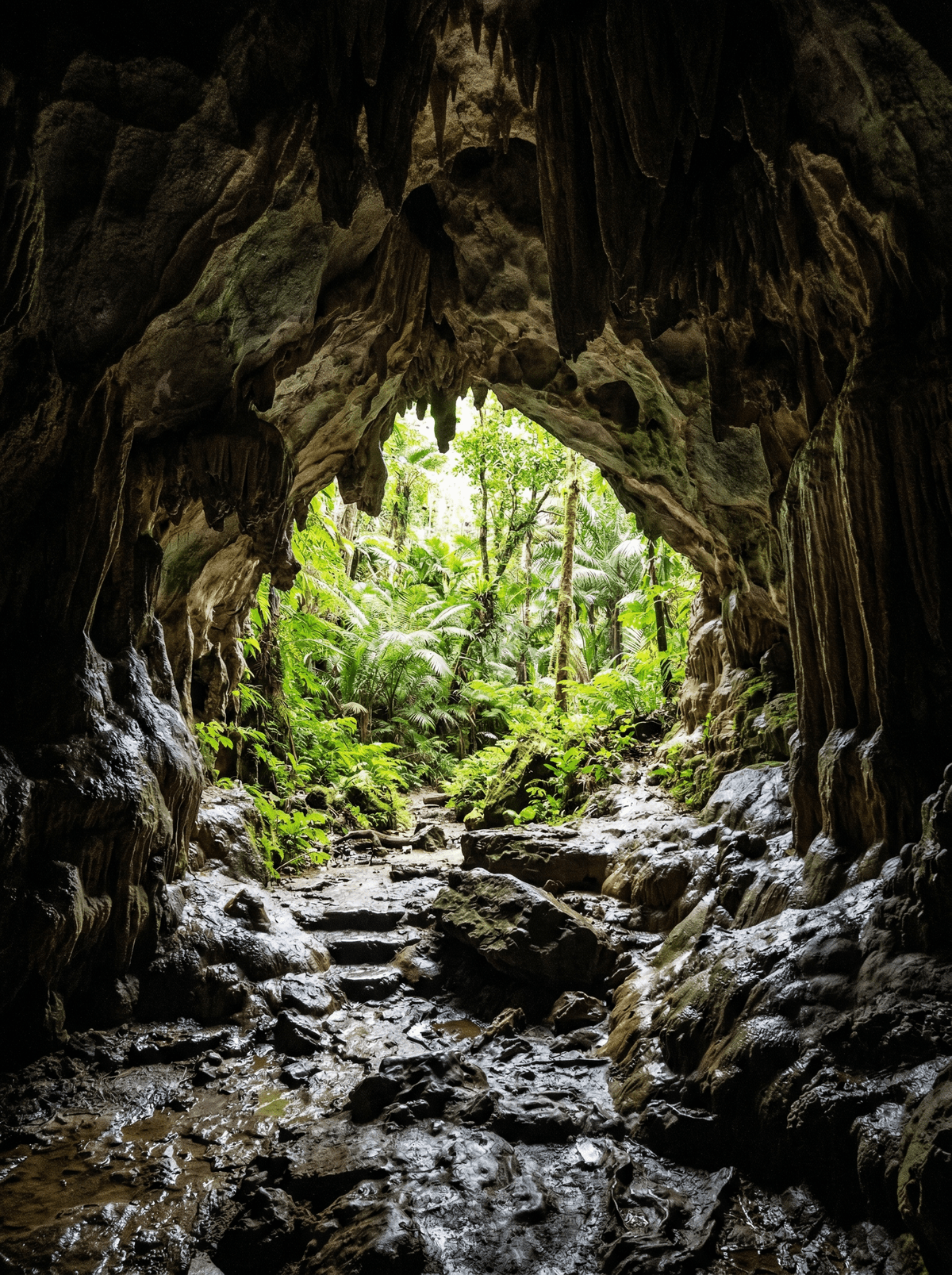
Naihehe Cave
Stalactite doorways open into a cave fortress where the Navatusila clan outlasted every chief in Fiji.
The guide lights a torch inside the cave entrance and the stalactite formations cast shadows that look like doorways. Further in, the ledges are bone ledges — the Navatusila tribe kept the skulls of enemies here, and the last captives were consumed in 1865. The cave's reputation kept colonists at bay for decades. Walking into it now requires a different kind of courage.
Naihehe Cave in the Sigatoka Valley is a limestone cave system that served as the fortified refuge of the Navatusila clan, a group that maintained the practice of cannibalism within the cave long after it ceased elsewhere in Fiji. The cave was the last location in Fiji where this practice was documented, ending in 1865. Access requires a guided walk through the valley, including a wade across the Sigatoka River, and tours are conducted exclusively by guides descended from the Navatusila clan. The cave interior includes stalactite formations, clearly defined skull ledges, and chambers that descend deeper than the standard tour covers. Cultural context — rather than sensationalism — is the emphasis local guides bring to the experience.

Solo
Naihehe rewards the traveller who wants cultural depth rather than reef beauty — this is history that has not been sanitised or reframed for comfort.
Couple
The guided walk, river crossing, and cave interior create a day that stays in memory differently from any resort excursion in Fiji.
Friends
The group experience of descending into the cave with a guide who carries the cultural weight of the place is one of Fiji's most unusual and affecting shared experiences.
- The cave was the last stronghold of cannibal resistance in Fiji — the Navatusila clan held out here until the late 19th century.
- Skull ledges inside the cave held the heads of enemies; the formations remain undisturbed and visible on the guided tour.
- Access requires wading a river and crawling through a low passage — the confined entry is part of the experience.
- The adjacent village performs a traditional welcome ceremony for groups of six or more, with context on the cave's history provided by village elders.
Village guides prepare a traditional lunch after the cave tour — cassava, dalo, and fire-cooked fish.
River prawns from the Sigatoka River, the same waterway that fed the cave's inhabitants.
Fresh mangoes, guava, and soursop picked from trees along the trail.
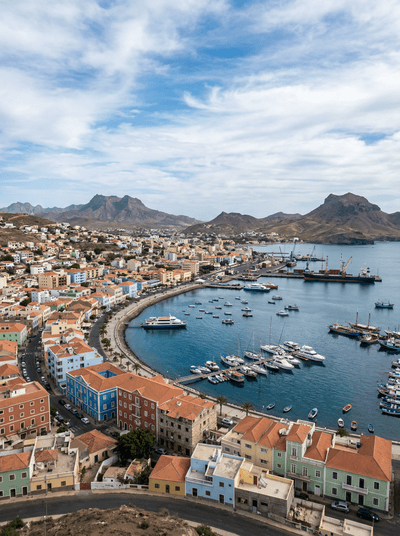
Mindelo
Cape Verde
Morna music drifts from dimly lit bars where Cesária Évora once sang barefoot for sailors.
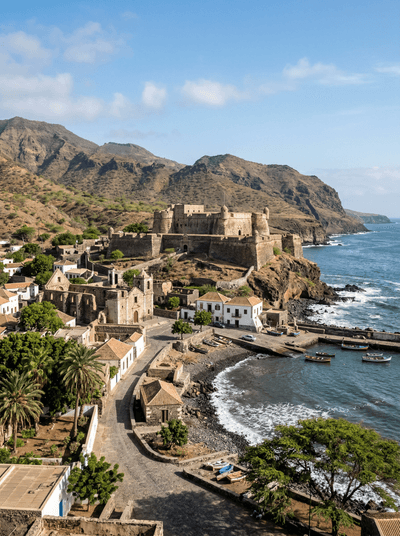
Cidade Velha
Cape Verde
First colonial city in the tropics — a slave pillory still stands in the silent square.
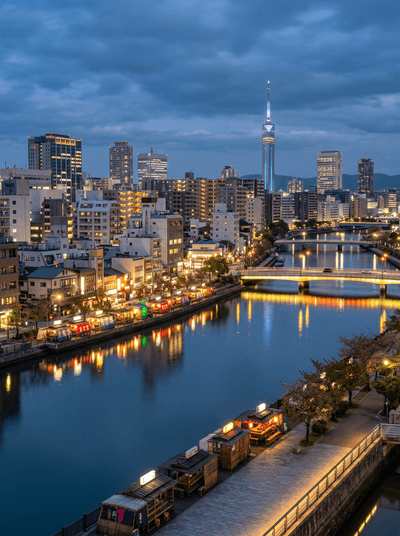
Fukuoka
Japan
Yatai street stalls steaming under canvas where strangers share ramen at midnight.
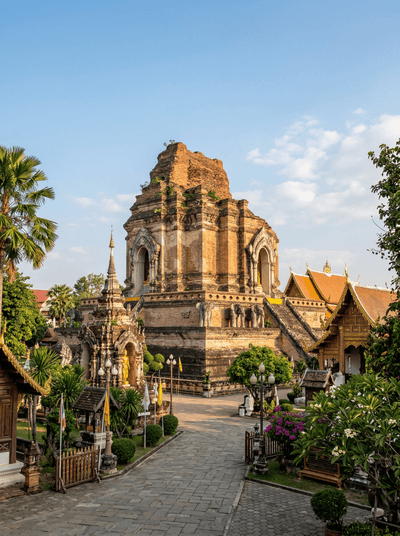
Chiang Mai
Thailand
Monks in saffron robes walking barefoot past tattooed expats and ancient brick chedis at dawn.
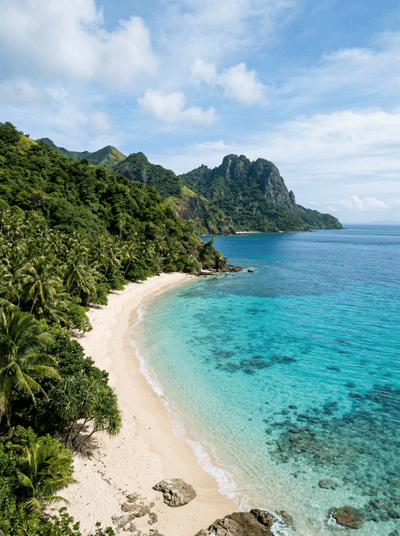
Yasawa Islands
Fiji
Volcanic spines pierce the Pacific, each island a different shade of turquoise solitude.
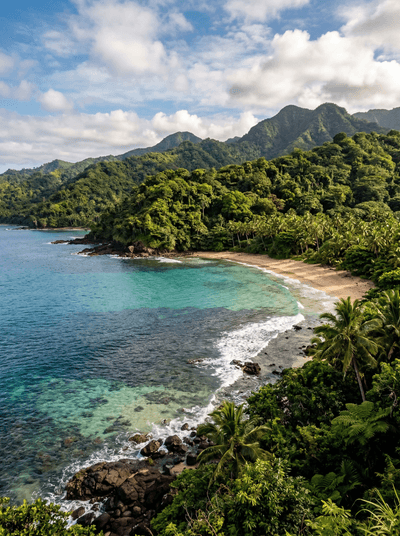
Taveuni
Fiji
The 180th meridian slices through this rainforest island, splitting today from yesterday underfoot.
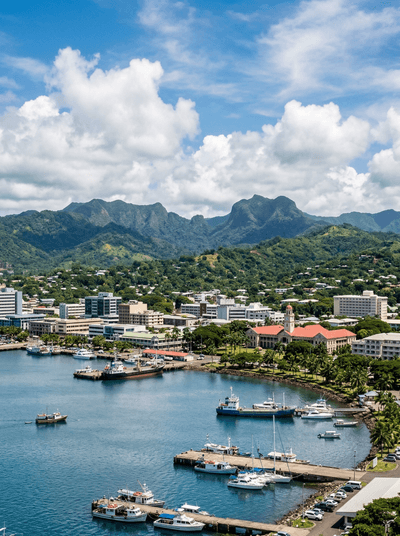
Suva
Fiji
South Pacific hustle where Hindi temples share streets with Fijian markets and colonial verandahs.
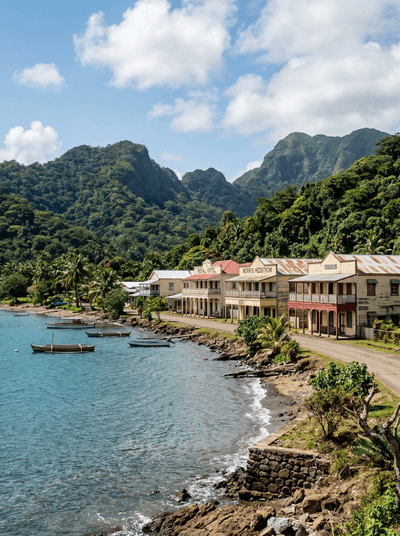
Levuka
Fiji
Fiji's first colonial capital frozen in the 1870s, wooden shopfronts sagging under tropical rain.