Tanzania
Ndutu
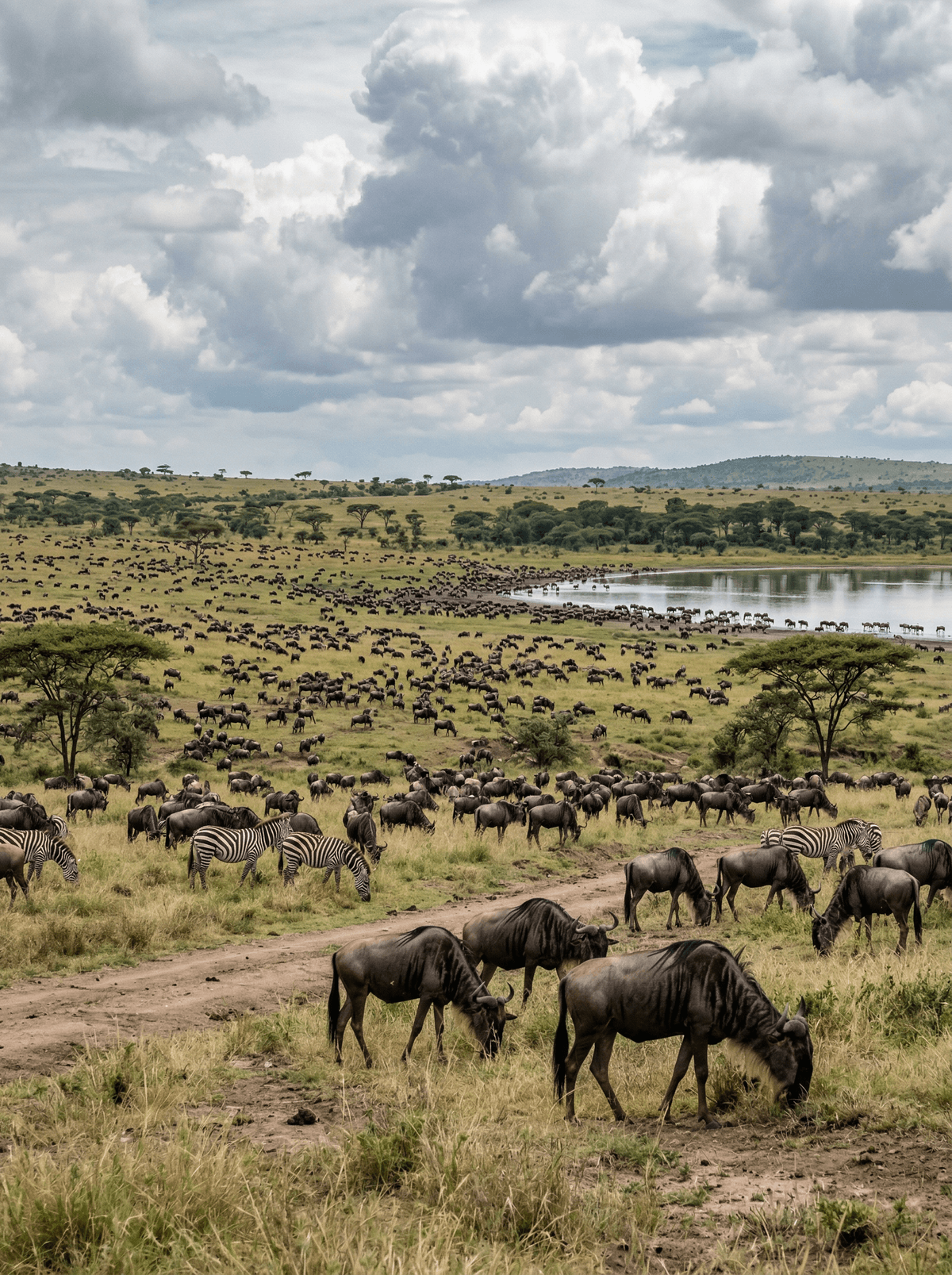
Half a million wildebeest are born onto open grass in a few short weeks.
For a few weeks the plains become a nursery: hundreds of thousands of wildebeest calves born onto short grass with nowhere to hide, up and running within minutes because the lions are watching too.
Ndutu's short-grass plains are the migration's calving ground, roughly half a million calves arriving in the December-to-March green season with the peak from mid-January to the end of February. The grass hides nothing: births, first steps and open lion hunts play out horizon to horizon, watched from vehicles in visibility no other phase of the migration offers. Mobile camps follow the season, cooking full board around a communal mess, and the window is the whole point: come in the green months or see empty plains.
Couple
A pair can follow Ndutu’s green-season plains while accepting that births and predators cannot be booked.
Family
Families can use licensed drives to understand calving ecology without promising children a dramatic scene.
- Around half a million wildebeest calves arrive in one short season.
- Mid-January to late February is the calving peak.
- Short grass turns births and hunts into open theatre.
- Mobile camps follow the season onto the plains.
The mobile camps cook full board around a communal mess.
The plains carry no kitchens; the camps carry everything.
Kangaroo Island
Australia
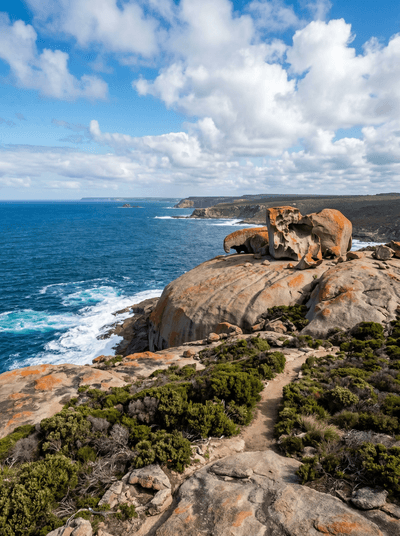
Sea lions lounge on beaches, koalas sleep in roadside trees, and the air tastes of eucalyptus.
Pu Luong
Vietnam
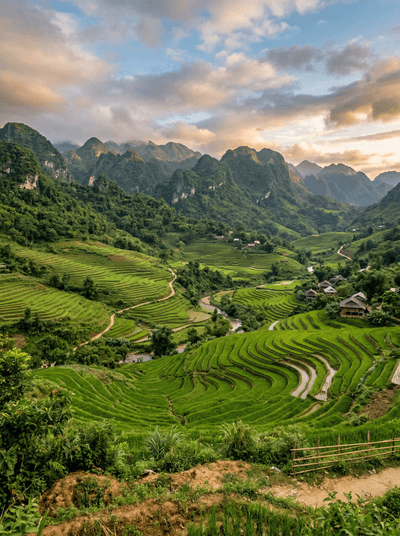
Giant bamboo water wheels groaning as they lift the river into terraced rice paddies.
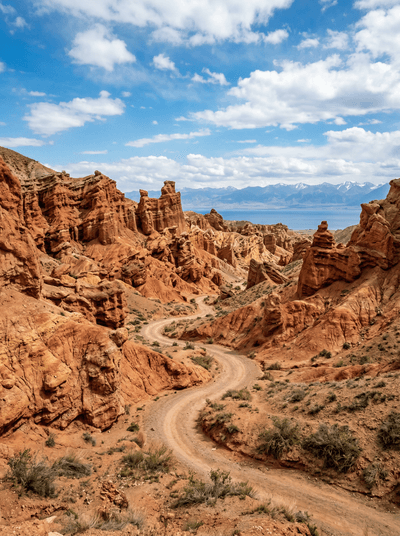
Skazka Canyon
Kyrgyzstan
Wind-carved sandstone castles in rust and amber rising from desert that ends at a mountain lake.
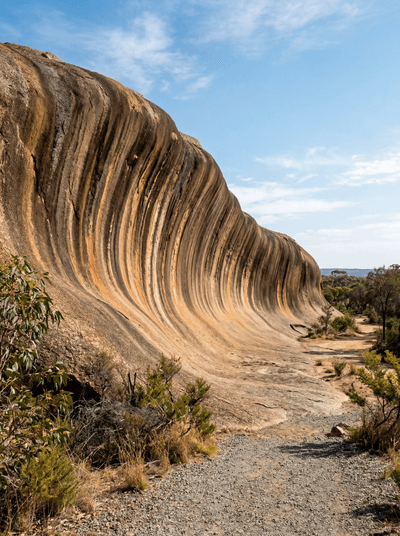
Wave Rock
Australia
A 15-metre granite wave frozen mid-break, striped with mineral stains in the middle of wheat country.
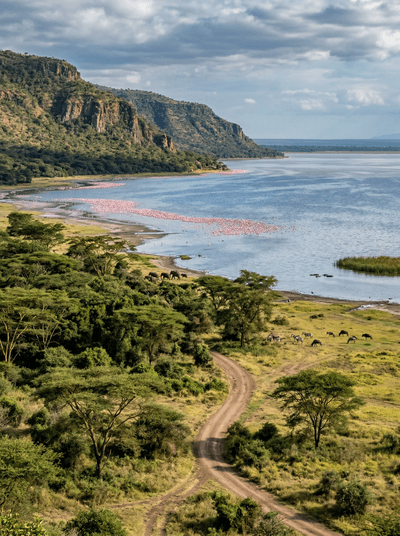
Lake Manyara National Park
Tanzania
The lions of Manyara climb trees, a habit almost nowhere else on Earth.
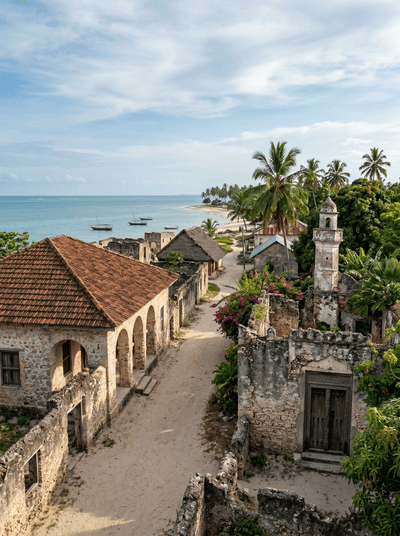
Bagamoyo
Tanzania
The enslaved named this port 'lay down your heart,' and its coral lanes remember.
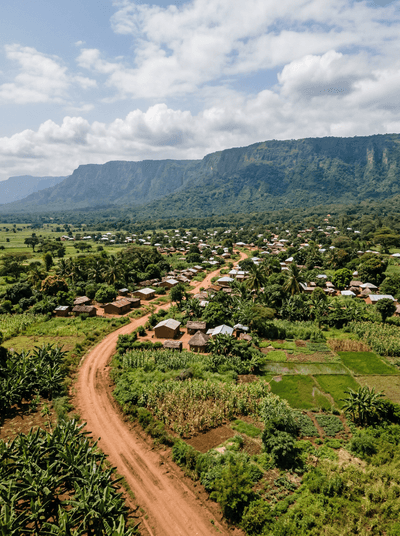
Mto wa Mbu
Tanzania
Thirty banana varieties grow around one village, and only two make the beer.
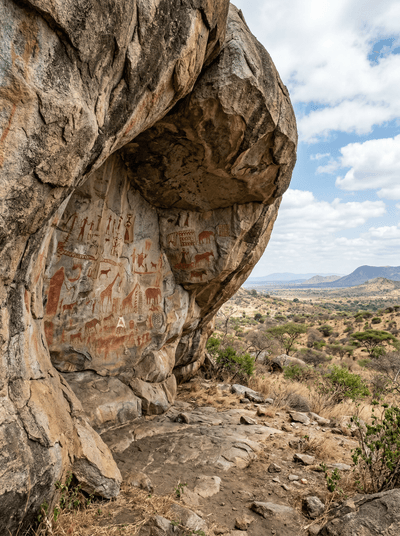
Kondoa Rock Art Sites
Tanzania
Ten thousand years of ochre hunters layer the sandstone of a valley few visit.