Tanzania
Mto wa Mbu
Thirty banana varieties grow around one village, and only two make the beer.
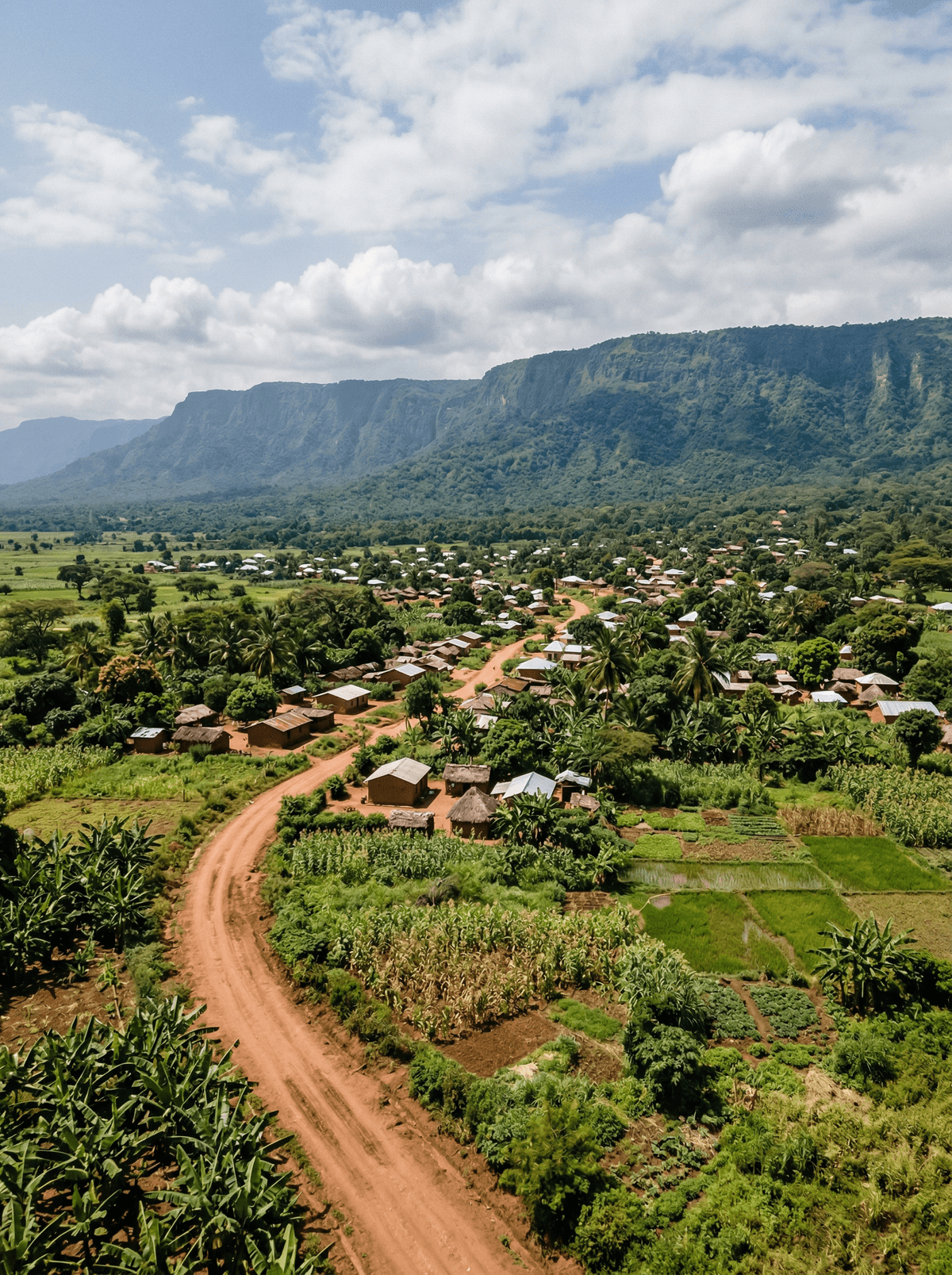
More than thirty banana varieties grow around this one Rift-floor village, and only two of them make the beer. Mto wa Mbu is the northern circuit's great human crossroads, markets and farms where the escarpment meets the road.
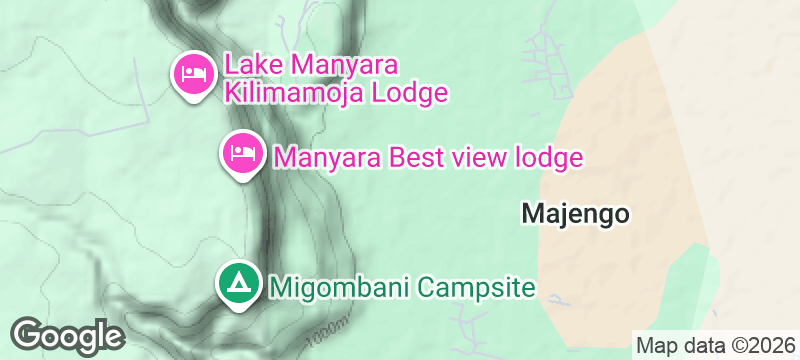
Mto wa Mbu sits under the Rift wall at Manyara's gate, a crossroads village whose farms grow bananas in extraordinary variety, mbege banana beer brewed from the two kinds that work, and whose markets, rice paddies and community food tours turn a safari transit stop into a cultural day. Community guides run the village on its own terms, the banana-beer tasting the signature stop, and the town serves year-round as the circuit passes through.
Couple
Couples can join a community route focused on real farms, workshops and food rather than ethnic spectacle.
Family
Families can make Mto wa Mbu tangible through markets and banana plots selected by participating hosts.
Friends
Friends can share a local guide and meal while keeping residents’ workplaces central to the visit.
- Over thirty banana varieties grow around the village; two make the beer.
- Mbege banana-beer tasting is the town tour's signature stop.
- Markets and rice paddies run the village's own economy.
- Community guides turn a transit stop into a cultural day.
Mbege, the Chagga banana beer, is brewed from the two varieties that work.
Lunch at Mama's, cooked by the programme's local women, is the tour's own table.
Khewra Salt Mine
Pakistan
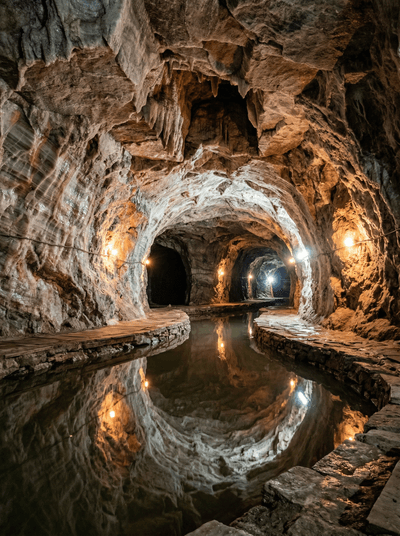
Amber tunnels inside a salt mine so vast it contains its own mosque and railway.
Rohtas Fort
Pakistan
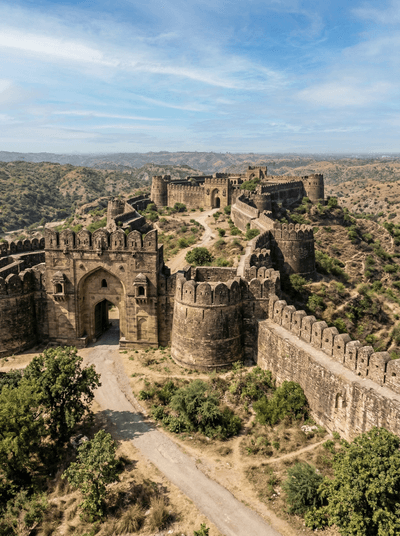
Four kilometres of garrison walls and twelve gates enclosing grass, birdsong and a village history forgot.
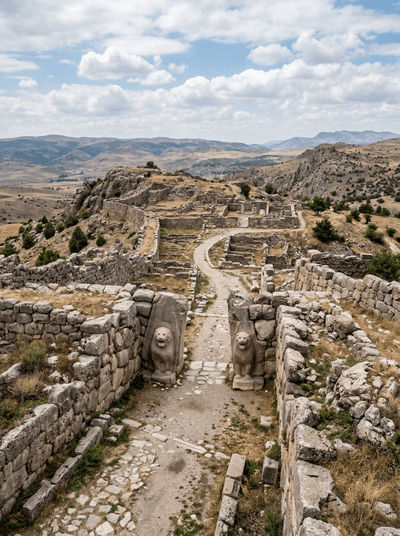
Hattuşa
Turkey
Crumbling walls and lion gates of a 3,300-year-old Hittite capital sprawling across a windswept plateau.
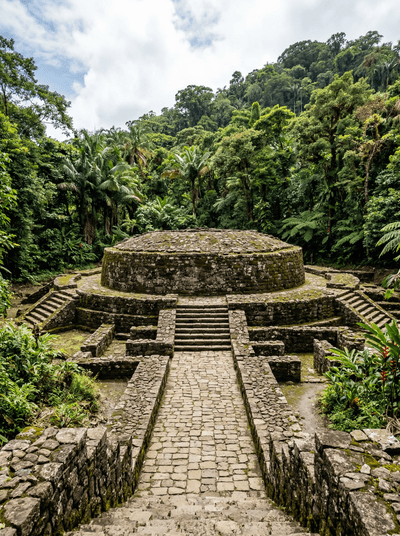
Guayabo National Monument
Costa Rica
Pre-Columbian aqueducts still carrying water through a city the jungle tried to swallow.
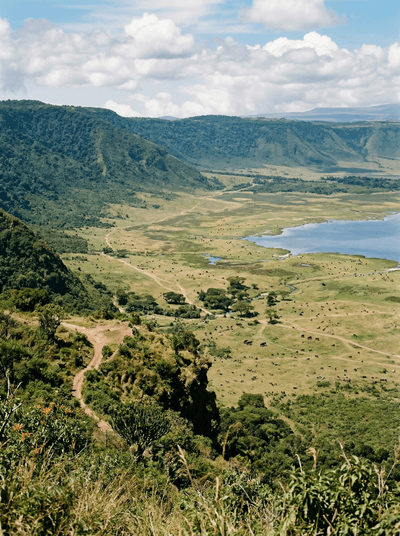
Ngorongoro Crater
Tanzania
A collapsed volcano holds its own weather, its own herds, and Maasai cattle besides.
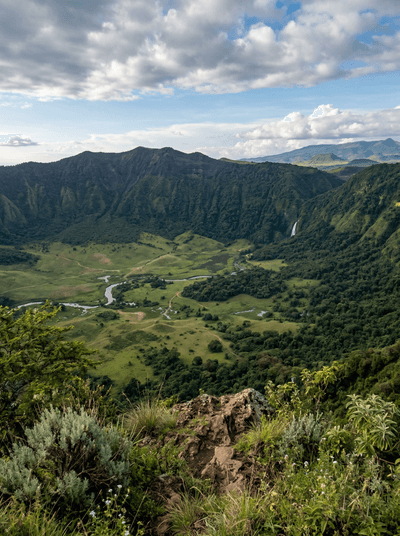
Olmoti Crater
Tanzania
A waterfall slips out of a grassy crater where cattle graze beside eland.
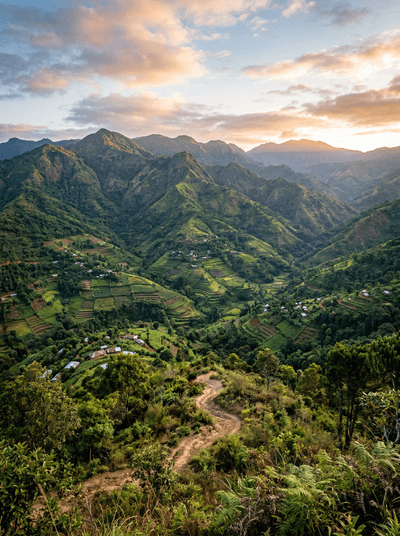
Usambara Mountains
Tanzania
Cloud forest called the Galápagos of Africa gave the world the African violet.
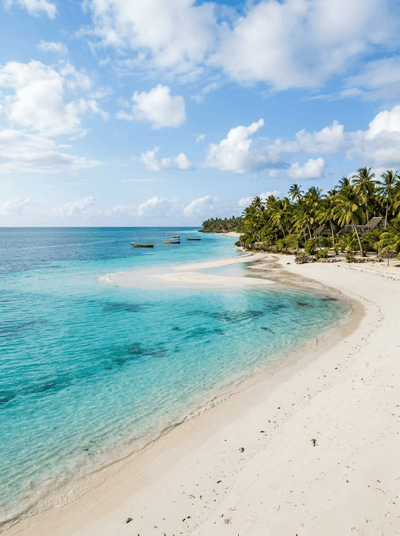
Nungwi
Tanzania
Dhow builders hammer hulls on a beach that dines at its fish market by night.