Chile
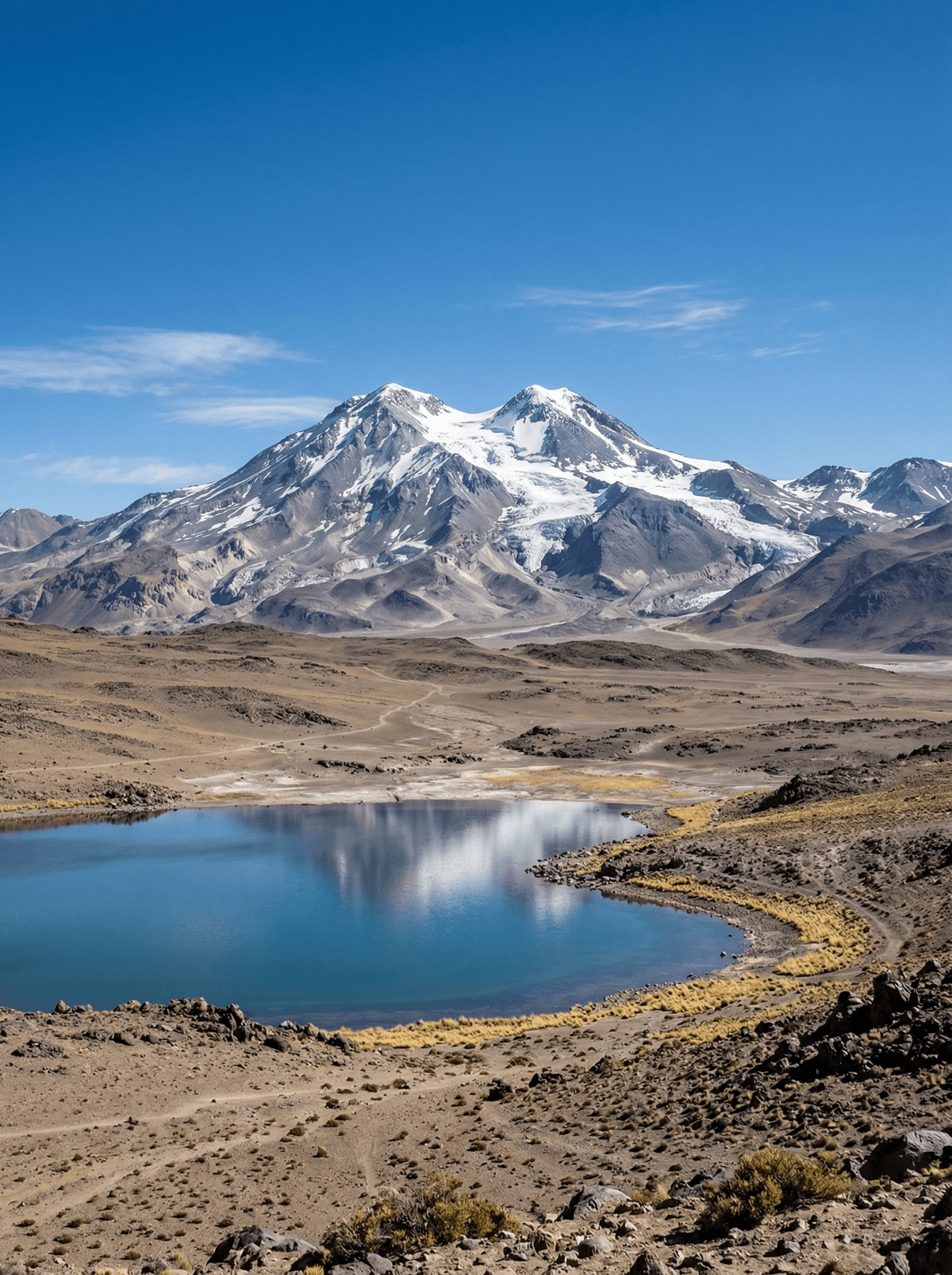
Ojos del Salado
The highest volcano on Earth — its summit lake may be the planet's loftiest water.
The air thins until breathing becomes a conscious effort. At 6,000 metres the Atacama salt flats spread out below like a white scar across the earth, and the summit cone above shows no vegetation, no water, no evidence that anything living has ever been this high. Then, impossibly, a small lake appears in the crater — believed to be the highest body of water on the planet.
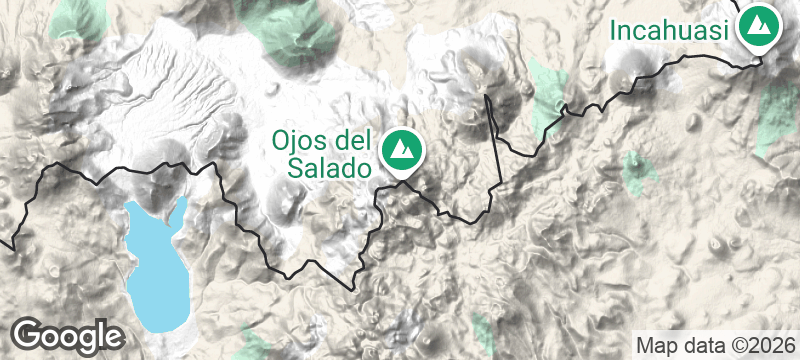
Ojos del Salado stands at 6,893 metres on the Chile-Argentina border, making it the world's highest active volcano and the second-highest peak outside Asia. The summit crater contains a fluctuating lake that can range from 2 to 100 metres wide depending on volcanic and climatic activity. The standard ascent is non-technical above base camp, putting the summit within reach of experienced trekkers willing to spend several days acclimatising through altitude camps. The Chilean approach crosses the Atacama at elevation through landscapes with no visible human presence — a multi-day approach that feels more like leaving Earth than climbing a mountain. Despite its record-breaking altitude, Ojos del Salado sees only a few hundred summit attempts per year, making it one of the least-visited high peaks anywhere.
Solo
Summit-bagging at nearly 7,000 metres is inherently a solo test — your acclimatisation, your pace, your decision to push or turn back. Ojos del Salado rewards the self-reliant mountaineer with a world record and absolute solitude.
Friends
A small expedition team sharing base camp rations, altitude acclimatisation, and the final push to the crater lake creates bonds forged at oxygen levels that strip away everything except trust.
- At 6,893 metres, Ojos del Salado is the world's second-highest peak outside Asia and the highest active volcano on Earth.
- The summit crater contains a small lake that fluctuates between 2 and 100 metres wide depending on volcanic activity — believed to be the world's highest body of water.
- The standard ascent is non-technical above base camp, making it accessible to experienced trekkers willing to acclimatise properly over several altitude days.
- The mountain sits on the Chile-Argentina border — the Chilean approach crosses the Atacama salt flats at altitude, passing through landscapes with no visible human presence.
Altitude rations: charqui jerky, nuts, coca tea, and high-calorie chocolate at base camp.
Post-climb feast in Copiapó — cabrito asado (roast goat) with pebre and red wine.
Pan de campo (country bread) baked in embers by mountain guides at the refuge.
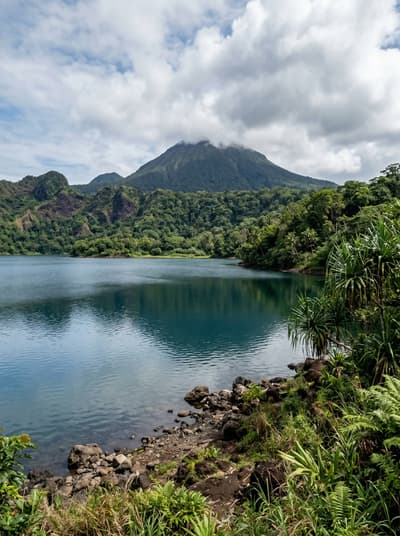
Gaua
Vanuatu
A volcanic lake drains into the ocean via a waterfall that plunges through untouched jungle.
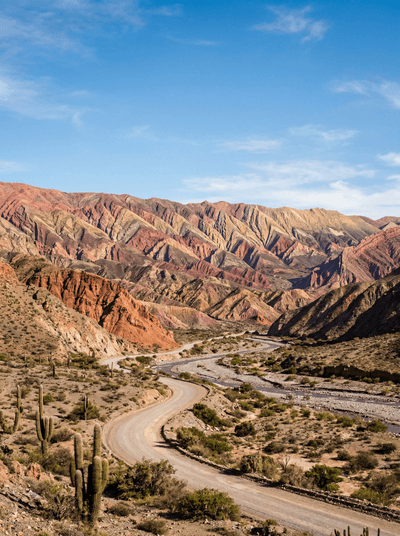
Quebrada de Humahuaca
Argentina
A canyon of fourteen-colour hills where Inca trails thread through villages older than the conquest.
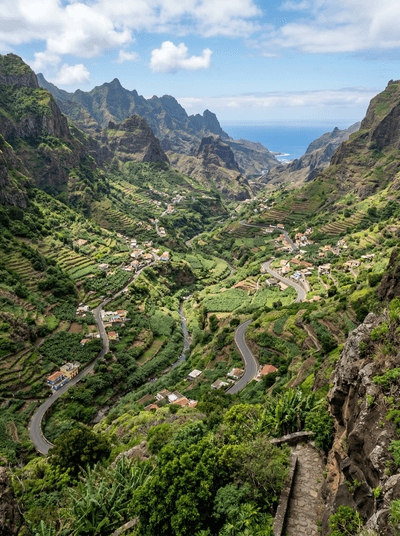
Vale do Paúl
Cape Verde
Sugarcane terraces spill down a volcanic crater into the greenest valley in the archipelago.
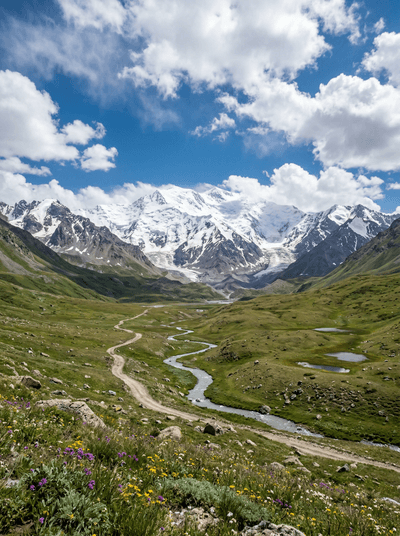
Achik-Tash
Kyrgyzstan
Yurt camps at 3,600 metres beneath a 7,134-metre peak, alpinists and trekkers sharing vodka at sunset.
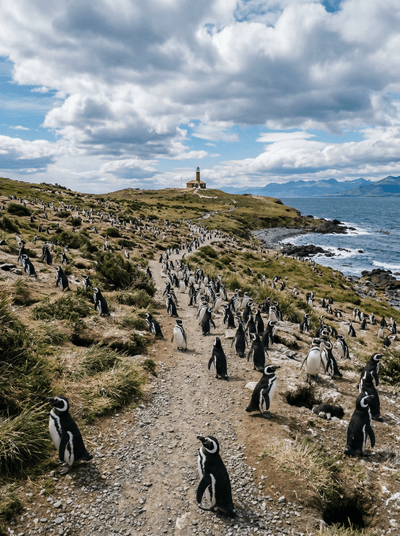
Isla Magdalena
Chile
Magellanic penguins in their tens of thousands, nesting so close you walk through their colony.
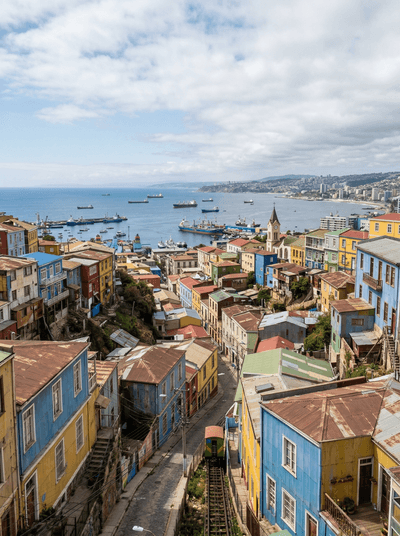
Valparaíso
Chile
Forty-two hills of riotous street art where funiculars creak between graffiti-walled stairways.
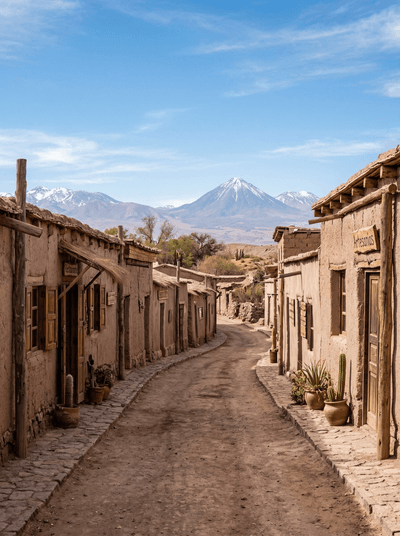
San Pedro de Atacama
Chile
Adobe village where you stargaze through the driest, clearest sky on Earth.
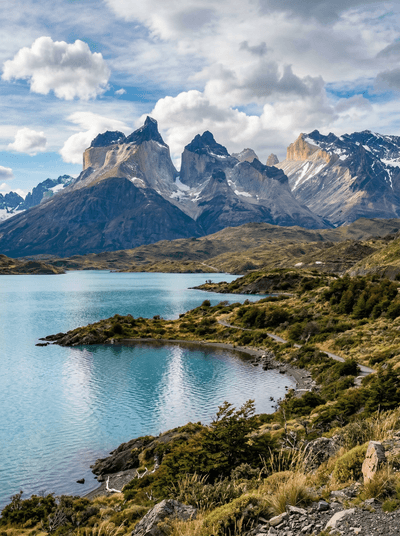
Torres del Paine
Chile
Granite towers erupt from Patagonian steppe, condors riding thermals above ice-blue lakes.