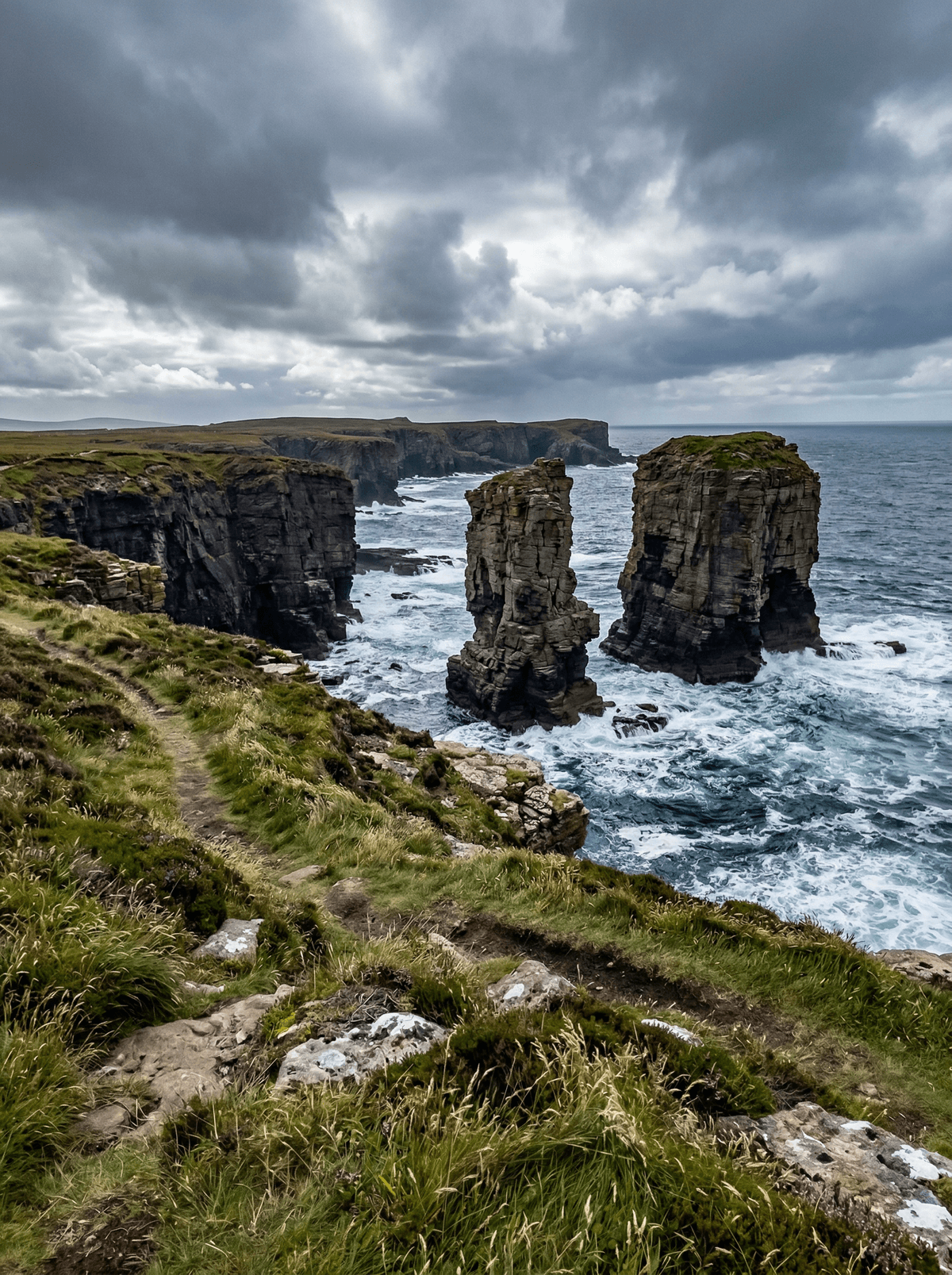
Scotland
Orkney
Neolithic villages older than the pyramids emerge from windswept farmland beside a Viking cathedral.
The wind never fully stops on Orkney — it bends the grass flat, polishes the stone and carries the cry of curlews across treeless farmland. The islands sit low in the water between the Atlantic and the North Sea, their horizons unbroken by anything taller than a church steeple or a standing stone. Time moves differently here, measured in tides and seasons rather than hours.
Orkney's Neolithic monuments predate the Egyptian pyramids, and UNESCO lists four of them together as the Heart of Neolithic Orkney. Skara Brae, a five-thousand-year-old village buried in sand until a storm exposed it in 1850, preserves stone furniture — beds, shelving, dressers — in homes joined by covered passages; Maeshowe's chambered tomb is entered only under the site's careful protection; and the Ring of Brodgar, the third-largest stone circle in the British Isles, stands on a narrow isthmus between two lochs with nothing but sky around it. St Magnus Cathedral in Kirkwall, founded by the Norse earl Rognvald in 1137 and built of red and yellow sandstone, is Britain's most northerly medieval cathedral and still holds weekly services — Orkney was part of Norway until 1468, and the dialect, place names and culture still carry Scandinavian DNA. Kirkwall and Stromness add museums, makers and food producers; the islands reward a stay, not a checklist sprint.
Solo
Orkney's scale is walkable and its culture unhurried — the archaeology absorbs best over days, not hours.
Couple
Standing together inside the Ring of Brodgar at sunset, nothing but sky and stone, is a shared jolt of genuine awe — and the islands' cheese, seafood and ales reward couples who eat well.
Family
Skara Brae makes history tangible for children — stone beds and dressers are immediately understandable — while flat terrain, long sandy beaches and seal-haunted shores keep them engaged between sites.
- Skara Brae's stone beds, dressers and shelving have survived five thousand years in place.
- St Magnus Cathedral was raised by Norsemen in local red and yellow sandstone.
- The Ring of Brodgar circles a narrow isthmus between two lochs, open to the sky.
- Bere barley, an ancient island grain, still goes to the mill for bannocks.
North Ronaldsay mutton from sheep that graze on seaweed.
Orkney cheddar and beremeal bannocks — barley flour Bronze Age islanders would recognise.
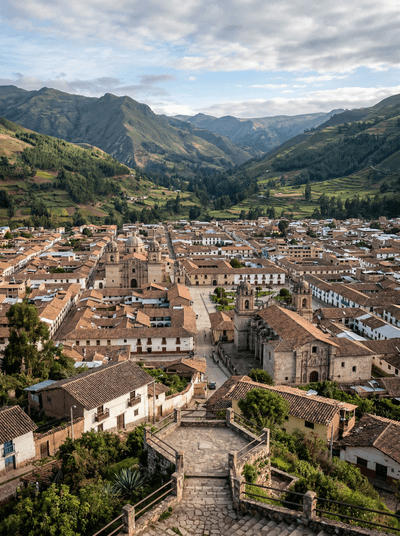
Cajamarca
Peru
The stone room where the last Inca emperor offered to fill the walls with gold.
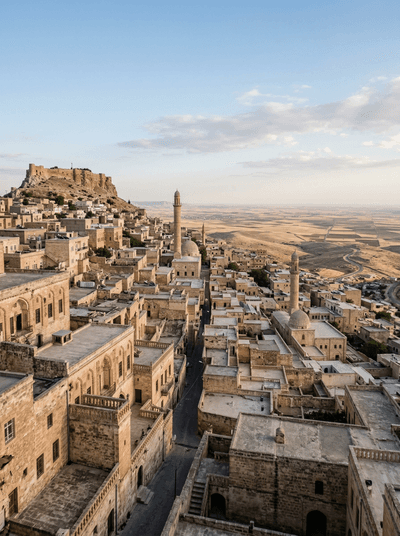
Mardin
Turkey
Honey-coloured stone houses cascade down a hill overlooking the flat Mesopotamian plain stretching to Syria.
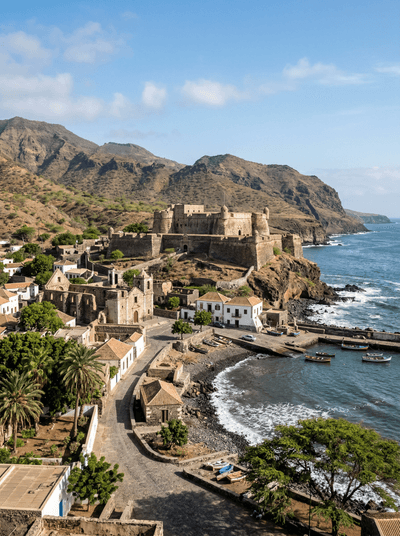
Cidade Velha
Cape Verde
The tropics' first colonial city keeps its slave pillory standing in the square.
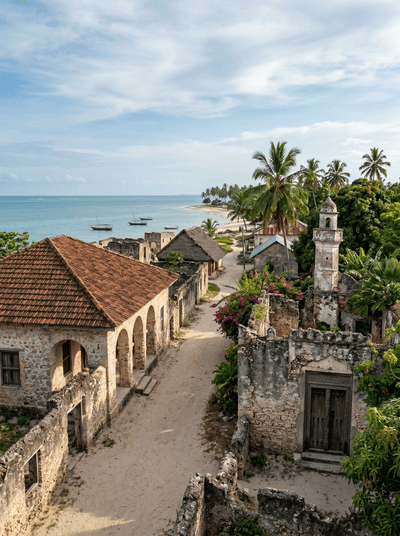
Bagamoyo
Tanzania
The enslaved named this port 'lay down your heart,' and its coral lanes remember.
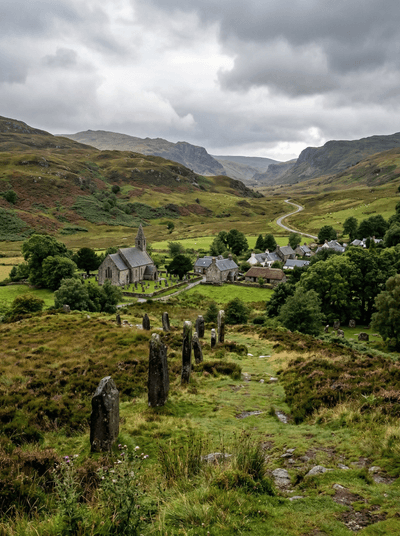
Kilmartin Glen
Scotland
Eight hundred ancient monuments line a single glen — cairns and carvings older than the pyramids.
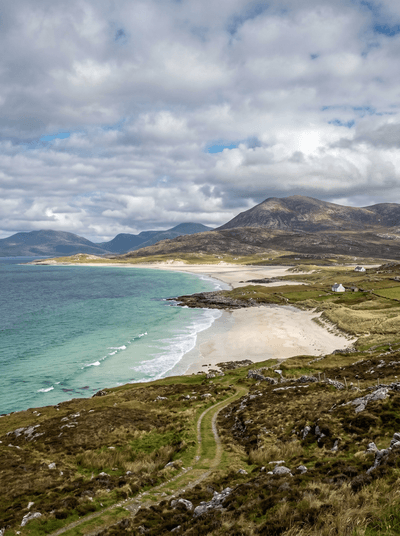
Isle of Lewis
Scotland
Standing stones older than Stonehenge, arranged in a cross nobody can explain, facing the sea.
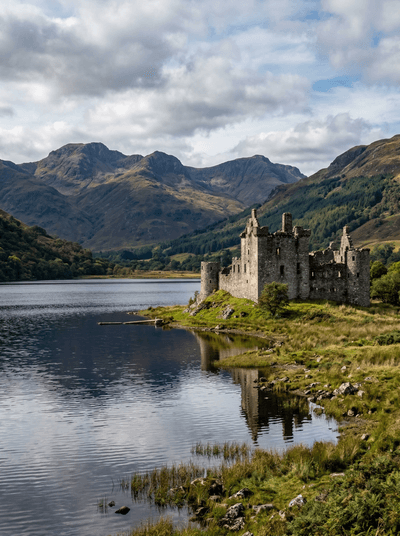
Kilchurn Castle
Scotland
A roofless castle stands knee-deep in loch mist at dawn, mountains pressing close on every side.
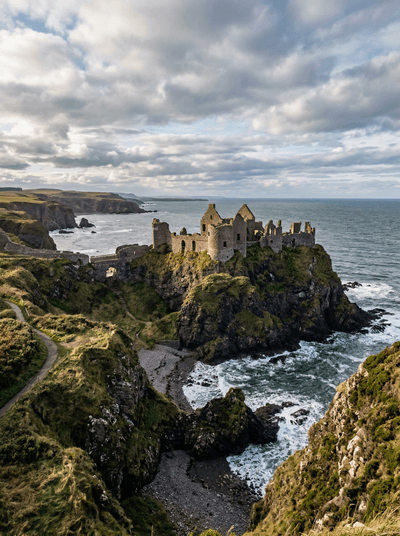
Dunnottar Castle
Scotland
A clifftop fortress crumbling into the North Sea, where Scotland's crown jewels hid from Cromwell.