Turkey
Mardin
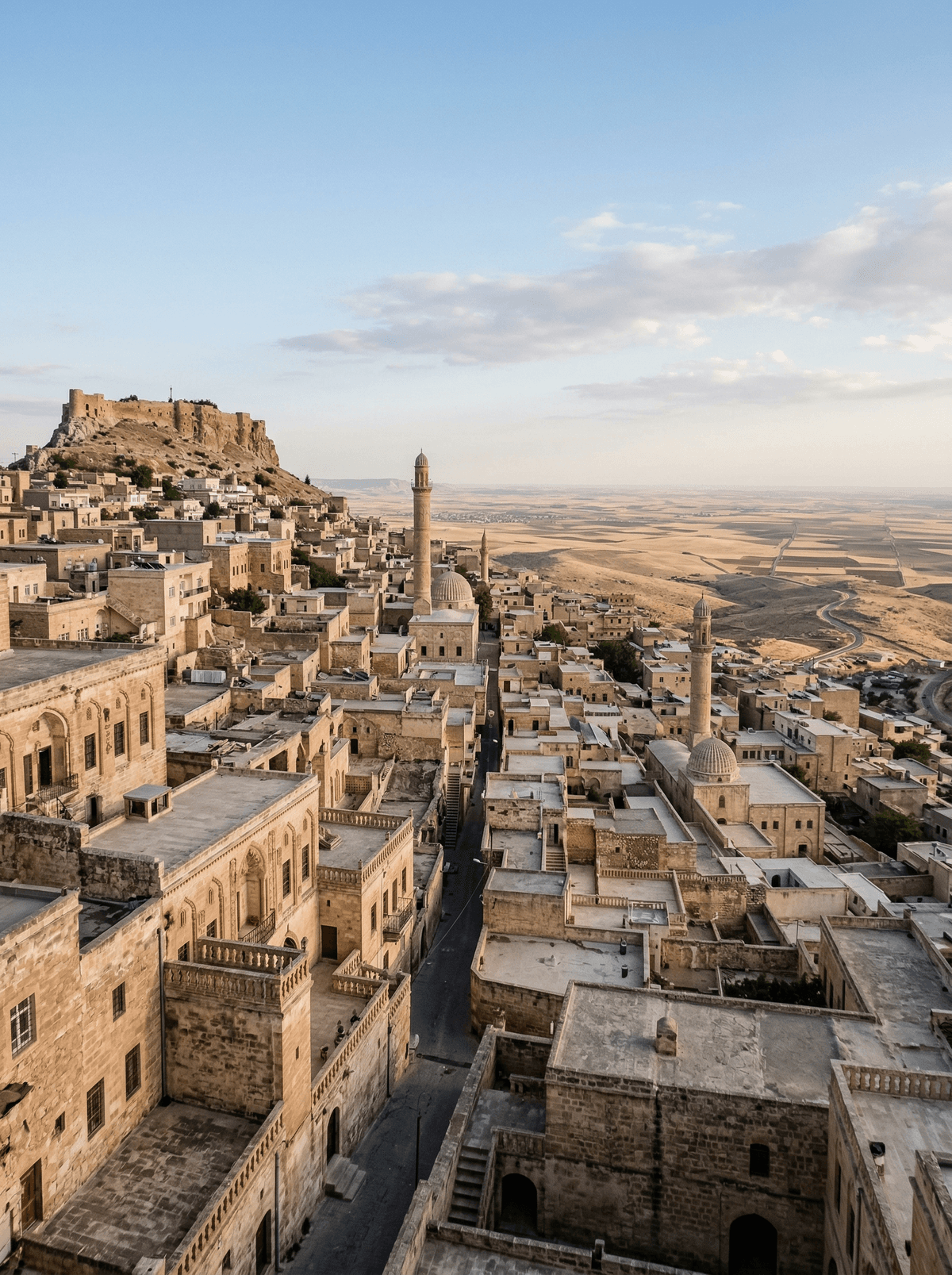
Honey-coloured stone houses cascade down a hill overlooking the flat Mesopotamian plain stretching to Syria.
The stone is the colour of sun-warmed honey and it covers everything, houses, mosques, monasteries, stairways, cascading down the hillside in tiers like a sandcastle city. Below, the Mesopotamian plain stretches flat and hazy toward Syria, a view so vast the edges seem to curve. At dusk the minaret calls overlap with monastery bells, and you remember that several faiths have shared these streets for centuries.
Mardin is a hilltop city whose honey-coloured limestone architecture has earned it tentative UNESCO World Heritage status. Its history layers Arab, Kurdish, Syriac Christian, Armenian and Turkish influences, visible in mosques, madrasas, churches and monasteries that sometimes share a street. Deyrulzafaran Monastery, just outside the city and founded in the 5th century, served as the seat of the Syriac Orthodox Patriarchate for nearly 800 years until 1932. The kitchens reflect the crossroads, from kaburga dolması to monastery wine, and the silversmiths, stonemasons and soap makers keep crafts older than the Ottomans.
Solo
Mardin's labyrinthine streets reward aimless walking. Every turn reveals a carved doorway, a hidden courtyard, or a tea invitation from a silversmith.
Couple
A rooftop dinner overlooking the Mesopotamian plain at sunset, with içli köfte and Syriac wine, is a table you will describe for years.
Family
Older children fascinated by history find Mardin's visible layers, Arab arches, Syriac script, Ottoman fountains, more engaging than any textbook, and the craft workshops offer hands-on discovery.
- Nearly every building in the old city is cut from honey-coloured Mardin limestone quarried from the hill it stands on.
- Mor Gabriel Monastery, founded in 397 AD, lies an hour's drive east near Midyat, among the oldest working monasteries on Earth.
- The bazaar specialises in silver filigree, copper work and Mardin soap pressed from olive and laurel oil.
- From the citadel viewpoint, the Mesopotamian plain runs unbroken to the Syrian border, barely 30 kilometres south.
Kaburga dolması, a rib cage hollowed, sewn and stuffed with rice, almonds and allspice.
İkbebet, bulgur and semolina shells closed round spiced mince and boiled until they float.
Ait Benhaddou
Morocco
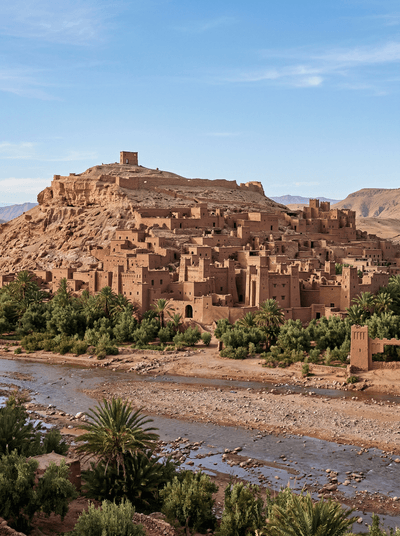
One man who lives here has been in ten films, because crews keep casting the village.
Dahshur
Egypt
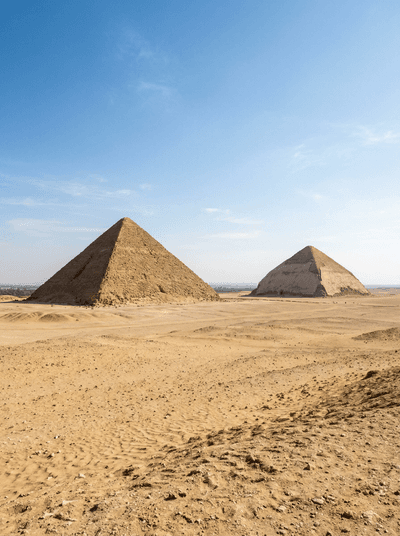
Two experimental pyramids alone in empty desert — one bent, one red, hardly a visitor.
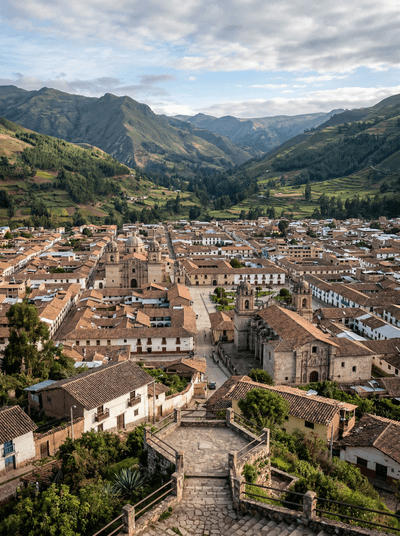
Cajamarca
Peru
The stone room where the last Inca emperor offered to fill the walls with gold.
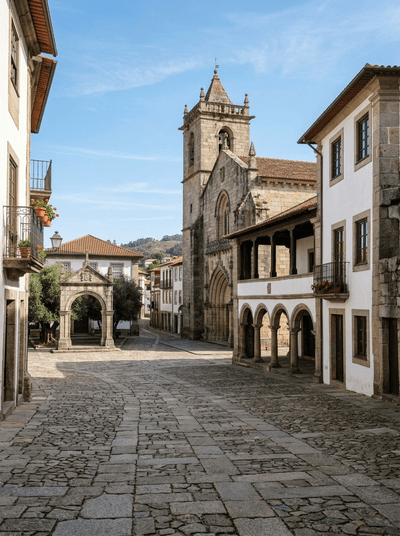
Guimarães
Portugal
Where Portugal was born — the first capital's castle and cobbled streets still standing.
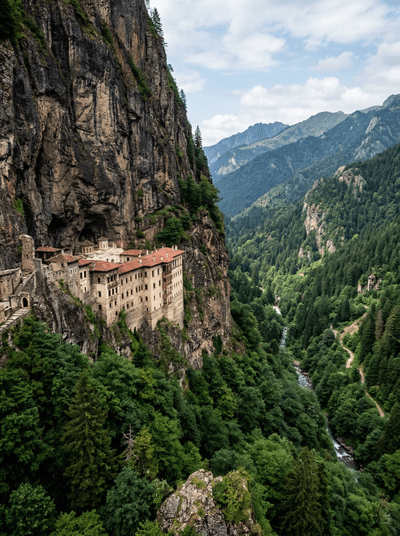
Sumela Monastery
Turkey
A monastery clinging to a cliff 300 metres above a misty Black Sea valley.
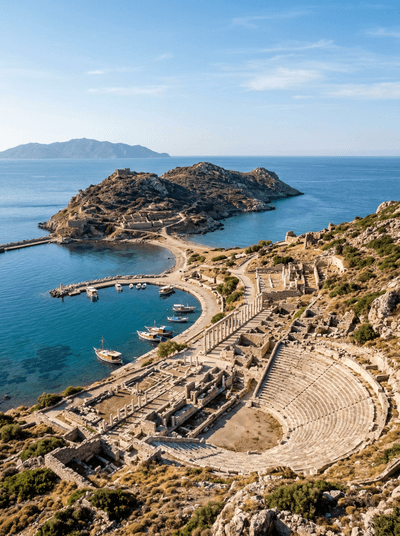
Knidos
Turkey
Two harbours face two different seas at a windswept cape where the Aegean meets the Mediterranean.
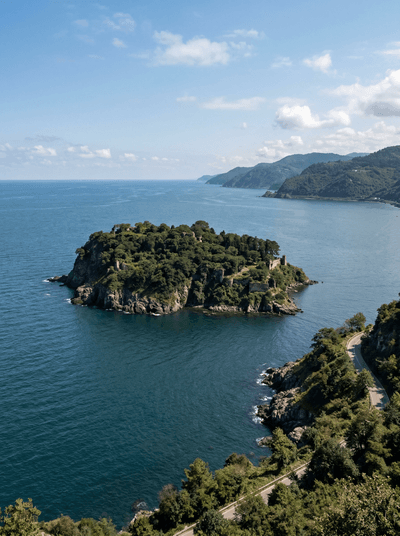
Giresun Island
Turkey
The eastern Black Sea's only island, its Hellenistic temple foundations sleeping beneath hazelnut trees.
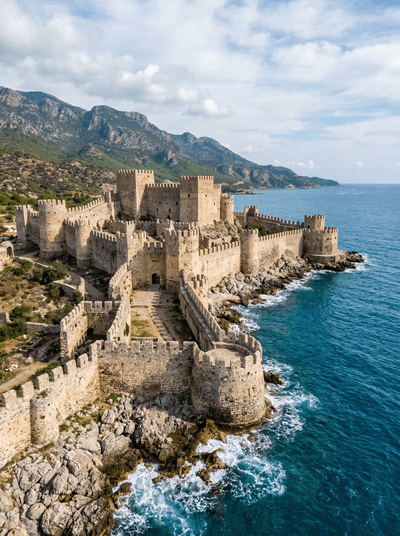
Mamure Castle
Turkey
Thirty-nine towers rise where a medieval fortress meets the Mediterranean surf.