Peru
Cajamarca
The stone room where the last Inca emperor offered to fill the walls with gold.
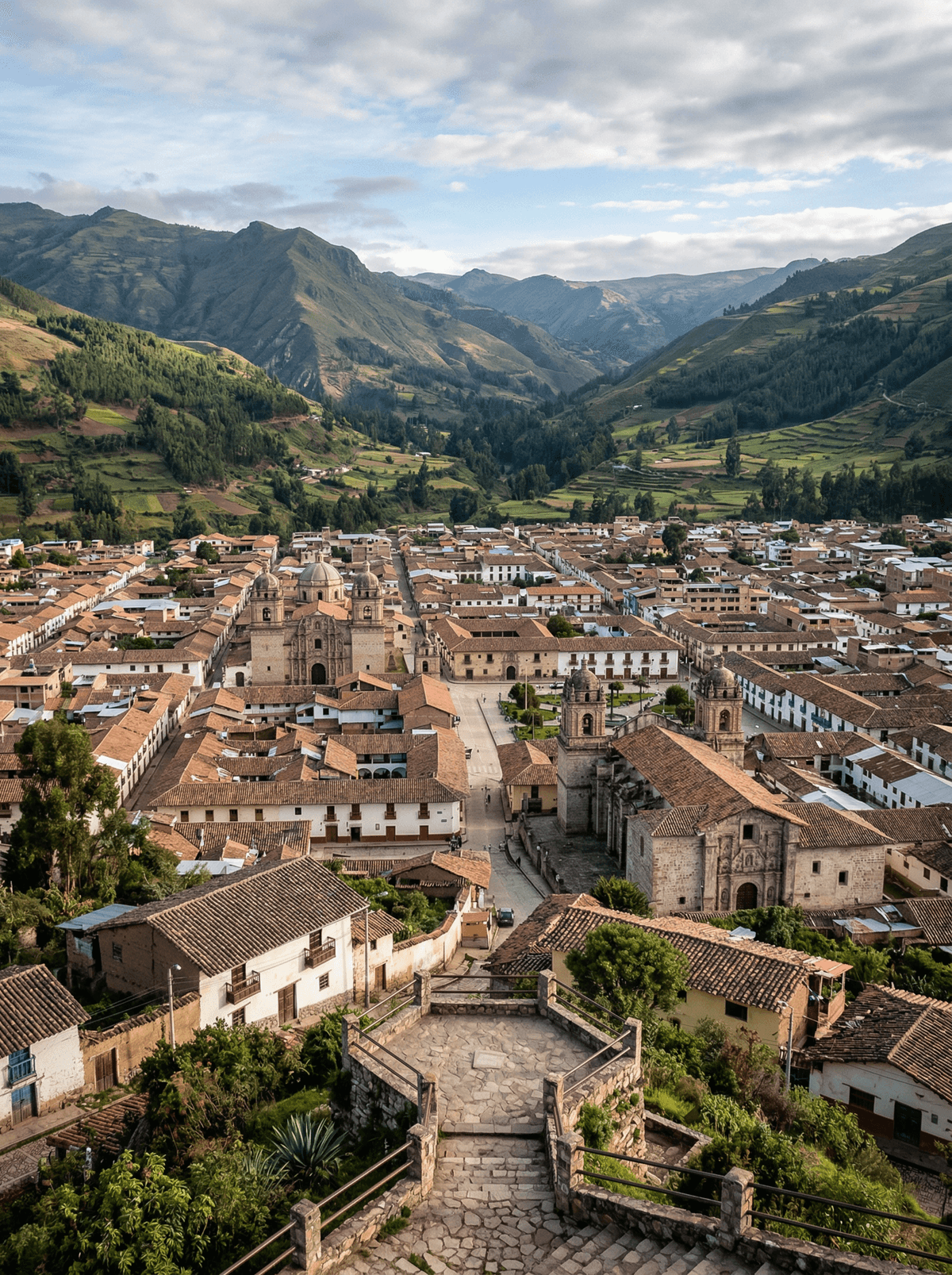
The ransom room still stands: four stone walls, a doorway, and the line tradition says marks how high Atahualpa promised to fill the space with gold. Afternoon light falls on flagstones where the Inca world bargained with the Spanish one — Cajamarca is where the empires collided, and the evidence hasn't moved.
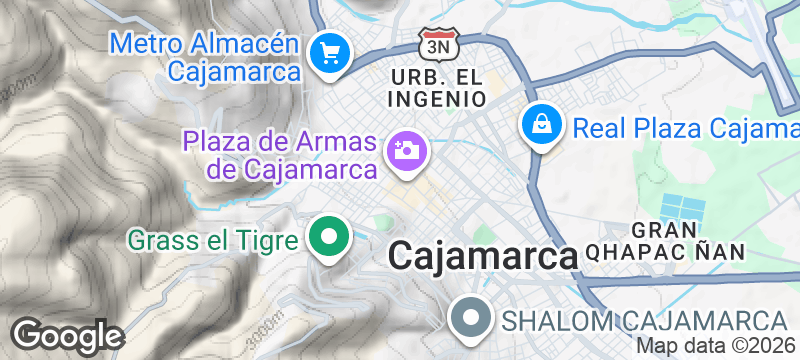
Cajamarca, at a gentle-by-Andean-standards 2,750 metres, is where Francisco Pizarro's expedition captured the Inca ruler Atahualpa in November 1532 — the hinge of the conquest. The Cuarto del Rescate, the city's one surviving Inca building, is traditionally identified with his ransom offer of a room filled once with gold and twice with silver; the museums around it separate the documented history from the retold legend, and both are worth hearing. Above the plaza where it happened, carved volcanic-stone churches anchor a handsome colonial centre. The other Cajamarca is gentler: Peru's dairy heartland, its shops stacked with queso mantecoso and manjar blanco, a carnival tradition famous across the country, and the Baños del Inca thermal springs just outside town — in use since before the Inca, where Atahualpa's camp is said to have stood when the Spanish first arrived.
Solo
The Ransom Room without a tour group is a visceral encounter, and the city unfolds over days — churches, cheese stalls, thermal pools.
Couple
Colonial elegance, chupe verde and manjar blanco, and a long soak at Baños del Inca balance history with genuine indulgence.
Family
History lands hard in one small stone room, the regulated thermal baths welcome all ages, and the cheese street turns tasting into sport.
- The Cuarto del Rescate is the city's one surviving Inca building — ransom legend and all.
- Pizarro's capture of Atahualpa here in 1532 became the conquest's hinge.
- The thermal springs at Baños del Inca pre-date the empire that named them.
- Peru's dairy heartland stacks its shops with queso mantecoso and manjar blanco.
Chupe verde — herb-green chowder thick with potato and cheese — the city's signature bowl.
Queso mantecoso and manjar blanco from the dairy shops of the cheese street.
Cidade Velha
Cape Verde
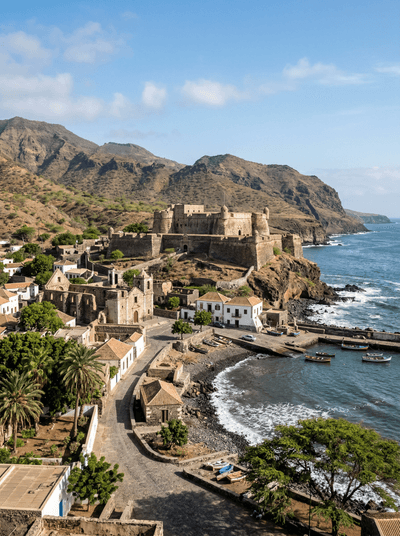
The tropics' first colonial city keeps its slave pillory standing in the square.
Ayutthaya
Thailand
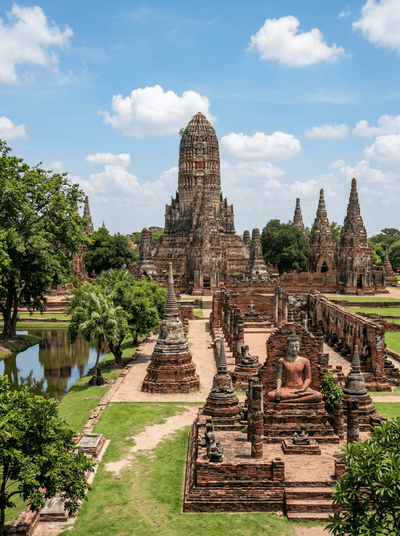
A sandstone Buddha head swallowed entirely by the roots of a strangler fig.
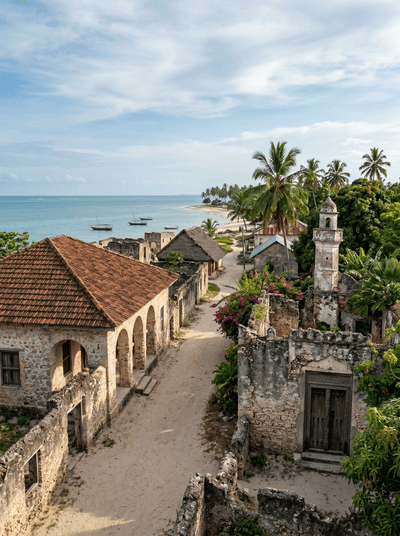
Bagamoyo
Tanzania
The enslaved named this port 'lay down your heart,' and its coral lanes remember.
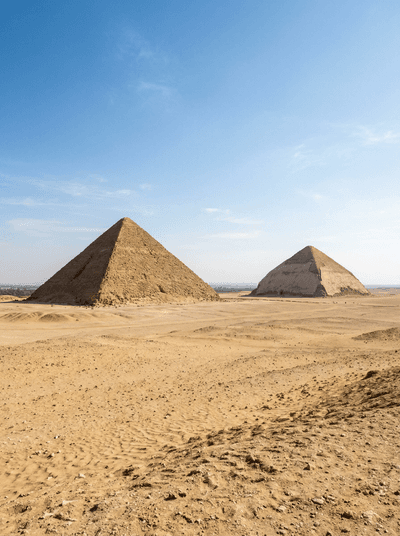
Dahshur
Egypt
Two experimental pyramids alone in empty desert — one bent, one red, hardly a visitor.
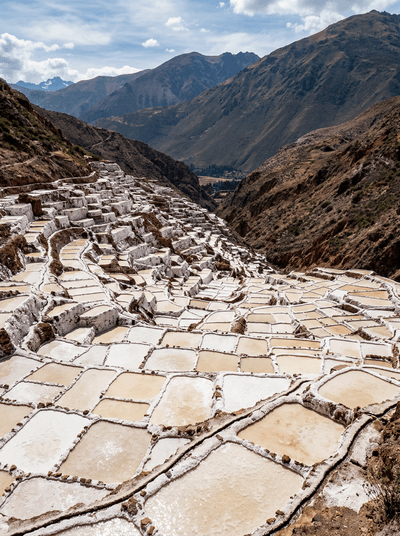
Salineras de Maras
Peru
Thousands of salt pans cascading down a mountainside, hand-harvested since before the Inca.
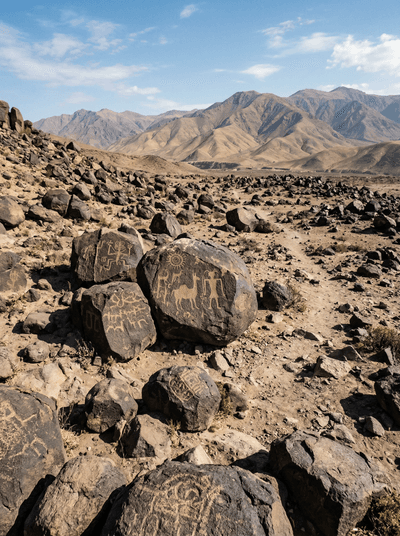
Toro Muerto
Peru
A desert of engraved boulders — thousands of petroglyphs, barely a visitor.
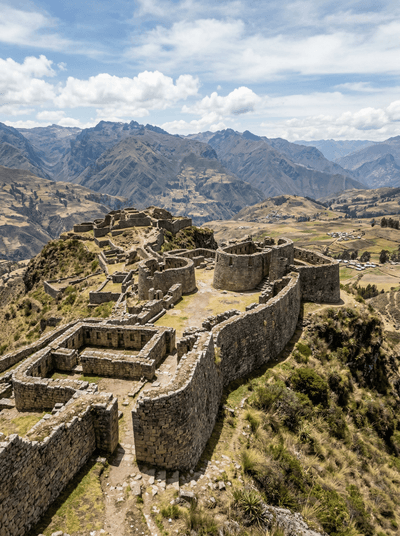
Marcahuamachuco
Peru
Kilometres of stone galleries crowning a mesa — pre-Inca grandeur without an audience.
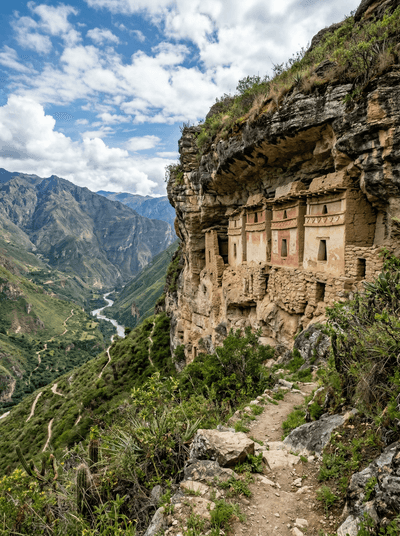
Revash
Peru
Miniature painted houses for the dead, set into a cliff above swirling cloud forest.