
Chile
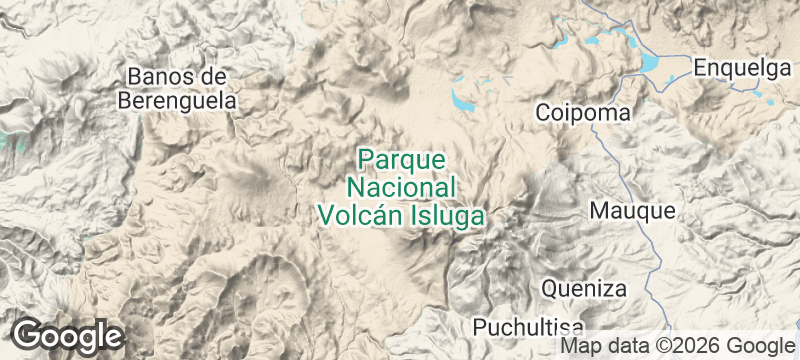
Parque Nacional Volcán Isluga
Volcanic horizons and high wetlands surround living Aymara settlements in the altiplano.
Light flashes on a wetland beneath bare peaks while wind crosses the puna. Small villages and churches hold a human scale against the wide plateau.
Volcán Isluga National Park protects altiplano wetlands, volcanic scenery and inhabited Aymara landscapes. High roads and sparse services demand self-sufficiency and current weather information. Community places and churches deserve the manners of living heritage, not the gaze of a spectacle.
Solo
Only a self-sufficient, acclimatised traveller should use the high public roads through this service-light park.
- Volcán Isluga National Park protects altiplano wetlands, volcanic scenery and small Aymara settlements.
- Access is by high-elevation roads with limited services, so visitors need current park and weather information.
- Churches and community places should be approached as living heritage, not as exotic props.
Colchane's Aymara growers say their high-altitude quinoa is among Chile's finest, kept through ancestral practice.
Tarapacá grows nearly a third of the national quinoa crop, much of it from these altiplano fields.
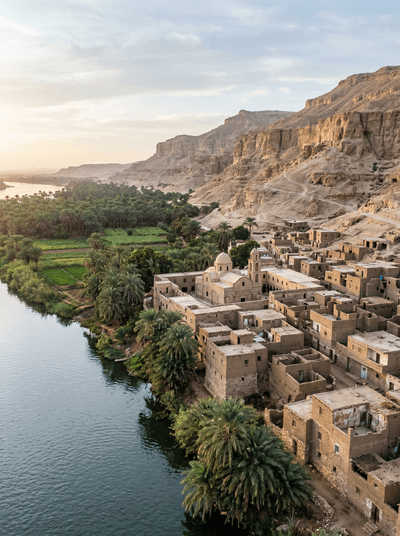
Deir Abu Hinnis
Egypt
Roman-era limestone quarries with workers' graffiti and a hidden early Christian chapel inside.
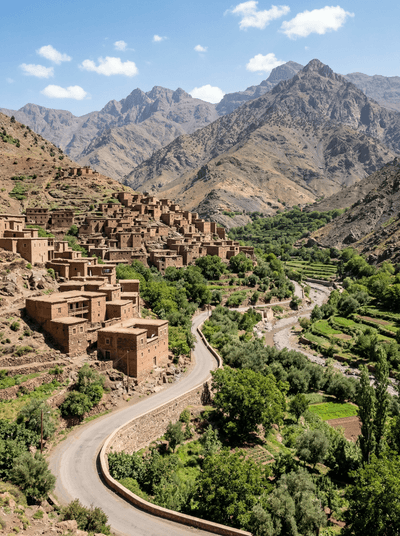
Ijoukak
Morocco
Walnut terraces drink from two rivers below the ruins of a mountain palace.
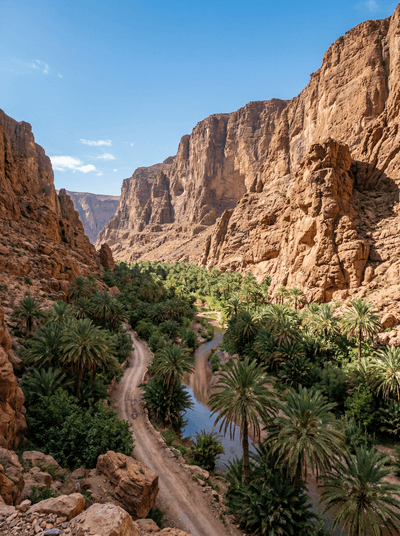
Aït Mansour Gorge
Morocco
The road falls out of pink granite into a red gorge roofed with date palms.
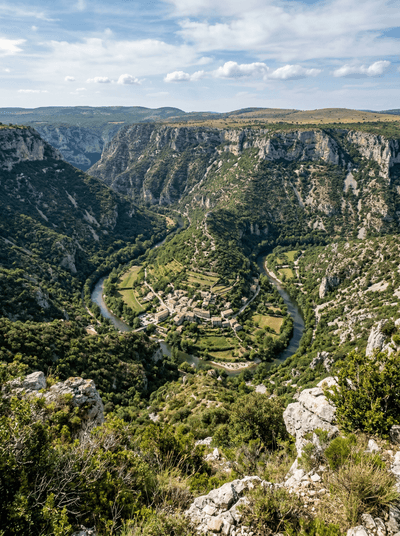
Cirque de Navacelles
France
A natural amphitheatre where a river abandoned its own meander, leaving a hamlet at the bottom.
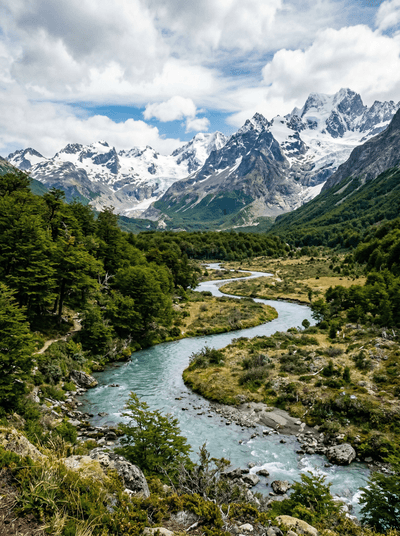
Parque Nacional Yendegaia
Chile
Fjords and lenga forest valleys climb toward the Cordillera Darwin at Tierra del Fuego's edge.
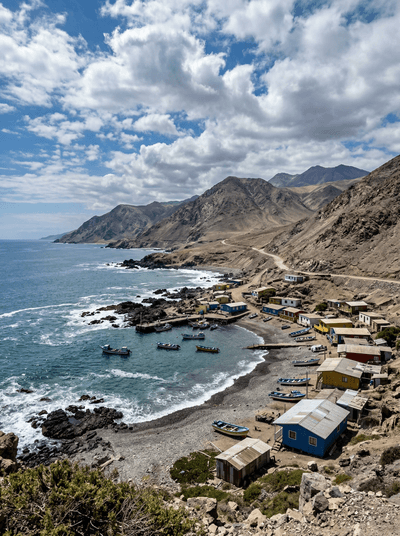
Paposo
Chile
Sea fog feeds an improbable garden of endemic plants on the Atacama coast.
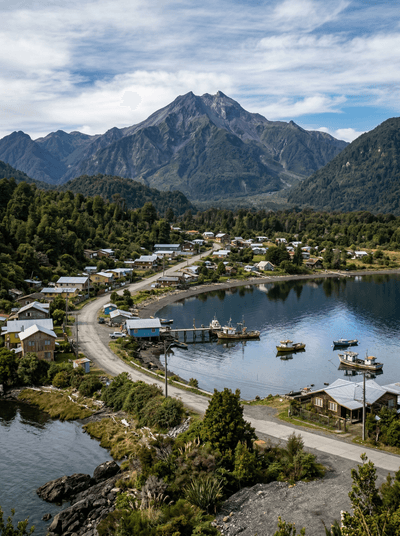
Chaitén
Chile
A rebuilt Patagonian town faces the volcano that buried its old routines in 2008.
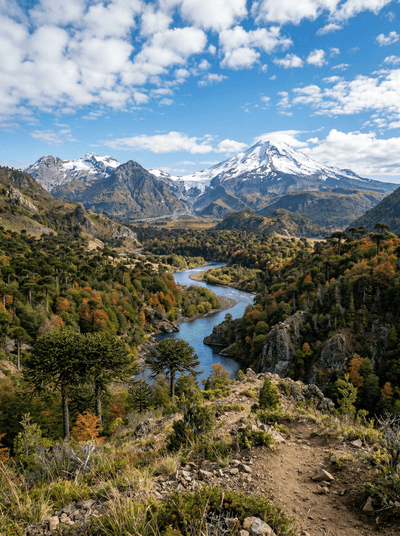
Alto Biobío
Chile
The young Biobío runs beneath araucaria heights through living Pewenche high country.