Egypt
Deir Abu Hinnis
Roman-era limestone quarries with workers' graffiti and a hidden early Christian chapel inside.
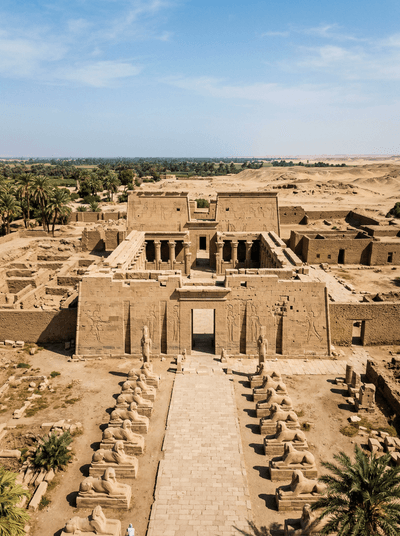
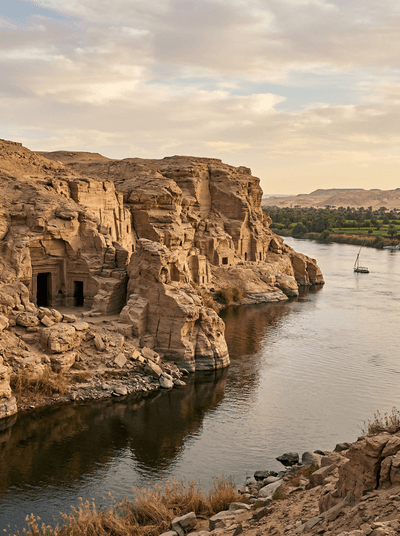
Chisel marks score the limestone walls of quarries that once supplied a Roman province with building stone. Deep inside one cavern a chapel appears — painted crosses and Coptic inscriptions fading on the rough-hewn ceiling. The cliff face above the valley is pocked with dark openings, each one an invitation.
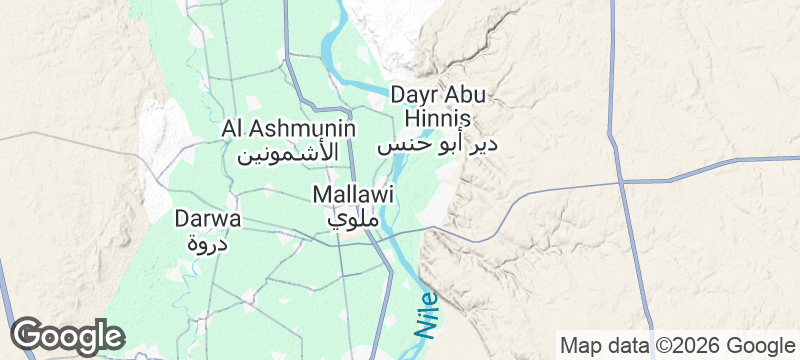
Deir Abu Hinnis is a complex of Roman-era limestone quarries and early Christian hermitages in the cliffs east of the Nile near Mallawi. More than two hundred quarries thread three wadis, their walls carrying the tool marks and inscriptions of an imperial supply chain. When the quarrying stopped, monks moved in, turning the gallery quarries into cells and chapels. The rock-cut church in the mountain holds murals of the Flight into Egypt that rank among the oldest anywhere on that subject.
Solo
Pair the quarry chapels with Tuna el-Gebel from a Minya base, with a local guide who knows which caves open.
- Workers left Greek, Latin and Coptic graffiti across six centuries of quarrying.
- The rock-cut church's murals of the Flight into Egypt are among the oldest in the world on the subject.
- Over two hundred quarries thread three wadis — an industrial landscape turned monastic one.
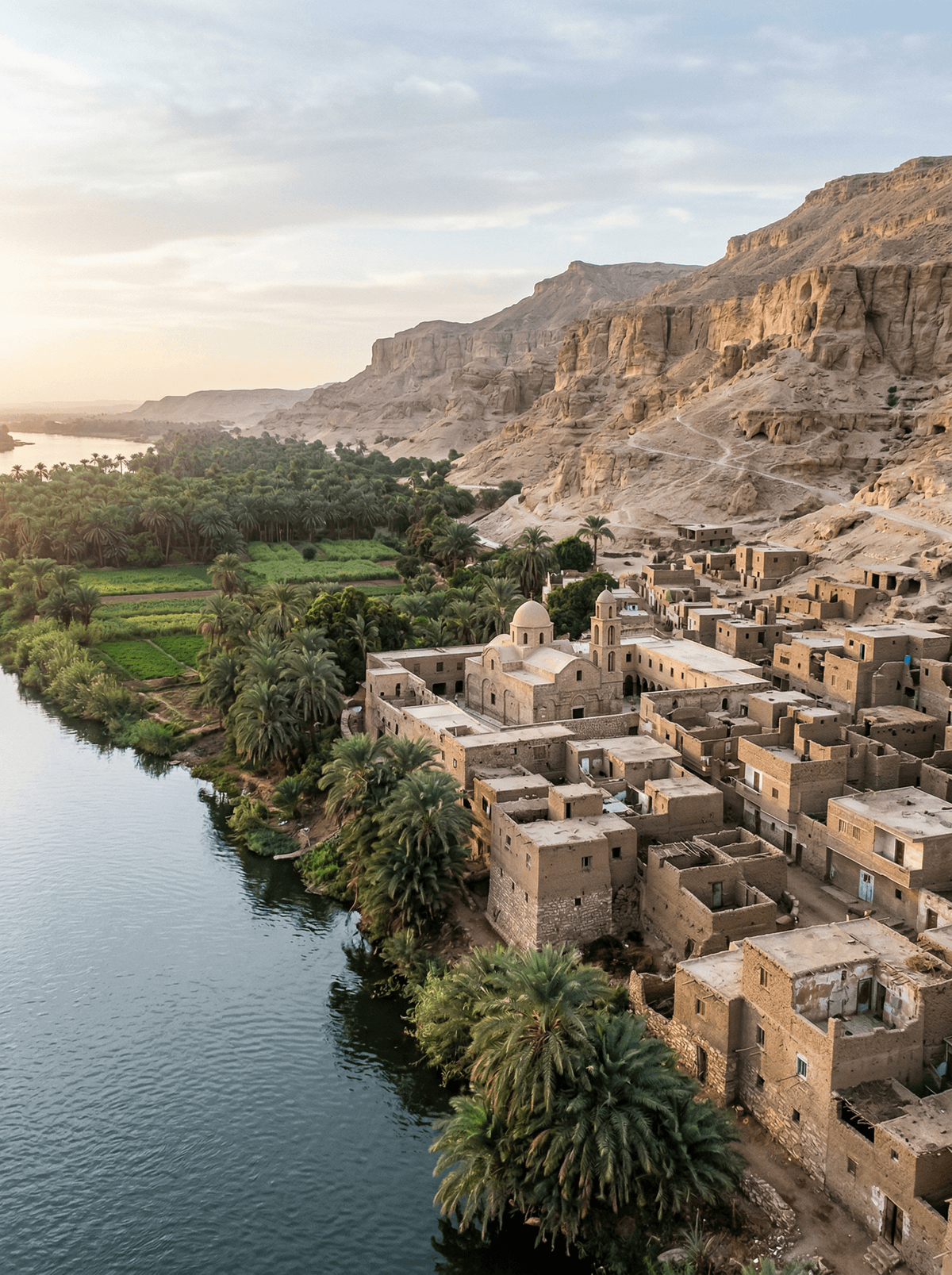
- The village below is a living Coptic community, and its churches still keep their festival calendar.
Mallawi's family kitchens cook molokhia the Middle Egypt way, rabbit in the pot.
Farms along the access road sell fresh dates and buffalo-milk labneh.
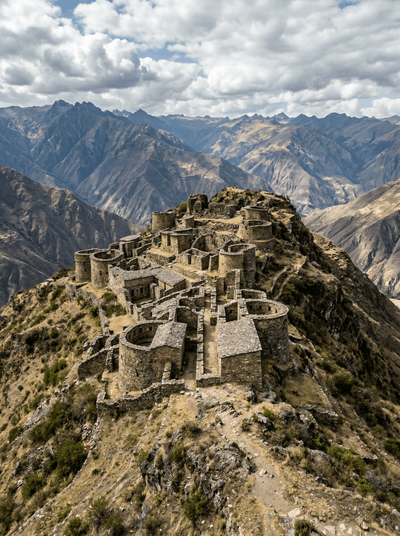
Tantamayo
Peru
Pre-Inca towers like ancient apartment blocks, on ridges far from any tourist road.

Parque Nacional Volcán Isluga
Chile
Volcanic horizons and high wetlands surround living Aymara settlements in the altiplano.
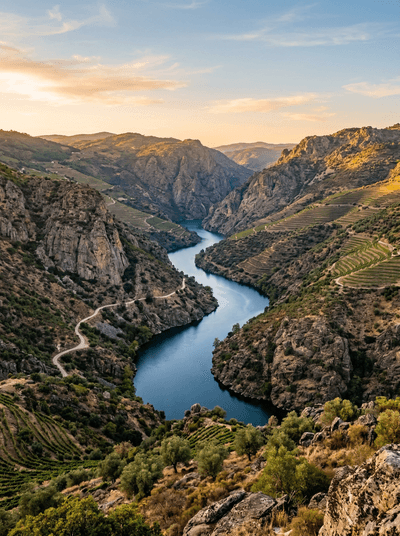
Douro Internacional
Portugal
A 200-metre canyon slicing the border, its cliff air ruled by griffon vultures.

Parque Nacional Perito Moreno
Argentina
Argentina's emptiest national park — turquoise lakes, open steppe and trails measured in days.