Chile
Alto Biobío
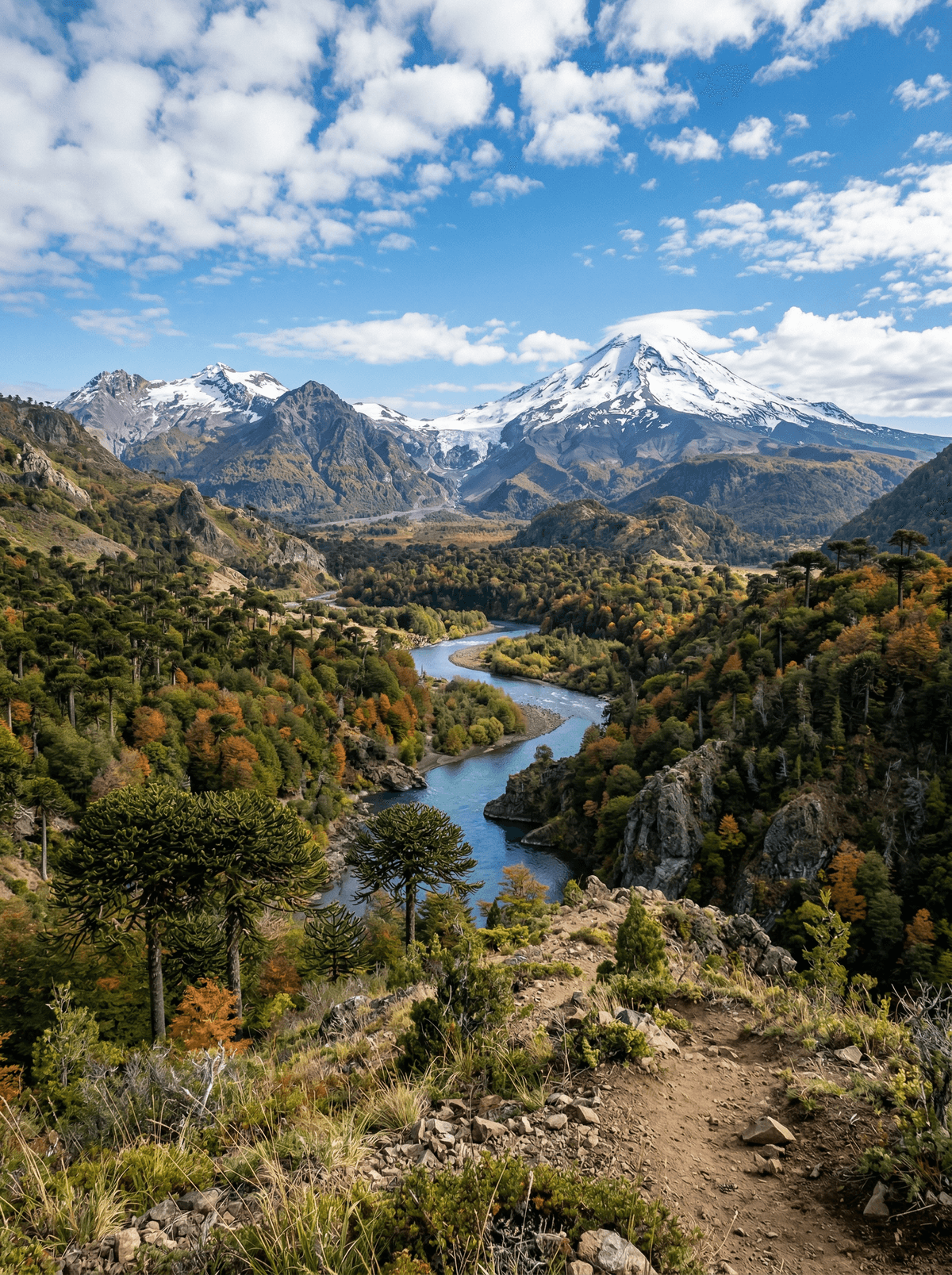
The young Biobío runs beneath araucaria heights through living Pewenche high country.
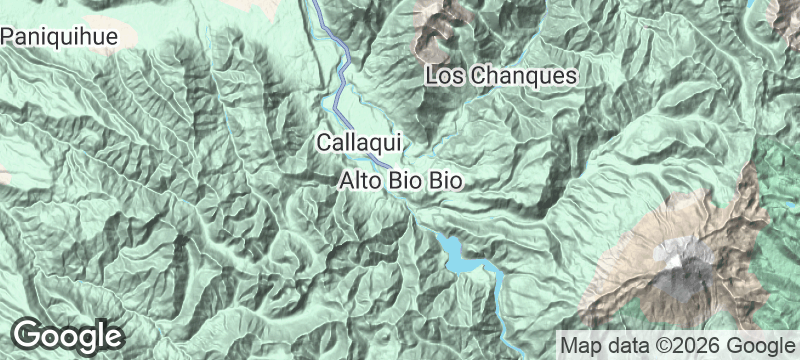
The Biobío river cuts through high valleys around Ralco while smoke rises from scattered homes. Museum rooms give language and history before the mountain roads.
Current visitor routes centre on the Museo Pewenche and named community-led lodging, food and trail experiences. Arranged access respects living communities and makes the Andean landscape more meaningful than an unrestricted drive. Ralco anchors that slower, hosted approach to the high valleys.
Solo
Begin at Museo Pewenche, then join only the named public community experience arranged in advance.
Couple
A hosted food or trail experience gives the valley meaning while keeping access on local terms.
- Alto Biobío’s current visitor offer includes the Museo Pewenche in Ralco and routes through an Andean river landscape.
- Regional tourism material lists community-led trails, lodging and food services rather than unrestricted access to private communities.
- The right visit is arranged, respectful and grounded in what local hosts actively offer.
Pewenche hosts share honey-sweetened mate inside the ruka — the welcome is the first taste.
Each named community experience carries its own hosted meals as part of the day.
Stewart Island / Rakiura
New Zealand
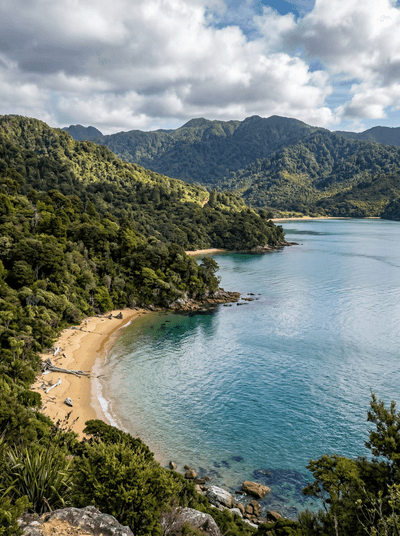
An island where kiwi vastly outnumber people beneath glowing southern skies.
Tarkine
Australia
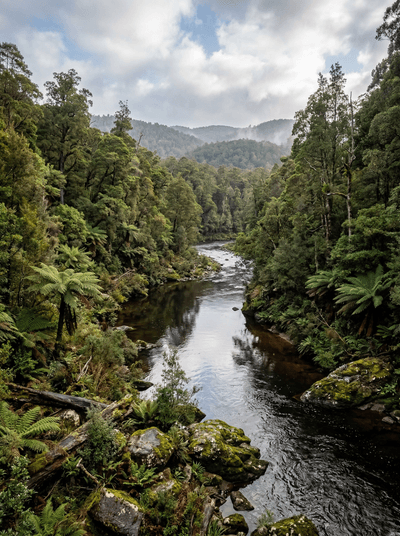
Moss swallows fallen trunks where rainforest, wild rivers and exposed coast become takayna.
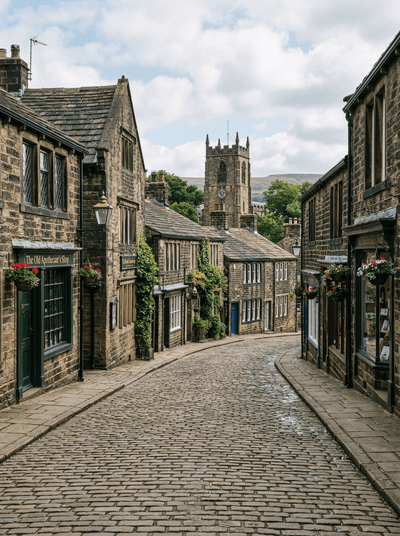
Haworth
England
Cobblestoned Brontë country where the wind still carries stories across the moor.
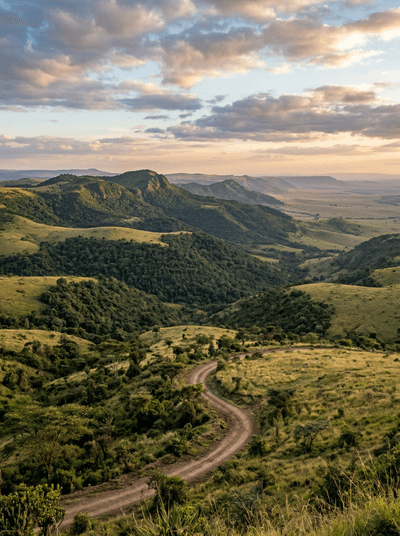
Loita Hills
Kenya
Cattle outnumber cars a thousand to one in hills where Maasai life sets the terms.
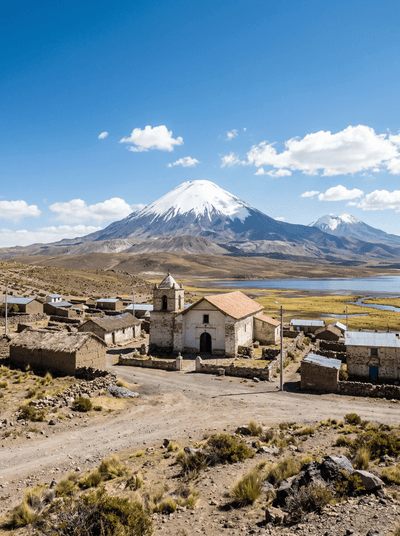
Parque Nacional Lauca (Parinacota Village)
Chile
A white Andean church sits beneath volcanoes in Lauca's immense high-altitude light.
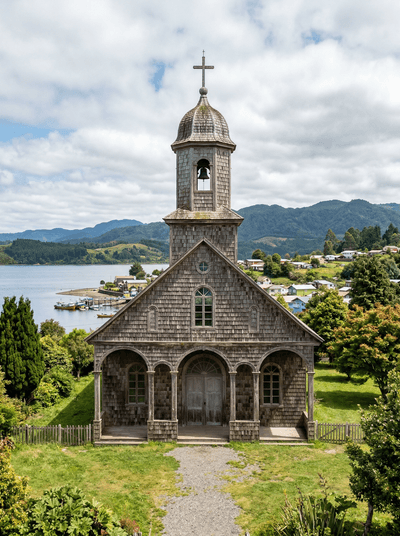
Chiloé's Wooden Churches (UNESCO Circuit)
Chile
Sixteen timber churches turn Chiloé's islands into a road-and-ferry pilgrimage.
Chiloé Island
Chile
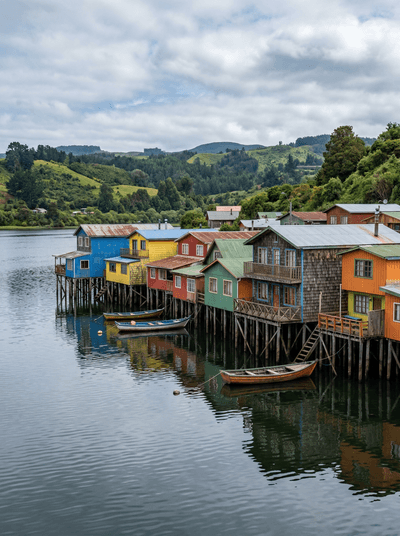
Palafitos, timber churches and ferries unfold through an archipelago softened by rain.
Laguna del Maule
Chile
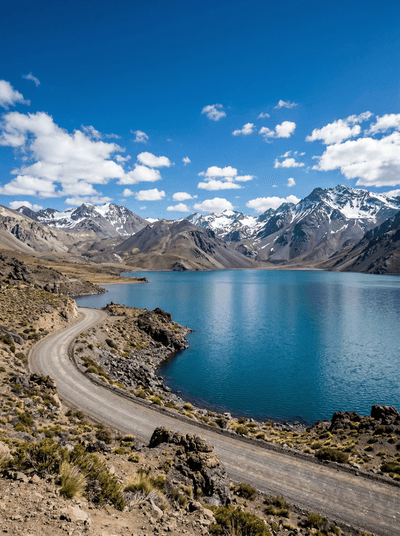
Cobalt water fills a restless Andean volcanic complex monitored around the clock.